What Is a Cylinder Carbide Burr Used For?
Most metalworking tools and woodworking tools promise precision but fall short when handling tough shaping and finishing tasks. If you’ve struggled with rough edges or uneven cuts, a cylinder carbide burr might be the tool you’ve been missing. This post breaks down cylinder carbide burr uses, showing how they handle material removal and create precise cuts that save time and effort. You’ll also get practical tool selection tips to match burr sizes and cuts to your projects for lasting results. For more insights, check out this resource on cylindrical carbide bur cutting tools.
Understanding Cylinder Carbide Burrs
Cylinder carbide burrs are essential for those looking for precision in their projects. Let’s explore their structure and functionality.
Definition and Structure
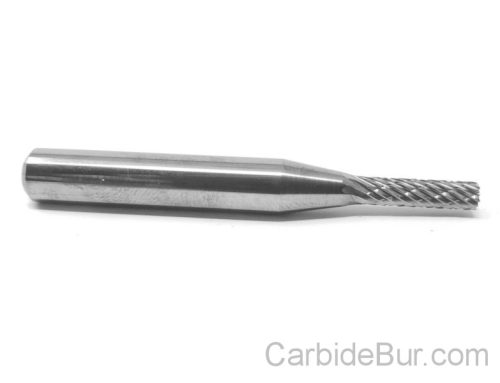
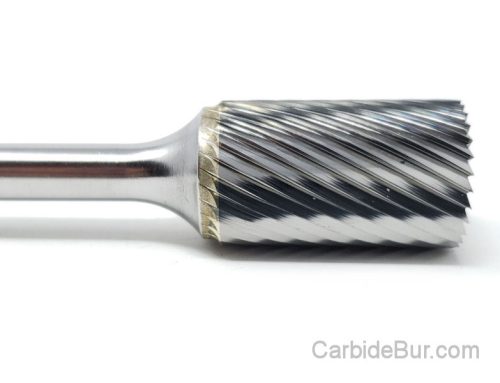
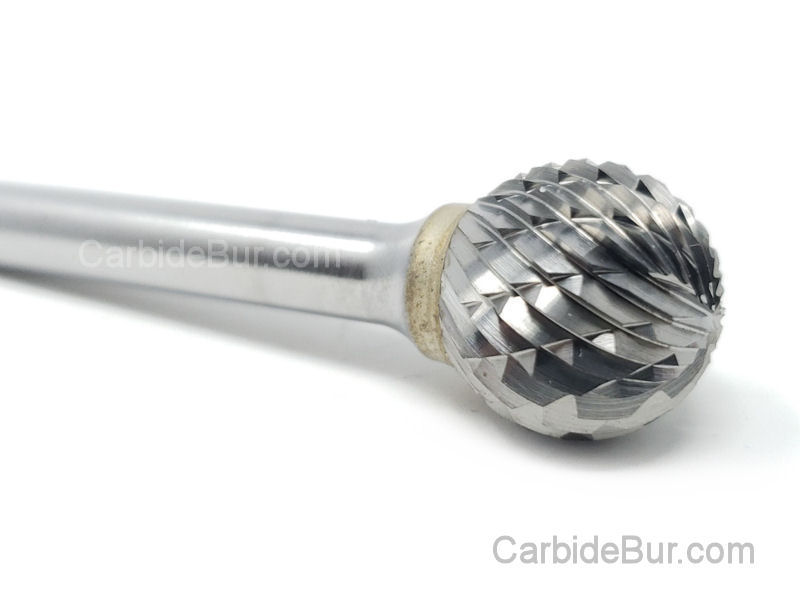
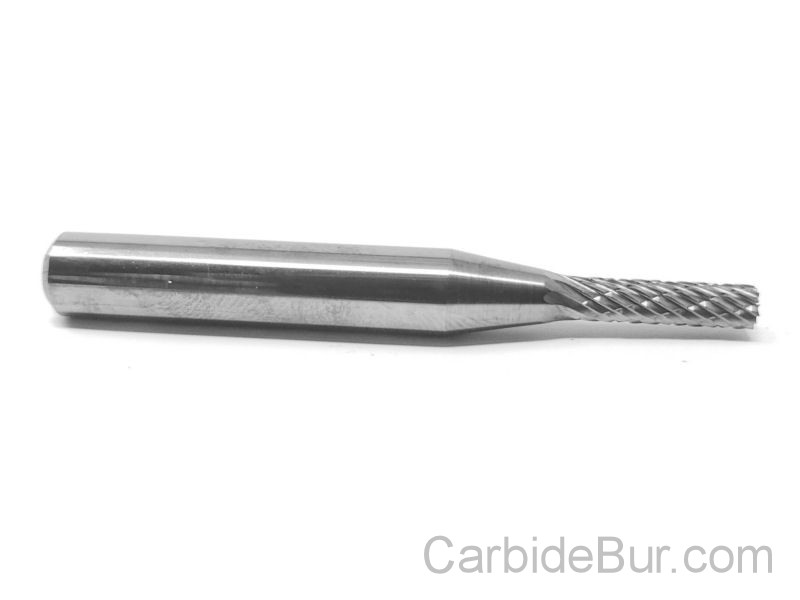
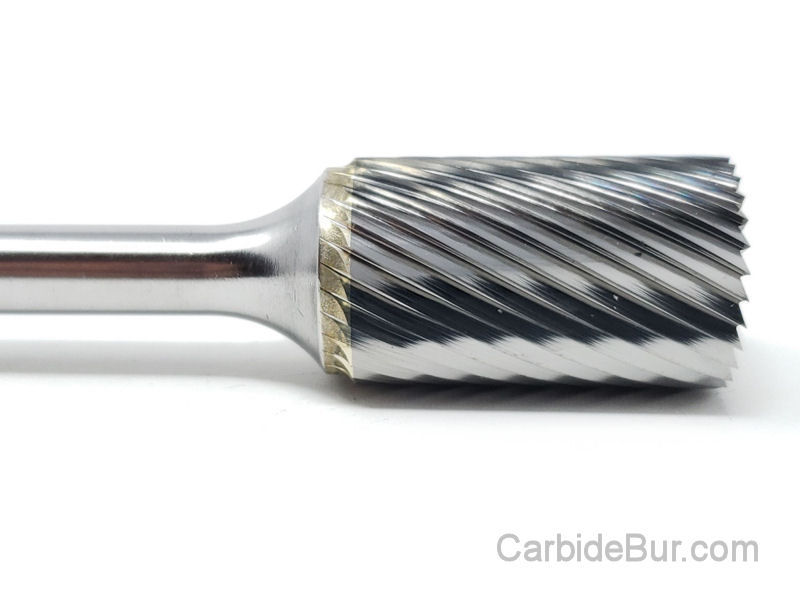
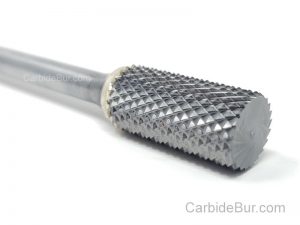
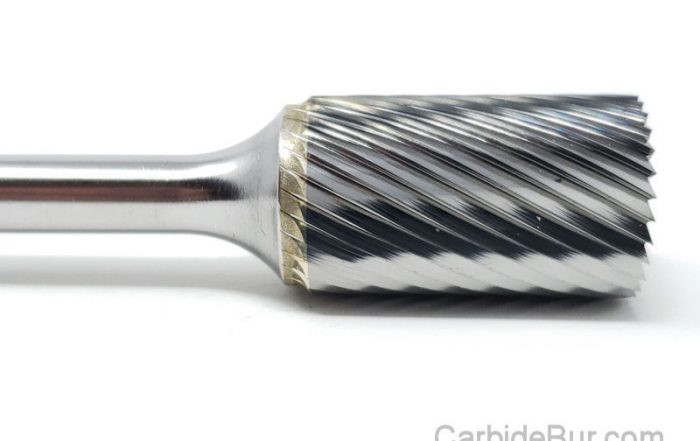
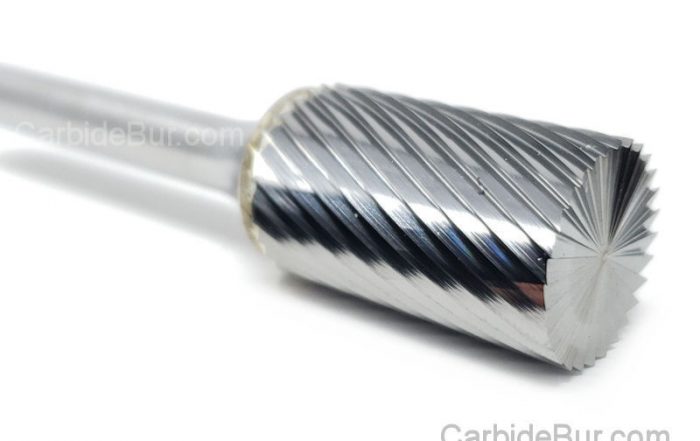
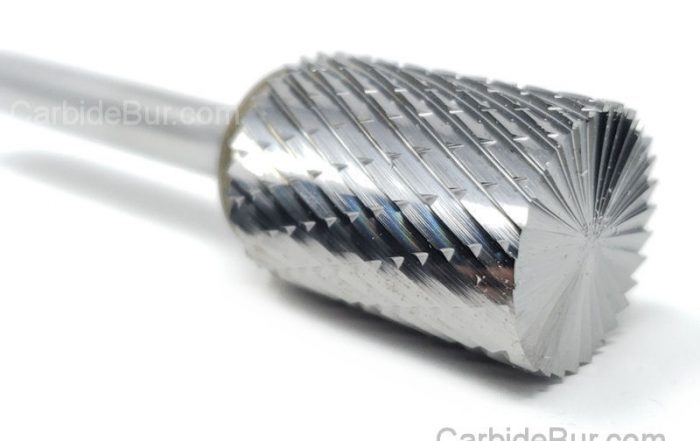
A cylinder carbide burr is a tool used in metalworking and woodworking to shape materials. Its cylindrical shape allows for smooth and controlled cutting. These burrs are typically made from tungsten carbide, a material known for its durability and strength. The cylindrical design ensures consistent contact with surfaces, making it effective for various cutting tasks.
Common Materials Used
Cylinder carbide burrs are predominantly crafted from tungsten carbide. This material is chosen for its ability to withstand high temperatures and resist wear. Tungsten carbide burrs are suitable for cutting hard materials like metal and wood. This makes them a go-to choice for professionals who require reliable tools for their projects.
Types of Cylinder Burrs
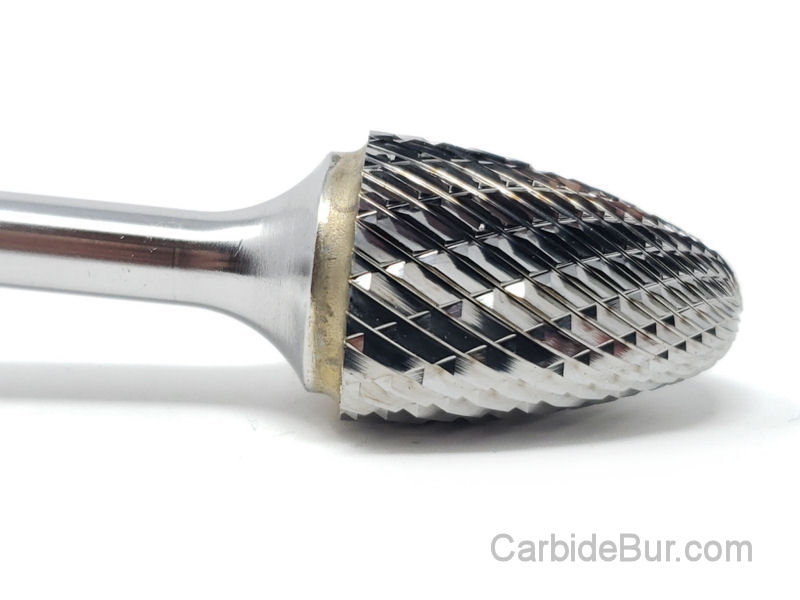
There are several types of cylinder burrs, each designed for specific tasks. You can find single-cut burrs, which are ideal for removing material quickly. Double-cut burrs, on the other hand, offer a finer finish, making them suitable for detailed work. It’s important to choose the right type based on your project requirements for optimal results.
Metalworking Applications
Cylinder carbide burrs shine in metalworking, offering a range of applications from shaping to finishing.
Shaping and Material Removal
When it comes to shaping metal, cylinder carbide burrs stand out. They allow you to remove excess material with precision, making them perfect for creating intricate designs. Whether you’re working on a large or small project, these burrs help maintain accuracy. To learn more about removing material efficiently, visit this guide on material removal in tight spaces.
Precise Cuts for Metal
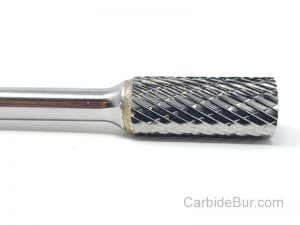
Achieving precise cuts in metal is crucial for many projects. Cylinder carbide burrs excel in this area, ensuring clean and accurate results. Their durable construction allows them to maintain sharpness, reducing the need for frequent replacements. This saves time and effort, making them a smart investment for metalworkers.
Deburring Surfaces
Deburring is an essential step in metalworking to ensure the final product is smooth and professional. Cylinder carbide burrs make this task straightforward. Their design allows for easy removal of rough edges, leaving surfaces smooth to the touch. This not only enhances the appearance but also ensures safety in handling the finished piece.
Woodworking Uses
In woodworking, cylinder carbide burrs offer versatility and precision, making them indispensable tools.
Crafting Precise Cuts in Wood
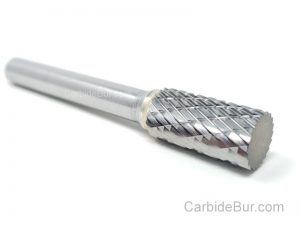
Woodworkers often seek tools that deliver precise and clean cuts. Cylinder carbide burrs fulfill this need by providing smooth and accurate cutting capabilities. Their sharp edges slice through wood effortlessly, allowing for the creation of intricate designs and patterns.
Surface Finishing Techniques
A smooth finish is the hallmark of quality woodworking. Cylinder carbide burrs assist in achieving this by removing imperfections and preparing surfaces for finishing. This ensures that your projects not only look great but also stand the test of time.
Removing Excess Material
Removing excess material efficiently is vital in woodworking projects. Cylinder carbide burrs help streamline this process, making it easier to achieve the desired shape and size. This contributes to faster project completion and a more polished outcome.
Selecting the Right Burr
Choosing the correct cylinder carbide burr is crucial for maximizing productivity and achieving the best results.
Burr Sizes and Cuts
Selecting the right size and cut of a burr is essential for any project. Smaller burrs are ideal for detailed work, while larger ones can handle more material removal. It’s important to match the burr size to your specific needs to optimize performance.
Tool Selection Tips
When choosing a cylinder carbide burr, consider the material you’re working with and the finish you desire. Investing in high-quality burrs ensures longevity and consistent performance. For tips on choosing the right burr, refer to this detailed guide.
Enhancing Productivity and Lifespan
To get the most out of your cylinder carbide burrs, proper maintenance is key. Regular cleaning and correct usage can extend their lifespan significantly. This not only saves money but also enhances the efficiency of your projects.
Benefits of Cylinder Carbide Burrs
The advantages of cylinder carbide burrs extend beyond their cutting capabilities, offering value in various applications.
Versatility in Applications
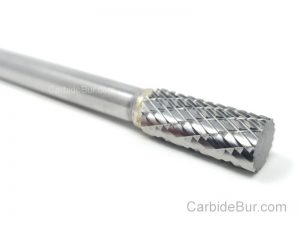
Cylinder carbide burrs are known for their versatility. They can be used for a wide range of tasks, from shaping to deburring. This makes them a valuable addition to any toolkit, whether you’re a professional or a hobbyist.
Achieving Clean and Accurate Results
One of the main benefits of using cylinder carbide burrs is the clean and accurate results they provide. Their design ensures minimal material wastage while delivering precise cuts, enhancing the quality of your projects.
Essential Tool for Professionals and Hobbyists
Both professionals and hobbyists can benefit from the use of cylinder carbide burrs. Their ability to handle various tasks with ease makes them an essential tool in any workshop. Investing in these burrs ensures that you are equipped to handle a wide array of projects.
Frequently Asked Questions
What is a cylinder carbide burr used for?
A cylinder carbide burr is used for shaping, cutting, and finishing materials like metal and wood. It offers precision and durability, making it a preferred tool for various applications.
How do I choose the right cylinder carbide burr?
Consider the material you are working with and the type of cut you need. Smaller burrs are better for detail work, while larger ones are suited for material removal.
Can cylinder carbide burrs be used on wood?
Yes, they are highly effective in woodworking. They help in crafting precise cuts, finishing surfaces, and removing excess material efficiently.
What materials are cylinder carbide burrs made from?
They are typically made from tungsten carbide, known for its strength and ability to withstand high temperatures.
How do I maintain my cylinder carbide burrs?
Regular cleaning and proper storage are essential. Avoid overheating and use the appropriate speed settings to prolong their lifespan.
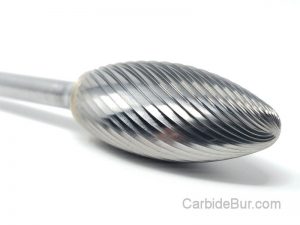
Looking for Carbide Bur Tools?
Check out our entire selection of USA made carbide bur die grinder tool bits
Follow us on Twitter

Return to CarbideBur.com
Carbide Burs – 1/4″ on 1/8″ Shanks – Accessories – Aluminum Cut – Bur Sets – End Mills – Long Shank – Solid Burs
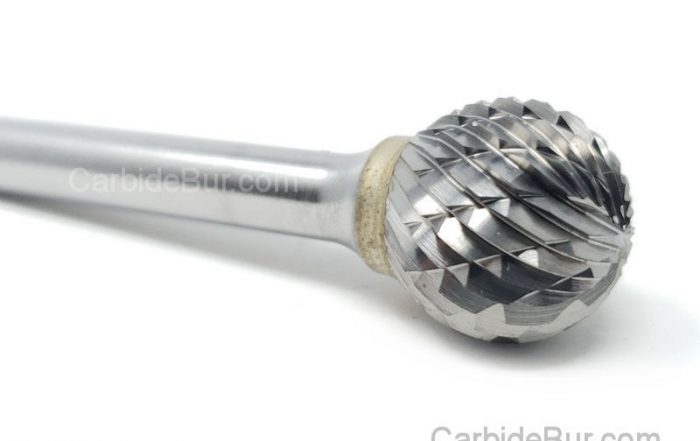
Carbide Burr vs. Grinding Stone: Which Is Better for Metal Removal?
Carbide Burr vs. Grinding Stone: Which Is Better for Metal Removal? When you need to remove metal, smooth a rough edge, or shape a metal component, two common options are carbide burrs and grinding stones. [...]
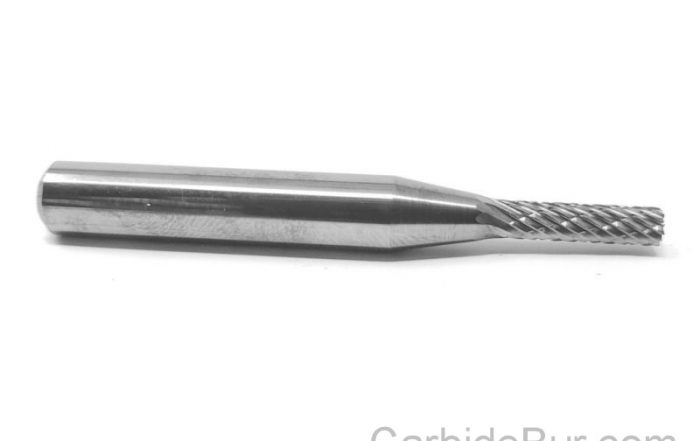
Carbide Burr Safety: RPM, Eye Protection, and Common Mistakes
Carbide Burr Safety: RPM, Eye Protection, and Common Mistakes Carbide burrs are versatile cutting tools used for metal fabrication, welding cleanup, engine porting, deburring, and general material removal. When used correctly, they can help remove [...]
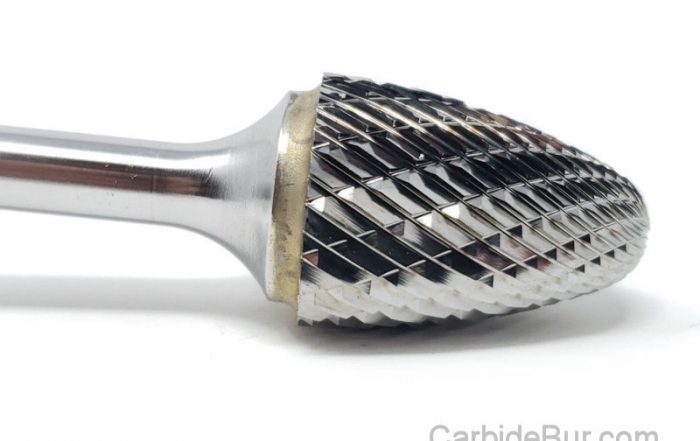
How to Stop Aluminum from Clogging Your Carbide Burr
How to Stop Aluminum from Clogging Your Carbide Burr Aluminum is widely used in automotive work, welding, metal fabrication, aerospace components, and general machining. It is lightweight, relatively easy to machine, and versatile across many [...]
Carbide Burrs for Intake Manifolds: Shaping, Cleanup, and Fitment
Carbide Burrs for Intake Manifolds: Shaping, Cleanup, and Fitment Intake manifold work often involves more than simply bolting a component onto an engine. Depending on the application, metal intake components may have casting irregularities, rough [...]
Why Long-Shank Carbide Burrs Are Useful for Hard-to-Reach Areas
Why Long-Shank Carbide Burrs Are Useful for Hard-to-Reach Areas When working on metal parts, the area that needs grinding or shaping is not always easy to reach. Recessed openings, deep cavities, interior surfaces, and complicated [...]
Choosing Carbide Burrs for Stainless Steel Fabrication
Choosing Carbide Burrs for Stainless Steel Fabrication Stainless steel is widely used in fabrication because of its corrosion resistance, strength, and durability. However, those same properties can make it challenging to machine and finish. Removing [...]
Can You Use Carbide Burrs in a Dremel? Shank Sizes Explained
Can You Use Carbide Burrs in a Dremel? Shank Sizes Explained If you use a Dremel or another rotary tool for detail work, metal shaping, or small fabrication projects, you may wonder whether you can [...]
How to Choose the Best Carbide Burr for Welding and Metal Fabrication
How to Choose the Best Carbide Burr for Welding and Metal Fabrication Welding and metal fabrication often require more than joining two pieces of metal together. Once the welding is finished, fabricators frequently need to [...]
Carbide Burrs for Cylinder Heads: What Automotive Enthusiasts Need to Know
Carbide Burrs for Cylinder Heads: What Automotive Enthusiasts Need to Know Cylinder head work is an important part of engine building, restoration, and performance machining. Whether you are cleaning up casting imperfections, refining port surfaces, [...]
Engine Porting 101: How Carbide Burrs Help Shape Cylinder Head Ports
Engine Porting 101: How Carbide Burrs Help Shape Cylinder Head Ports Engine performance enthusiasts, automotive machinists, and engine builders often look for ways to improve airflow through an engine's cylinder heads. One technique used in [...]
When to Use a 4-Inch or 9-Inch Die Grinder Extension
When to Use a 4-Inch or 9-Inch Die Grinder Extension Metal fabrication, welding, automotive repair, and engine building often require working in places where a standard die grinder and carbide burr cannot easily reach. Recessed [...]
Why Buy USA-Made Carbide Burr Tools? What Buyers Should Compare
Why Buy USA-Made Carbide Burr Tools? What Buyers Should Compare When shopping for carbide burr tools, it's tempting to compare products based on price alone. However, professionals who use rotary cutting tools for welding, metal [...]