How Deep Can a Carbide Burr Cut Metal?
Carbide burrs often get praised for their precision, but many users hit a wall wondering how deep they can actually cut metal. The truth is, cutting depth depends on more than just the burr itself — factors like burr design, size, and metal hardness play major roles. In this post, you’ll get clear insights on carbide burr cutting depth and practical tips to boost your tool performance without wearing it down. Let’s get your metalworking projects cutting sharper and smarter. For further reading, check out this guide on choosing the best carbide burr tool for your material and application.
Understanding Carbide Burrs
To master metal cutting, understanding carbide burrs is essential. These tools stand out for their precision and versatility in metalworking.
Carbide Burr Basics
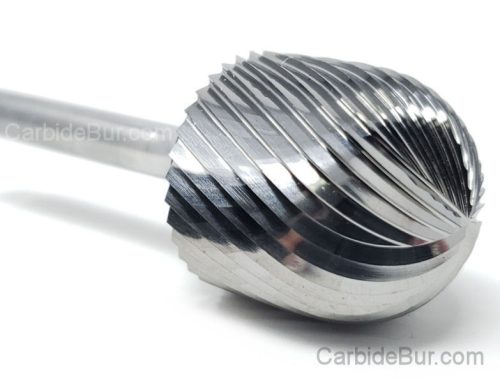
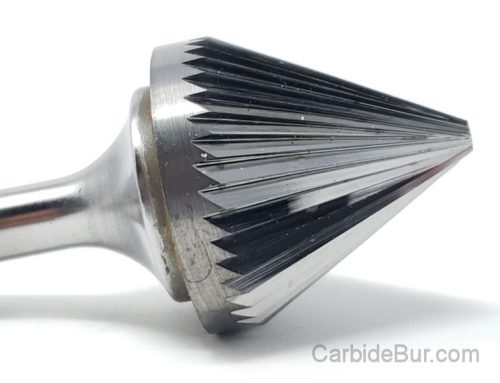
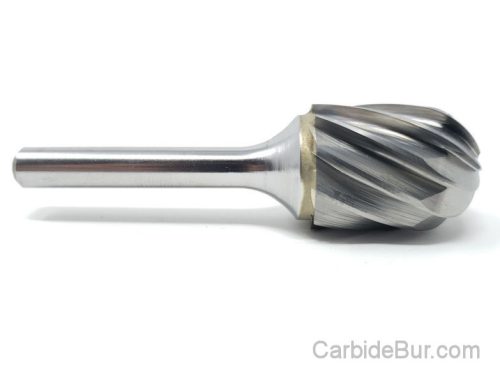
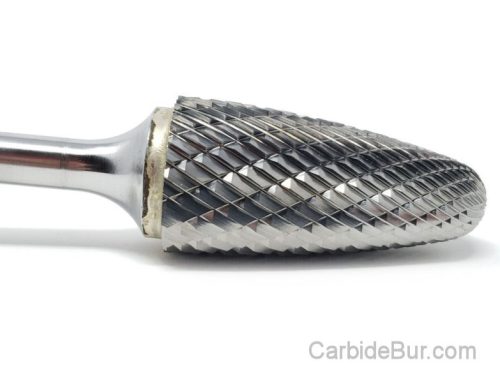
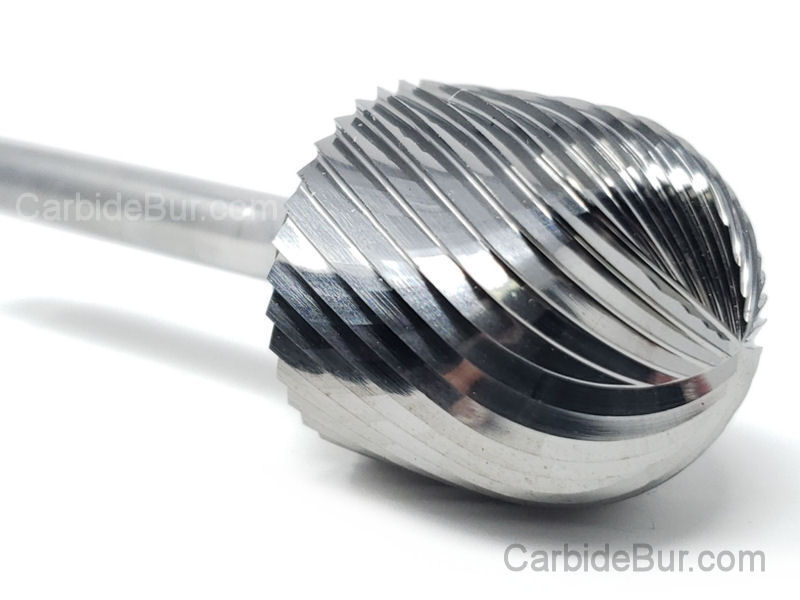
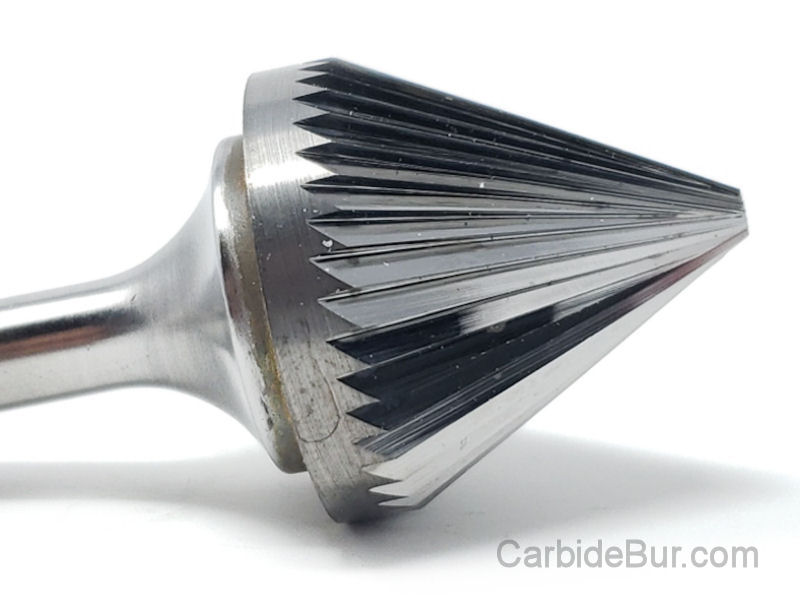
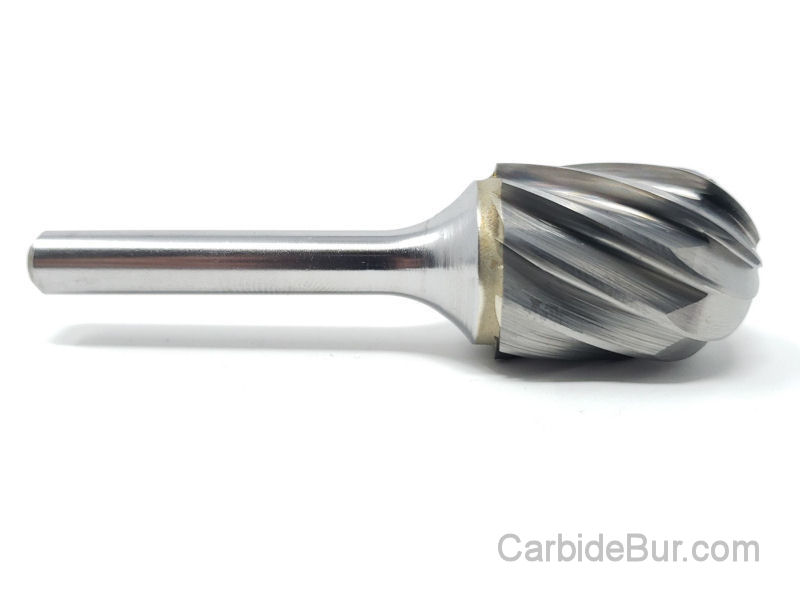
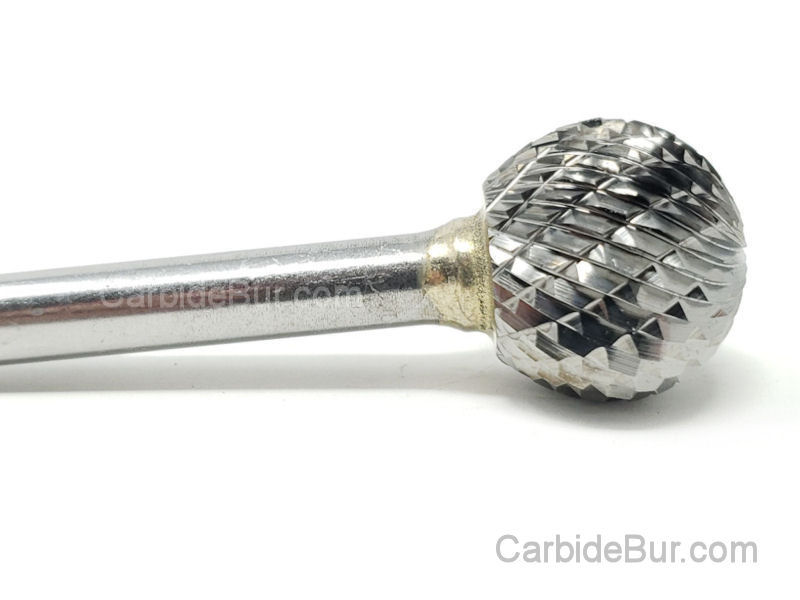
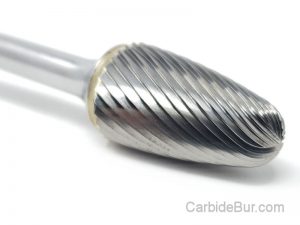
Carbide burrs are rotary tools used to shape, grind, and cut metal. Made from tungsten carbide, they offer durability and strength. They can handle various materials: steel, aluminum, and even harder metals. Their design features sharp cutting edges that ensure efficient material removal. You can use them for intricate detailing or heavy-duty cutting, making them a staple in any machinist’s toolkit.
Types of Carbide Burrs
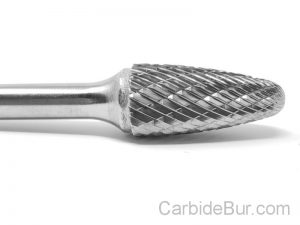
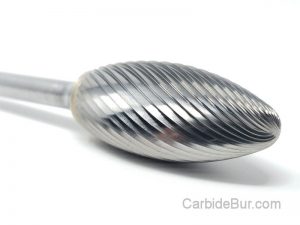
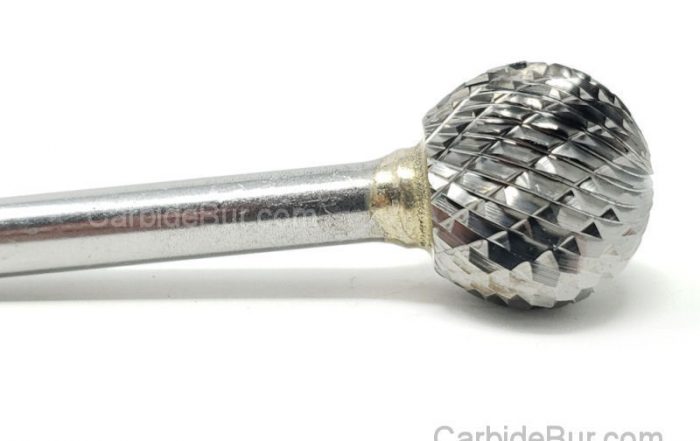
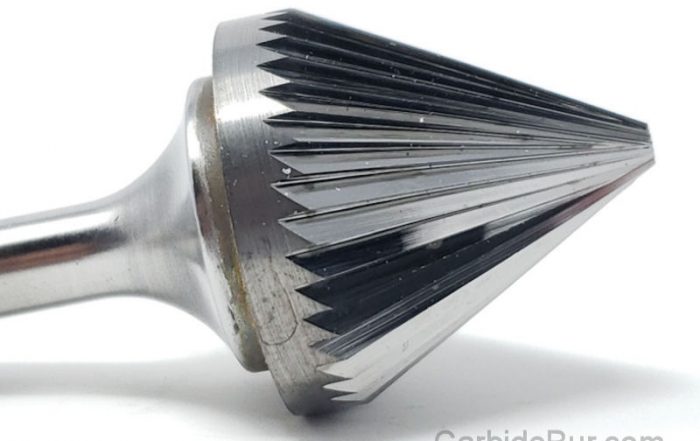
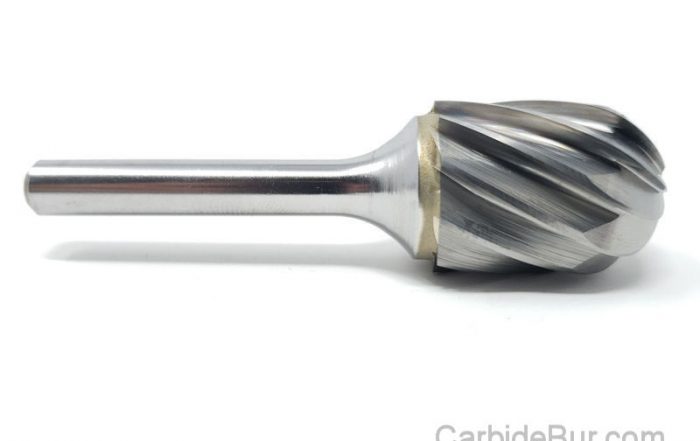
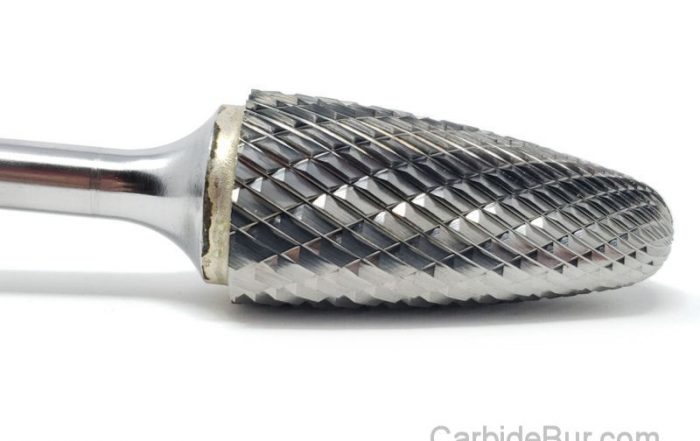
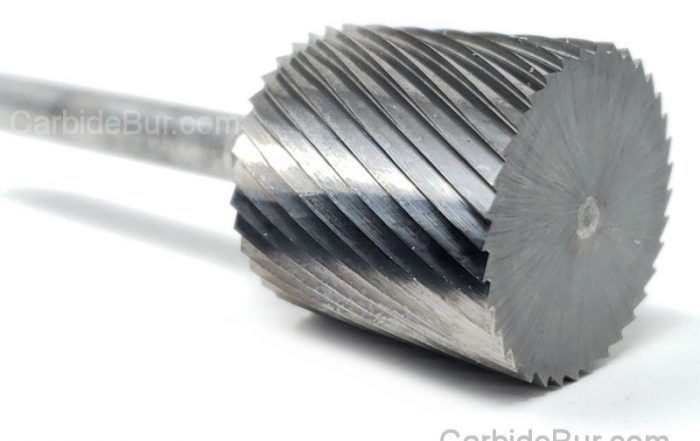
There are many types of carbide burrs, each designed for specific tasks. You might use a cylinder shape for flat surfaces or a ball shape for rounded edges. The choice depends on your project needs. For instance, pointed burrs excel in tight spots, while flame-shaped burrs are perfect for complex curves. Understanding these differences helps you select the right tool for the job. Explore more about crafting carbide burrs to enhance your projects.
Popular Applications
Carbide burrs find applications in various industries. They’re used in automotive, aerospace, metal sculpture, and even dentistry. Whether you’re smoothing welds or engraving details, carbide burrs deliver results. Most people think they’re just for cutting, but they also excel in deburring and polishing tasks. This versatility makes them indispensable for professionals and hobbyists alike.
Factors Affecting Cutting Depth
Now that you’ve grasped the basics, let’s delve into what influences cutting depth. It’s more than just the burr type or metal grade.
Burr Design and Size
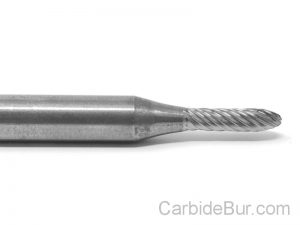
The design and size of your burr directly impact cutting depth. Larger burrs remove more material, while smaller ones offer precision. A coarse tooth design cuts quicker, but a fine tooth provides a smoother finish. Selecting the right combination is key to achieving desired results. Always consider the metal type and the task at hand when making your choice.
Material Hardness
The hardness of the material being cut greatly affects how deep a burr can cut. Softer metals like aluminum allow for deeper cuts, while harder ones like stainless steel require more patience. It’s crucial to match your burr type with the metal’s hardness. This ensures efficiency and extends the life of your tool. For more tips on selecting the best burrs for different metals, visit this guide on carbide burrs for stainless steel.
Role of Technique
Your technique plays a vital role in cutting depth. Applying too much pressure can wear out the burr quickly. Gentle, controlled movements yield better results and prolong tool life. Consistency in your approach ensures smooth cuts and prevents damage to both the tool and the workpiece. Practice makes perfect, so focus on honing your skills.
Optimizing Tool Performance
Enhancing your tool’s performance ensures efficient and effective cutting. Let’s explore methods to achieve this.
Speed and Feed Rates
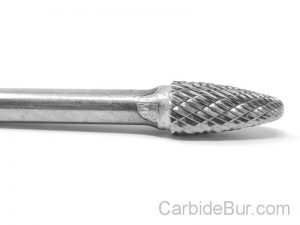
Maintaining the right speed and feed rate is crucial. High speeds can shorten tool life, while low speeds may lead to poor cuts. Adjusting the feed rate ensures optimal performance. Experiment with settings to find the perfect balance for your project. Remember, patience and precision are your allies.
Ensuring Burr Longevity
To get the most out of your burrs, proper care is essential. Regular cleaning prevents clogging and maintains sharpness. Store your burrs in a dry, safe place to avoid damage. A well-maintained tool remains sharp and effective, saving you time and money.
Maintaining Tool Efficiency
For efficient tool use, keep your workspace organized. An orderly setup allows quick access to tools and reduces downtime. Regular inspections help identify wear and tear early, preventing unexpected failures. Keeping efficiency top of mind boosts productivity and project outcomes.
Practical Cutting Tips
Equipping yourself with practical tips can further enhance your cutting skills. Here’s what you need to know.
Maximizing Cutting Depth
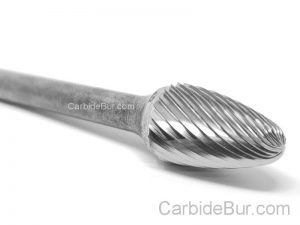
To achieve maximum cutting depth, choose the right burr for your material and task. Use a steady hand and apply consistent pressure. Monitor your progress, adjusting as needed to maintain control. These steps ensure precision and prevent mishaps.
Safety Precautions
Safety should never be compromised. Always wear protective gear: goggles, gloves, and a mask. Secure your workpiece properly to avoid accidents. Stay focused and aware of your surroundings. Safety is paramount for successful metalworking.
Troubleshooting Common Issues
Encountering issues is part of the learning process. If your cuts are uneven, check burr sharpness and tool alignment. Slow progress might indicate a dull burr or incorrect speed settings. Addressing these problems promptly ensures smooth operations.
Choosing the Right Burr
Selecting the perfect burr involves considering several factors. Let’s explore how to make informed choices.
Selecting for Specific Metals
Different metals require different burrs. For soft metals, a coarse-cut burr works best. Harder metals demand finer teeth for precision. Matching the burr to the metal ensures efficiency and optimal results. This tailored approach prevents tool wear and enhances performance.
Comparing Burr Brands
Brand choice affects tool quality and longevity. Invest in reputable brands renowned for durability and performance. Research and compare options based on reviews and recommendations. A reliable brand offers consistent results and peace of mind. Learn more about choosing the right carbide burrs.
Cost vs. Quality Analysis
Balancing cost and quality is essential. While cheaper burrs may save money upfront, they often wear out quickly. Investing in high-quality burrs pays off in the long run, offering better performance and durability. Make informed decisions to maximize value and efficiency.
Frequently Asked Questions
How deep can a carbide burr cut metal?
The cutting depth depends on the burr design, size, and material hardness. Selecting the right burr and applying the correct technique ensures optimal results.
What are carbide burrs used for?
Carbide burrs are versatile tools used for shaping, grinding, and cutting metals. They’re popular in industries like automotive, aerospace, and metal sculpture.
How do you maintain carbide burrs?
Regular cleaning, proper storage, and gentle handling prolong the life of your burrs. Keeping them sharp ensures efficient performance.
What types of carbide burrs are available?
There are various types, each designed for specific tasks. Common shapes include cylinder, ball, and flame, catering to different cutting needs.
How do I choose the right burr for my project?
Consider the metal type and task requirements. Match the burr’s size and design to the material’s hardness for efficient and effective cuts.
Looking for Carbide Bur Tools?
Check out our entire selection of USA made carbide bur die grinder tool bits
Follow us on Twitter

Return to CarbideBur.com
Carbide Burs – 1/4″ on 1/8″ Shanks – Accessories – Aluminum Cut – Bur Sets – End Mills – Long Shank – Solid Burs
How Deep Can a Carbide Burr Cut Metal?
How Deep Can a Carbide Burr Cut Metal? Carbide burrs often get praised for their precision, but many users hit a wall wondering how deep they can actually cut metal. The truth is, cutting depth [...]
How to Use Carbide Burrs for Port Matching
How to Use Carbide Burrs for Port Matching Most engine builds hit a wall when airflow doesn’t flow smoothly between the ports and manifolds. If your engine isn’t breathing right, your performance stalls. Using the [...]
Best Carbide Burr for Porting Intake Manifolds
Best Carbide Burr for Porting Intake Manifolds Porting intake manifolds can make or break your engine’s airflow, yet many struggle with the right tools for the job. Choosing the best carbide burrs is key to [...]
Best Carbide Burr for Concave Surfaces
Best Carbide Burr for Concave Surfaces Concave surfaces can turn a straightforward project into a frustrating challenge if you don’t have the right tool. Carbide burrs designed for these tricky curves make all the difference [...]
How to Grind a Slot in Metal With a Carbide Burr
How to Grind a Slot in Metal With a Carbide Burr Grinding a precise slot in metal can feel like a tricky task, especially if you’re unsure which tools to trust. Carbide burr grinding offers [...]

Best Carbide Burr for Inside Corners
Best Carbide Burr for Inside Corners Working in tight inside corners can turn even simple projects into frustrating tasks. Many carbide burrs just don’t fit or cut cleanly where you need them most. The best [...]
What Size Carbide Burr Do I Need?
What Size Carbide Burr Do I Need? Picking the wrong carbide burr can turn a simple project into a frustrating mess. You might have the best machining tools but still miss the mark if your [...]
How to Smooth Sharp Metal Edges With a Carbide Burr
How to Smooth Sharp Metal Edges With a Carbide Burr Sharp metal edges can turn your project from professional to risky in seconds. If you’ve struggled with smoothing metal edges without scratching or weakening the [...]

Best Carbide Burr for Porting and Polishing Engine Heads
Best Carbide Burr for Porting and Polishing Engine Heads You’ve spent hours porting engine heads, only to find the finish isn’t quite right. Choosing the right carbide burr for porting and polishing can make all [...]
What Is a Cylinder Carbide Burr Used For?
What Is a Cylinder Carbide Burr Used For? Most metalworking tools and woodworking tools promise precision but fall short when handling tough shaping and finishing tasks. If you’ve struggled with rough edges or uneven cuts, [...]
How to Clean and Maintain Carbide Burrs
How to Clean and Maintain Carbide Burrs Carbide burrs can lose their edge fast if you don’t clean them right. You might be wasting time and money by letting debris build up and dull your [...]
Carbide Burr vs. Grinding Wheel: Which Is Better for Metal?
Carbide Burr vs. Grinding Wheel: Which Is Better for Metal? Choosing the right metalworking tools can make or break your project, but picking between a carbide burr and a grinding wheel often leaves you stuck. [...]