Can You Use a Carbide Burr With an Electric Die Grinder?
Most people don’t realize how much a carbide burr can change the way an electric die grinder works. Using the right burr type can make a huge difference in cutting performance and precision. In this post, you’ll find practical tips on selecting carbide burrs, adjusting your tool’s speed, and staying safe while getting the best results from your metalworking tools. Learn more about carbide burrs here.
Understanding Carbide Burrs
Carbide burrs are essential in the world of metalworking. They offer versatility and precision, enhancing the capabilities of your electric die grinder.
What Are Carbide Burrs?
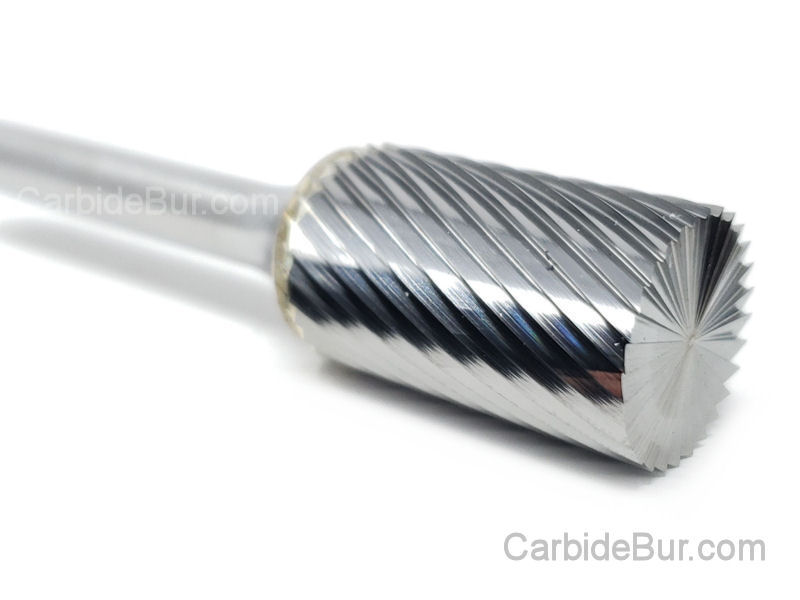
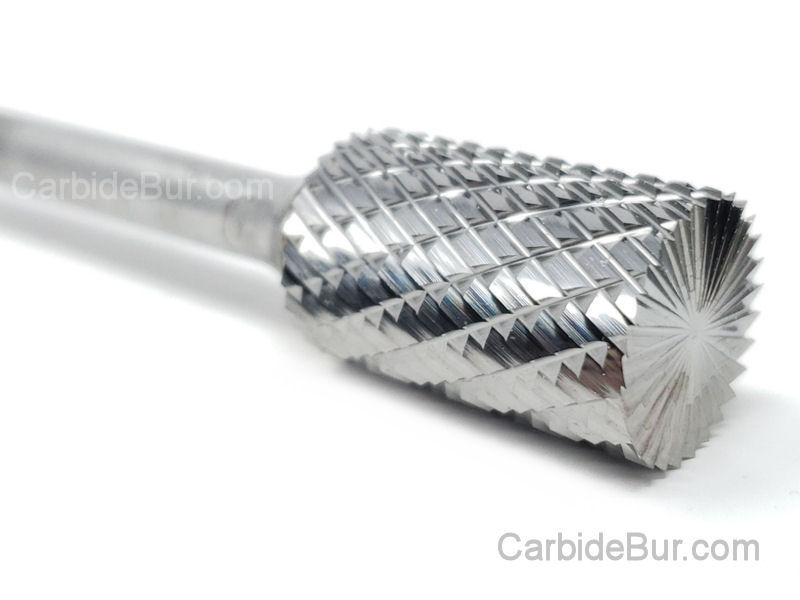
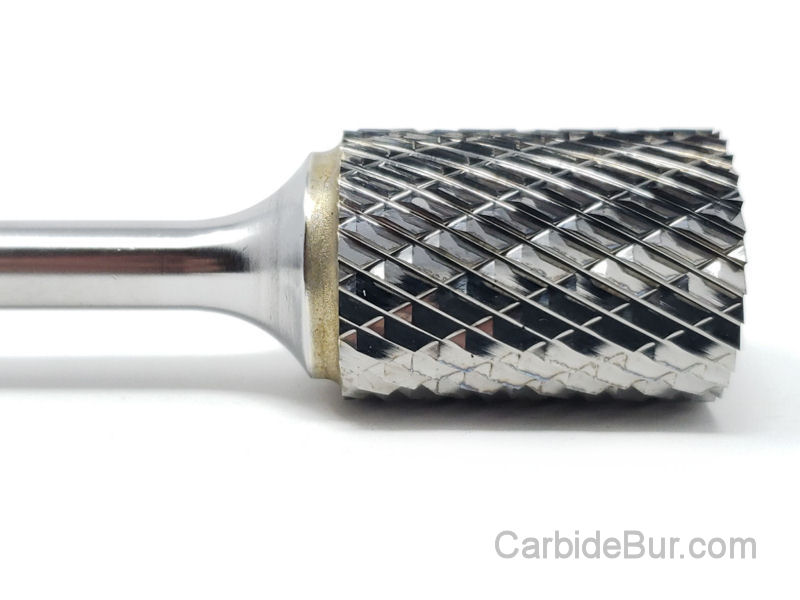
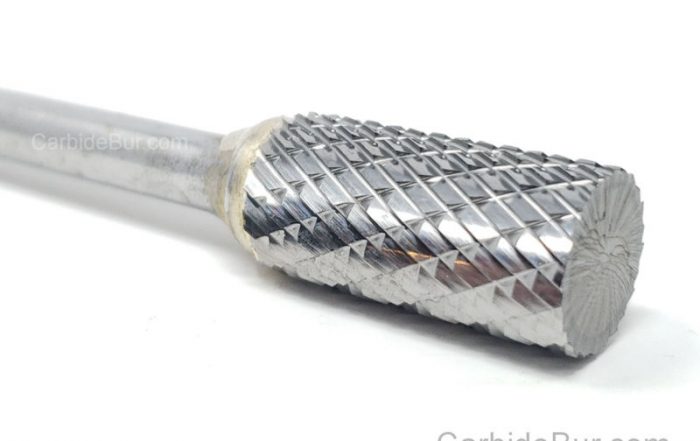
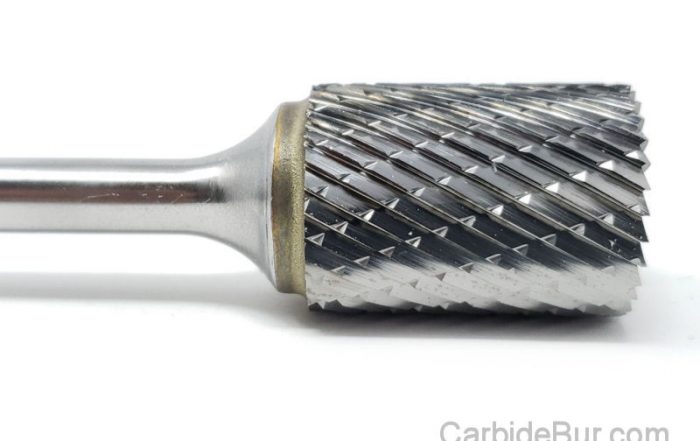
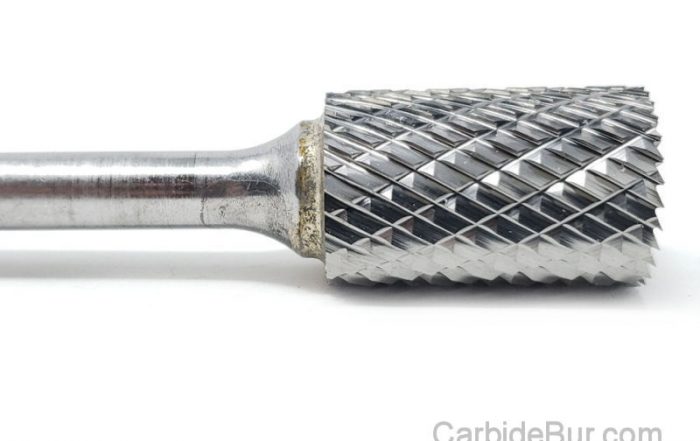
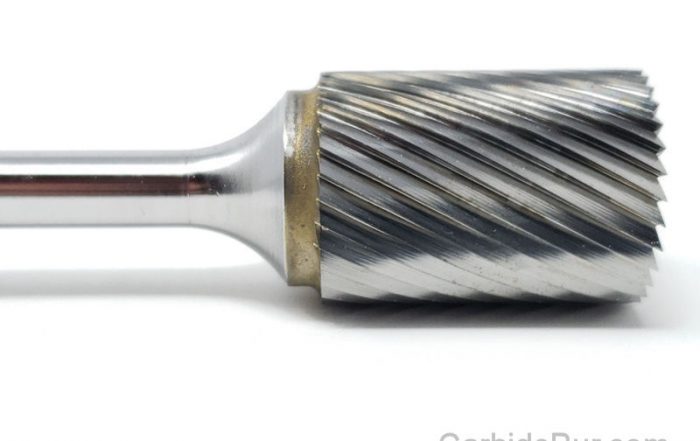
Carbide burrs are small, rotating tools made from tungsten carbide. This material is incredibly hard, ensuring the burrs can cut through a variety of metals. They come in different shapes and sizes, each designed for specific tasks. For example, some burrs are meant for cutting, while others are better for deburring or polishing. The right choice depends on the task at hand.
Different Types of Burrs
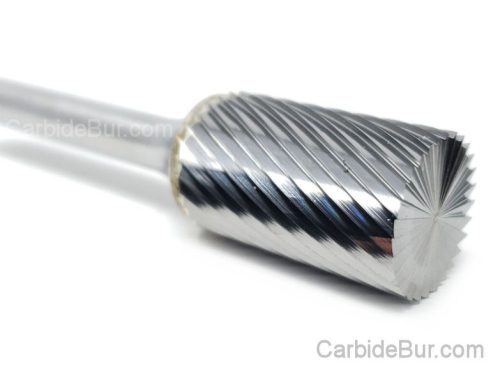
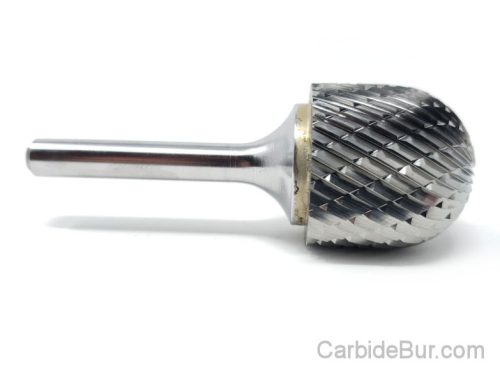
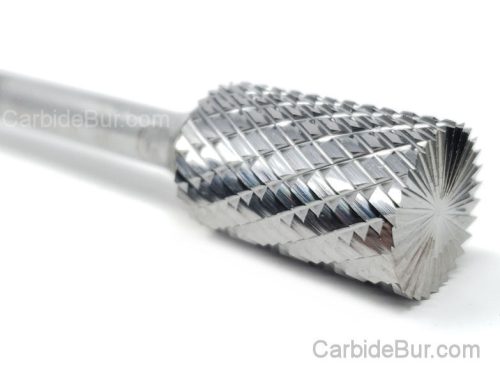
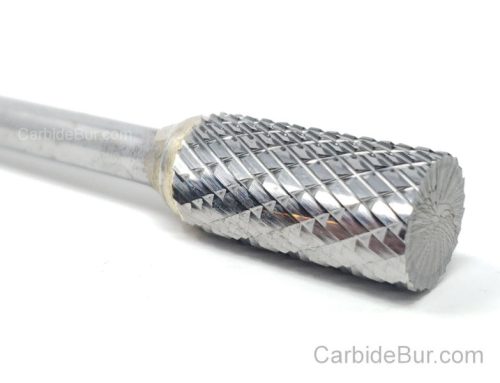
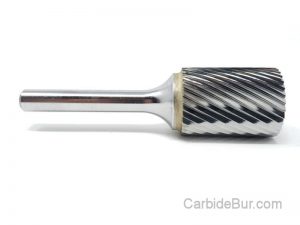
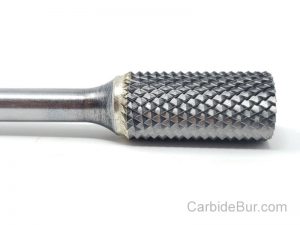
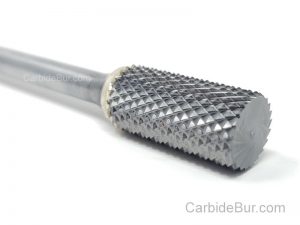
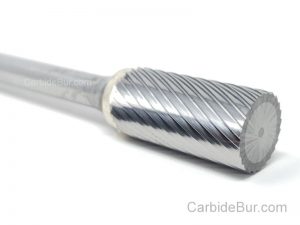
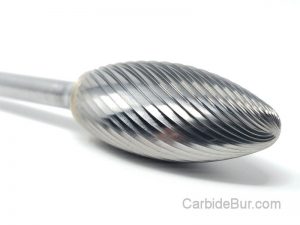
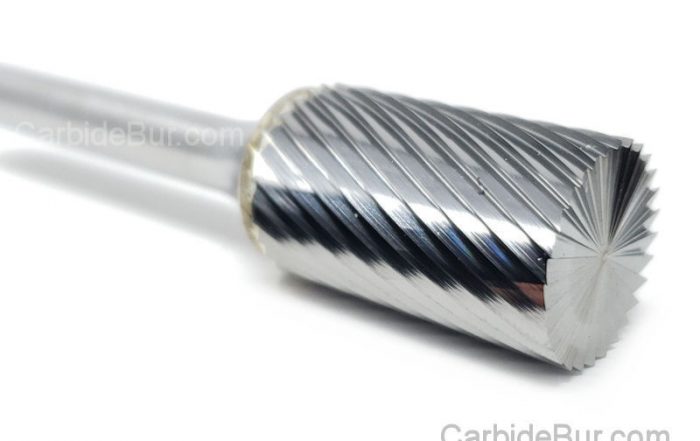
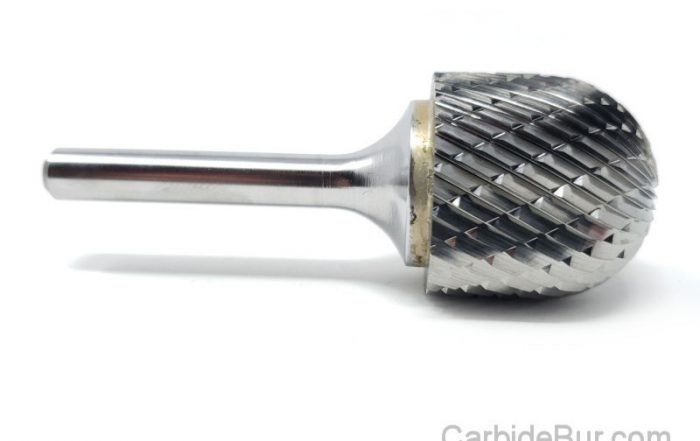
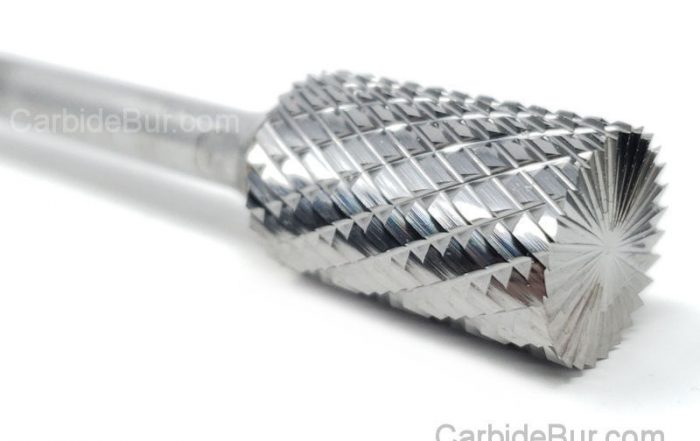
There are numerous types of carbide burrs, each suited for different applications. Cylindrical burrs are perfect for surface grinding and contouring. Ball-shaped burrs allow for more precise detailing in harder-to-reach areas. Meanwhile, pointed burrs are excellent for fine engraving work. Knowing these types helps in selecting the best burr for your project.
Ideal Burrs for Die Grinders
Choosing the right burr for your electric die grinder can significantly improve your work. Look for burrs specifically designed for die grinders, as they tend to have optimal strength and durability. These burrs usually feature a unique shape or flute design, enhancing their cutting efficiency. Remember, the right burr can make your tool more effective and save you time.
Using an Electric Die Grinder
An electric die grinder is a versatile tool when paired with the right burr. Understanding how to adjust and utilize it can maximize your results.
Adjusting Speed Settings
Speed settings are crucial when using an electric die grinder. Most grinders come with adjustable speeds, allowing you to tailor the tool’s performance to your needs. For softer materials, a slower speed works best, reducing the risk of damage. Conversely, harder materials require faster speeds to cut effectively. Adjusting the speed correctly ensures a smooth, precise finish.
Optimal Cutting Performance
For optimal cutting performance, using the right burr with the correct speed is essential. Make sure your burr is securely attached to the grinder. This prevents wobbling and ensures clean cuts. Regularly check your burr for wear and tear, as a dull burr can damage your workpiece.
Die Grinder Safety Tips
Safety should always be a priority when operating a die grinder. Always wear protective gear, including goggles and gloves, to shield yourself from flying debris. Keep a firm grip on the grinder, and never apply excessive pressure, as this can cause the tool to slip or overheat. For more safety tips, visit this guide on protecting yourself while using die grinders.
Selecting the Right Carbide Burr
Choosing the right carbide burr involves considering the material and the task you are working on. This ensures efficiency and precision.
Choosing for Different Materials
Different materials require different burrs. For instance, use a burr with coarser flutes for hard metals like steel. Softer metals, such as aluminum, benefit from burrs with finer flutes to prevent clogging. Understanding the material’s properties can help you make the right choice.
Applications and Benefits
Carbide burrs are used in various industries, from automotive to jewelry-making. They offer fast material removal and a smooth finish, making them ideal for detailed work. The benefits include increased efficiency, precision, and a longer tool lifespan, enhancing your projects’ overall quality.
Tips for Efficient Results
To achieve efficient results, keep your burrs clean and sharp. This can be done with regular maintenance, such as using a wire brush to remove debris. Additionally, practice proper technique by applying consistent pressure and maintaining the right angle. These habits ensure your burrs perform at their best.
Safety and Maintenance
Maintaining your tools and practicing safety measures will extend the life of your die grinder and carbide burrs.
Essential Safety Gear
Always wear essential safety gear when using power tools. This includes safety goggles, gloves, and a dust mask. These items protect you from potential hazards like flying metal shards and dust inhalation. Prioritizing safety gear minimizes the risk of injury.
Proper Handling Techniques
Proper handling techniques are vital for safe grinder use. Hold the grinder with both hands to maintain control. Always operate in a well-lit area, ensuring you can see your work clearly. Avoid overreaching, which can lead to accidents or loss of control over the tool.
Maintenance for Longevity
Regular maintenance ensures your tools operate smoothly. Clean your carbide burrs after each use to remove metal shavings. Check for wear and replace burrs when they become dull. Consistent maintenance keeps your tools in top condition, extending their lifespan.
Practical Applications and Tips
Using a carbide burr with an electric die grinder opens up a world of possibilities in metalworking and crafting.
Metalworking Projects
Carbide burrs are invaluable for metalworking projects. They allow you to shape, grind, and polish metal surfaces efficiently. Whether you’re working on steel or aluminum, these burrs provide the precision needed for intricate designs and finishes.
Crafting with Precision
For crafting with precision, carbide burrs offer unmatched detail work. They excel in creating fine engravings or intricate patterns, perfect for artists and jewelers. Their ability to handle delicate tasks makes them a go-to tool for precision crafting.
Enhancing Your DIY Skills
Enhancing your DIY skills is easy with the right tools. Carbide burrs empower you to handle detailed projects with confidence. Experiment with different burr types to discover new techniques and improve your craftsmanship. As you gain experience, your projects will reflect your growing skills and creativity.
Frequently Asked Questions
What are carbide burrs used for?
Carbide burrs are used for cutting, shaping, grinding, and removing sharp edges in metalworking. They are versatile tools that work on various materials like steel, aluminum, and wood.
How do you choose the right carbide burr for different materials?
Choose a burr with coarser flutes for hard metals and finer flutes for softer metals. Understanding the material’s properties helps in selecting the most efficient burr for your task.
Why is adjusting speed important when using a die grinder?
Adjusting the speed is important because it ensures the grinder is suited to the material being worked on. Proper speed prevents overheating and ensures a smooth finish.
What safety gear is essential when using a die grinder?
Essential safety gear includes safety goggles, gloves, and a dust mask. These protect against metal shards, debris, and dust inhalation, reducing the risk of injury.
How often should you maintain your carbide burrs?
Maintain your carbide burrs after each use by cleaning them to remove debris. Regular checks for wear ensure they remain sharp and effective, prolonging their lifespan.
Looking for Carbide Bur Tools?
Check out our entire selection of USA made carbide bur die grinder tool bits
Follow us on Twitter

Return to CarbideBur.com
Carbide Burs – 1/4″ on 1/8″ Shanks – Accessories – Aluminum Cut – Bur Sets – End Mills – Long Shank – Solid Burs
Unlocking the Secrets of Burr Shape Optimization for Aluminum
Unlocking the Secrets of Burr Shape Optimization for Aluminum Carbide burrs clogging during aluminum cutting can bring your project to a frustrating halt. You’ve seen how the soft, chip-forming nature of aluminum turns your tools [...]
Enhance Your Metalworking Skills: Top Benefits of Long-Reach Carbide Burrs
Enhance Your Metalworking Skills: Top Benefits of Long-Reach Carbide Burrs Grinding tight spots often feels impossible with standard tools. You waste time twisting and turning, trying to reach every corner without scratching your work. Long-reach [...]
Comparing Electric and Pneumatic Die Grinders with Carbide Burrs
Power and Precision: Comparing Electric and Pneumatic Die Grinders with Carbide Burrs Choosing the right die grinder for your carbide burrs can feel like a maze. Electric die grinders promise power at your fingertips, while [...]
The Top Tools Driving the Future of Aerospace Machining
The Top Tools Driving the Future of Aerospace Machining The demand for aerospace machining has surged, pushing manufacturers to deliver high-precision metal parts faster than ever. Meeting tight standards while cutting lead times in aerospace [...]
Mastering Carbide Burrs for Enhanced Engine Performance
Beginner's Guide to Engine Porting: Mastering Carbide Burrs for Enhanced Engine Performance Most beginners think engine porting is just about grinding metal. The truth is, mastering carbide burrs can change how air moves through your [...]
Unveiling the Secrets of Burr Cutting Efficiency: Double-Cut or Single-Cut?
Unveiling the Secrets of Burr Cutting Efficiency: Double-Cut or Single-Cut? Most metalworkers hit a wall choosing between double-cut carbide burrs and single-cut carbide burrs. Picking the wrong one can slow your work or wear your [...]
How Specialized Carbide Burrs Are Revolutionizing Aluminum Fabrication for Cleaner Cuts
How Specialized Carbide Burrs Are Revolutionizing Aluminum Fabrication for Cleaner Cuts Most aluminum fabricators still wrestle with rough edges and extra cleanup after machining. Those extra steps cost you time and eat into your profits. [...]
U.S. Manufacturing Reshoring: The Role of Domestic Tool Suppliers in 2026
U.S. Manufacturing Reshoring: The Role of Domestic Tool Suppliers in 2026 U.S. manufacturing is shifting closer to home faster than many expected. By 2026, reshoring trends are reshaping how supply chains function, with domestic tool [...]
From Casting Flash to Weld Blending: Essential Techniques for 2026
From Casting Flash to Weld Blending: Essential Techniques for 2026 Forget the old ways of finishing parts in automotive production. As electric vehicles and autonomous vehicle production grow, the need for precise deburring processes and [...]
Understanding the Surge in Cutting Tool Costs and Effective Waste Reduction in Machining
Understanding the Surge in Cutting Tool Costs and Effective Waste Reduction in Machining Cutting tool costs have jumped noticeably in recent years, squeezing machine shop budgets tighter than ever. Raw material scarcity and supply chain [...]
Choosing the Right Carbide Burr Shape for Your Metalworking Projects
Choosing the Right Carbide Burr Shape for Your Metalworking Projects You might think all carbide burr shapes do the same job, but that’s far from true. Choosing the wrong shape can waste time and leave [...]
U.S. Cutting Tool Shipments Reach New Heights
U.S. Cutting Tool Shipments Reach New Heights: What It Means for Manufacturing Professionals U.S. cutting tool shipments soared to $278.1 million in July 2026, marking a 29% jump from last year. If you’re in fabrication [...]