How to Use 1/8-Inch Rotary Bits with a Die Grinder
Die grinders are popular tools for metalworking, fabrication, deburring, and precision material removal. However, many die grinders use a 1/4-inch collet, while smaller rotary tools commonly use accessories with a 1/8-inch shank. If you want to use smaller rotary bits with a die grinder, you need to make sure the shank, collet, and any adapter are compatible.
A 1/8 inch carbide burr adapter can provide a solution when you want to use compatible 1/8-inch-shank rotary bits in a die grinder designed to accept an appropriate reducing adapter. The key is choosing the correct adapter and verifying that the complete tool setup is rated for the intended application.
In this guide, we’ll explain shank diameters, collet sizes, reducing adapters, and the safety checks you should complete before using smaller rotary bits in a die grinder.

Do you need a longer reach for your die grinder tool bits?
1. Understand the Difference Between 1/8-Inch and 1/4-Inch Shanks
The shank is the straight portion of a rotary bit that fits into the tool’s collet. The collet grips the shank and holds the accessory in place while the motor rotates it.
Two common shank diameters are:
- 1/8 inch (3.175 mm): Common on small rotary-tool accessories, including many miniature carbide burrs and grinding accessories.
- 1/4 inch (6.35 mm): Common on carbide burrs designed for many die grinders.
Although these measurements may look similar, the difference is important. A 1/8-inch shank cannot be assumed to fit securely in a collet intended for a 1/4-inch shank.
Trying to clamp an undersized shank directly in an incompatible collet can result in poor gripping, slipping, vibration, or the accessory coming loose during operation.
Never rely on tightening the collet harder to compensate for an incorrect shank diameter. Use a compatible collet or a properly designed reducing adapter.
2. What Is a 1/8-Inch Carbide Burr Adapter?
A reducing collet adapter is designed to help accommodate a smaller shank in a tool setup that accepts the adapter’s larger outside diameter. In the right configuration, it allows a compatible 1/8-inch-shank accessory to be held by a die grinder that supports the adapter.
For example, a die grinder may have a collet system intended for 1/4-inch-shank accessories. A compatible reducing adapter can provide the smaller holding diameter needed for a 1/8-inch rotary bit.
The adapter must be designed for the particular tool and accessory combination. Not every reducing adapter fits every die grinder, and not every adapter is rated for every accessory or operating speed.
Before buying or installing one, check the manufacturer’s specifications for the adapter’s dimensions, intended use, and operating limits.
3. Check Your Die Grinder’s Collet Size
Before choosing an adapter, determine which collet size your die grinder uses.
Check the tool manual or manufacturer’s specifications rather than relying only on the appearance of the collet or nut. Some grinders support interchangeable collets, while others are designed around a specific accessory interface.
Confirm the following:
- The grinder’s required collet or accessory interface.
- The shank diameter the existing collet is designed to hold.
- Whether the manufacturer permits a reducing adapter.
- The adapter’s compatibility with the grinder’s spindle and collet system.
- The maximum operating speed allowed for the complete setup.
If your grinder already supports a compatible 1/8-inch collet, you may not need a reducing adapter. If it does not, use only an approved adapter that matches the tool’s specifications.
4. How to Choose the Right Reducing Adapter
When selecting a 1/8-inch carbide burr adapter, focus on fit, construction, and operating compatibility rather than choosing an adapter based on dimensions alone.
Confirm the shank dimensions
Verify that the adapter is designed to hold the actual shank diameter of your rotary bit. A bit advertised as compatible with a small rotary tool is not necessarily compatible with every die grinder adapter.
Check the grinder connection
The adapter must fit the grinder’s intended collet or spindle interface correctly. An adapter that fits loosely or requires improvised modifications should not be used.
Verify the accessory type
Check whether the adapter is approved for the type of rotary accessory you intend to use. A carbide burr, grinding point, and other rotary accessory can have different operating requirements.
Check the speed rating
The adapter, rotary bit, and grinder must all be suitable for the intended operating speed. A small accessory designed for one tool may have a lower maximum RPM than the die grinder itself.
Never assume that because the adapter physically fits, the combination is safe to operate.
5. How to Install a 1/8-Inch Rotary Bit Correctly
Once you’ve confirmed compatibility, follow the manufacturer’s installation instructions for the grinder and adapter.
- Disconnect the power source. Unplug an electric grinder or disconnect its air supply before installing or changing accessories.
- Inspect the components. Check the bit, adapter, and collet for damage, contamination, excessive wear, or deformation.
- Install the adapter as directed. Make sure it seats correctly in the specified holder and follows the manufacturer’s installation procedure.
- Insert the rotary bit correctly. Follow the adapter instructions for insertion depth and clamping. Do not use an accessory with an inadequately supported shank.
- Tighten using the specified procedure. Use the correct wrench or tightening method. Avoid improvised extensions or excessive force.
- Check for proper seating. Confirm that the bit is held securely and that the assembly has no obvious looseness.
- Test only as permitted by the manufacturer. If the setup is approved for operation, follow the prescribed startup and inspection procedure while keeping yourself and others clear of the rotating accessory.
Never install or adjust a rotary bit while the tool is running. If the accessory slips, vibrates unusually, or appears to run out of alignment, stop immediately and inspect the setup.
6. Why a Secure Fit Matters
A properly secured rotary bit is essential for safe and controlled material removal. The collet or adapter must grip the shank as designed so the accessory remains correctly positioned during operation.
An insecure fit can cause several problems:
Bit slippage: The shank may move inside the holder, reducing control and potentially damaging the shank or adapter.
Excessive vibration: Incorrect fit, damage, or poor alignment can cause vibration that makes accurate cutting more difficult.
Accessory release: A poorly retained rotary bit can come loose during operation, creating a serious injury hazard.
Tool or workpiece damage: An unstable accessory can gouge the workpiece, damage the tool’s holding components, or break unexpectedly.
For these reasons, never force a 1/8-inch bit into a 1/4-inch collet that is not designed to hold it. Use a compatible adapter or the correct collet specified by the tool manufacturer.
7. Verify RPM and Accessory Ratings Before Use
Die grinders can operate at high rotational speeds. A rotary bit that fits correctly may still be unsuitable if its maximum rated speed is lower than the grinder’s operating speed.
Before use, check the ratings for every component in the setup:
- Die grinder: Confirm its operating speed and approved accessory configurations.
- Rotary bit: Check its maximum rated RPM and material suitability.
- Reducing adapter: Verify its permitted speed and intended use.
- Collet or holder: Confirm that it is compatible with the adapter and accessory.
The complete setup must operate within the limits specified by the manufacturers. If a component’s rating is missing or cannot be verified, do not assume it is safe for high-speed operation.
Do not exceed the rated speed of the rotary bit simply because the die grinder can run faster. Follow all tool and accessory instructions, including any requirements for protective guards or other safety equipment.
8. Choose a Suitable 1/8-Inch Carbide Burr for the Job
Once you have a compatible holding setup, select a rotary bit that suits the material and application.
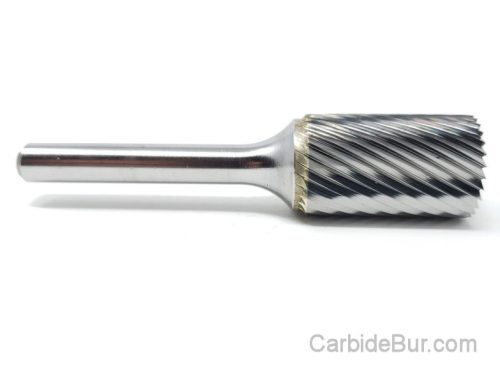
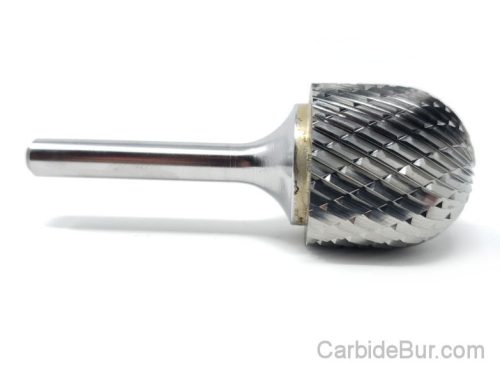
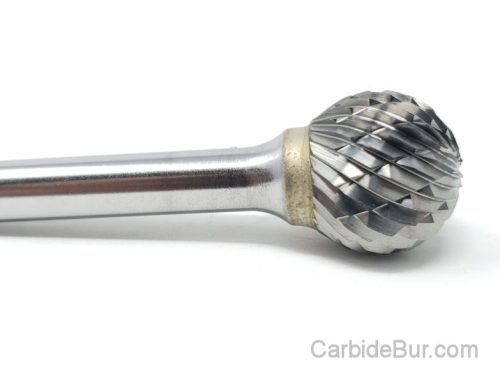
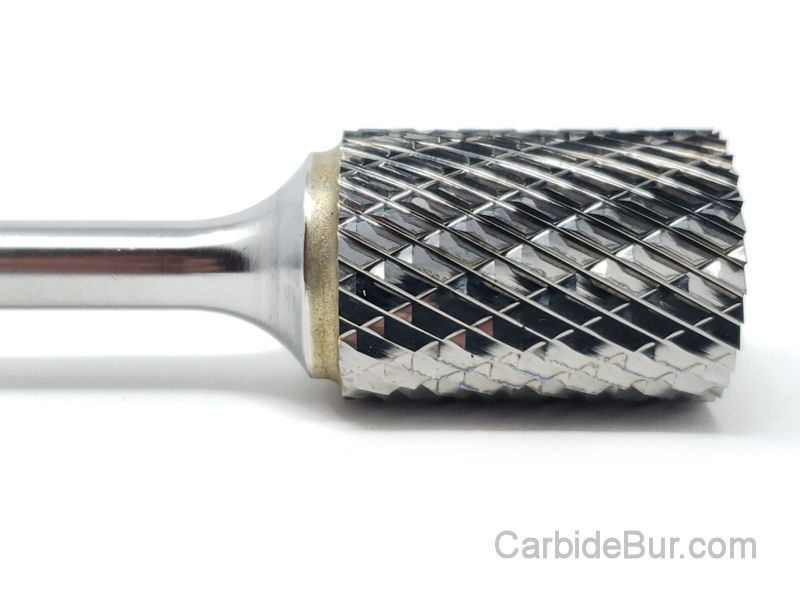
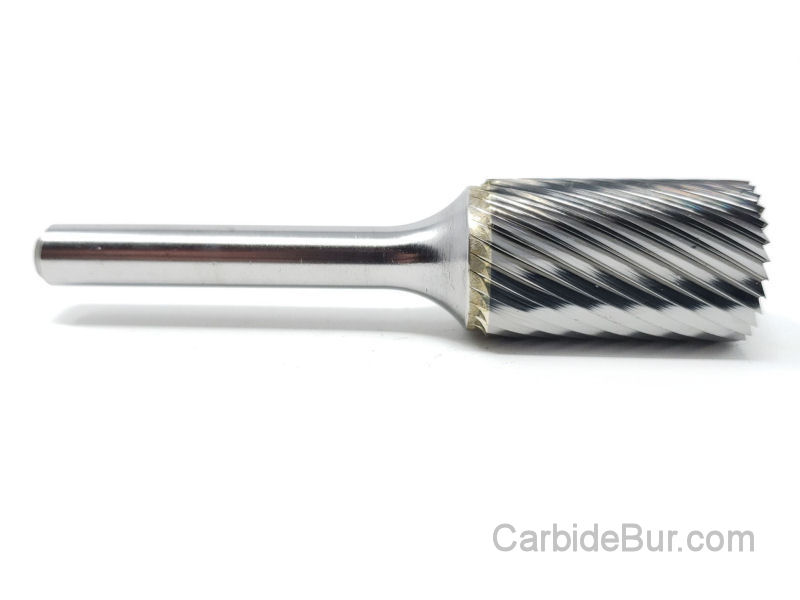
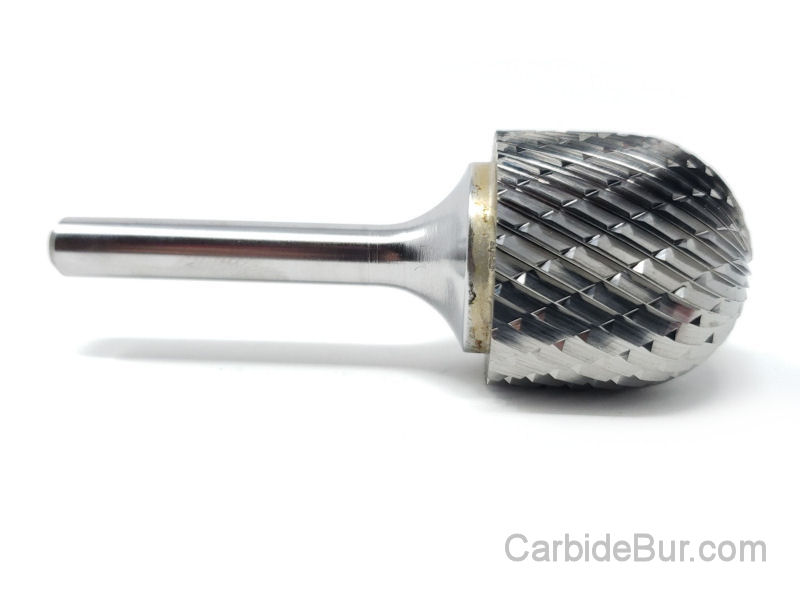
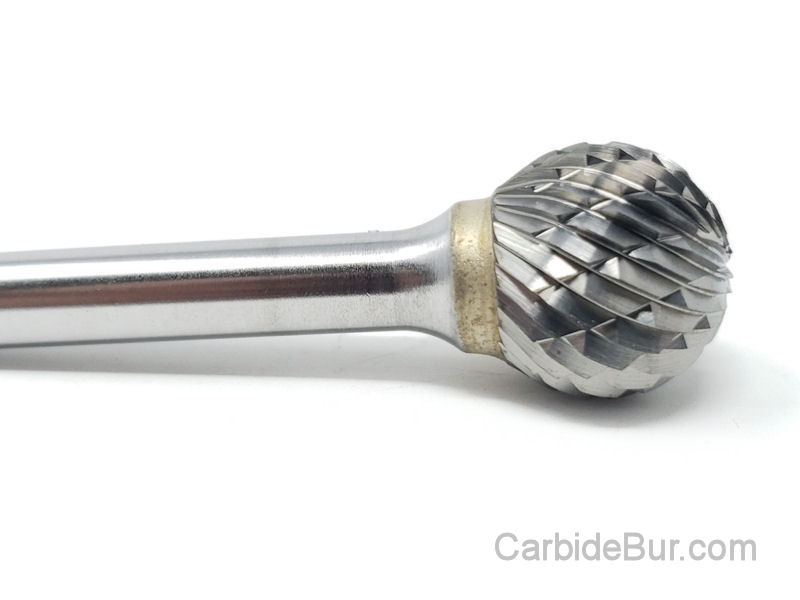
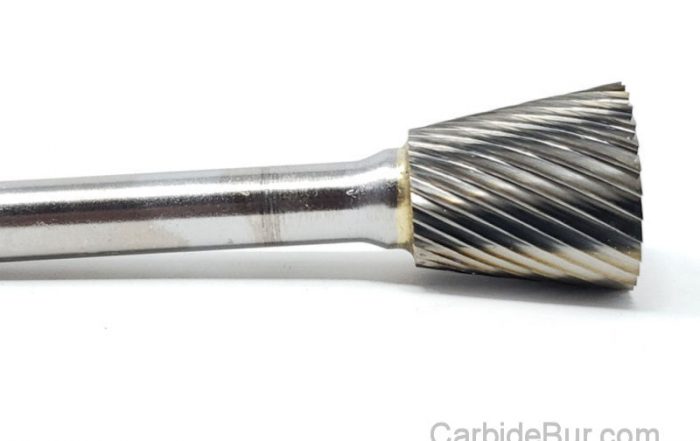
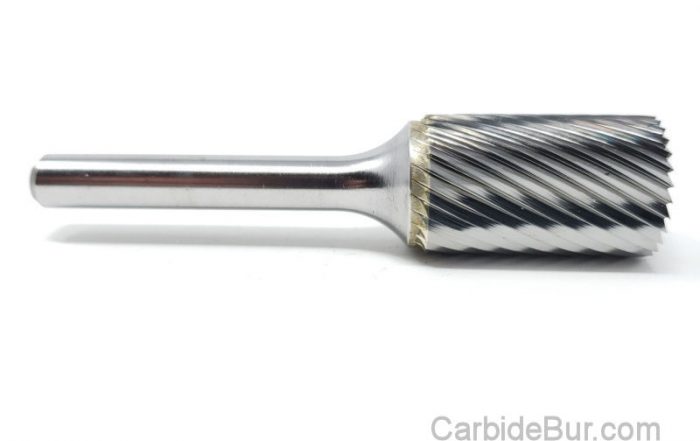
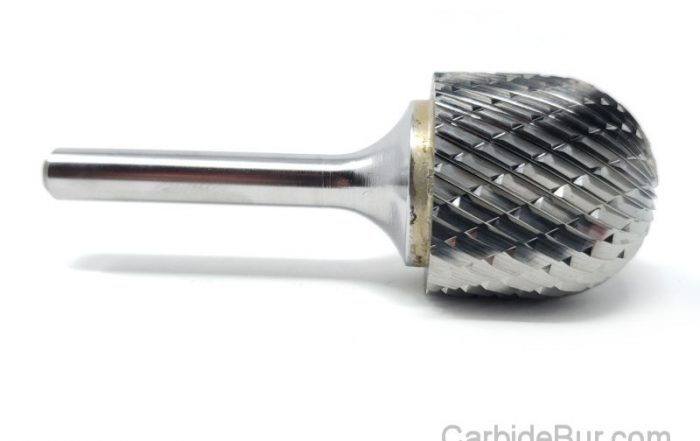
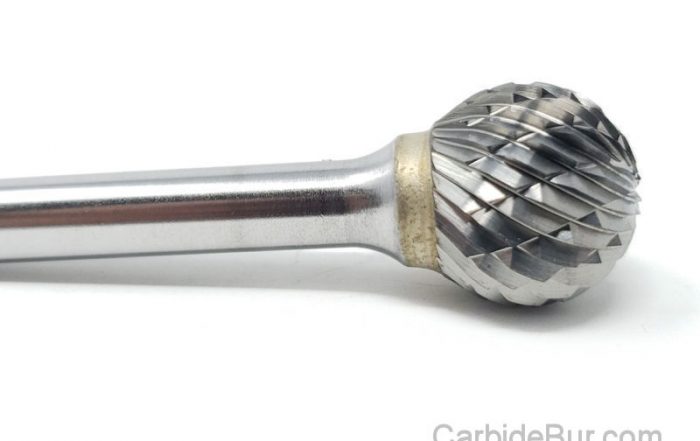
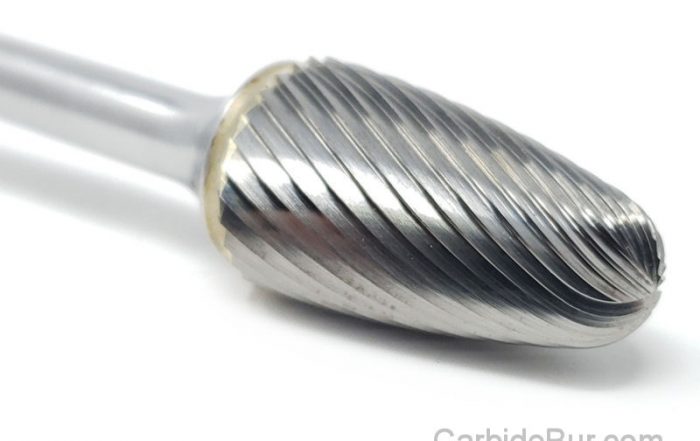
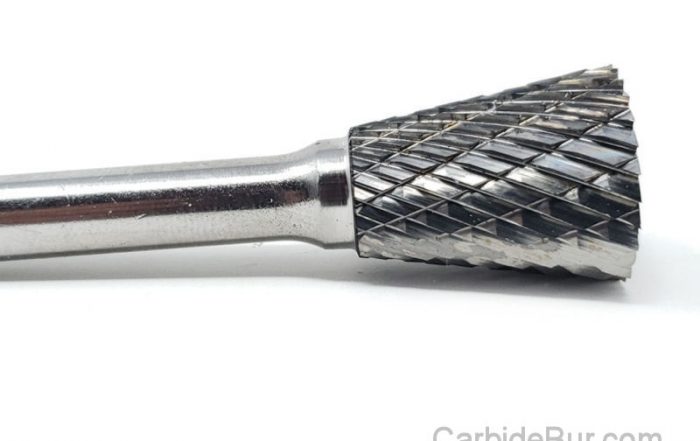
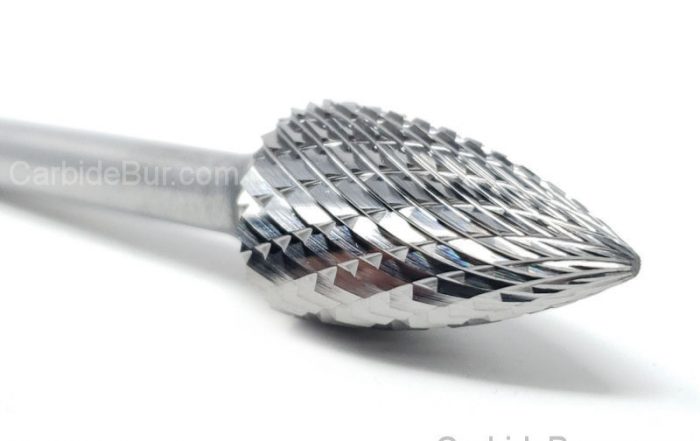
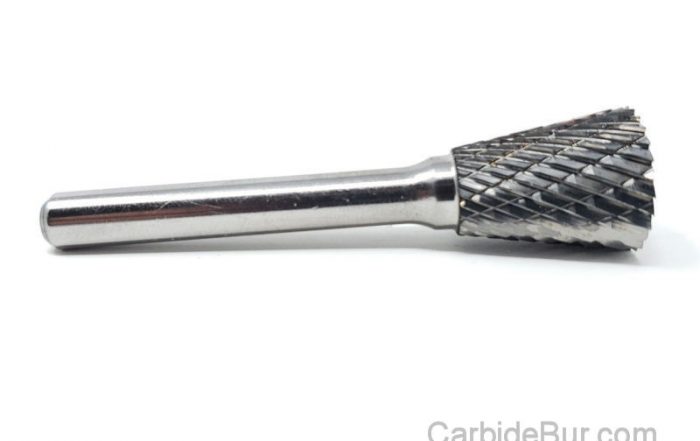
Different carbide burr profiles are designed for different kinds of access and material removal. Cylindrical profiles can be useful for certain edges and flatter surfaces, while ball, oval, and tapered profiles can help with contours and localized shaping.
For metalworking, consider the material, the amount of material you need to remove, the available clearance, and the finish required. Use a burr intended for the material being worked and follow its operating instructions.
Small rotary bits can be useful for detailed work, but they are not automatically suitable for every die grinder task. Avoid excessive pressure, keep the workpiece secure, and stop if the tool begins to chatter or behave unexpectedly.
Wear appropriate eye and face protection, hearing protection, and any other personal protective equipment required for the operation. Keep hands and clothing away from the rotating accessory and direct sparks away from combustible materials.
Find a Reducing Collet Adapter for Compatible 1/8-Inch Rotary Bits
Using smaller rotary bits with a die grinder can provide additional flexibility for detailed metalworking tasks, provided the tool, adapter, and accessory are compatible.
At CarbideBurr.net, you can explore carbide burr tools and a reducing collet adapter intended for compatible 1/8-inch rotary bits. Before purchasing, confirm that the adapter matches your grinder’s collet system and that the complete setup meets the manufacturer’s speed and safety requirements.
Do not force a small bit into an incompatible holder or assume that a physical fit guarantees safe operation.
Visit CarbideBurr.net to explore our reducing collet adapter and carbide burr tools for compatible metalworking applications.
Looking for Carbide Bur Tools?
Check out our entire selection of USA made carbide bur die grinder tool bits
Follow us on Twitter

Return to CarbideBur.com
Carbide Burs – 1/4″ on 1/8″ Shanks – Accessories – Aluminum Cut – Bur Sets – End Mills – Long Shank – Solid Burs
How to Use 1/8-Inch Rotary Bits with a Die Grinder
How to Use 1/8-Inch Rotary Bits with a Die Grinder Die grinders are popular tools for metalworking, fabrication, deburring, and precision material removal. However, many die grinders use a 1/4-inch collet, while smaller rotary tools [...]

Can You Use a Carbide Burr With an Electric Die Grinder?
Can You Use a Carbide Burr With an Electric Die Grinder? Most people don’t realize how much a carbide burr can change the way an electric die grinder works. Using the right burr type can [...]
How to Deburr Holes With a Carbide Burr
How to Deburr Holes With a Carbide Burr Most people think any tool will do for deburring holes. The truth is, using the right carbide burr with the correct size and shape changes everything. In [...]
How to Choose the Correct Carbide Burr Shank Size
How to Choose the Correct Carbide Burr Shank Size Many machinists lose hours troubleshooting tool issues caused by the wrong carbide burr shank size. Using a shank that doesn’t fit your grinder can lead to [...]
How to Remove Casting Flash With a Carbide Burr
How to Remove Casting Flash With a Carbide Burr Casting flash ruins the look and fit of your metal parts. You’ve tried sanding or grinding, but the results aren’t clean or fast enough. Learning how [...]
Best Carbide Burr for Enlarging a Hole in Metal
Best Carbide Burr for Enlarging a Hole in Metal When you need to enlarge a hole in metal, grabbing the wrong carbide burr can turn a simple task into a frustrating mess. Picking the best [...]
Carbide Burr Safety: 15 Mistakes That Can Cause Injury or Damage
Carbide Burr Safety: 15 Mistakes That Can Cause Injury or Damage Carbide burr safety is often overlooked until a costly mistake happens. Many metalworkers and DIYers make the same errors that lead to injuries or [...]
Can You Use a Carbide Burr in a Drill?
Can You Use a Carbide Burr in a Drill? Most people think a standard drill can’t handle a carbide burr, but that’s not true. Using carbide burr in the right drill can speed up your [...]
Carbide Burrs for Removing Rust: What Works Best?
Carbide Burrs for Removing Rust: What Works Best? Rust can turn your favorite tools into useless junk faster than you expect. Removing it without ruining the metal underneath takes more than just elbow grease—it demands [...]
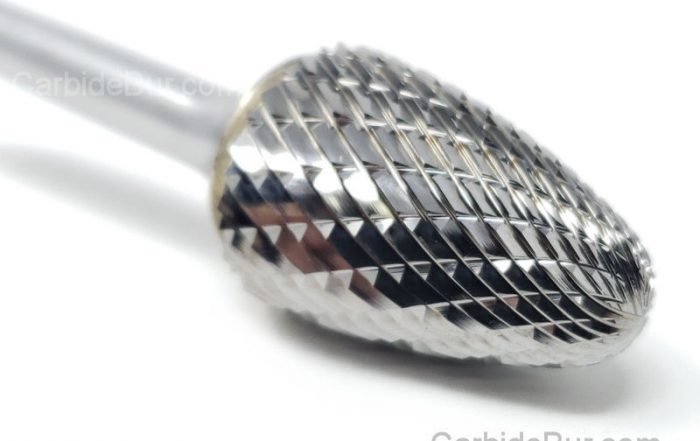
How Much Pressure Should You Use With a Carbide Burr?
How Much Pressure Should You Use With a Carbide Burr? Most people think pressing harder with a carbide burr speeds up the job. That’s not true—too much pressure wears out your tool and ruins the [...]
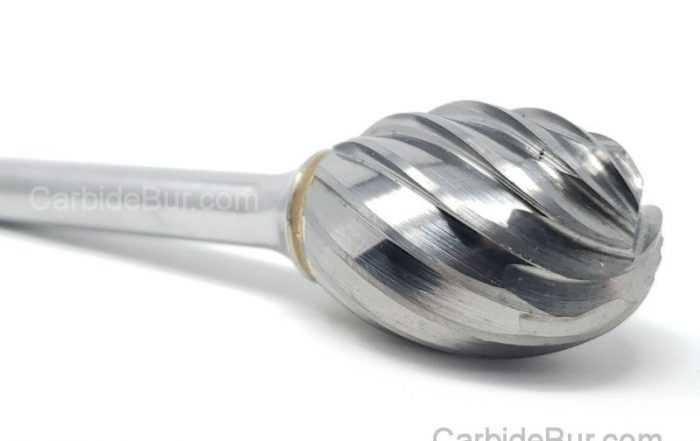
Can You Use Carbide Burrs With an Air Die Grinder?
Can You Use Carbide Burrs With an Air Die Grinder? Most people don’t realize how well carbide burrs work with air die grinders until they try them. If you’ve ever struggled with finding the right [...]
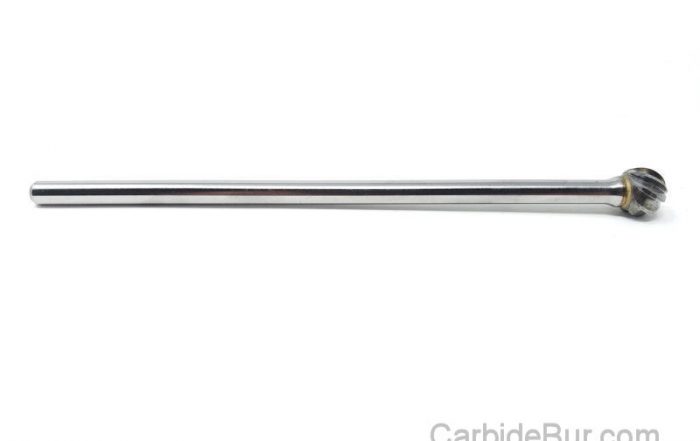
Best Long Reach Carbide Burr for Deep Metal Work
Best Long Reach Carbide Burr for Deep Metal Work Long reach carbide burrs often promise deep metal access, but many fall short where it counts most. You need a tool that cuts cleanly, lasts through [...]