How to Choose the Best Carbide Burr for Welding and Metal Fabrication
Welding and metal fabrication often require more than joining two pieces of metal together. Once the welding is finished, fabricators frequently need to remove excess material, smooth rough edges, refine joints, and clean up areas that are difficult to reach with conventional grinding tools. Having the right carbide burr for welding can make these jobs easier and help produce a cleaner, more professional result.
Carbide burrs are rotary cutting tools designed to remove material from metal using specially shaped cutting flutes. When installed in a compatible die grinder or rotary tool, they can help welders and fabricators perform detailed cleanup, reshape metal components, and reach areas where larger grinding wheels may not fit.
Whether you work in a professional fabrication shop, repair equipment, build custom metal projects, or perform automotive work, understanding how to select the right carbide burr can help you get more out of your tools.

Do you need a longer reach for your die grinder tool bits?
Why Use a Carbide Burr for Welding?
After a weld is completed, the surrounding metal may require additional finishing. Depending on the application, this can include removing unwanted buildup, smoothing transitions, cleaning up edges, or preparing a component for its next manufacturing step.
A carbide burr offers several advantages for these types of jobs.
Controlled material removal: Carbide burrs cut metal through their fluted cutting surfaces. This makes them useful for carefully shaping metal and removing unwanted material from selected areas.
Access to tight spaces: A burr’s relatively small cutting head can reach corners, recesses, openings, and other locations that are difficult to access with a large grinding disc.
Versatility: Different burr shapes and cutting styles allow fabricators to work on flat surfaces, curved contours, internal corners, and narrow openings.
Compatibility with common shop equipment: Many carbide burrs are designed for use with compatible pneumatic or electric die grinders, making them useful additions to existing metalworking tool collections.
For fabricators who regularly work with steel, stainless steel, cast iron, or aluminum, selecting the correct burr for the material and application is essential.
Common Welding and Metal Fabrication Applications
Carbide burrs can handle a variety of metalworking tasks, although the correct tool depends on the job and the material being removed.
Removing Excess Weld Material
Some fabrication jobs leave excess weld buildup that needs to be reduced to meet the desired profile or component clearance. A suitable carbide burr can help remove selected material and refine the transition between welded components.
Work gradually, using controlled passes instead of forcing the cutting head into the weld. Avoid removing material that is needed for weld strength or compromising the required weld profile. Follow the applicable welding procedure and inspection requirements.
Smoothing Rough Metal Edges
Cutting, welding, and fabrication can leave rough edges or small irregularities on metal components. Carbide burrs can help refine selected edges and remove unwanted projections before additional finishing.
Choose a burr profile that matches the edge geometry. A cylindrical burr may work well on accessible flat areas, while a rounded profile can be useful for curved transitions.
Shaping Joints and Transitions
Fabricators sometimes need to refine the shape of a metal joint or adjust a component’s contour. Carbide burrs can provide localized cutting where careful material removal is required.
This is particularly useful for custom fabrication, equipment repair, and certain automotive projects. Always preserve critical dimensions, sealing surfaces, and structural requirements.
Cleaning Up Difficult-to-Reach Areas
Metal assemblies often contain recessed openings, narrow passages, internal corners, and awkward angles. A standard grinding wheel may be too large to reach these areas effectively.
Smaller burr heads and compatible extended-reach tooling can help access these locations. Choose an extension or longer-reach tool rated for the grinder, accessory, and operating speed, and avoid excessive side pressure.
Choosing the Right Carbide Burr Shape
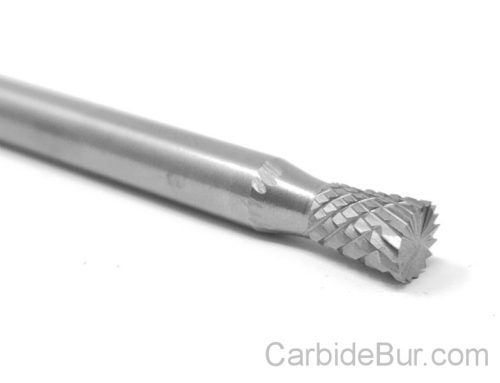
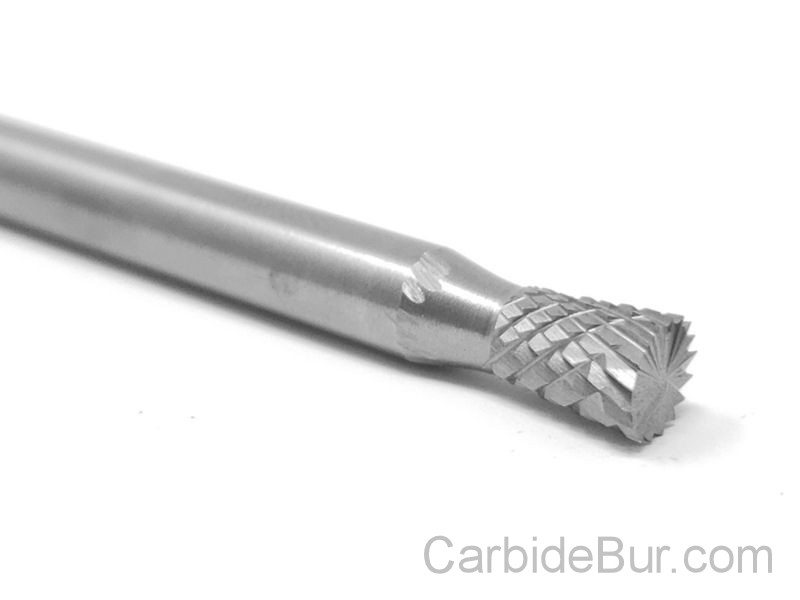
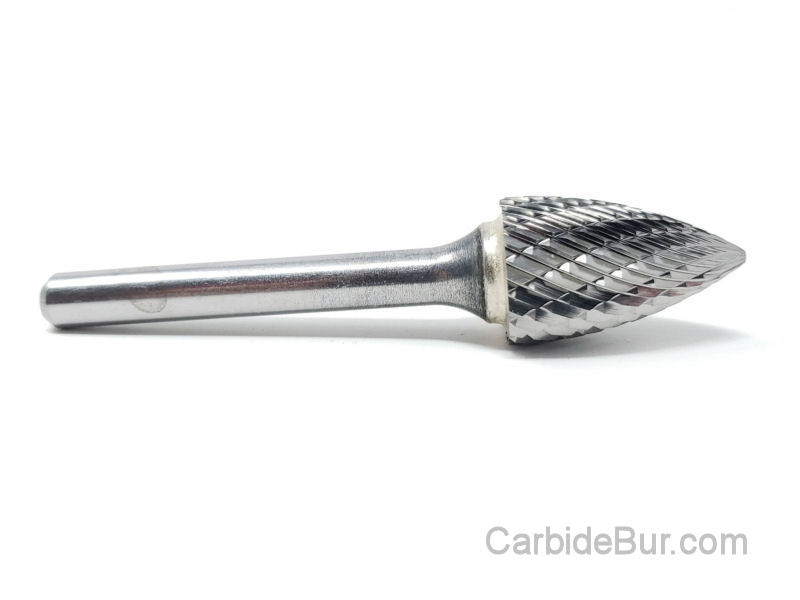
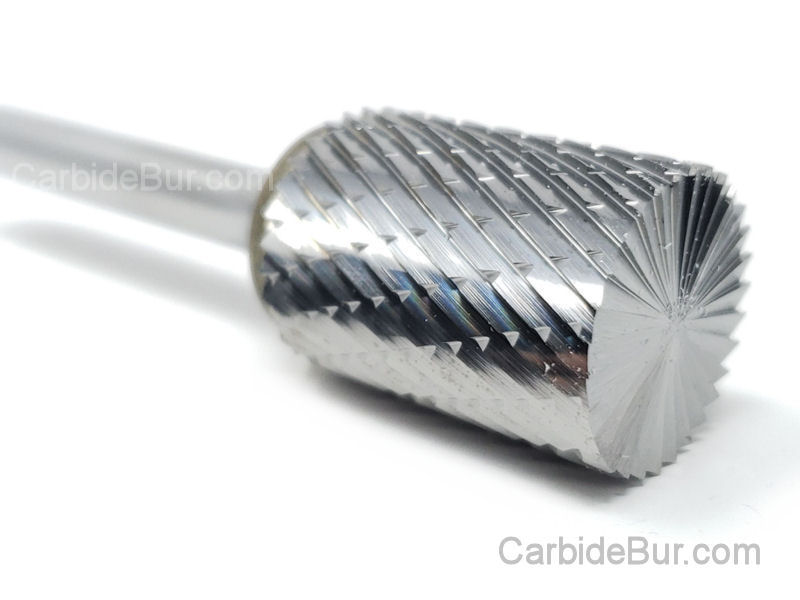
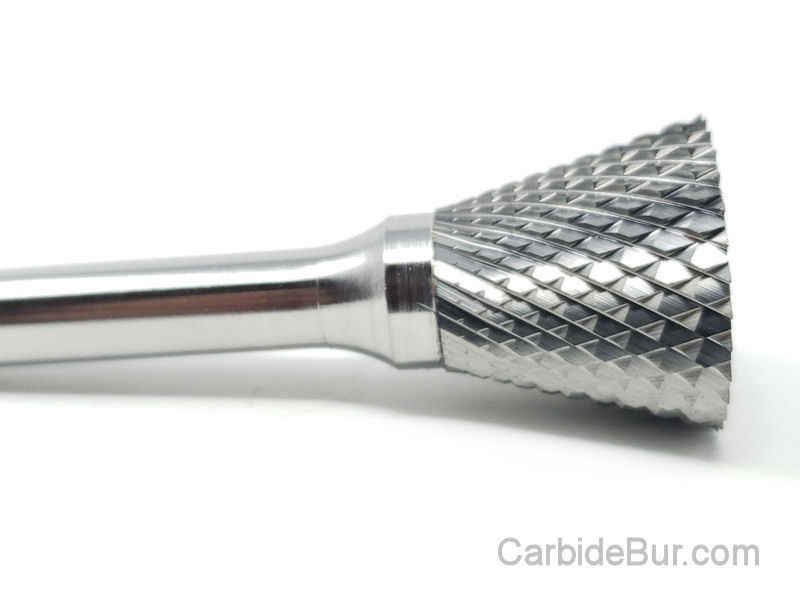
Burr shape is one of the most important considerations when selecting a carbide burr for welding and fabrication. The shape determines how easily you can reach the work area and how the cutting head contacts the metal.
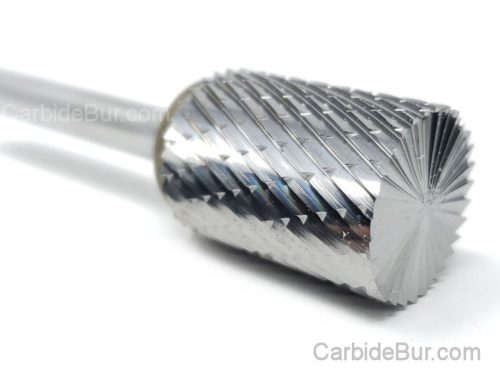
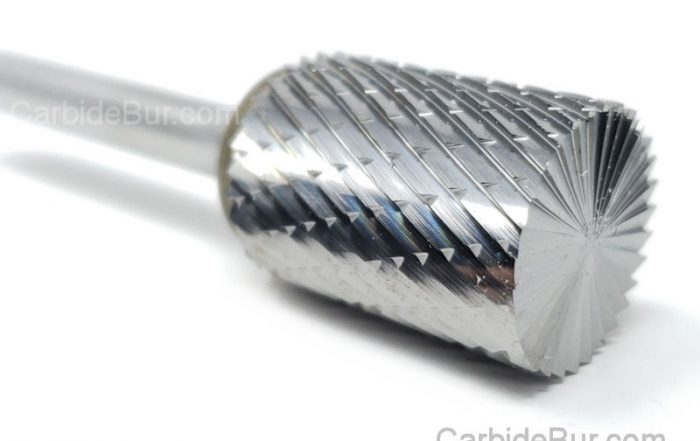
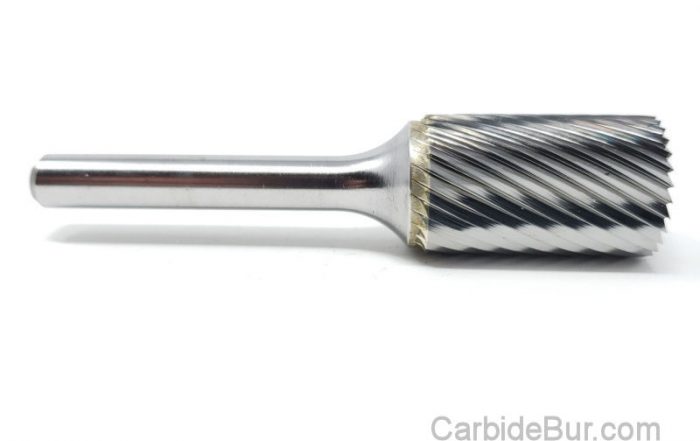
Cylindrical Burrs
Cylindrical burrs are useful for working on accessible flat surfaces, reducing localized high spots, and refining straight edges. Depending on the head design, they can also help with selected internal surfaces.
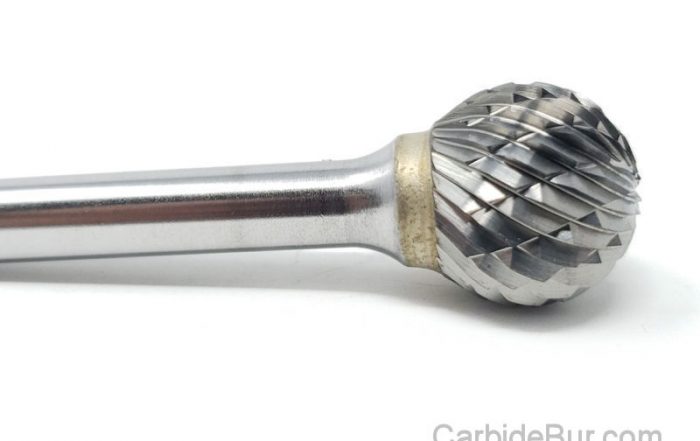
Ball Burrs
Ball-shaped burrs are useful for rounded contours, curved recesses, and localized shaping. Their profile can help when a flat cutting face would be difficult to maneuver.
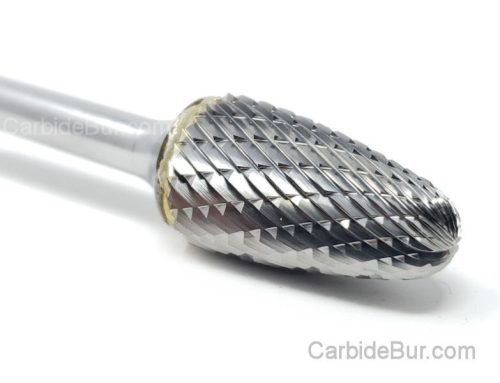
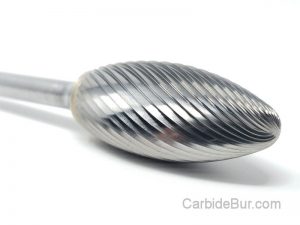
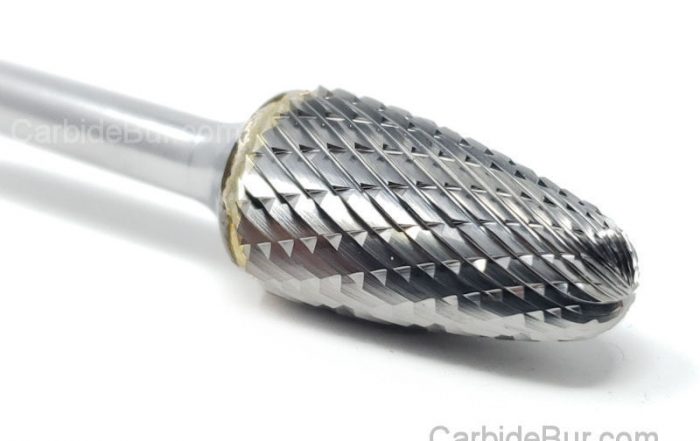
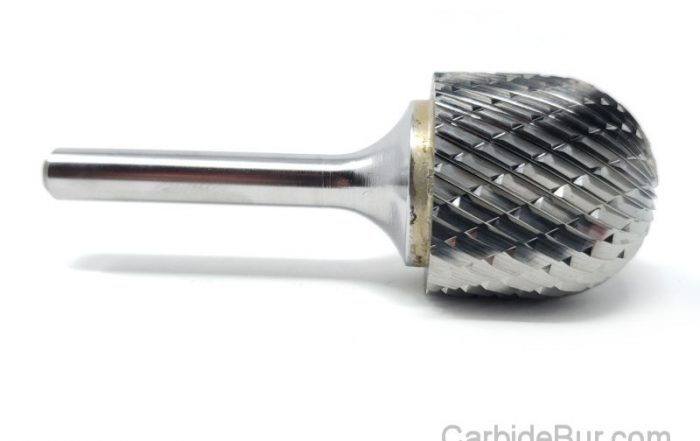
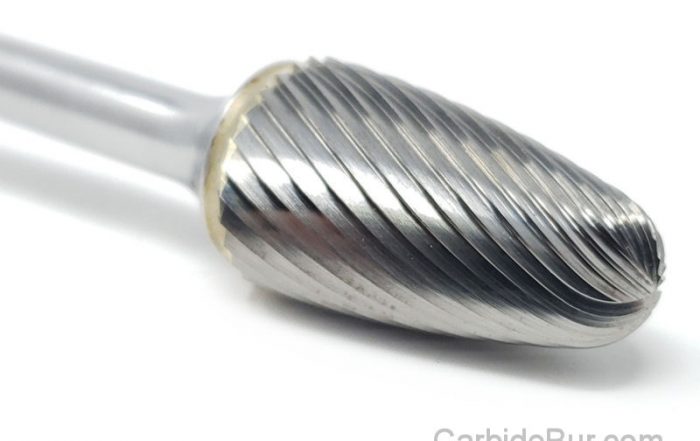
Oval Burrs
Oval burrs can be helpful for smoothing curved transitions and working on rounded surfaces. They are worth considering when the job involves contours rather than long, flat surfaces.
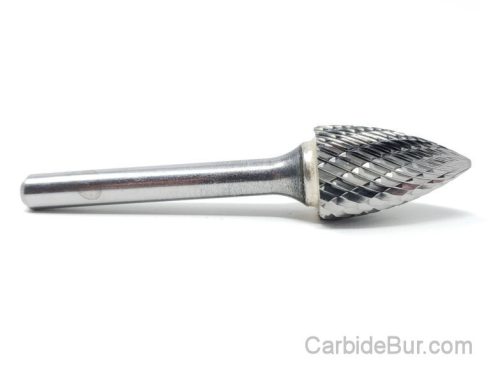
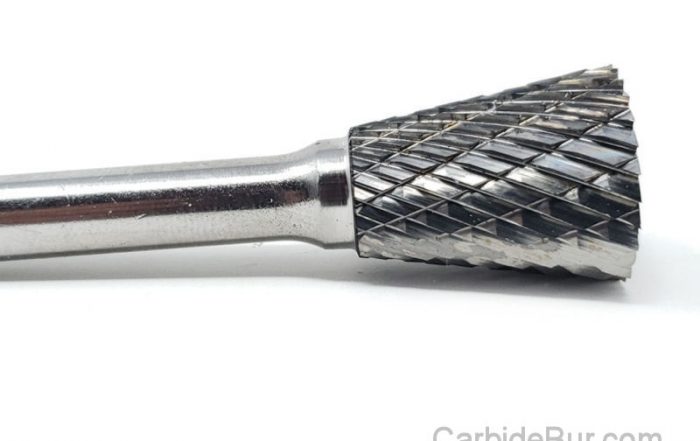
Tree-Shaped Burrs
Tree-shaped burrs are useful for reaching certain corners, grooves, and angled transitions. Their tapered profile can make them helpful for detailed fabrication work where access is limited.
The best choice depends on the geometry of the component, the material being removed, and the finish you need to achieve. When purchasing carbide burrs, consider the types of jobs you perform most often rather than selecting a shape based on appearance alone.
Single-Cut vs. Double-Cut Carbide Burrs
Cutting style is another important factor when selecting a carbide burr.
Single-cut burrs generally have a simpler flute pattern and can be useful for applications where a more directional cutting action and chip formation are desirable.
Double-cut burrs have intersecting flute patterns that produce smaller chips and are commonly selected for general-purpose metal removal and improved control in many applications.
Neither style is automatically best for every welding job. The appropriate choice depends on the metal, the burr’s design, the grinder, and the desired result.
For aluminum fabrication, consider burrs specifically designed for aluminum cutting. Aluminum can accumulate on cutting flutes, reducing effectiveness, so suitable flute geometry and proper technique are particularly important.
Choosing the Correct Shank Size
Before purchasing a carbide burr, check the shank diameter and make sure it matches the collet or holder in your rotary tool.
Common options include 1/8-inch shanks for compatible small rotary tools and larger shanks for many die grinders. The correct size depends on your equipment and the manufacturer’s specifications.
A few points to remember:
- Check the shank diameter before ordering replacement burrs.
- Confirm that the collet or holder is designed for the selected shank.
- Make sure the burr is securely seated and tightened according to the tool manufacturer’s instructions.
- Never force an incompatible shank into a collet.
- Verify the permitted operating speed for the burr, grinder, and any extension.
A correctly fitted carbide burr helps maintain a secure setup and reduces the risk of the accessory slipping or coming loose during operation.
When to Use an Extended-Reach Carbide Burr or Die Grinder Extension
Some fabrication projects require grinding or shaping metal deep inside an opening or behind an obstruction. In these situations, a standard-length burr may not provide sufficient access.
Extended-reach burrs and compatible die grinder extensions can help you work on recessed areas, internal contours, and difficult-to-reach sections of metal assemblies.
A shorter extension may provide sufficient reach for moderately recessed areas, while a longer extension can help with deeper access requirements. The best option depends on the assembly, clearance, tool compatibility, and the degree of control needed.
When using extended-reach tooling, pay particular attention to the manufacturer’s speed ratings and operating instructions. Additional reach can increase the effects of vibration and side loading, so maintain a stable grip and use light, controlled pressure.
If your fabrication work frequently involves recessed metal surfaces or complex assemblies, having suitable extended-reach options available can make tool selection much easier.
Tips for Getting Better Results with Carbide Burrs
Choosing the right burr is only part of the process. Proper technique also affects cutting performance, finish quality, and tool life.
Use an appropriate operating speed. Follow the burr and grinder manufacturers’ rated speed limits. Never assume that the highest available RPM is appropriate for every burr diameter or extension.
Let the cutting flutes do the work. Excessive pressure can generate heat, damage the cutting edges, and make the tool harder to control. Use steady, controlled passes.
Secure the workpiece. Clamp the metal appropriately so it cannot shift during grinding or shaping.
Keep the cutting area clear. Remove accumulated chips safely and inspect the burr regularly for wear, damage, or loading.
Wear appropriate protection. Use suitable eye and face protection, manage metal dust and airborne particles, and keep sparks away from combustible materials. Follow the grinder manufacturer’s safety guidance.
Inspect the finished work. Check the component frequently to avoid removing too much material or changing critical dimensions.
These practices help you work more consistently and reduce avoidable tool damage.
Why Dependable, USA-Made Carbide Burrs Matter
For a professional fabricator, tooling is an important part of getting jobs completed efficiently. A burr that matches the application, fits the equipment correctly, and performs consistently is a valuable addition to the shop.
When comparing carbide burrs, consider the manufacturing origin, available shapes and sizes, product specifications, and suitability for your materials. Buyers who prefer American-made tooling should look for suppliers that clearly identify their products’ country of origin.
At CarbideBurr.net, you can explore USA-made carbide burr tools for a variety of metalworking applications, including fabrication, weld cleanup, automotive work, and detailed material removal. The available selection includes different burr profiles and extended-reach options to help address jobs where ordinary grinding tools may be difficult to use.
Having the right selection on hand can help reduce unnecessary interruptions when a project calls for a different cutting shape or additional reach.
Find the Right Carbide Burr for Your Next Welding Project
Whether you’re cleaning up welds, refining metal edges, shaping fabricated components, or reaching recessed areas, choosing the right carbide burr starts with understanding the material, the shape of the workpiece, and the tool’s compatibility with your grinder.
Select a suitable burr shape, choose a cutting style appropriate for your material, verify the shank size, and use the tool within its rated operating limits.
If you’re looking for dependable tooling for your workshop, explore the USA-made carbide burr tools at CarbideBurr.net. Find burrs for general-purpose metal fabrication and discover extended-reach options for those difficult-to-access jobs.
With the right tooling and proper technique, you can approach welding cleanup and metal fabrication with greater control and confidence.
Looking for Carbide Bur Tools?
Check out our entire selection of USA made carbide bur die grinder tool bits
Follow us on Twitter

Return to CarbideBur.com
Carbide Burs – 1/4″ on 1/8″ Shanks – Accessories – Aluminum Cut – Bur Sets – End Mills – Long Shank – Solid Burs
How to Choose the Best Carbide Burr for Welding and Metal Fabrication
How to Choose the Best Carbide Burr for Welding and Metal Fabrication Welding and metal fabrication often require more than joining two pieces of metal together. Once the welding is finished, fabricators frequently need to [...]
Carbide Burrs for Cylinder Heads: What Automotive Enthusiasts Need to Know
Carbide Burrs for Cylinder Heads: What Automotive Enthusiasts Need to Know Cylinder head work is an important part of engine building, restoration, and performance machining. Whether you are cleaning up casting imperfections, refining port surfaces, [...]
Engine Porting 101: How Carbide Burrs Help Shape Cylinder Head Ports
Engine Porting 101: How Carbide Burrs Help Shape Cylinder Head Ports Engine performance enthusiasts, automotive machinists, and engine builders often look for ways to improve airflow through an engine's cylinder heads. One technique used in [...]
When to Use a 4-Inch or 9-Inch Die Grinder Extension
When to Use a 4-Inch or 9-Inch Die Grinder Extension Metal fabrication, welding, automotive repair, and engine building often require working in places where a standard die grinder and carbide burr cannot easily reach. Recessed [...]
Why Buy USA-Made Carbide Burr Tools? What Buyers Should Compare
Why Buy USA-Made Carbide Burr Tools? What Buyers Should Compare When shopping for carbide burr tools, it's tempting to compare products based on price alone. However, professionals who use rotary cutting tools for welding, metal [...]
How to Use 1/8-Inch Rotary Bits with a Die Grinder
How to Use 1/8-Inch Rotary Bits with a Die Grinder Die grinders are popular tools for metalworking, fabrication, deburring, and precision material removal. However, many die grinders use a 1/4-inch collet, while smaller rotary tools [...]

Can You Use a Carbide Burr With an Electric Die Grinder?
Can You Use a Carbide Burr With an Electric Die Grinder? Most people don’t realize how much a carbide burr can change the way an electric die grinder works. Using the right burr type can [...]
How to Deburr Holes With a Carbide Burr
How to Deburr Holes With a Carbide Burr Most people think any tool will do for deburring holes. The truth is, using the right carbide burr with the correct size and shape changes everything. In [...]
How to Choose the Correct Carbide Burr Shank Size
How to Choose the Correct Carbide Burr Shank Size Many machinists lose hours troubleshooting tool issues caused by the wrong carbide burr shank size. Using a shank that doesn’t fit your grinder can lead to [...]
How to Remove Casting Flash With a Carbide Burr
How to Remove Casting Flash With a Carbide Burr Casting flash ruins the look and fit of your metal parts. You’ve tried sanding or grinding, but the results aren’t clean or fast enough. Learning how [...]
Best Carbide Burr for Enlarging a Hole in Metal
Best Carbide Burr for Enlarging a Hole in Metal When you need to enlarge a hole in metal, grabbing the wrong carbide burr can turn a simple task into a frustrating mess. Picking the best [...]
Carbide Burr Safety: 15 Mistakes That Can Cause Injury or Damage
Carbide Burr Safety: 15 Mistakes That Can Cause Injury or Damage Carbide burr safety is often overlooked until a costly mistake happens. Many metalworkers and DIYers make the same errors that lead to injuries or [...]