Choosing Carbide Burrs for Stainless Steel Fabrication
Stainless steel is widely used in fabrication because of its corrosion resistance, strength, and durability. However, those same properties can make it challenging to machine and finish. Removing sharp edges, cleaning up welds, refining openings, and shaping stainless steel components requires the right cutting tool and a controlled technique.
Choosing the right carbide burr for stainless steel can help fabricators perform detailed material removal while maintaining control over the workpiece. Burr selection, cutting pressure, operating speed, and heat management all play important roles in achieving a consistent result.
Whether you work in a fabrication shop, manufacture stainless steel components, or perform maintenance on metal assemblies, understanding how carbide burrs behave on stainless steel can help you select the right tool for the job.

Do you need a longer reach for your die grinder tool bits?
Why Stainless Steel Requires Special Attention
Stainless steel does not behave exactly like mild steel or aluminum during machining. Depending on the alloy and its condition, stainless steel can be tough, generate substantial heat, and become more difficult to cut if the cutting action is not maintained properly.
One important concern is work hardening. Certain stainless steel grades can become harder at the surface when subjected to plastic deformation during machining. Excessive rubbing, dull tooling, or repeated passes that fail to cut effectively can contribute to this problem.
When the surface work-hardens, subsequent material removal may become more difficult. The tool may produce more heat and vibration while removing less material than expected.
A suitable carbide burr, used with a controlled cutting technique, helps reduce unnecessary rubbing and supports more consistent material removal.
1. Understand Work Hardening Before You Start
Work hardening is particularly relevant when machining austenitic stainless steels, such as many commonly used 300-series grades. These materials can harden when mechanically deformed, although the degree of work hardening varies with the specific alloy and machining conditions.
Several practices can make the problem worse:
- Applying too little effective cutting pressure, causing the burr to rub rather than cut.
- Using a worn or unsuitable burr that no longer removes material efficiently.
- Repeatedly working the same area without making meaningful cutting progress.
- Allowing excessive heat and friction to build up.
- Using an inappropriate cutting speed or an unstable tool setup.
The solution is not to push harder indiscriminately. Instead, choose a burr designed for the material, maintain a suitable operating speed, and use steady, controlled movements that allow the cutting edges to remove material efficiently.
If the burr starts rubbing, chattering, or losing cutting effectiveness, stop and inspect the setup rather than forcing the tool through the material.
2. Choose the Right Carbide Burr Profile
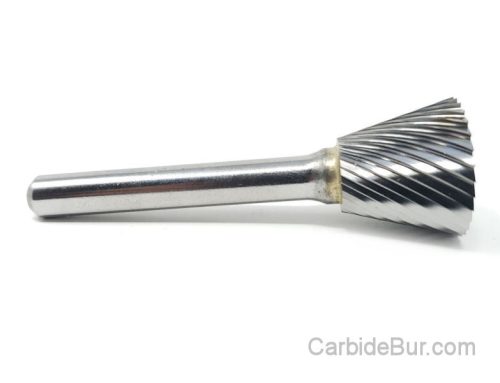
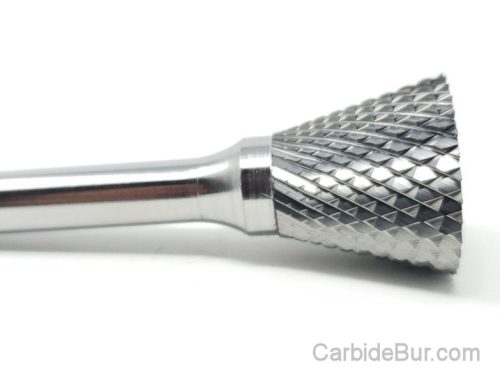
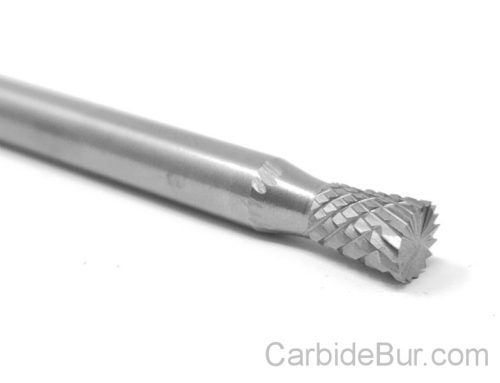
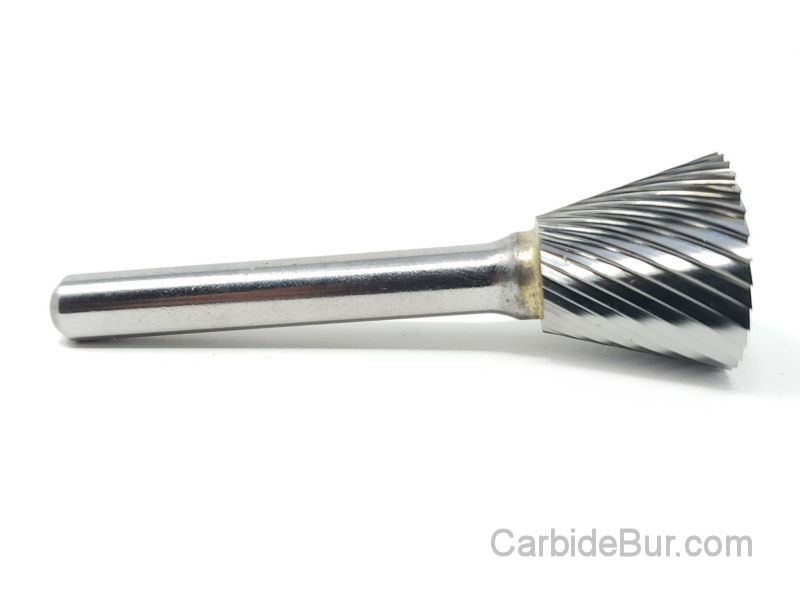
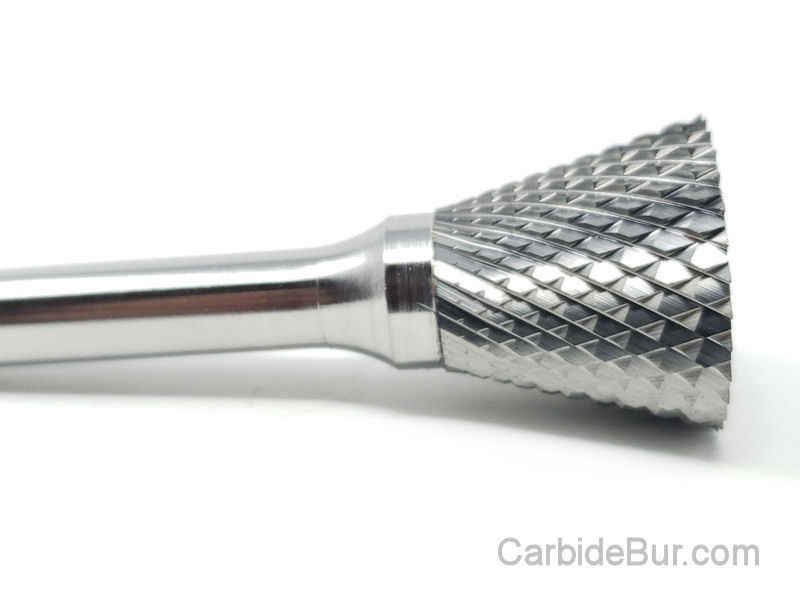
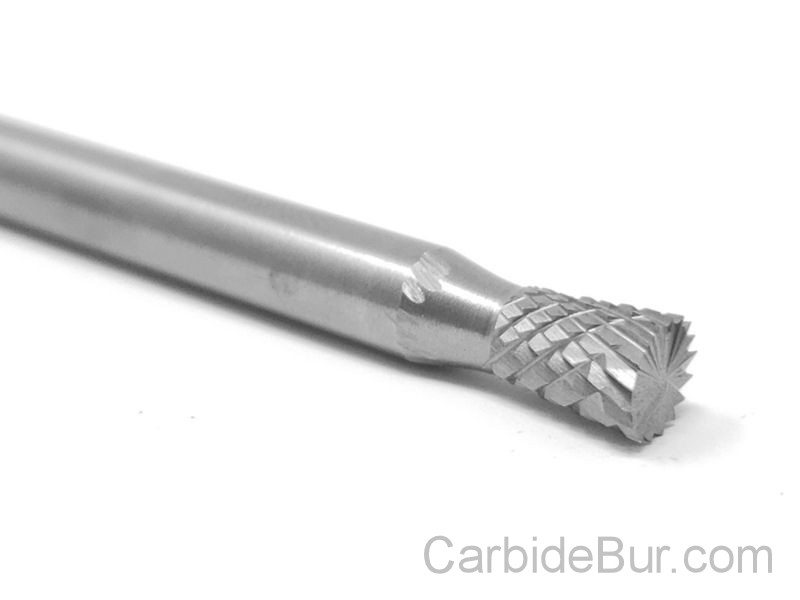
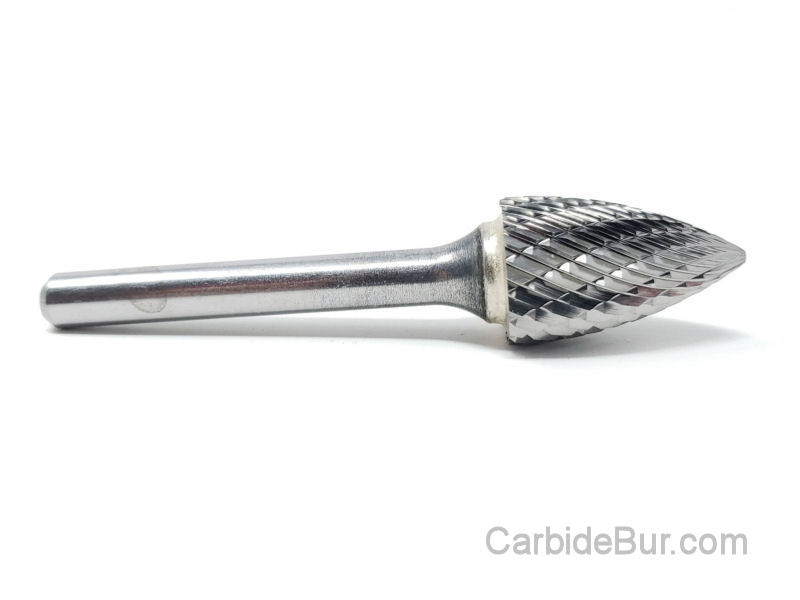
The shape of the burr’s cutting head determines how it contacts the workpiece and which surfaces it can reach. Stainless steel fabrication jobs vary widely, so the best profile depends on whether you are working on a flat edge, weld area, opening, corner, or curved surface.
<AsyncImageGroup query={[“cylindrical carbide burr rotary die grinder cutting tool isolated white background”,”ball nose carbide burr rotary cutting tool isolated white background”,”oval round nose carbide burr rotary cutting tool isolated white background”,”tree shaped tapered carbide burr rotary cutting tool isolated white background”]} aspectRatio=”1:1″ layout=”carousel” />
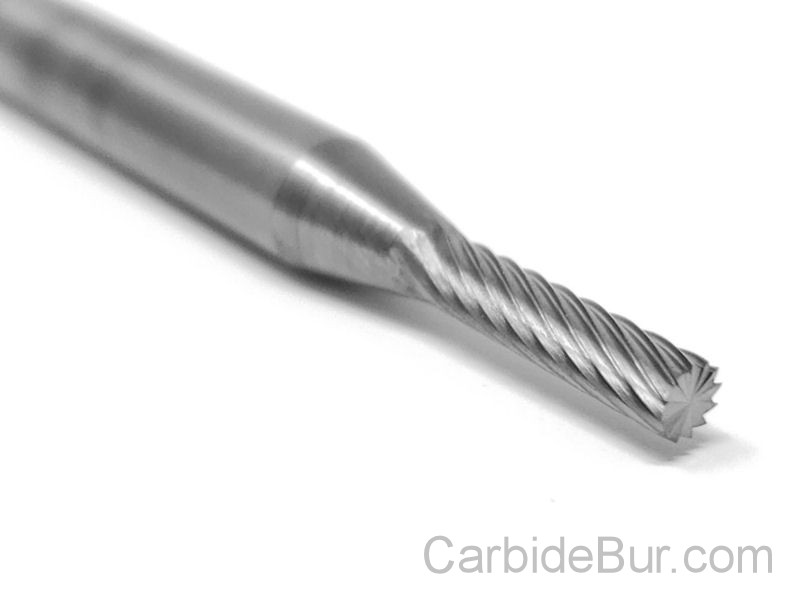
Cylindrical carbide burrs
Cylindrical burrs can be useful for refining accessible edges, leveling selected high spots, and working on flatter areas where the profile allows controlled contact.
They may be suitable for certain stainless steel fabrication tasks involving edge cleanup or localized weld finishing. Avoid removing more material than necessary, particularly on thin sheet metal or precision components.
Ball-shaped carbide burrs
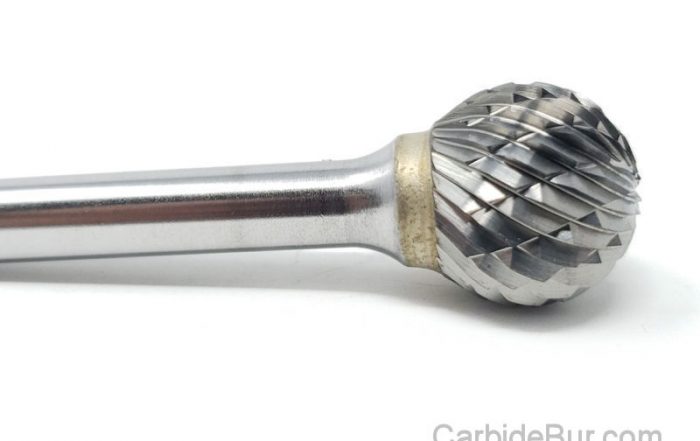
Ball-shaped burrs can help with rounded contours, curved transitions, and localized work inside accessible recesses. Their profile is useful when a cylindrical head would be difficult to position against the intended surface.
Oval and rounded-end burrs
Oval and rounded-end profiles can help blend curves and transitions where a sharp corner or flat cutting face is not desirable. They may be useful for smoothing selected contours and refining formed or fabricated components.
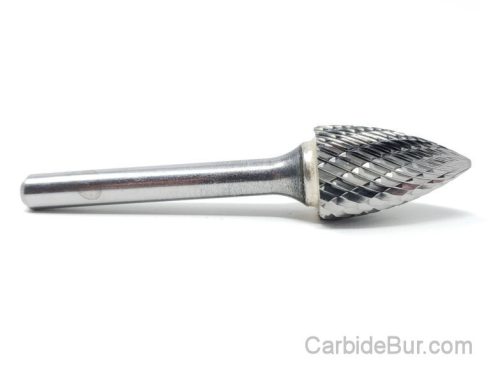
Tree-shaped and tapered burrs
Tree-shaped and tapered profiles can provide access to certain corners, angled surfaces, and narrow transitions. Select the diameter and taper carefully so the cutting head can reach the intended area without contacting nearby surfaces.
The best profile is the one that matches the geometry of the workpiece. A burr that is too large may be difficult to control in a tight area, while a very small burr may require more time and careful handling over a broad surface.
3. Select a Burr Suitable for Stainless Steel
Not every carbide burr is equally suited to every metal. Stainless steel work calls for a tool that can maintain effective cutting action under the conditions of the job.
When choosing a carbide burr for stainless steel, consider:
- Cut geometry: The flute design and cutting characteristics should suit the material and intended operation.
- Head shape: Select a profile that matches the surface, edge, corner, or contour being worked.
- Diameter: Choose a cutting head that provides appropriate access and control.
- Shank size: Confirm that the shank fits the collet and is approved for your die grinder or rotary tool.
- Tool condition: Inspect the cutting edges before use. Worn, damaged, or loaded flutes can reduce cutting efficiency.
- Speed rating: Follow the burr manufacturer’s recommended operating speed and maximum RPM.
A suitable carbide burr can perform well on stainless steel, but correct selection alone is not enough. The operating technique must also support cutting rather than excessive friction.
4. Manage Heat During Stainless Steel Grinding
Heat is a major consideration when machining stainless steel. Friction from rubbing, excessive pressure, unsuitable speed, and prolonged contact can raise temperatures at the cutting zone.
Excessive heat can discolor the surface, affect the finish, and complicate subsequent fabrication or finishing operations. In some applications, preserving the material’s surface condition and corrosion resistance is especially important.
To help manage heat:
Use an appropriate operating speed. Follow the manufacturer’s speed guidance for the burr, grinder, and setup. Higher speed does not automatically mean faster or better cutting.
Keep the burr moving. Avoid holding the cutting head in one place for too long. Use controlled passes suited to the shape of the workpiece.
Allow the tool to cut effectively. Persistent rubbing generates friction without removing material efficiently. Check the burr selection, condition, and technique if cutting progress slows.
Avoid excessive pressure. Forcing the burr into stainless steel can increase heat, vibration, and tool stress.
Inspect the finish. Unusual discoloration, excessive heat, or changes in cutting behavior are reasons to stop and reassess the process.
For critical stainless steel components, follow the applicable fabrication procedure for temperature limits, surface finishing, and any required post-processing. Do not assume that a carbide burr alone will preserve every corrosion-sensitive surface.
5. Use Controlled Cutting Pressure
Applying excessive pressure is a common mistake when working with hard metals. When a carbide burr does not remove material as quickly as expected, pressing harder may seem like the easiest solution. In practice, excessive force can make the operation less stable.
Too much pressure can:
- Increase heat and friction.
- Cause chatter or vibration.
- Accelerate wear or damage to the cutting edges.
- Make it harder to control the burr’s path.
- Increase the risk of gouging the workpiece or breaking the tool.
Use a steady grip and light, controlled pressure. Allow the burr’s cutting geometry and operating speed to do the work. Make gradual passes, inspect your progress, and remove material in stages rather than trying to achieve the entire result in one aggressive pass.
If the tool is cutting poorly, check the burr’s condition, suitability, operating speed, and approach angle before changing your technique.
6. Prepare the Workpiece and Secure Your Setup
A stable workpiece and properly assembled tool are essential for safe, consistent stainless steel fabrication.
Before grinding:
- Secure the component so it cannot move unexpectedly.
- Inspect the burr for chipped teeth, cracks, unusual wear, or other damage.
- Confirm that the shank is compatible with the collet and inserted to the manufacturer’s specified depth.
- Verify the operating speed and ensure all components are rated for the setup.
- Check that the cutting head has enough clearance to rotate without striking adjacent material.
- Wear appropriate eye and face protection, hearing protection, and other required personal protective equipment.
Keep hands, clothing, and other objects away from the rotating tool. Direct sparks away from flammable materials and nearby people. Follow the grinder and burr manufacturers’ instructions throughout the operation.
After finishing, inspect the surface for sharp edges, unwanted gouges, and discoloration. Additional finishing steps may be necessary when the component has strict appearance, dimensional, or corrosion-resistance requirements.
7. Common Stainless Steel Carbide Burr Mistakes to Avoid
Even a suitable carbide burr can produce poor results if it is used incorrectly. Avoid these common mistakes:
Using a dull or unsuitable burr: Reduced cutting efficiency can lead to more rubbing and heat. Inspect the cutting head and replace it when it is worn or damaged.
Pushing too hard: Excessive pressure increases tool stress and can make it harder to maintain a consistent finish.
Using the wrong profile: A cutting head that does not match the workpiece can make access difficult and increase the risk of removing material from the wrong area.
Ignoring work hardening: Repeated rubbing on susceptible stainless steel grades can make subsequent machining more difficult. Maintain effective cutting action rather than making prolonged, unproductive passes.
Running at an unsuitable speed: Excessive or insufficient speed can interfere with cutting performance and control. Follow the manufacturer’s recommendations.
Overlooking surface requirements: Components intended for food processing, medical equipment, chemical service, or other demanding environments may require specific finishing and cleaning procedures beyond ordinary burr cleanup.
Find the Right Carbide Burr for Stainless Steel Fabrication
Stainless steel fabrication calls for suitable tooling, effective cutting action, and careful heat management. Choosing a carbide burr with the right cutting-head profile can help you reach the intended surface, refine edges, and perform controlled material removal.
At CarbideBurr.net, you can explore USA-made carbide burr tools for metalworking, fabrication, and other demanding applications. Compare available shapes and sizes to find a profile suited to your stainless steel project, and verify the tool’s material suitability and operating specifications before use.
Whether you are cleaning up a fabricated edge, refining a contour, or working on an accessible weld area, the right burr and technique can help you work more consistently without relying on excessive pressure.
Explore carbide burr tools at CarbideBurr.net and choose a profile that fits your stainless steel fabrication needs.
Looking for Carbide Bur Tools?
Check out our entire selection of USA made carbide bur die grinder tool bits
Follow us on Twitter

Return to CarbideBur.com
Carbide Burs – 1/4″ on 1/8″ Shanks – Accessories – Aluminum Cut – Bur Sets – End Mills – Long Shank – Solid Burs
Choosing Carbide Burrs for Stainless Steel Fabrication
Choosing Carbide Burrs for Stainless Steel Fabrication Stainless steel is widely used in fabrication because of its corrosion resistance, strength, and durability. However, those same properties can make it challenging to machine and finish. Removing [...]
Can You Use Carbide Burrs in a Dremel? Shank Sizes Explained
Can You Use Carbide Burrs in a Dremel? Shank Sizes Explained If you use a Dremel or another rotary tool for detail work, metal shaping, or small fabrication projects, you may wonder whether you can [...]
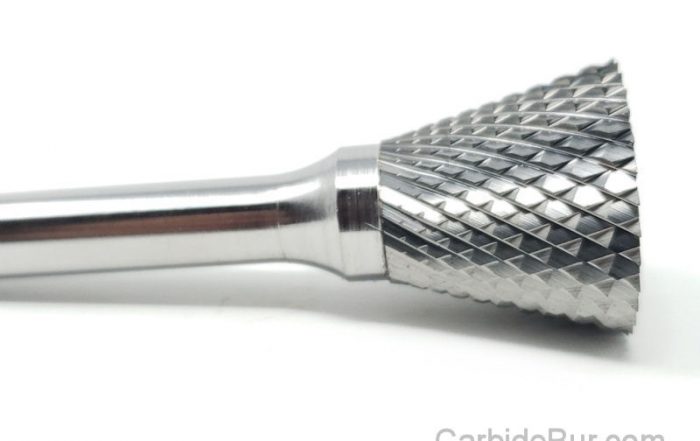
How to Choose the Best Carbide Burr for Welding and Metal Fabrication
How to Choose the Best Carbide Burr for Welding and Metal Fabrication Welding and metal fabrication often require more than joining two pieces of metal together. Once the welding is finished, fabricators frequently need to [...]
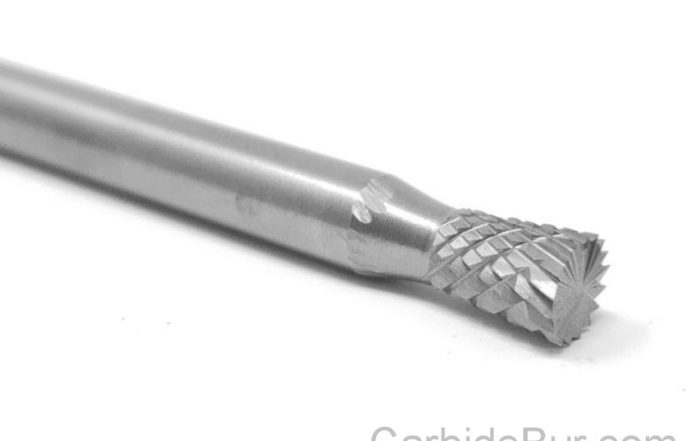
Carbide Burrs for Cylinder Heads: What Automotive Enthusiasts Need to Know
Carbide Burrs for Cylinder Heads: What Automotive Enthusiasts Need to Know Cylinder head work is an important part of engine building, restoration, and performance machining. Whether you are cleaning up casting imperfections, refining port surfaces, [...]
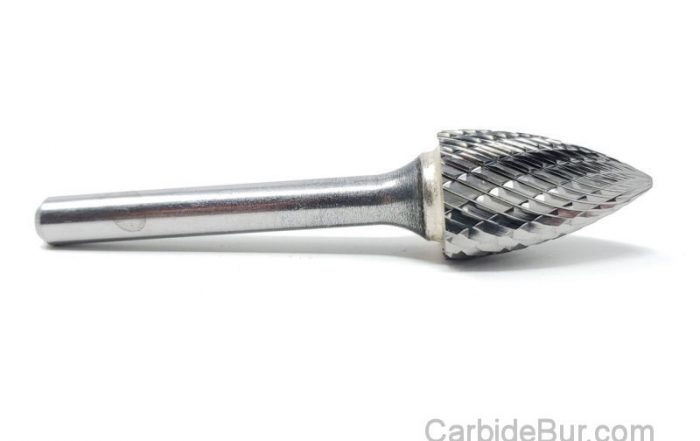
Engine Porting 101: How Carbide Burrs Help Shape Cylinder Head Ports
Engine Porting 101: How Carbide Burrs Help Shape Cylinder Head Ports Engine performance enthusiasts, automotive machinists, and engine builders often look for ways to improve airflow through an engine's cylinder heads. One technique used in [...]
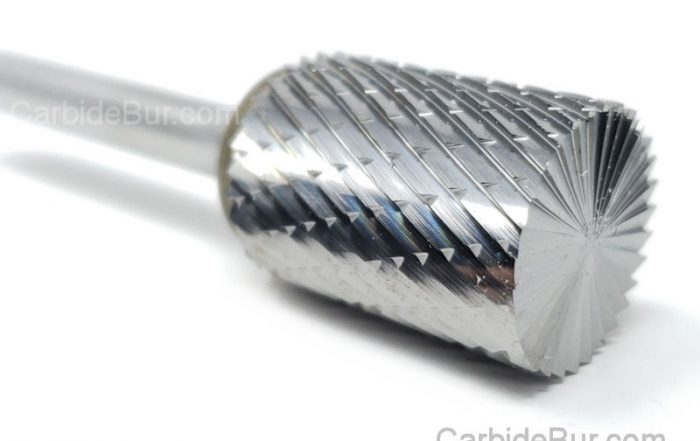
When to Use a 4-Inch or 9-Inch Die Grinder Extension
When to Use a 4-Inch or 9-Inch Die Grinder Extension Metal fabrication, welding, automotive repair, and engine building often require working in places where a standard die grinder and carbide burr cannot easily reach. Recessed [...]
Why Buy USA-Made Carbide Burr Tools? What Buyers Should Compare
Why Buy USA-Made Carbide Burr Tools? What Buyers Should Compare When shopping for carbide burr tools, it's tempting to compare products based on price alone. However, professionals who use rotary cutting tools for welding, metal [...]
How to Use 1/8-Inch Rotary Bits with a Die Grinder
How to Use 1/8-Inch Rotary Bits with a Die Grinder Die grinders are popular tools for metalworking, fabrication, deburring, and precision material removal. However, many die grinders use a 1/4-inch collet, while smaller rotary tools [...]

Can You Use a Carbide Burr With an Electric Die Grinder?
Can You Use a Carbide Burr With an Electric Die Grinder? Most people don’t realize how much a carbide burr can change the way an electric die grinder works. Using the right burr type can [...]
How to Deburr Holes With a Carbide Burr
How to Deburr Holes With a Carbide Burr Most people think any tool will do for deburring holes. The truth is, using the right carbide burr with the correct size and shape changes everything. In [...]
How to Choose the Correct Carbide Burr Shank Size
How to Choose the Correct Carbide Burr Shank Size Many machinists lose hours troubleshooting tool issues caused by the wrong carbide burr shank size. Using a shank that doesn’t fit your grinder can lead to [...]
How to Remove Casting Flash With a Carbide Burr
How to Remove Casting Flash With a Carbide Burr Casting flash ruins the look and fit of your metal parts. You’ve tried sanding or grinding, but the results aren’t clean or fast enough. Learning how [...]