Carbide Burr Safety: RPM, Eye Protection, and Common Mistakes
Carbide burrs are versatile cutting tools used for metal fabrication, welding cleanup, engine porting, deburring, and general material removal. When used correctly, they can help remove unwanted material and refine metal surfaces with precision. However, carbide burrs rotate at high speeds, and improper tool selection, damaged accessories, or an unstable workpiece can create serious safety hazards.
Learning how to use carbide burr safely starts with understanding rated operating speeds, choosing compatible equipment, securing the workpiece, wearing appropriate protective equipment, and inspecting the burr before every use.
Whether you are a professional fabricator, mechanic, machinist, or DIY enthusiast, following these precautions can help you work more confidently while reducing avoidable risks.

Do you need a longer reach for your die grinder tool bits?
1. Understand Carbide Burr RPM Ratings
One of the most important carbide burr safety considerations is rotational speed, measured in revolutions per minute (RPM).
Die grinders and rotary tools can operate at high speeds, but not every carbide burr is designed to run at the maximum speed of every tool. The allowable speed depends on the burr’s design, diameter, construction, and the manufacturer’s specifications.
Never assume that a carbide burr is safe to operate at the grinder’s maximum RPM.
Before starting, check the following:
- The maximum rated RPM of the carbide burr.
- The operating speed of the die grinder or rotary tool.
- The ratings of any collet, adapter, or extension used.
- The manufacturer’s instructions for the complete tool setup.
The operating speed must remain within the limits specified for all components. If the burr’s speed rating is unavailable or cannot be verified, do not guess.
Why excessive RPM is dangerous
Operating a burr above its rated speed can increase the risk of tool failure, excessive vibration, and flying fragments. A damaged or improperly secured burr can also become dangerous at high rotational speeds.
Larger-diameter cutting heads may have different speed limitations from smaller heads. Never use a general RPM recommendation as a substitute for the specific manufacturer’s rating.
If your grinder has adjustable speed, select a setting permitted by the burr manufacturer and appropriate for the material and application.
2. Wear Proper Eye and Face Protection
Carbide burrs remove material by cutting, and the process can generate flying metal particles, chips, and sparks. Even a brief grinding operation can send debris toward your face.
At a minimum, wear appropriate safety glasses with side protection. For operations that create significant flying debris, use a suitable face shield in addition to safety glasses, not as a replacement for them.
Depending on the job, additional protective equipment may include:
- Hearing protection.
- Suitable work clothing that protects exposed skin.
- Respiratory protection when required by the dust hazard assessment.
- Safety footwear appropriate to the work environment.
Check that protective equipment is in good condition and appropriate for the hazards involved. Ordinary prescription glasses or sunglasses should not be treated as substitutes for rated safety eyewear.
Keep bystanders away from the grinding area, and ensure that anyone nearby is also protected from flying debris.
3. Secure the Workpiece Before Grinding
A stable workpiece is essential for safe carbide burr operation. If a metal component moves unexpectedly, the burr can catch an edge, gouge the surface, or pull the tool out of position.
Before starting, clamp the workpiece securely using a suitable vise, fixture, or workholding system. Choose a setup that supports the part without interfering with the cutting area.
Avoid holding small metal parts in your hand while grinding them with a high-speed rotary tool. Handholding can make it difficult to resist sudden tool movement and keep your hands away from the cutting head.
A safe setup should provide:
- Stable support for the component.
- Adequate clearance around the cutting area.
- A comfortable, controlled working position.
- A clear path for sparks and debris.
- Enough room to stop the tool without striking nearby objects.
If the component cannot be secured adequately, change the workholding arrangement before continuing.
4. Inspect the Carbide Burr Before Every Use
Never assume that a burr is safe simply because it worked properly during your last job. Carbide cutting heads can become worn, chipped, contaminated, or damaged during use and storage.
Before installing a burr, inspect the cutting head and shank under good lighting.
Look for:
- Chipped or missing cutting teeth.
- Cracks or visible damage.
- A bent or damaged shank.
- Excessive wear or unusual discoloration.
- Debris or material buildup that could interfere with cutting.
- Signs of damage around the shank or other mounting surfaces.
Do not use a burr that is cracked, chipped, bent, or otherwise damaged. Replace it rather than attempting to repair a damaged cutting head.
Also inspect the collet, adapter, and grinder connection. A sound burr cannot compensate for a worn or incompatible holder.
After installation, follow the manufacturer’s procedure for checking that the accessory is properly seated and secured. If the tool vibrates unusually or the burr appears to run out of alignment, stop immediately and investigate.
5. Keep Clothing, Hair, and Hands Away from Rotating Parts
A carbide burr’s rotating shank and cutting head can catch loose clothing, jewelry, hair, or other objects. Entanglement can cause severe injury before the operator has time to react.
Before operating a die grinder or rotary tool:
- Secure long hair away from the tool.
- Remove dangling jewelry, watches, and other loose accessories.
- Avoid loose sleeves, drawstrings, and hanging clothing.
- Keep hands clear of the rotating burr and its cutting path.
- Maintain a firm grip and stable posture.
- Disconnect the power or air supply before changing accessories or making adjustments.
Do not wear gloves where they could be caught by exposed rotating machinery. Follow the tool manufacturer’s guidance and applicable workplace rules for hand protection.
Never reach across a rotating burr or attempt to remove debris while the tool is running.
6. Control Dust, Chips, and Respiratory Hazards
Carbide burrs can produce fine dust and metal particles, particularly during extended grinding operations. The type and quantity of airborne contaminants depend on the material being worked, any coatings present, and the grinding process.
Cast iron, stainless steel, aluminum, and coated metals can produce different hazards. Some materials or coatings may contain substances that require specific exposure controls.
Use appropriate dust extraction
Where dust is generated, use a suitable extraction system positioned to capture particles near the cutting area. Select equipment designed for the material and application.
Avoid using compressed air or dry sweeping methods that disperse dust into the air. Clean the work area using appropriate methods for the material being processed.
Select respiratory protection when needed
If extraction and other controls do not adequately reduce exposure, appropriate respiratory protection may be necessary. Selection should be based on the material, exposure assessment, and applicable workplace requirements. Respirators must be suitable for the hazard and properly fitted.
Do not assume that an ordinary dust mask is sufficient for every metalworking operation.
Consider sparks and combustible materials
Grinding can generate sparks. Keep flammable liquids, combustible dust, paper, and other ignition hazards away from the work area. Ensure that the extraction equipment is appropriate for the material and process, especially where combustible metal dust may be present.
Good housekeeping and proper ventilation are important parts of safe metalworking.
7. Use Controlled Pressure and Avoid Side Loading
Carbide burrs are designed to cut material through their fluted cutting edges. Applying excessive pressure does not necessarily make them cut faster and can make the operation less predictable.
Excessive pressure can cause the burr to chatter, bind, overheat, or become difficult to control. It may also increase stress on the shank and cutting head.
For better control:
Let the cutting edges do the work. Apply steady, controlled pressure instead of forcing the burr into the metal.
Avoid excessive side loading. Do not use the burr as a lever or pry bar, and avoid pushing sideways in ways the tool is not designed to withstand.
Use gradual passes. Remove material in stages, especially when working near edges, openings, and thin sections.
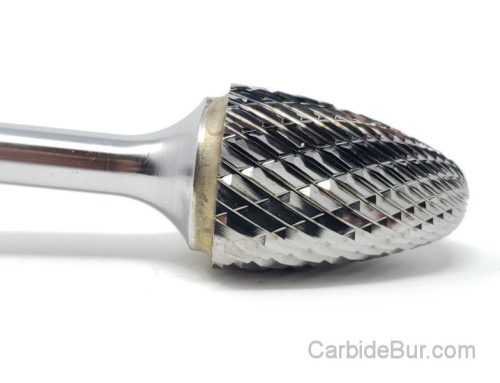
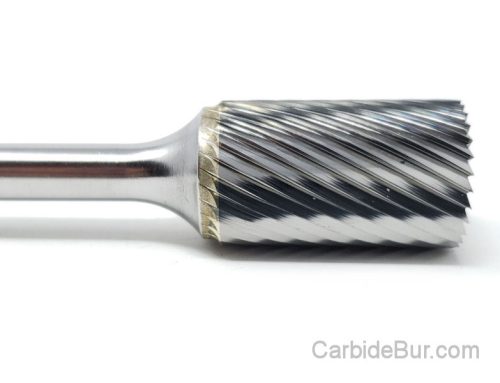
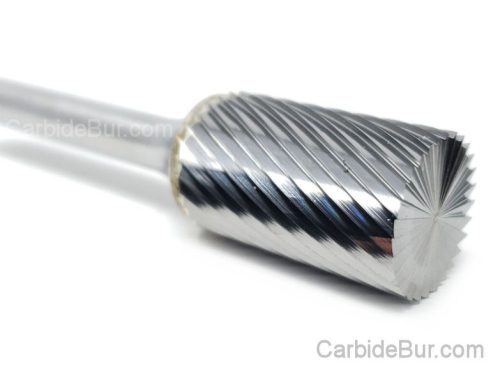
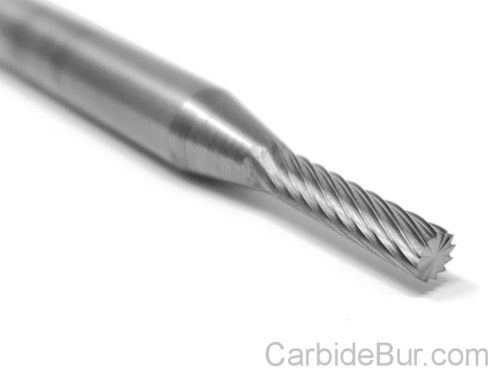
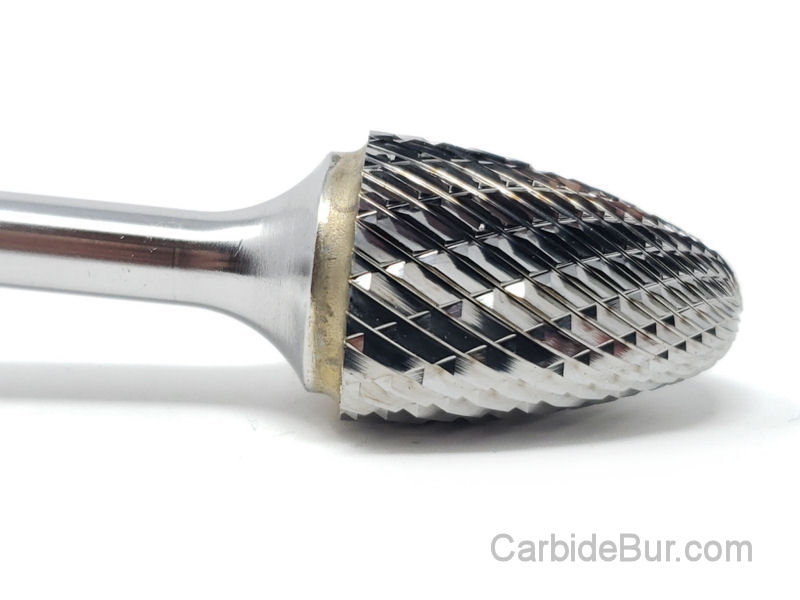
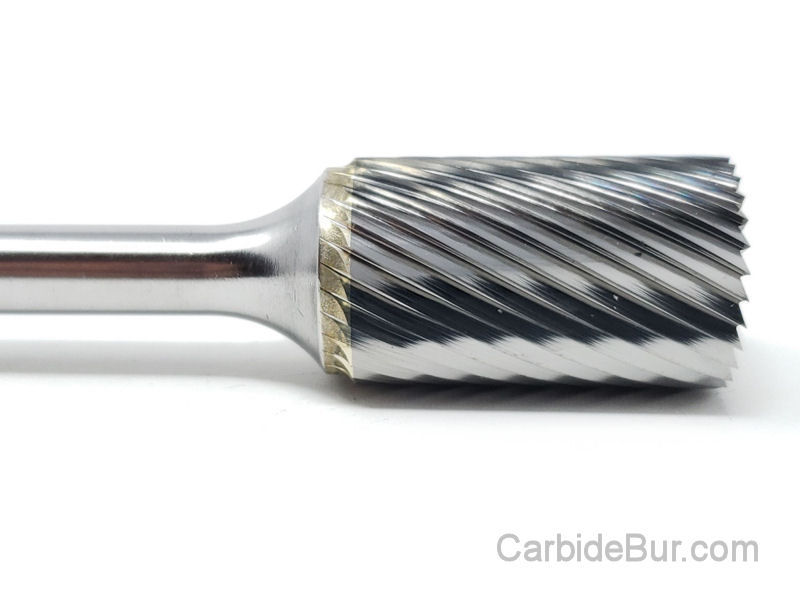
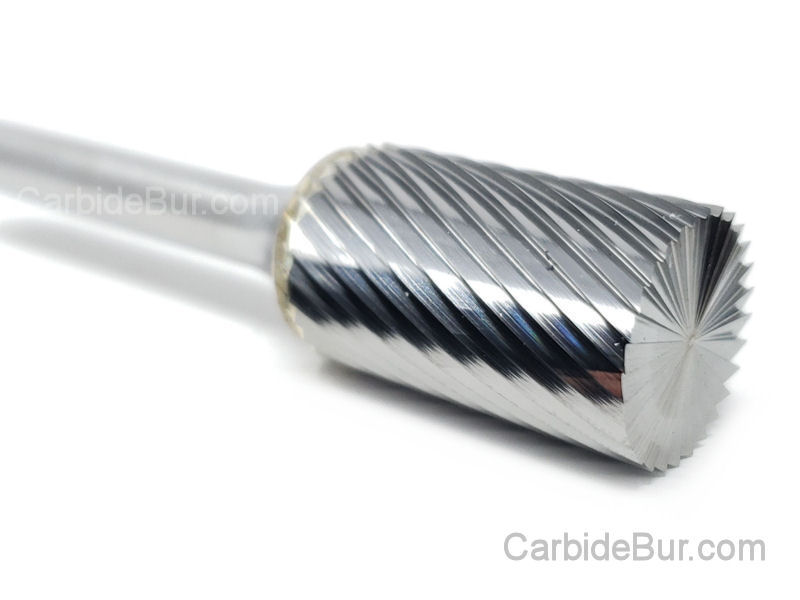
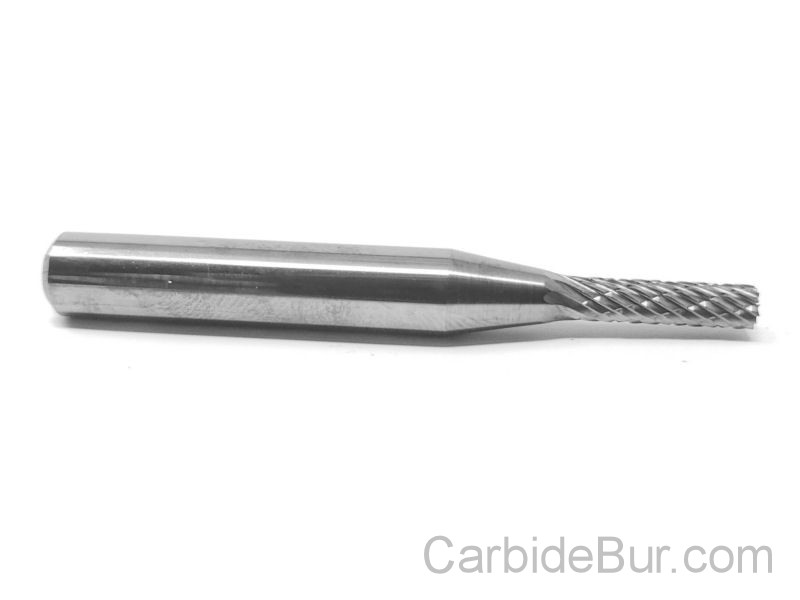
Choose the correct profile. A cylindrical, ball, oval, or tapered burr may behave differently depending on the surface and access requirements.
Stop if the tool behaves unexpectedly. Unusual vibration, chatter, slipping, or a sudden change in sound can indicate a problem with the burr, workpiece, or setup.
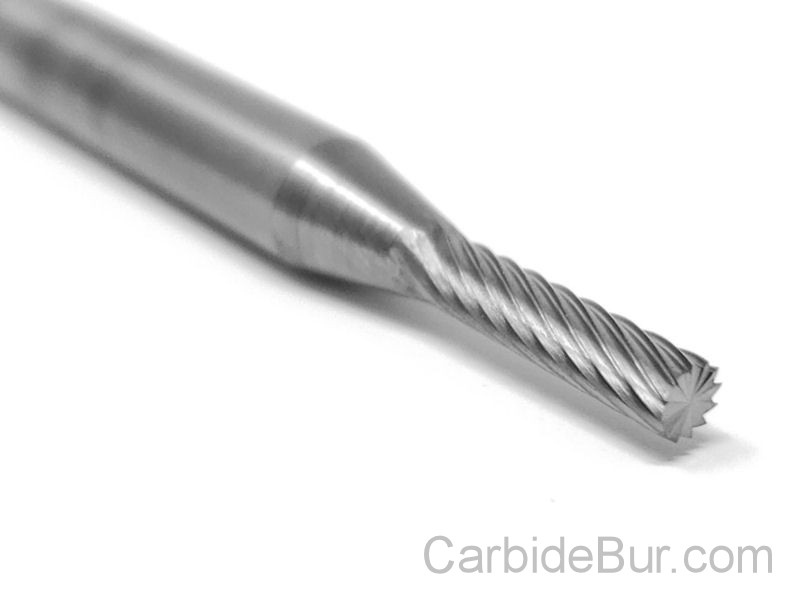
For long-shank burrs and die grinder extensions, take particular care to follow the manufacturer’s instructions. Additional reach can increase deflection and make control more challenging. Never extend a shank farther out of its holder than permitted.
8. Confirm the Collet and Adapter Fit Correctly
The burr must fit securely in a compatible collet or approved adapter. Forcing a smaller shank into an incompatible holder can cause slipping, vibration, or accessory release.
For example, a 1/8-inch-shank rotary bit should only be used with a holding system specifically designed to secure that size. A die grinder intended for 1/4-inch-shank accessories may require a compatible reducing collet adapter or another manufacturer-approved configuration.
Before use, confirm:
- The shank diameter matches the holder or adapter.
- The adapter is approved for the particular grinder and accessory.
- The burr is inserted to the required depth.
- The holder is tightened according to the manufacturer’s instructions.
- All components are rated for the intended operating speed.
Never rely on improvised shims, modified holders, or excessive tightening to make incompatible components fit.
9. Common Carbide Burr Safety Mistakes to Avoid
Many preventable incidents begin with a seemingly small shortcut. Avoid these common mistakes:
Exceeding the rated RPM: Always follow the burr manufacturer’s maximum speed and the limits of the complete setup.
Grinding with a damaged burr: Chipped teeth, cracks, and bent shanks are reasons to remove the tool from service.
Holding an unsecured part: A moving workpiece makes precise cutting more difficult and increases the risk of sudden tool movement.
Skipping eye protection: Flying chips and fragments can cause serious eye injuries, even during short jobs.
Ignoring dust hazards: Fine particles may be harmful to breathe, depending on the material and exposure.
Wearing loose clothing: Sleeves, jewelry, and unsecured hair can become entangled in rotating machinery.
Forcing the cutting head: Excessive pressure and side loading can reduce control and increase tool stress.
Using incompatible adapters: A physical fit does not prove that a combination is safe at operating speed.
Adjusting the tool while it is running: Always stop the tool and disconnect its power source before changing or adjusting accessories.
Taking a few moments to check the setup before starting can prevent damage to the tool and workpiece and help reduce the risk of injury.
10. A Simple Carbide Burr Safety Checklist
Before each job, review these essential checks:
- The burr is appropriate for the material and application.
- The burr, grinder, collet, and adapter are compatible.
- The complete setup is within the manufacturers’ rated speed limits.
- The burr and shank have no visible damage.
- The workpiece is securely clamped.
- Safety glasses and any required face protection are in place.
- Dust extraction and other exposure controls are suitable for the material.
- Loose clothing, jewelry, and unsecured hair are kept away from rotating parts.
- The work area is clear of unnecessary people and combustible materials.
- The operator can maintain a stable grip and controlled working position.
If any critical check fails, correct the problem before operating the tool.
Work Confidently with the Right Carbide Burrs
Safe carbide burr use starts with compatible equipment, verified RPM limits, a secure workpiece, proper protective equipment, and regular inspection of the cutting tool. Following these practices helps you approach metalworking jobs with better control while reducing preventable risks.
At CarbideBurr.net, you can explore USA-made carbide burr tools for fabrication, welding cleanup, automotive work, and general metalworking. Choosing the appropriate cutting profile and shank size for your application is an important first step. Always verify compatibility and follow the manufacturer’s operating and safety instructions before use.
Whether you’re a professional fabricator or a home workshop enthusiast, combining suitable tools with sound safety practices helps make every job more controlled and predictable.
Explore carbide burr tools at CarbideBurr.net and choose the right profile for your next metalworking project.
Looking for Carbide Bur Tools?
Check out our entire selection of USA made carbide bur die grinder tool bits
Follow us on Twitter

Return to CarbideBur.com
Carbide Burs – 1/4″ on 1/8″ Shanks – Accessories – Aluminum Cut – Bur Sets – End Mills – Long Shank – Solid Burs
Carbide Burr Safety: RPM, Eye Protection, and Common Mistakes
Carbide Burr Safety: RPM, Eye Protection, and Common Mistakes Carbide burrs are versatile cutting tools used for metal fabrication, welding cleanup, engine porting, deburring, and general material removal. When used correctly, they can help remove [...]
How to Stop Aluminum from Clogging Your Carbide Burr
How to Stop Aluminum from Clogging Your Carbide Burr Aluminum is widely used in automotive work, welding, metal fabrication, aerospace components, and general machining. It is lightweight, relatively easy to machine, and versatile across many [...]
Carbide Burrs for Intake Manifolds: Shaping, Cleanup, and Fitment
Carbide Burrs for Intake Manifolds: Shaping, Cleanup, and Fitment Intake manifold work often involves more than simply bolting a component onto an engine. Depending on the application, metal intake components may have casting irregularities, rough [...]
Why Long-Shank Carbide Burrs Are Useful for Hard-to-Reach Areas
Why Long-Shank Carbide Burrs Are Useful for Hard-to-Reach Areas When working on metal parts, the area that needs grinding or shaping is not always easy to reach. Recessed openings, deep cavities, interior surfaces, and complicated [...]
Choosing Carbide Burrs for Stainless Steel Fabrication
Choosing Carbide Burrs for Stainless Steel Fabrication Stainless steel is widely used in fabrication because of its corrosion resistance, strength, and durability. However, those same properties can make it challenging to machine and finish. Removing [...]
Can You Use Carbide Burrs in a Dremel? Shank Sizes Explained
Can You Use Carbide Burrs in a Dremel? Shank Sizes Explained If you use a Dremel or another rotary tool for detail work, metal shaping, or small fabrication projects, you may wonder whether you can [...]
How to Choose the Best Carbide Burr for Welding and Metal Fabrication
How to Choose the Best Carbide Burr for Welding and Metal Fabrication Welding and metal fabrication often require more than joining two pieces of metal together. Once the welding is finished, fabricators frequently need to [...]
Carbide Burrs for Cylinder Heads: What Automotive Enthusiasts Need to Know
Carbide Burrs for Cylinder Heads: What Automotive Enthusiasts Need to Know Cylinder head work is an important part of engine building, restoration, and performance machining. Whether you are cleaning up casting imperfections, refining port surfaces, [...]
Engine Porting 101: How Carbide Burrs Help Shape Cylinder Head Ports
Engine Porting 101: How Carbide Burrs Help Shape Cylinder Head Ports Engine performance enthusiasts, automotive machinists, and engine builders often look for ways to improve airflow through an engine's cylinder heads. One technique used in [...]
When to Use a 4-Inch or 9-Inch Die Grinder Extension
When to Use a 4-Inch or 9-Inch Die Grinder Extension Metal fabrication, welding, automotive repair, and engine building often require working in places where a standard die grinder and carbide burr cannot easily reach. Recessed [...]
Why Buy USA-Made Carbide Burr Tools? What Buyers Should Compare
Why Buy USA-Made Carbide Burr Tools? What Buyers Should Compare When shopping for carbide burr tools, it's tempting to compare products based on price alone. However, professionals who use rotary cutting tools for welding, metal [...]
How to Use 1/8-Inch Rotary Bits with a Die Grinder
How to Use 1/8-Inch Rotary Bits with a Die Grinder Die grinders are popular tools for metalworking, fabrication, deburring, and precision material removal. However, many die grinders use a 1/4-inch collet, while smaller rotary tools [...]