Why Buy USA-Made Carbide Burr Tools? What Buyers Should Compare
When shopping for carbide burr tools, it’s tempting to compare products based on price alone. However, professionals who use rotary cutting tools for welding, metal fabrication, automotive work, and industrial applications know that other factors matter just as much. Manufacturing origin, tool specifications, consistency, product availability, and customer service can all influence the buying decision.
Choosing USA-made carbide burrs can appeal to buyers who want to support American manufacturing, purchase from a domestic supplier, and understand where their tools are produced. But not every product sold by an American company is manufactured in the United States. Knowing what to compare helps you make a more informed purchasing decision.
In this guide, we’ll explain the factors to consider when buying carbide burrs and why American-made tools may be worth considering for your workshop or business.

Do you need a longer reach for your die grinder tool bits?
1. Check Where the Carbide Burrs Are Actually Made
One of the first things to check when shopping for carbide burrs is the product’s actual manufacturing origin.
A company may be based in the United States, operate an American warehouse, or ship orders domestically without manufacturing its products here. Similarly, an American brand name does not automatically mean that every item it sells is made in America.
If domestic manufacturing matters to you, look for a clear statement identifying where the tools are manufactured. Check the product listing, manufacturer’s information, and any applicable country-of-origin labeling.
Consider asking the seller these questions:
- Where is the carbide burr manufactured?
- Does the country-of-origin claim apply to the specific product you’re purchasing?
- Is the tool manufactured domestically, imported, or assembled using components from multiple countries?
- Can the seller clarify the origin claim if the product description is unclear?
Do not assume that a product is made in the USA simply because it is sold by an American business. Verify the claim for the particular tool you intend to buy.
For buyers who prioritize domestic manufacturing, clear and accurate origin information makes it easier to choose products that align with their preferences.
2. Why Buyers May Prefer USA-Made Carbide Burrs
There are several reasons a metalworker or business owner may prefer American-made carbide burrs.
Supporting American manufacturing
Some buyers want their purchases to support domestic manufacturers, manufacturing jobs, and industrial capabilities within the United States.
Choosing a product that is genuinely manufactured in America can align with that goal. However, the broader economic impact of an individual purchase depends on the manufacturer’s supply chain, sourcing, production process, and business operations.
Buying from a domestic supplier
Working with a US-based supplier may make communication, order support, and shipping logistics more convenient. A domestic supplier may also provide clearer information about inventory, product specifications, and order fulfillment.
However, a US-based supplier is not necessarily a US manufacturer. If both domestic manufacturing and domestic customer service matter to you, evaluate them separately.
Knowing what you are purchasing
Buyers benefit when a seller clearly identifies product dimensions, cutting profiles, shank sizes, material applications, and other relevant specifications.
These details are important regardless of where a carbide burr is made. Manufacturing origin can be one purchasing consideration, but it does not replace the need to evaluate the actual tool.
3. Compare Tool Specifications Before Buying
A carbide burr must match the material, equipment, and type of work you intend to perform. A product’s origin does not tell you whether it is suitable for a particular application.
Before purchasing, compare the following specifications.
Cutting-head shape
Different burr profiles are designed for different cutting tasks and workpiece geometries.
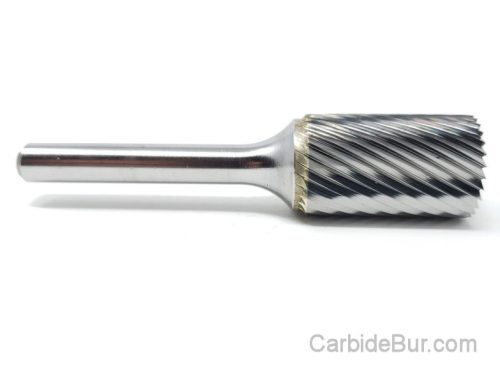
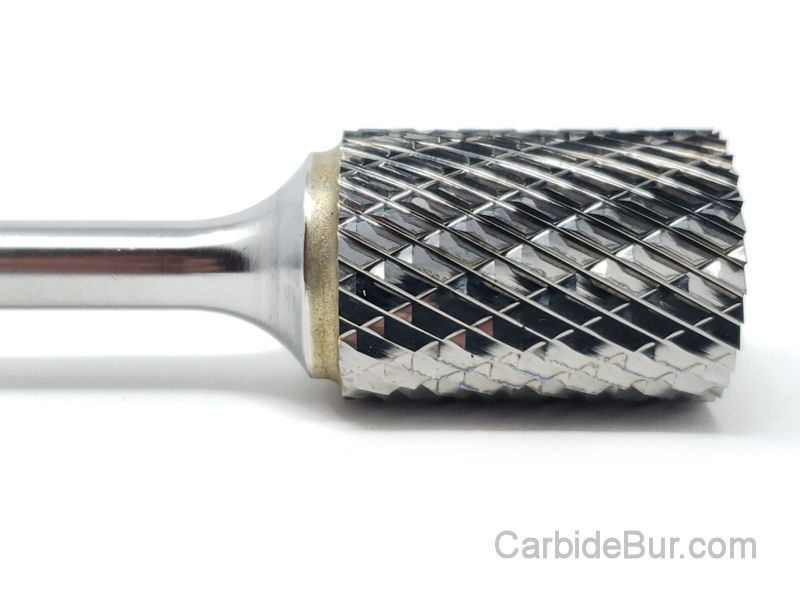
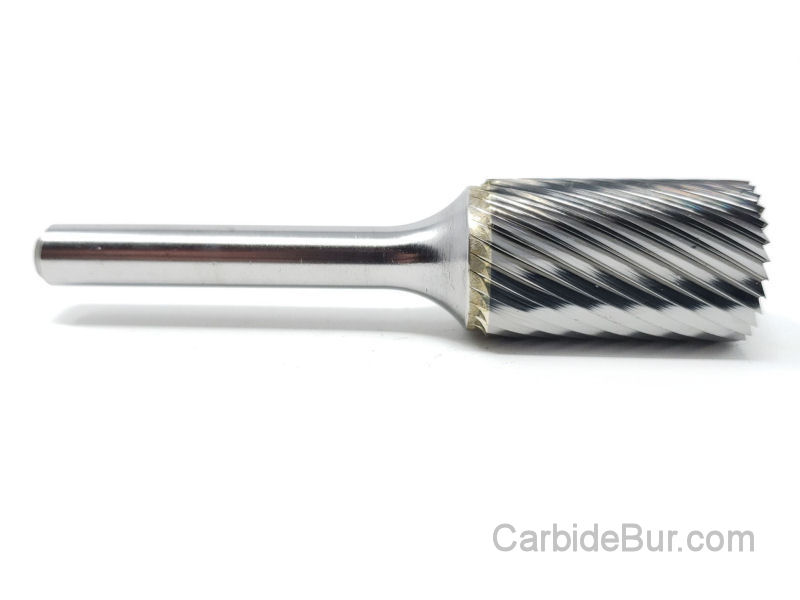
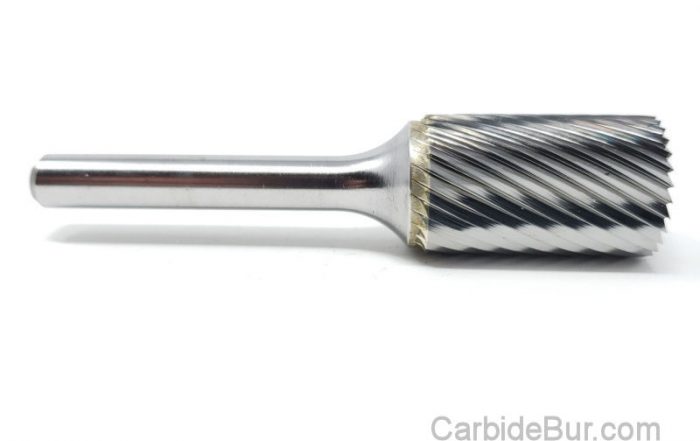
- Cylindrical burrs: Useful for certain edges, flatter surfaces, and localized material removal.
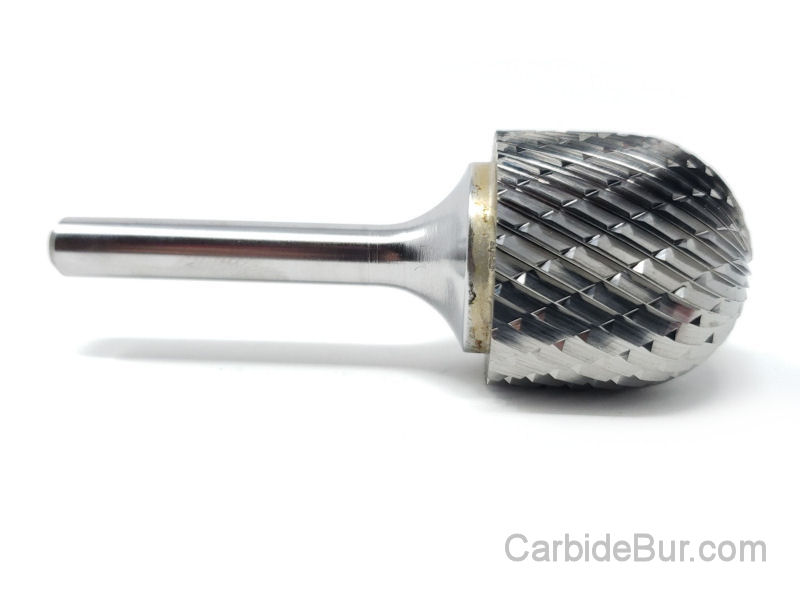
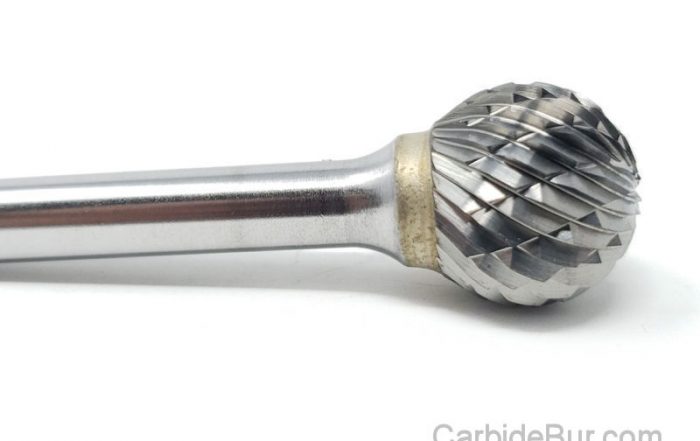
- Ball burrs: Suitable for some rounded contours and recessed surfaces.
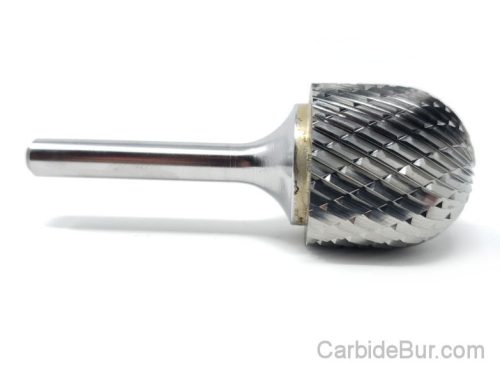
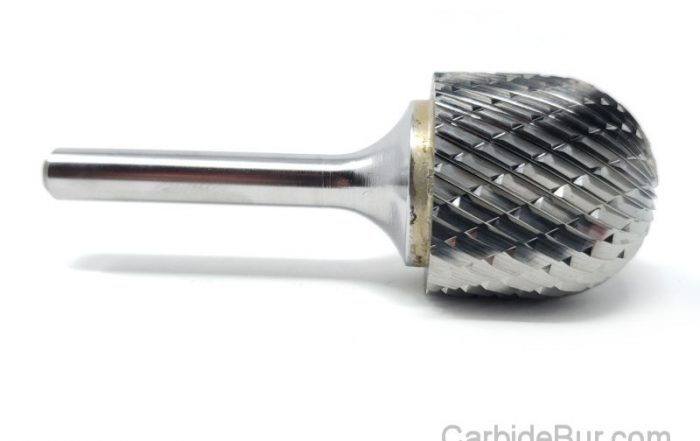
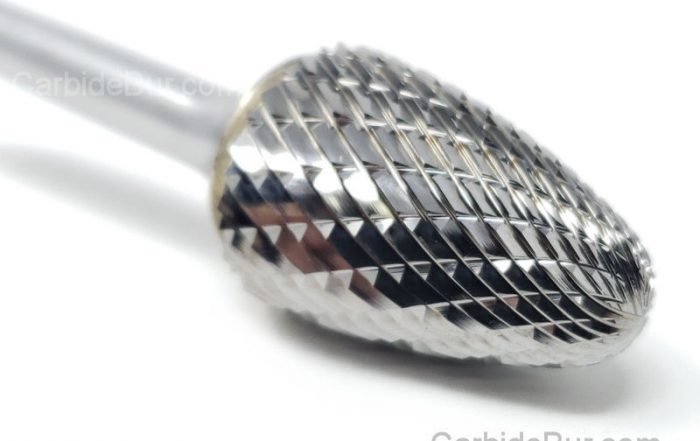
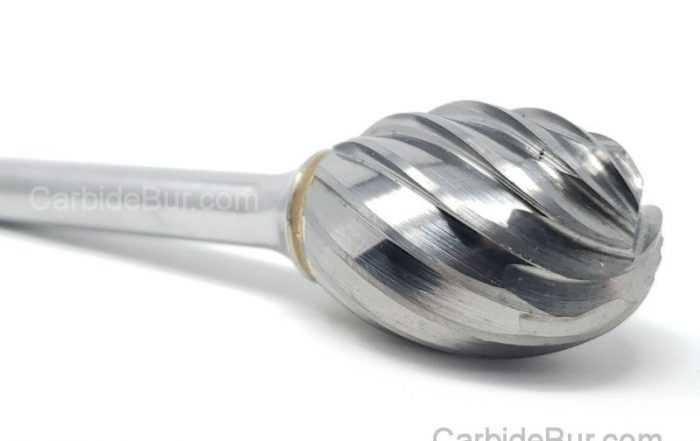
- Oval burrs: Helpful for selected curved surfaces and transitions.
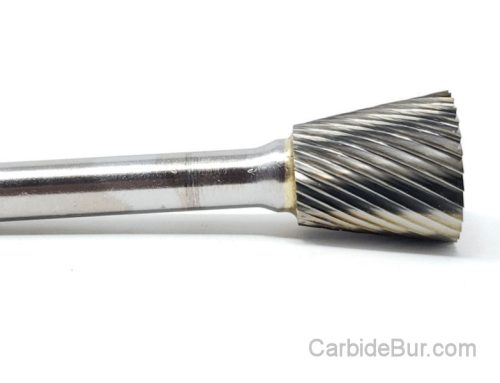
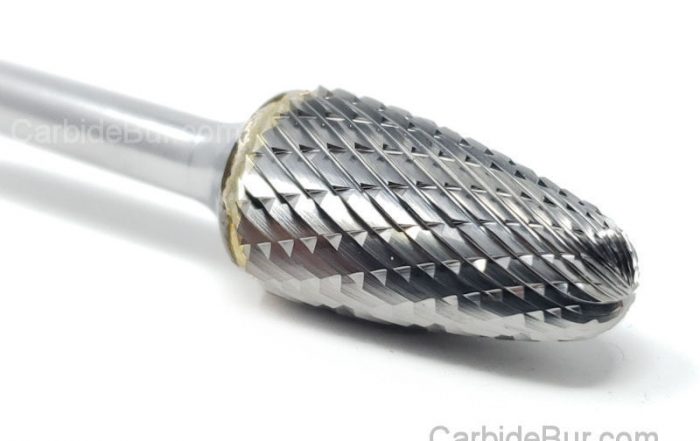
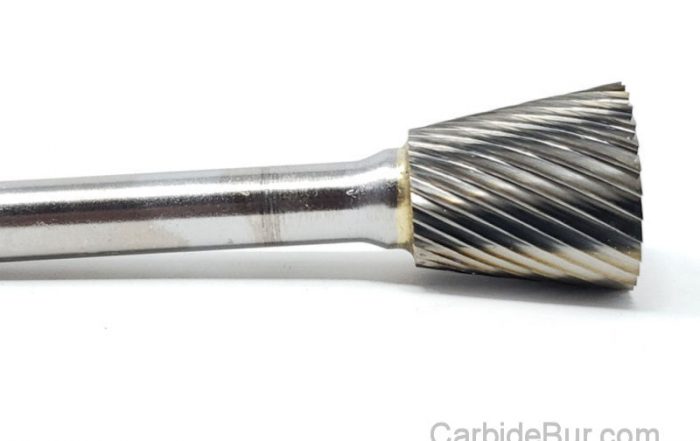
- Tree-shaped or tapered burrs: Useful for certain corners, angled surfaces, and narrow areas.
Choose a profile that fits the workpiece rather than selecting a shape based on price or appearance alone.
Shank diameter
Common carbide burr shank sizes include 1/8 inch and 1/4 inch. The correct size depends on the tool’s collet or approved adapter system.
Verify the shank diameter before ordering. A burr with the wrong shank size will not fit securely in an incompatible holder.
Cut style
The cutting geometry affects how a burr removes material and how it behaves on different workpieces. Consider the metal you are machining and the finish or material removal required.
For example, aluminum often benefits from a burr specifically designed to reduce material buildup on the cutting flutes. Stainless steel and cast iron have their own machining considerations, so choose tooling appropriate for the material and application.
Length and reach
Standard-length burrs work well for many accessible surfaces. Longer-shank burrs and compatible die grinder extensions may help when reaching recessed openings, interior surfaces, or difficult-to-access areas.
Verify the compatibility and rated operating speed of the entire setup before use.
4. Look for Consistency and Clear Product Information
Consistency matters when you use carbide burrs regularly. Fabricators, mechanics, and machine shops may need to reorder the same profiles and sizes for repeat jobs.
When comparing suppliers, look for clear specifications and product descriptions that help you identify the correct tool again.
Useful information includes:
- Cutting-head dimensions and shape.
- Shank diameter and overall length.
- Intended material applications.
- Available cut styles.
- Rated operating speed or relevant manufacturer guidance.
- Product identification that makes repeat ordering straightforward.
If a product description leaves important details unanswered, contact the seller before ordering.
It is also worth distinguishing between a supplier’s marketing claims and verifiable specifications. Statements about manufacturing origin, consistency, durability, or performance should be supported by relevant product information rather than assumed from the country of manufacture.
5. Consider Availability and Shipping Speed
When a carbide burr breaks, wears out, or is needed for an urgent job, availability can matter as much as the initial purchase price.
A supplier with inventory on hand may help you obtain replacement tools without waiting for a product to be manufactured or restocked. This can be especially useful for workshops that rely on specific burr shapes or sizes.
Compare these purchasing details:
In-stock status: Check whether the particular size and profile you need are available, rather than assuming every product is in stock.
Order processing: Find out when orders are typically processed and shipped. Same-day shipping may be available for qualifying orders placed before a stated cutoff, but it does not mean delivery will occur the same day.
Shipping cost: Compare shipping charges and any free-shipping threshold when calculating the total order cost.
Repeat ordering: If you regularly use the same burrs, consider whether the supplier makes it easy to find and reorder the correct product.
For businesses, predictable availability can help with purchasing and inventory planning. However, actual delivery times depend on the seller, carrier, destination, and order circumstances.
6. Don’t Overlook Customer Service
Carbide burr selection can become complicated when you are working with unfamiliar materials, different shank sizes, or specialized applications. Responsive customer service can help you identify the right product before placing an order.
A useful supplier should be able to clarify product dimensions, compatibility, available profiles, and basic ordering questions.
Before buying, consider whether the seller provides:
- Clear product descriptions and specifications.
- A straightforward way to ask questions.
- Assistance identifying compatible accessories.
- Accessible order and shipping information.
- Clear policies for returns or damaged shipments.
Good customer service is particularly valuable when you need to confirm whether a specific burr or adapter is suitable for your grinder.
Remember that purchasing advice is not a substitute for the tool manufacturer’s operating instructions. Always verify RPM ratings, compatibility, and safety requirements before using the tool.
7. Compare Total Value Instead of Price Alone
The lowest-priced carbide burr is not automatically the most economical choice, but a higher price does not guarantee better performance either.
Compare the total value of the purchase by looking at several factors together.
| Buying factor | What to check |
|---|---|
| Manufacturing origin | Is the specific tool genuinely manufactured in the USA if that is your preference? |
| Specifications | Are the shape, dimensions, shank size, and application clearly identified? |
| Suitability | Is the burr appropriate for your material and task? |
| Availability | Is the size you need in stock? |
| Shipping | What are the processing times, shipping charges, and delivery estimates? |
| Customer support | Can the supplier answer questions about product details and compatibility? |
| Total cost | What is the final price after shipping and any applicable discounts? |
A slightly lower price may not be the best value if the product is unsuitable for your equipment or difficult to reorder. Likewise, paying more for a particular origin or supplier may make sense for your priorities, but it should be an informed choice.
The best purchasing decision is one that balances your application, specifications, budget, and preferences.
8. Why Buy USA-Made Carbide Burrs from CarbideBurr.net?
At CarbideBurr.net, we offer USA-made carbide burr tools for metalworking, fabrication, automotive work, and other applications where controlled material removal is important.
Our product selection is intended for users who need practical cutting tools for jobs such as weld cleanup, deburring, shaping metal, and working on suitable engine components.
When choosing a burr, consider the cutting profile, shank size, material, and reach required for your project. You can also explore options for specialized tasks, including aluminum-cut burrs, long-reach applications, and compatible die grinder accessories.
We understand that buyers want more than a product listing. They want to identify the right tool, understand what they are purchasing, and obtain the supplies needed to keep their work moving.
Our website provides a place to explore our carbide burr selection and compare the available options for your application.
9. Who Should Consider American-Made Carbide Burr Tools?
USA-made carbide burrs may be worth considering for several types of buyers.
Welders and metal fabricators may need burrs for cleaning up weld areas, deburring edges, and refining fabricated components.
Automotive enthusiasts and engine builders may use suitable carbide burrs for selected cleanup and shaping tasks on compatible components.
Machine shops and industrial maintenance teams may value clear specifications, repeat ordering, and access to the profiles required for recurring jobs.
Small businesses and independent tradespeople may prefer working with a supplier that can answer product questions and provide clear information about stock and shipping.
Buyers who prioritize domestic manufacturing may specifically seek tools manufactured in the United States as part of their purchasing preferences.
Regardless of your occupation, choose a carbide burr based on the job, the material, your equipment, and the manufacturer’s instructions. Domestic origin can be an important purchasing preference, but it should be considered alongside suitability and product specifications.
Shop USA-Made Carbide Burr Tools
Choosing carbide burrs involves more than comparing prices. Manufacturing origin, cutting-head shape, shank size, material suitability, availability, shipping, and customer service all deserve consideration.
For buyers who prefer American-made products, verifying the actual country of manufacture is an important first step. From there, compare specifications and make sure the tool fits your equipment and application.
At CarbideBurr.net, you can explore our USA-made carbide burr tools for fabrication, welding cleanup, automotive work, and general metalworking. Find the profile and size suited to your project, and review the product details before ordering.
Shop USA-made carbide burrs at CarbideBurr.net and choose the right cutting tool for your next job.
Looking for Carbide Bur Tools?
Check out our entire selection of USA made carbide bur die grinder tool bits
Follow us on Twitter

Return to CarbideBur.com
Carbide Burs – 1/4″ on 1/8″ Shanks – Accessories – Aluminum Cut – Bur Sets – End Mills – Long Shank – Solid Burs
Why Buy USA-Made Carbide Burr Tools? What Buyers Should Compare
Why Buy USA-Made Carbide Burr Tools? What Buyers Should Compare When shopping for carbide burr tools, it's tempting to compare products based on price alone. However, professionals who use rotary cutting tools for welding, metal [...]
How to Use 1/8-Inch Rotary Bits with a Die Grinder
How to Use 1/8-Inch Rotary Bits with a Die Grinder Die grinders are popular tools for metalworking, fabrication, deburring, and precision material removal. However, many die grinders use a 1/4-inch collet, while smaller rotary tools [...]

Can You Use a Carbide Burr With an Electric Die Grinder?
Can You Use a Carbide Burr With an Electric Die Grinder? Most people don’t realize how much a carbide burr can change the way an electric die grinder works. Using the right burr type can [...]
How to Deburr Holes With a Carbide Burr
How to Deburr Holes With a Carbide Burr Most people think any tool will do for deburring holes. The truth is, using the right carbide burr with the correct size and shape changes everything. In [...]
How to Choose the Correct Carbide Burr Shank Size
How to Choose the Correct Carbide Burr Shank Size Many machinists lose hours troubleshooting tool issues caused by the wrong carbide burr shank size. Using a shank that doesn’t fit your grinder can lead to [...]
How to Remove Casting Flash With a Carbide Burr
How to Remove Casting Flash With a Carbide Burr Casting flash ruins the look and fit of your metal parts. You’ve tried sanding or grinding, but the results aren’t clean or fast enough. Learning how [...]
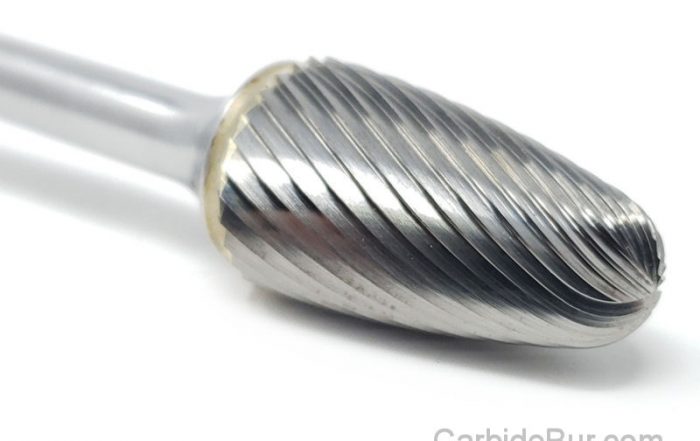
Best Carbide Burr for Enlarging a Hole in Metal
Best Carbide Burr for Enlarging a Hole in Metal When you need to enlarge a hole in metal, grabbing the wrong carbide burr can turn a simple task into a frustrating mess. Picking the best [...]
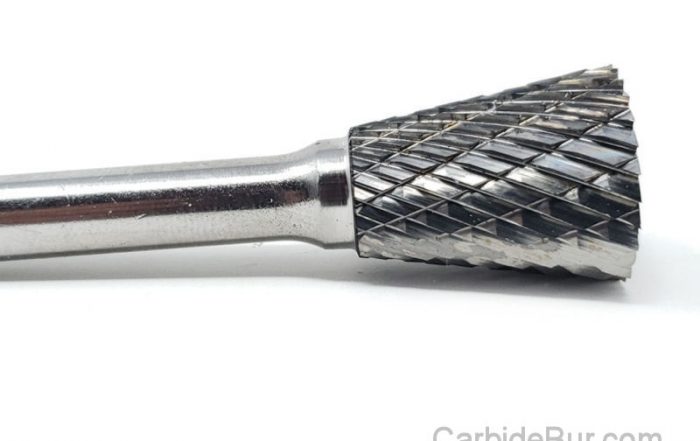
Carbide Burr Safety: 15 Mistakes That Can Cause Injury or Damage
Carbide Burr Safety: 15 Mistakes That Can Cause Injury or Damage Carbide burr safety is often overlooked until a costly mistake happens. Many metalworkers and DIYers make the same errors that lead to injuries or [...]
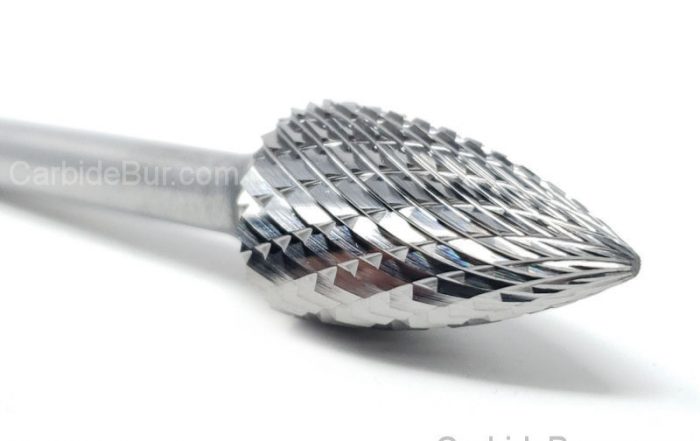
Can You Use a Carbide Burr in a Drill?
Can You Use a Carbide Burr in a Drill? Most people think a standard drill can’t handle a carbide burr, but that’s not true. Using carbide burr in the right drill can speed up your [...]
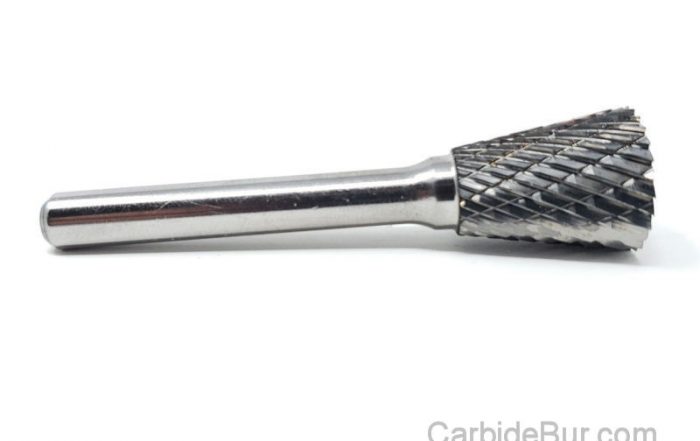
Carbide Burrs for Removing Rust: What Works Best?
Carbide Burrs for Removing Rust: What Works Best? Rust can turn your favorite tools into useless junk faster than you expect. Removing it without ruining the metal underneath takes more than just elbow grease—it demands [...]
How Much Pressure Should You Use With a Carbide Burr?
How Much Pressure Should You Use With a Carbide Burr? Most people think pressing harder with a carbide burr speeds up the job. That’s not true—too much pressure wears out your tool and ruins the [...]
Can You Use Carbide Burrs With an Air Die Grinder?
Can You Use Carbide Burrs With an Air Die Grinder? Most people don’t realize how well carbide burrs work with air die grinders until they try them. If you’ve ever struggled with finding the right [...]