
How to Choose the Best Carbide Burr Tool for Your Material and Application
In the world of manufacturing and craftsmanship, the choice of tools can make a significant difference in the quality of the final product. Carbide burrs are indispensable for tasks involving precise cutting, shaping, and grinding of various materials. However, selecting the best carbide burrs for your specific material and application can be daunting with the myriad options available. This guide will unravel the complexities surrounding carbide burr selection, focusing on how to choose carbide burrs for aluminum, stainless steel, wood, and composite materials. Whether you’re a seasoned metalworker or a DIY enthusiast, understanding the unique features, shapes, and benefits of these versatile tools will enhance your work and efficiency.
Understanding Carbide Burrs
Carbide burrs are essential tools for various materials, offering precision in cutting, shaping, and grinding. Knowing their key features and benefits is crucial for making the right choice.
Key Features of Carbide Burrs
Carbide burrs are primarily made from tungsten carbide, a durable and wear-resistant material that ensures longevity. Hardness is a notable feature, allowing these burrs to maintain cutting edges longer than other materials. Additionally, carbide burrs usually have a flute design, which affects cutting efficiency.
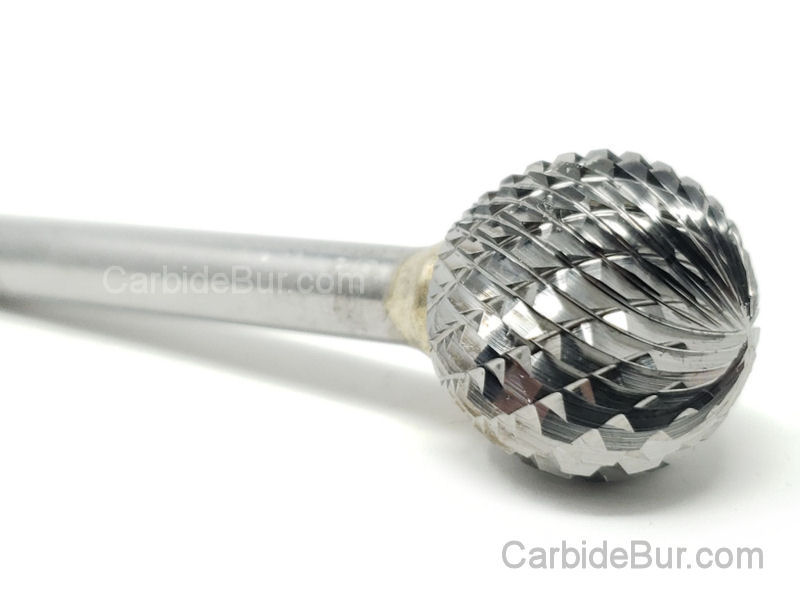
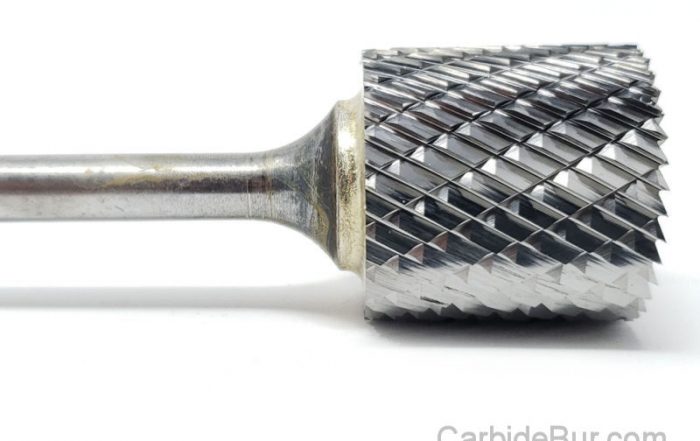
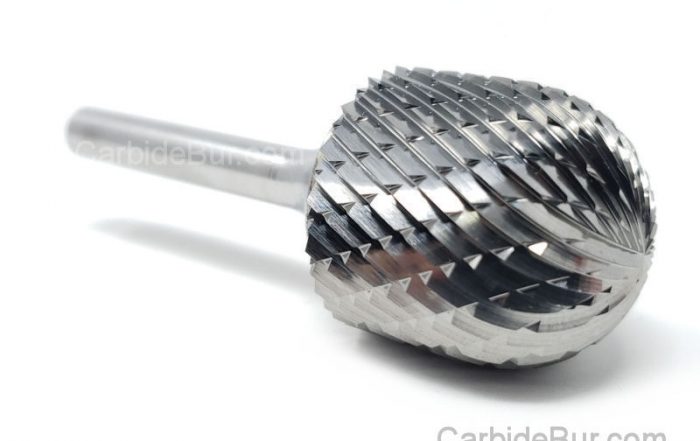
The geometry of burrs is another key feature. They come in various shapes, such as cylindrical, ball-shaped, and conical, each suited for specific tasks. For instance, cylindrical burrs are ideal for flat surfaces, while ball-shaped burrs excel in detailing contoured areas.
Carbide burrs are available in both single and double-cut versions. Single-cut burrs are best for softer materials, while double-cut burrs provide smoother finishes on harder materials. Understanding these features can help in selecting the right burr for your application.
Benefits of Using Carbide Burrs
Carbide burrs offer numerous advantages, making them a preferred choice in manufacturing and craftsmanship. Firstly, their durability ensures long-lasting performance, reducing the need for frequent replacements. This quality is crucial for cost-effective operations.
Secondly, carbide burrs provide precision and control. Their sharp edges allow for accurate cuts and smooth finishes, which are vital in fine work. The efficiency of carbide burrs also translates to time savings, as they achieve desired results quicker than other tools.
Moreover, these burrs are versatile, suitable for a wide range of materials, including metals, wood, and composites. This adaptability makes them an invaluable tool for various industries. Additionally, their ability to handle high-speed applications without losing integrity further underscores their utility.
Choosing the Right Burr for Aluminum
Aluminum poses unique challenges due to its softness and tendency to clog. Selecting the best carbide burrs for aluminum can enhance work quality and efficiency.
Best Carbide Burrs for Aluminum
When working with aluminum, it’s crucial to choose carbide burrs designed to minimize clogging and maximize efficiency. Single-cut burrs are often recommended for aluminum, as they allow for deeper cuts and effective chip removal. Aluminum-specific burrs typically feature wider flutes to reduce loading.
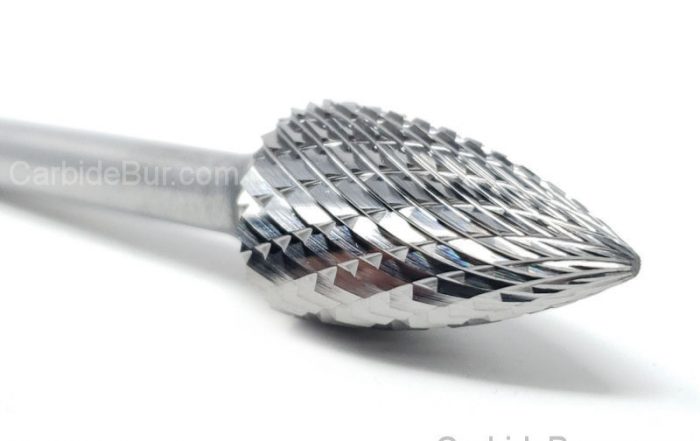
A popular choice for aluminum is the ball nose burr, which offers smooth, controlled movements ideal for shaping. Additionally, flame-shaped burrs can handle intricate designs and recesses effectively.
When selecting burrs, consider those with a coating like titanium nitride. This coating enhances performance by reducing friction and heat build-up. For further insights on choosing the right burr for aluminum, visit empireabrasives.com.
Tips for Aluminum Applications
Working with aluminum requires specific techniques to achieve optimal results. Here are some practical tips:
-
Use adequate lubrication to prevent clogging and overheating.
-
Select the appropriate burr speed to minimize chatter and ensure smooth cuts.
-
Regularly check burrs for wear and replace them as needed to maintain efficiency.
Additionally, maintaining a consistent cutting angle can help in achieving uniformity. For more on aluminum applications, toolstoday.com provides useful guidance.
Selecting Burrs for Stainless Steel
Stainless steel is a tough material that demands specific carbide burrs for efficient processing. Understanding the characteristics of carbide burrs for stainless steel can greatly affect the quality of your work.
Carbide Burrs for Stainless Steel
Carbide burrs designed for stainless steel must withstand its hardness and toughness. Double-cut carbide burrs are often preferred as they provide smoother finishes and control over the material. Their cutting edges are designed to handle the dense structure of stainless steel.
Another important consideration is the shape of the burr. Cylindrical or tree-shaped burrs are ideal for stainless steel, allowing for effective material removal and precision in tight spaces. For best results, consider burrs with coatings like titanium nitride, which reduce friction and wear.
For more insight, carbideburr.net offers a comprehensive selection of burrs suited for stainless steel.
Considerations for Stainless Steel Work
When working with stainless steel, certain factors should be considered to achieve optimal outcomes:
-
Maintain a consistent speed to prevent overheating and tool damage.
-
Use cooling agents to preserve the burr’s integrity and extend its lifespan.
-
Ensure the burr is sharp, as dull edges can lead to poor-quality cuts and increased workload.
Proper technique and tool care are essential for successful stainless steel applications. More details can be found at carbideburr.net.
Carbide Burrs for Woodworking
Woodworking requires burrs that offer control and precision. Selecting the best carbide burrs for wood enhances the quality and efficiency of projects.
Best Carbide Burrs for Wood
Carbide burrs for woodworking should offer sharpness and longevity. Single-cut burrs are often ideal for softer woods, providing clean cuts and reduced splintering. For harder woods, double-cut burrs offer more control and smoother finishes.
The shape of the burr is also pivotal. Ball-shaped burrs are excellent for creating concave cuts and shaping, while cylindrical burrs are suitable for flat surfaces. Choosing the right burr coating can also enhance performance by reducing heat.
For further guidance, explore options at toolstoday.com.
Techniques for Wood Applications
Using carbide burrs effectively in woodworking involves specific techniques:
-
Maintain a steady hand to ensure precision and avoid unwanted gouges.
-
Adjust speeds based on wood hardness to optimize cutting efficiency.
-
Use proper safety gear, such as goggles, to protect against flying debris.
Continual practice and the right tools will significantly enhance woodworking skills.
Working with Composite Materials
Composite materials, known for their unique properties, require specific considerations when using carbide burrs. Understanding the right burr selection can lead to better results.
Carbide Burrs for Composite Materials
Choosing carbide burrs for composite materials involves understanding their properties, which often include a combination of materials like glass, carbon, and resins. Diamond-cut burrs are typically preferred for composites due to their ability to handle diverse material structures.
The shape and flute design of the burr are crucial. Tapered burrs can efficiently reach tight areas, while flame-shaped burrs are ideal for detailing. Additionally, selecting burrs with enhanced durability is important for managing the abrasive nature of composites.
To explore suitable options, visit abrasive-systems.co.uk.
Effective Use for Composite Tasks
Handling composite materials with carbide burrs requires careful attention:
-
Select the correct speed to prevent material damage and ensure clean cuts.
-
Utilize cooling methods to avoid overheating and maintain burr efficiency.
-
Regularly inspect burrs for wear due to the abrasive nature of composites.
Proper technique and tool maintenance will lead to successful composite material applications.
Carbide Burr Safety: 15 Mistakes That Can Cause Injury or Damage
Carbide Burr Safety: 15 Mistakes That Can Cause Injury or Damage Carbide burr safety is often overlooked until a costly mistake happens. Many metalworkers and DIYers make the same errors that lead to injuries or [...]
Can You Use a Carbide Burr in a Drill?
Can You Use a Carbide Burr in a Drill? Most people think a standard drill can’t handle a carbide burr, but that’s not true. Using carbide burr in the right drill can speed up your [...]
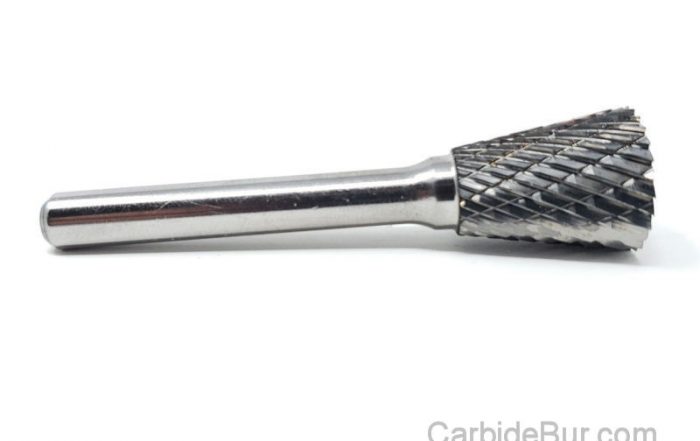
Carbide Burrs for Removing Rust: What Works Best?
Carbide Burrs for Removing Rust: What Works Best? Rust can turn your favorite tools into useless junk faster than you expect. Removing it without ruining the metal underneath takes more than just elbow grease—it demands [...]
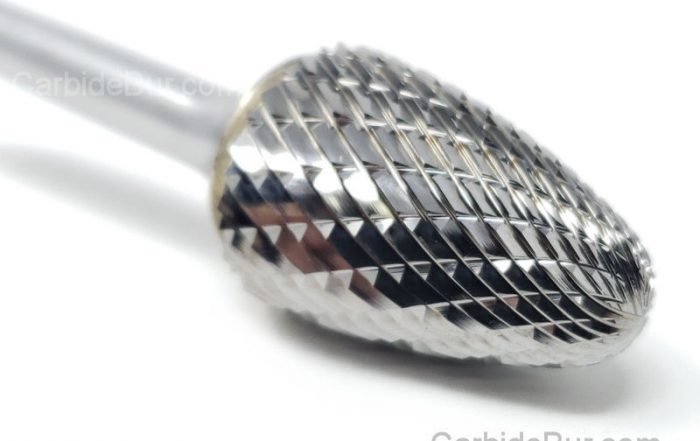
How Much Pressure Should You Use With a Carbide Burr?
How Much Pressure Should You Use With a Carbide Burr? Most people think pressing harder with a carbide burr speeds up the job. That’s not true—too much pressure wears out your tool and ruins the [...]
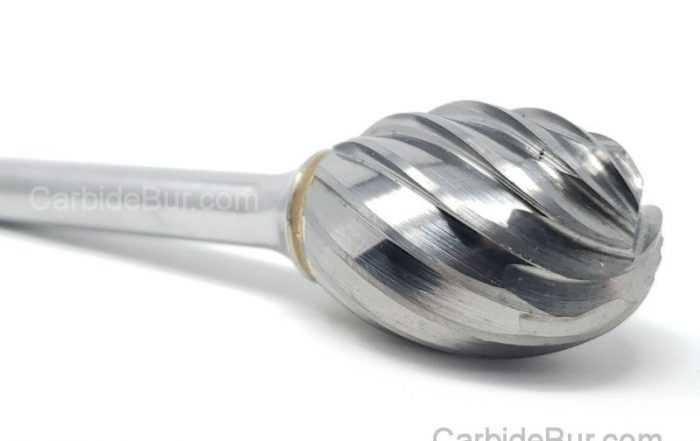
Can You Use Carbide Burrs With an Air Die Grinder?
Can You Use Carbide Burrs With an Air Die Grinder? Most people don’t realize how well carbide burrs work with air die grinders until they try them. If you’ve ever struggled with finding the right [...]
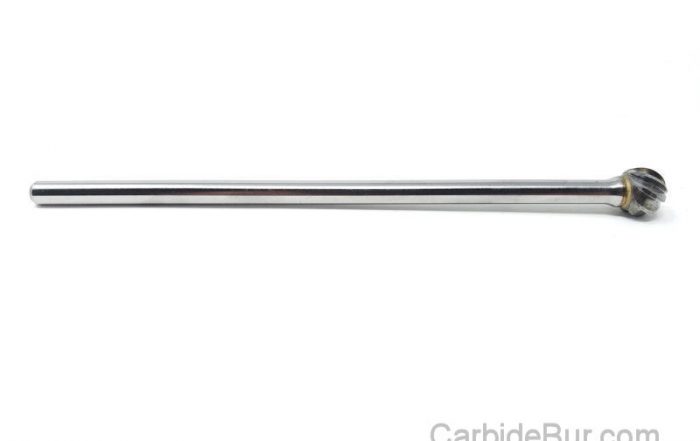
Best Long Reach Carbide Burr for Deep Metal Work
Best Long Reach Carbide Burr for Deep Metal Work Long reach carbide burrs often promise deep metal access, but many fall short where it counts most. You need a tool that cuts cleanly, lasts through [...]
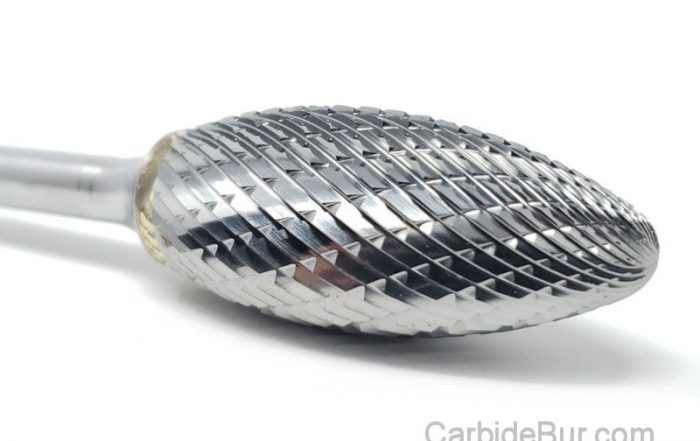
What RPM Should You Use for a 1/8 Inch Carbide Burr?
What RPM Should You Use for a 1/8 Inch Carbide Burr? Most people guess the right carbide burr RPM by feel—and waste hours redoing work. If you want cleaner cuts and longer tool life, your [...]
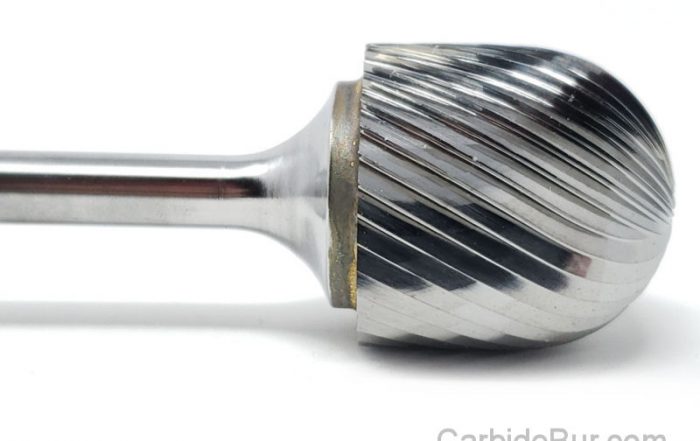
Carbide Burrs for Tight Spaces: Choosing the Right Shape
Carbide Burrs for Tight Spaces: Choosing the Right Shape Tackling tight spaces with the wrong carbide burrs wastes time and risks damaging your work. Choosing the right burr shape makes all the difference when working [...]
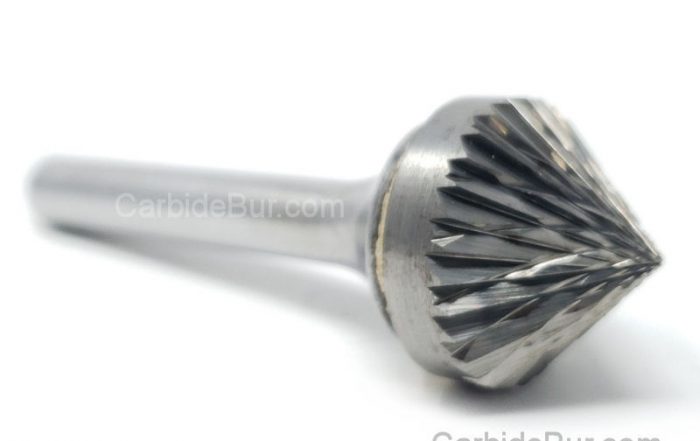
Can Carbide Burrs Remove Paint From Metal?
Can Carbide Burrs Remove Paint From Metal? Stripping paint from metal often feels like a tough chore that risks damaging the surface underneath. Many turn to carbide burrs hoping they can speed things up without [...]
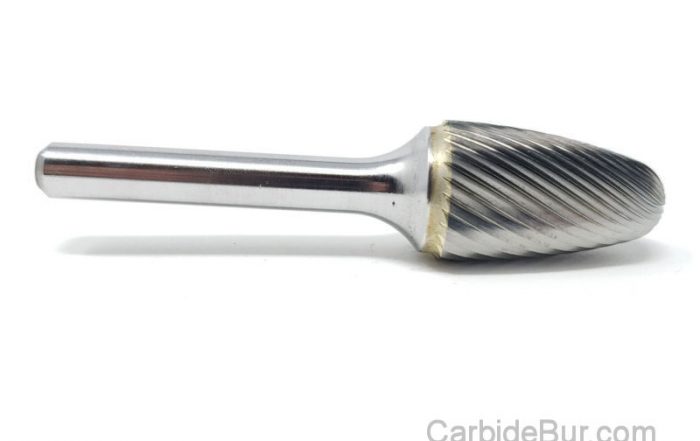
How to Grind a Groove in Metal With a Carbide Burr
How to Grind a Groove in Metal With a Carbide Burr Most metalworkers struggle to cut clean grooves without wasting time or ruining their workpiece. Many try different metalworking tools but end up with uneven [...]
Can Carbide Burrs Cut Through Welds?
Can Carbide Burrs Cut Through Welds? Cutting through welds can feel like a battle, especially when you need clean results without harming the base metal. Carbide burrs offer a sharp edge in this fight, but [...]
How to Use a Carbide Burr With a Die Grinder
How to Use a Carbide Burr With a Die Grinder Most people treat a carbide burr like just another tool, but using it with a die grinder takes skill. If you’ve struggled with burr installation [...]
