
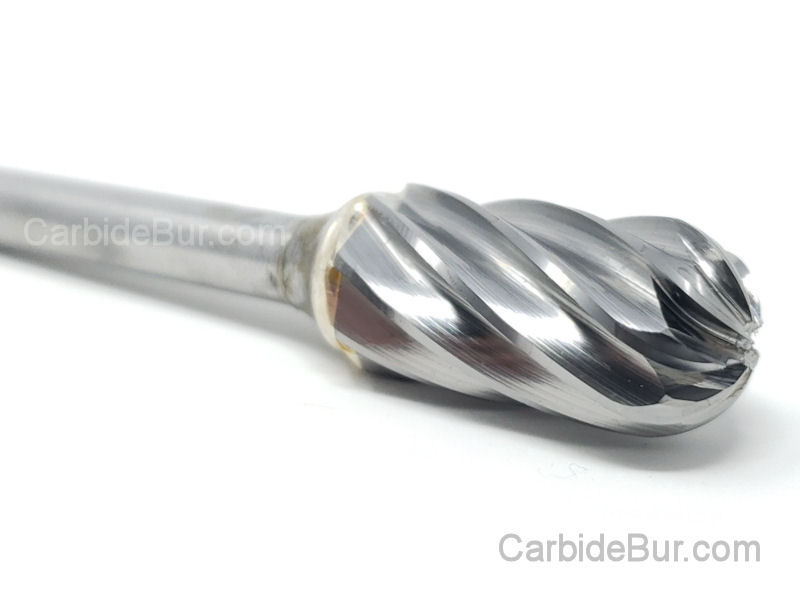
The Essential Guide to Burr Bits for Aluminum: Enhance Your Metalworking Skills
Aluminum is a versatile metal cherished by DIY enthusiasts, metal fabricators, machinists, and hobbyists alike for its lightweight and malleable properties. However, achieving a clean, precise finish requires the right tools, and that’s where burr bits for aluminum come into play. These specialized aluminum machining tools are essential for precision machining, offering a smooth and efficient way to shape, grind, and deburr. By understanding the benefits of burr bits, you can significantly enhance your metalworking skills and achieve professional-grade results. In this comprehensive guide, we’ll delve into the various types of carbide burr bits and how they can revolutionize your approach to metalworking projects.
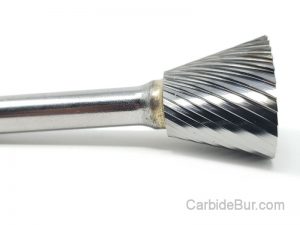
Understanding Burr Bits for Aluminum
Understanding the fundamentals of burr bits is crucial for anyone involved in aluminum machining. These small but powerful tools can transform your metalworking projects, offering precision and versatility. Let’s explore what burr bits are, the different types, and how to select the right one for your needs.
What Are Burr Bits?
Burr bits are rotary tools used to shape, deburr, and finish metal surfaces. They are commonly used in metalworking to achieve a clean, precise finish.
-
These tools are essential for tasks that require accuracy and detail.
-
Burr bits for aluminum are designed to handle the specific properties of this lightweight metal.
In essence, burr bits are versatile tools that can significantly impact the quality of your work.
For more insights, check out Carbide Burr for a comprehensive overview of these tools.
Types of Burr Bits
Various burr bit types cater to different machining needs.
-
Single Cut: Ideal for precision and fine details. They provide a smooth finish and are best for softer materials.
-
Double Cut: These offer faster material removal and are suitable for harder materials.
Different shapes like cone, cylinder, and round also play a role in their versatility.
Each type has its unique advantages, making it essential to choose the right one for your project. Visit Syndent for detailed information on different burr bit types.
Choosing the Right Burr Bit
Choosing the right burr bit depends on the material and the task at hand.
-
Identify the material you’re working with.
-
Select the appropriate cut type: single or double.
-
Consider the shape based on the desired finish.
By carefully selecting the right burr bit, you can achieve precision and efficiency in your metalworking tasks.
For more guidance, MSK CNC Tools offers a detailed guide on selection.
Benefits of Burr Bits in Metalworking
Burr bits provide numerous benefits in metalworking, enhancing both the quality and efficiency of your projects. Let’s delve into their precision, versatility, and long-term cost-effectiveness.
Precision and Efficiency
Precision and efficiency are the hallmarks of burr bits for aluminum.
-
They allow for detailed work with minimal effort.
-
Precision machining ensures a smooth and clean finish, reducing the need for additional touch-ups.
Efficiency in metalworking translates to time and cost savings.
For a deeper understanding, explore Carbide Burr Cutting Tools to see how these tools enhance precision.
Versatility in Applications
Burr bits are known for their versatility.
-
They can be used for shaping, grinding, and deburring various materials.
-
Their adaptability makes them suitable for a wide range of projects, from intricate designs to larger structures.
This flexibility is what makes them a staple in any metalworker’s toolkit.
For more examples of versatile applications, visit Syndent.
Durability and Cost-Effectiveness
The durability of burr bits ensures long-term use without frequent replacements.
-
Made from robust materials, they withstand wear and tear.
-
Cost-effectiveness is realized through reduced tool replacement and maintenance costs.
Investing in high-quality burr bits is a smart financial decision for any metalworking enthusiast.
Learn more about durable and cost-effective options at MSK CNC Tools.
Selecting the Best Burr Bit for Aluminum
Selecting the best burr bit involves considering various factors to match your specific aluminum machining needs. Let’s explore key considerations, material comparisons, and sizing options.
Key Factors to Consider
When selecting a burr bit, several key factors come into play:
-
Material compatibility: Ensure the burr bit is suitable for aluminum.
-
Desired finish: Choose based on whether you need a rough or smooth finish.
-
Tool compatibility: Ensure the burr bit fits your existing tools.
Considering these factors will help you make an informed decision.
For more tips, check out Carbide Burr.
Comparing Materials: Carbide vs. Steel
The choice between carbide and steel burr bits can impact your project.
|
Material |
Pros |
Cons |
|---|---|---|
|
Carbide |
Long-lasting, efficient |
Higher initial cost |
|
Steel |
Cost-effective, versatile |
Wears out faster |
Both materials have their advantages, so consider your specific needs.
For detailed comparisons, visit Carbide Burr Cutting Tools.
Sizing and Shaping Options
Sizing and shaping options play a crucial role in the effectiveness of burr bits.
-
Size: Larger bits remove more material quickly, while smaller bits offer precision.
-
Shape: The shape determines the type of cut and finish.
Choosing the right size and shape is key to achieving the desired outcome.
For more on sizing and shaping, explore Syndent.
Techniques for Using Burr Bits
Using burr bits effectively requires understanding the right techniques. Best practices, maintenance tips, and safety precautions are essential for successful aluminum machining.
Best Practices for Aluminum Machining
Best practices ensure precision and safety when using burr bits on aluminum.
-
Secure the workpiece to avoid movement.
-
Use moderate pressure to prevent overheating.
-
Follow the manufacturer’s guidelines for speed and usage.
Adhering to best practices enhances the quality of your work.
Explore MSK CNC Tools for more insights.
Maintaining Your Metalworking Tools
Regular maintenance is crucial to extend the life of your metalworking tools.
-
Clean after use to prevent buildup.
-
Inspect for wear and tear regularly.
-
Store properly to avoid damage.
Well-maintained tools perform better and last longer.
For maintenance tips, visit Carbide Burr.
Safety Tips and Precautions
Safety is paramount when using burr bits.
-
Wear protective gear to shield against debris.
-
Ensure proper ventilation to avoid inhaling dust.
-
Keep a steady hand to prevent accidents.
Safety measures protect both you and your equipment.
For more safety tips, check out Carbide Burr Cutting Tools.
Enhancing Your Metalworking Skills
Enhancing your metalworking skills involves mastering advanced techniques, troubleshooting common issues, and expanding your toolkit.
Advanced Techniques for DIY Enthusiasts
For DIY enthusiasts, mastering advanced techniques can elevate your projects.
-
Experiment with different cuts to discover new finishes.
-
Incorporate layering for complex designs.
-
Practice regularly to hone your skills.
Advanced techniques require practice and patience.
Visit Syndent for inspiration and advanced techniques.
Troubleshooting Common Issues
Troubleshooting common issues can save time and resources.
-
Uneven finishes: Check burr bit alignment and pressure.
-
Tool overheating: Reduce speed and pressure.
-
Excessive wear: Ensure the correct burr bit is used for the material.
Addressing issues promptly maintains the quality of your work.
For troubleshooting advice, explore MSK CNC Tools.
Expanding Your Tool Kit
Expanding your tool kit enhances your capability to tackle diverse projects.
-
Invest in quality tools for reliable performance.
-
Diversify your burr bit collection based on project needs.
-
Stay updated with the latest tool advancements.
A diverse toolkit is essential for any serious metalworker.
For suggestions on expanding your toolkit, visit Carbide Burr.
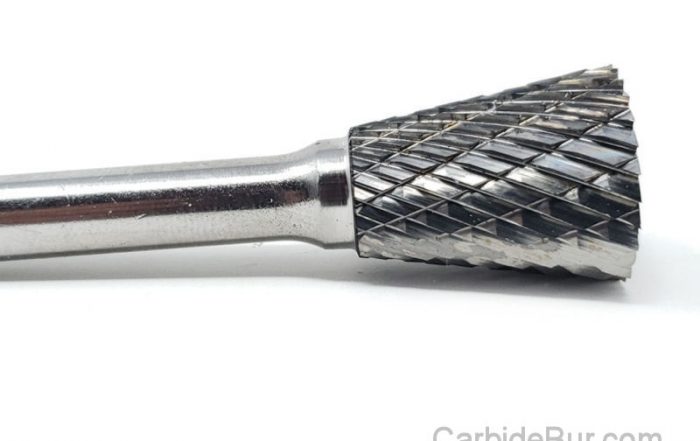
Carbide Burr Safety: 15 Mistakes That Can Cause Injury or Damage
Carbide Burr Safety: 15 Mistakes That Can Cause Injury or Damage Carbide burr safety is often overlooked until a costly mistake happens. Many metalworkers and DIYers make the same errors that lead to injuries or [...]
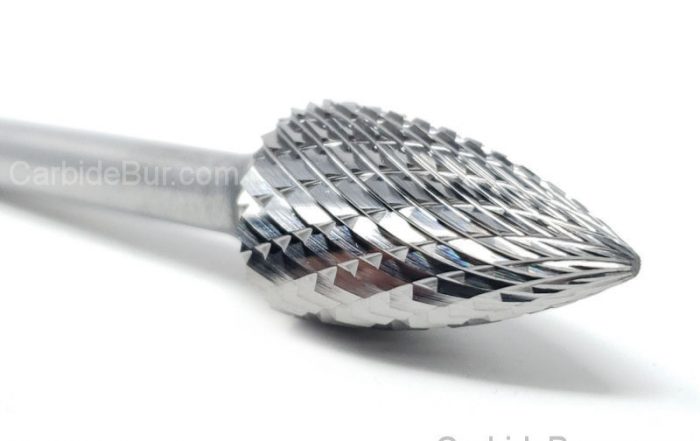
Can You Use a Carbide Burr in a Drill?
Can You Use a Carbide Burr in a Drill? Most people think a standard drill can’t handle a carbide burr, but that’s not true. Using carbide burr in the right drill can speed up your [...]
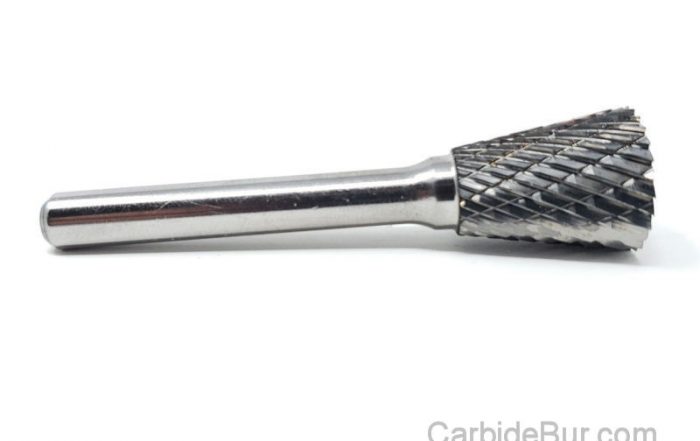
Carbide Burrs for Removing Rust: What Works Best?
Carbide Burrs for Removing Rust: What Works Best? Rust can turn your favorite tools into useless junk faster than you expect. Removing it without ruining the metal underneath takes more than just elbow grease—it demands [...]
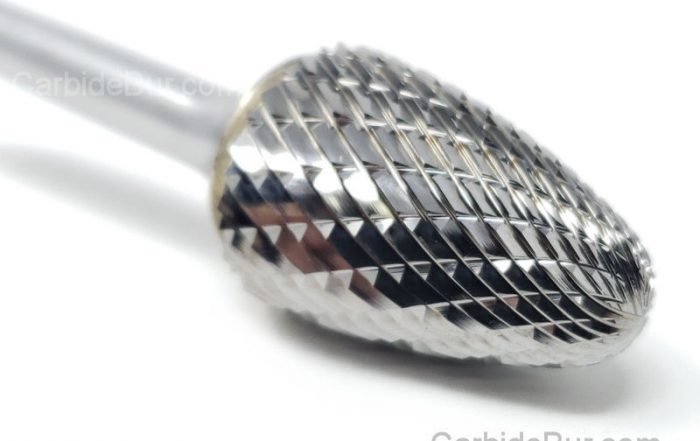
How Much Pressure Should You Use With a Carbide Burr?
How Much Pressure Should You Use With a Carbide Burr? Most people think pressing harder with a carbide burr speeds up the job. That’s not true—too much pressure wears out your tool and ruins the [...]
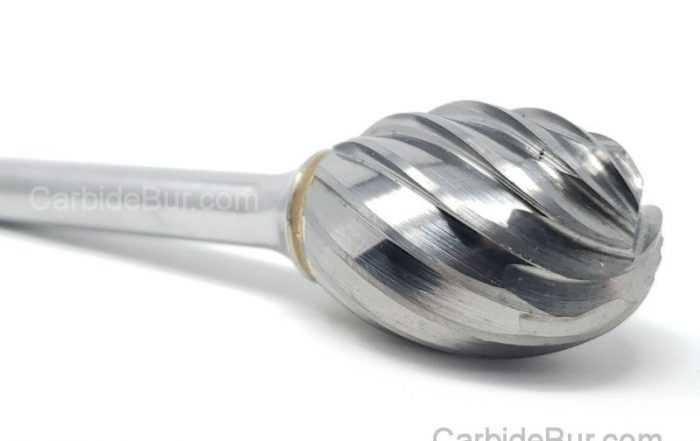
Can You Use Carbide Burrs With an Air Die Grinder?
Can You Use Carbide Burrs With an Air Die Grinder? Most people don’t realize how well carbide burrs work with air die grinders until they try them. If you’ve ever struggled with finding the right [...]
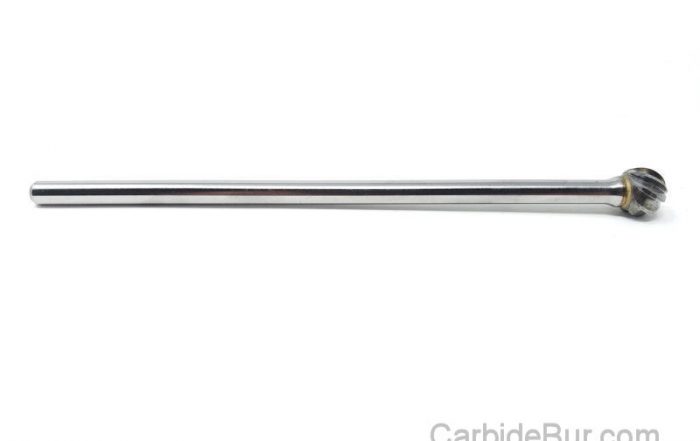
Best Long Reach Carbide Burr for Deep Metal Work
Best Long Reach Carbide Burr for Deep Metal Work Long reach carbide burrs often promise deep metal access, but many fall short where it counts most. You need a tool that cuts cleanly, lasts through [...]
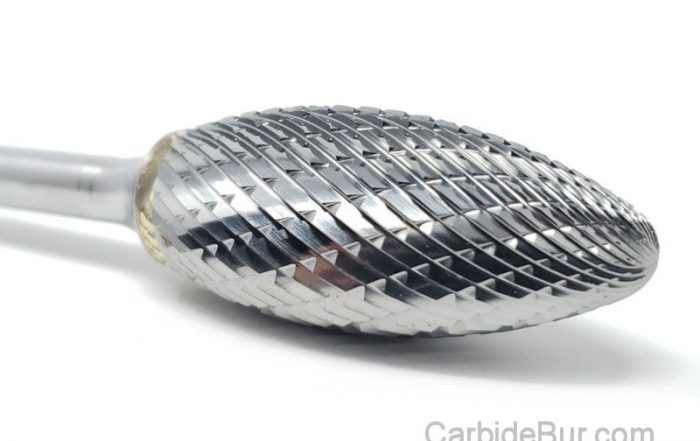
What RPM Should You Use for a 1/8 Inch Carbide Burr?
What RPM Should You Use for a 1/8 Inch Carbide Burr? Most people guess the right carbide burr RPM by feel—and waste hours redoing work. If you want cleaner cuts and longer tool life, your [...]
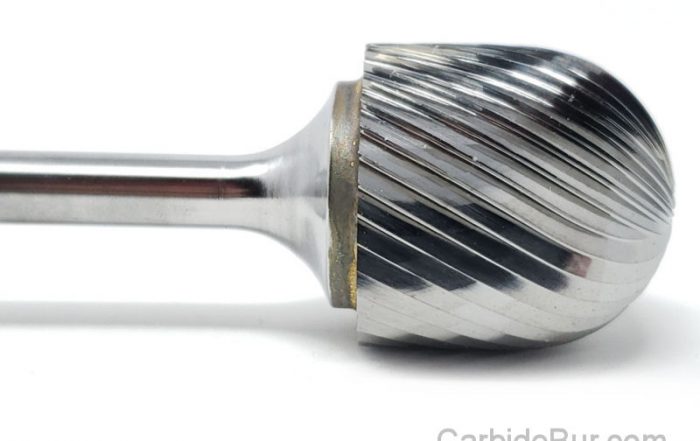
Carbide Burrs for Tight Spaces: Choosing the Right Shape
Carbide Burrs for Tight Spaces: Choosing the Right Shape Tackling tight spaces with the wrong carbide burrs wastes time and risks damaging your work. Choosing the right burr shape makes all the difference when working [...]
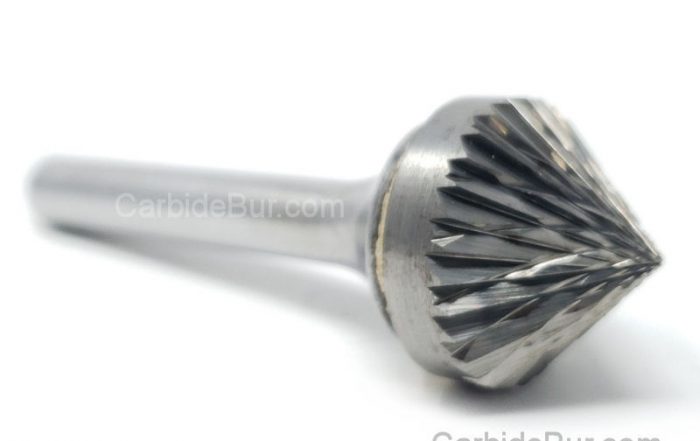
Can Carbide Burrs Remove Paint From Metal?
Can Carbide Burrs Remove Paint From Metal? Stripping paint from metal often feels like a tough chore that risks damaging the surface underneath. Many turn to carbide burrs hoping they can speed things up without [...]
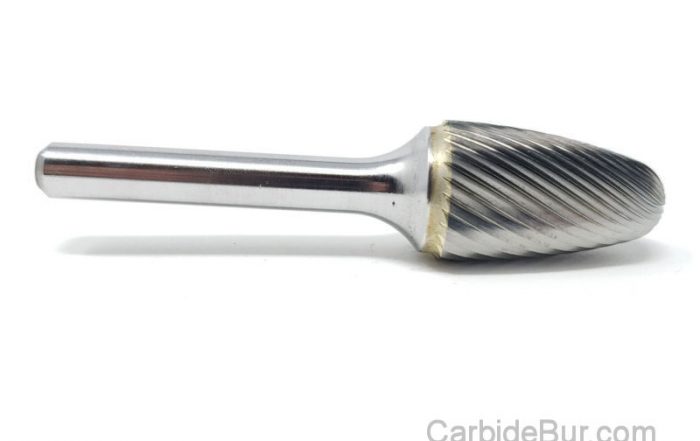
How to Grind a Groove in Metal With a Carbide Burr
How to Grind a Groove in Metal With a Carbide Burr Most metalworkers struggle to cut clean grooves without wasting time or ruining their workpiece. Many try different metalworking tools but end up with uneven [...]
Can Carbide Burrs Cut Through Welds?
Can Carbide Burrs Cut Through Welds? Cutting through welds can feel like a battle, especially when you need clean results without harming the base metal. Carbide burrs offer a sharp edge in this fight, but [...]
How to Use a Carbide Burr With a Die Grinder
How to Use a Carbide Burr With a Die Grinder Most people treat a carbide burr like just another tool, but using it with a die grinder takes skill. If you’ve struggled with burr installation [...]
