
The Ultimate Burr Shape Chart: How to Choose the Best Carbide Burr for Every Task
Choosing the right carbide burr shape can feel like guesswork when every task demands a different cut. You’ve got tree burrs, flame burrs, ball burrs, cylinder burrs—and that’s just the start. This burr shape chart breaks down the best burr shapes for each job, with clear examples to help you pick exactly what works for your project. For a deeper understanding, check out this comprehensive guide to carbide burr shapes and their uses.
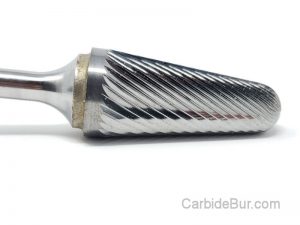
Find more information at CarbideBur.com
Understanding Carbide Burr Shapes
Carbide burr shapes are crucial for precision in metalwork. Knowing which shape suits your task saves time and enhances results. Let’s explore the types and importance of these versatile tools.
Types of Carbide Burrs
Carbide burrs come in various shapes, each designed for specific tasks. Common shapes include tree, flame, ball, and cylinder. Each serves a unique purpose:
-
Tree Burrs: Perfect for cutting grooves and reaching tight corners.
-
Flame Burrs: Ideal for creating contoured surfaces.
-
Ball Burrs: Great for hollowing out or carving.
-
Cylinder Burrs: Best for flat surfaces and right-angled corners.
Each shape impacts how smoothly and efficiently you can complete a task. For more insights, visit Eternal Tools’ guide on carbide burrs.
Importance of Burr Shape Chart
A burr shape chart helps you choose the right tool quickly. It serves as a visual guide, making it easier to match burr shapes to specific tasks. This chart saves you from trial and error, ensuring you have the right tool for the job every time.
Having a reliable chart is like having a cheat sheet for your projects. It boosts productivity by minimizing guesswork. Check out this detailed burr chart for more information.
Best Burr Shapes for Specific Tasks
Selecting the right burr can seem daunting. But once you understand their specific applications, the choice becomes clear. Let’s dive into the best burr shapes for various tasks.
Using Tree Burrs Effectively
Tree burrs are your go-to for precision cuts in tight spaces. Their narrow, tapered shape allows you to reach into grooves and corners effortlessly. This makes them indispensable for detailed work.
Imagine you’re working on a metal sculpture. A tree burr lets you define intricate details without damaging the surrounding area. This precision is why many professionals rely on tree burrs for delicate tasks. Discover more about tree burrs here.
Benefits of Flame Burrs
Flame burrs excel at shaping and refining curved surfaces. Their pointed, elongated shape is perfect for creating contours and smoothing edges. If your project involves shaping metal, flame burrs are the tool you need.
For example, when working on automotive parts, flame burrs help create smooth, aerodynamic surfaces. This not only improves aesthetics but also functionality. Learn more about using flame burrs at this link.
Ball Burr Applications in Metalwork
Ball burrs are essential for hollowing and carving. Their spherical shape makes them ideal for creating rounded cuts and indentations. They’re versatile and easy to control, which is why they’re popular among metalworkers.
Think about engraving a metal plaque. A ball burr allows you to carve out detailed designs smoothly. This versatility makes ball burrs a staple in any metalworker’s toolkit. For additional information on ball burrs, visit this resource.
How to Choose Carbide Burrs
Choosing the right burr involves understanding your project’s needs. With some guidance, you can make informed decisions and achieve the best results.
Practical Guide to Burr Selection
Selecting a burr doesn’t have to be complicated. Follow these steps:
-
Identify the Material: Different materials require different burrs.
-
Consider the Task: Determine if you need to cut, shape, or smooth.
-
Match the Shape: Use the burr shape chart to select the right tool.
By following these steps, you ensure efficiency and precision. This approach simplifies the selection process, making it accessible even for beginners.
Real-world Carbide Burr Applications
Carbide burrs are used in various fields, from automotive to jewelry making. Each industry benefits from the precision and versatility these tools offer.
For instance, in automotive repair, carbide burrs help shape engine parts precisely. In jewelry design, they allow for intricate detailing. These examples highlight the widespread utility of carbide burrs. For a comprehensive look at carbide burr applications, explore this guide.
In conclusion, understanding and choosing the right carbide burr shape transforms your work. The right tool not only enhances quality but also boosts your efficiency. By using a burr shape chart and following practical selection steps, you can tackle any project with confidence.
Find more information at CarbideBur.com

Can You Use a Carbide Burr With an Electric Die Grinder?
Can You Use a Carbide Burr With an Electric Die Grinder? Most people don’t realize how much a carbide burr can change the way an electric die grinder works. Using the right burr type can [...]
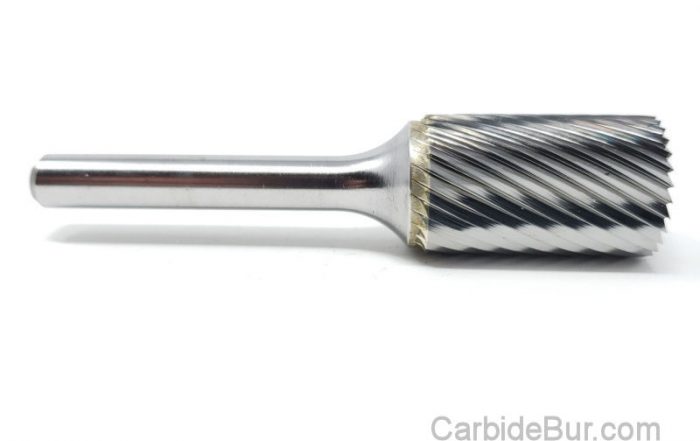
How to Deburr Holes With a Carbide Burr
How to Deburr Holes With a Carbide Burr Most people think any tool will do for deburring holes. The truth is, using the right carbide burr with the correct size and shape changes everything. In [...]
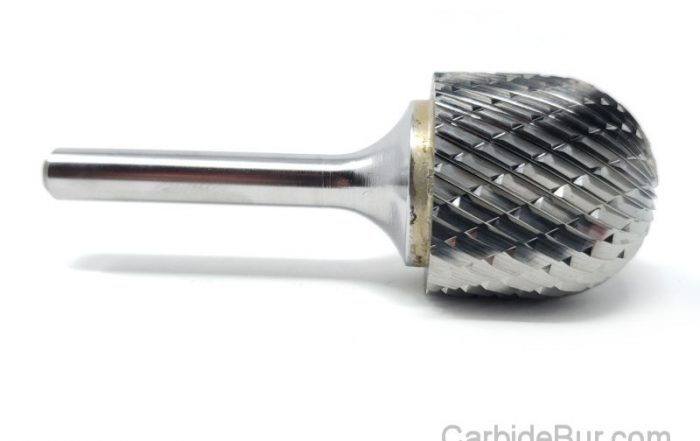
How to Choose the Correct Carbide Burr Shank Size
How to Choose the Correct Carbide Burr Shank Size Many machinists lose hours troubleshooting tool issues caused by the wrong carbide burr shank size. Using a shank that doesn’t fit your grinder can lead to [...]
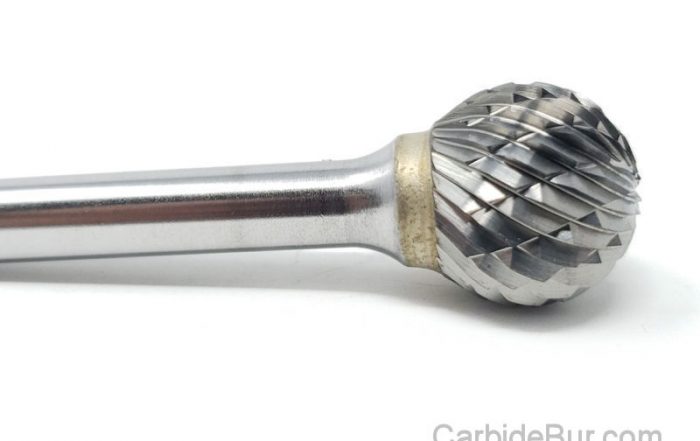
How to Remove Casting Flash With a Carbide Burr
How to Remove Casting Flash With a Carbide Burr Casting flash ruins the look and fit of your metal parts. You’ve tried sanding or grinding, but the results aren’t clean or fast enough. Learning how [...]
Best Carbide Burr for Enlarging a Hole in Metal
Best Carbide Burr for Enlarging a Hole in Metal When you need to enlarge a hole in metal, grabbing the wrong carbide burr can turn a simple task into a frustrating mess. Picking the best [...]
Carbide Burr Safety: 15 Mistakes That Can Cause Injury or Damage
Carbide Burr Safety: 15 Mistakes That Can Cause Injury or Damage Carbide burr safety is often overlooked until a costly mistake happens. Many metalworkers and DIYers make the same errors that lead to injuries or [...]
Can You Use a Carbide Burr in a Drill?
Can You Use a Carbide Burr in a Drill? Most people think a standard drill can’t handle a carbide burr, but that’s not true. Using carbide burr in the right drill can speed up your [...]
Carbide Burrs for Removing Rust: What Works Best?
Carbide Burrs for Removing Rust: What Works Best? Rust can turn your favorite tools into useless junk faster than you expect. Removing it without ruining the metal underneath takes more than just elbow grease—it demands [...]
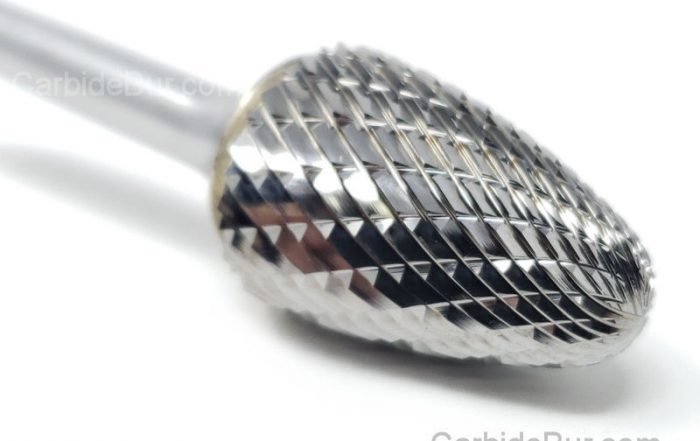
How Much Pressure Should You Use With a Carbide Burr?
How Much Pressure Should You Use With a Carbide Burr? Most people think pressing harder with a carbide burr speeds up the job. That’s not true—too much pressure wears out your tool and ruins the [...]
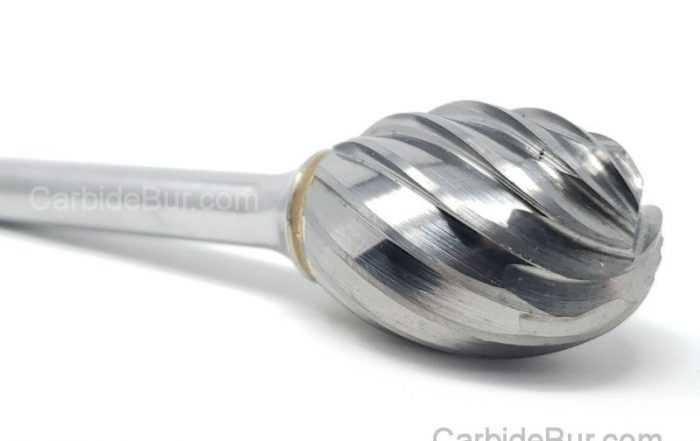
Can You Use Carbide Burrs With an Air Die Grinder?
Can You Use Carbide Burrs With an Air Die Grinder? Most people don’t realize how well carbide burrs work with air die grinders until they try them. If you’ve ever struggled with finding the right [...]
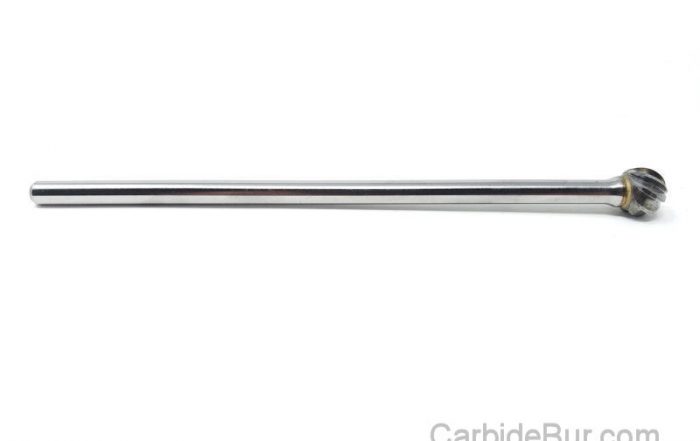
Best Long Reach Carbide Burr for Deep Metal Work
Best Long Reach Carbide Burr for Deep Metal Work Long reach carbide burrs often promise deep metal access, but many fall short where it counts most. You need a tool that cuts cleanly, lasts through [...]
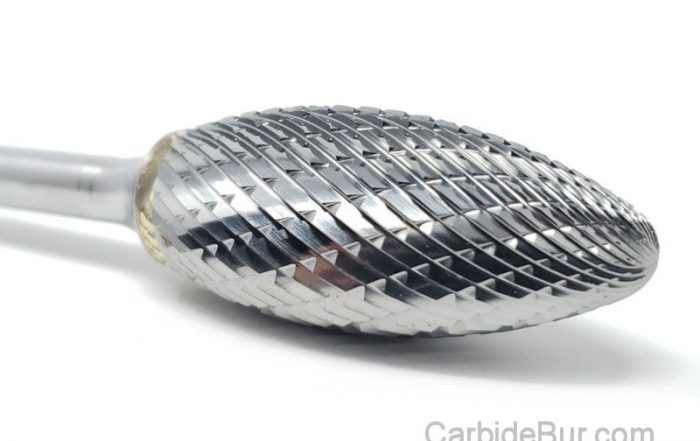
What RPM Should You Use for a 1/8 Inch Carbide Burr?
What RPM Should You Use for a 1/8 Inch Carbide Burr? Most people guess the right carbide burr RPM by feel—and waste hours redoing work. If you want cleaner cuts and longer tool life, your [...]
