

The Ultimate Guide to Choosing the Best Carbide Bur for Your Craft
When it comes to precision crafting, the right tools can make all the difference, and a high-quality carbide bur is no exception. Whether you’re a seasoned carpenter, a skilled metalworker, or a passionate DIY enthusiast, choosing the best carbide bur is crucial for achieving flawless results. These versatile tools, known for their durability and efficiency, can significantly enhance the quality of your work, allowing you to tackle a wide range of materials with ease. In this ultimate guide, we’ll delve into the advantages of using carbide bur tools, helping you understand why investing in the best carbide bur is a smart decision for your craft. Discover how the right carbide bur for metal can elevate your projects and why now is the perfect time to buy carbide bur products that stand the test of time.
Understanding Carbide Burs
Carbide burs are essential tools in various crafts and industries. Understanding their construction and types can help you select the right one for your needs. In this section, we’ll explore what carbide burs are, the different types available, and how they are manufactured.
What is a Carbide Bur?
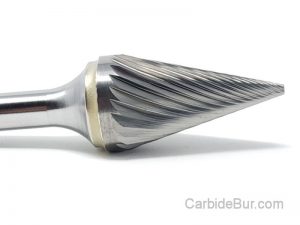
A carbide bur is a rotating cutting tool commonly used in metalworking, woodworking, and other precision crafting applications. Its cutting edges are typically made from tungsten carbide, a material known for its hardness and resilience. These tools are ideal for shaping, grinding, and removing excess material from surfaces.
Carbide burs offer several advantages over other materials. They maintain sharpness longer and resist wear, making them a preferred choice for professionals and hobbyists alike. Additionally, their ability to withstand high temperatures allows them to cut efficiently without losing effectiveness.
In metalworking, carbide burs are invaluable for creating intricate details and designs. Their versatility and precision make them indispensable in many crafts. Explore more about their uses here.
Types of Carbide Burs
Carbide burs come in various shapes and sizes, each suited for specific tasks. The main types include:
-
Ball-shaped burs: Ideal for creating concave cuts and removing material from tight spaces.
-
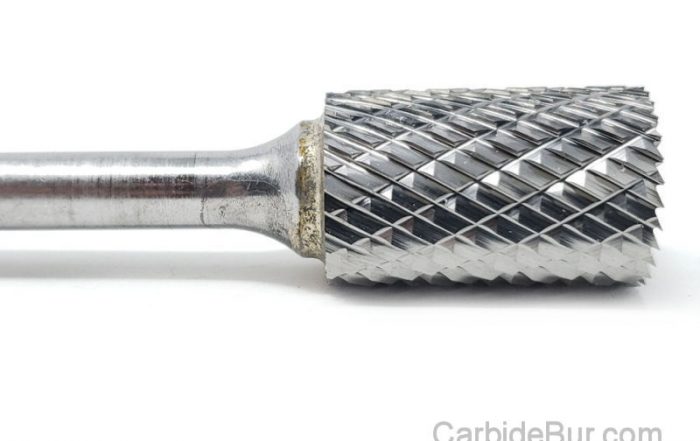
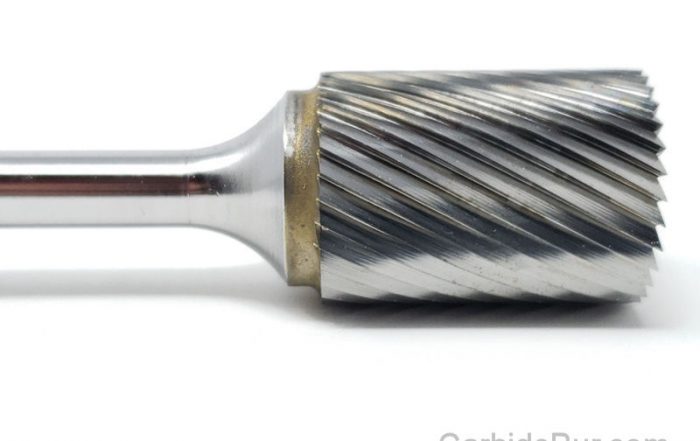
Cylinder-shaped burs: Used for surface milling and contouring flat surfaces.
-
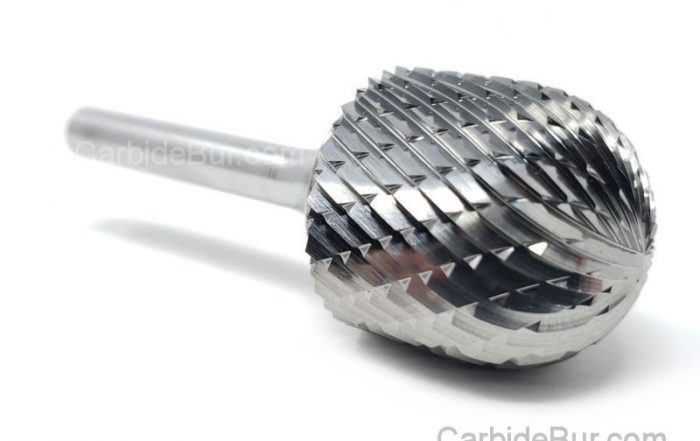
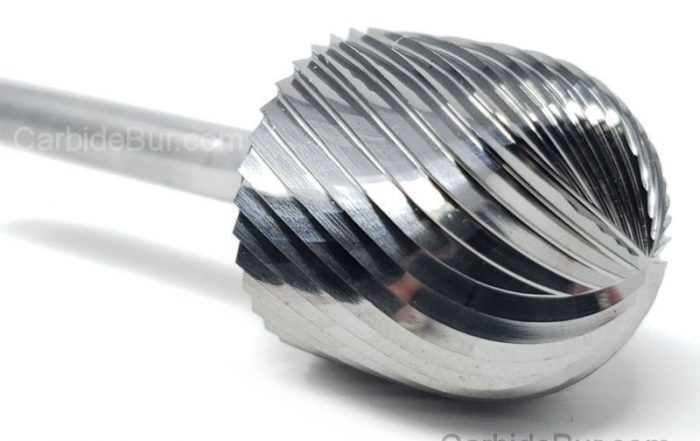
Oval-shaped burs: Perfect for rounding edges and smoothing surfaces.
Each type offers unique benefits, and selecting the right one depends on your project needs. For instance, a cylinder-shaped bur is excellent for smoothing and leveling surfaces, while a ball-shaped bur excels in detailed work.
Choosing the right shape can greatly improve efficiency and the quality of the finished product. Learn more about different bur types here.
How Carbide Burs are Made
The manufacturing process of carbide burs involves several critical steps to ensure quality and performance. Here’s a simplified overview:
-
Material selection: High-quality tungsten carbide is chosen for its durability.
-
Molding and shaping: The material is shaped into desired forms, such as cylindrical or ball shapes.
-
Sintering: The shaped material is heated to enhance hardness and strength.
-
Cutting edge formation: Precise edges are crafted for optimal performance.
This meticulous process ensures that each carbide bur meets industry standards for quality and effectiveness, providing users with reliable and long-lasting tools.
Key Advantages of Carbide Burs
Carbide burs offer numerous benefits that make them invaluable in crafting and industrial applications. This section highlights their durability, precision, and versatility.
Durability and Strength
Carbide burs are renowned for their durability and strength. Made from tungsten carbide, these tools can withstand heavy use and high temperatures without losing their edge. This makes them ideal for demanding tasks and ensures they last longer than tools made from other materials.
Moreover, their exceptional hardness allows them to cut through tough materials with ease. This means fewer tool changes and lower costs over time.
Their resistance to wear also means they maintain their sharpness longer, providing consistent results and improving efficiency in any workshop.
Precision and Efficiency
Precision is key in crafting, and carbide burs deliver exceptional results. Their sharp cutting edges allow for accurate material removal, ensuring clean and precise finishes. This is especially important in detailed work where every millimeter counts.
Additionally, their ability to maintain sharpness reduces the need for frequent replacements, saving time and effort. This efficiency makes them a preferred choice for professionals who rely on consistent performance.
For those in fields like metalworking, the accuracy provided by carbide burs is indispensable. Discover more about their precision benefits.
Versatility in Applications
Carbide burs are incredibly versatile tools. They can be used in a wide range of tasks, from shaping and grinding to deburring and engraving. This versatility makes them suitable for various materials, including metal, wood, and plastic.
Their adaptability allows craftsmen to tackle multiple projects with a single set of burs. Whether you’re smoothing out welds or creating intricate designs, carbide burs offer the flexibility needed to achieve high-quality results.
This versatility is one of the reasons why they are a staple in workshops and studios around the world.
Selecting the Best Carbide Bur
Choosing the right carbide bur can significantly impact your work quality. This section will guide you through the factors to consider, comparisons of different types, and recommendations for top brands and models.
Factors to Consider
When selecting a carbide bur, consider the following factors:
-
Material: The type of material you’ll be working on.
-
Shape: The bur shape that best suits your project.
-
Size: The appropriate size for the precision required.
-
Cut type: Single cut for hard metals, double cut for softer materials.
These factors will help you choose a bur that meets your specific needs. For example, a double-cut bur is perfect for softer metals as it provides smooth finishes and better control.
Understanding these elements ensures you select the best tool for your tasks, improving both efficiency and results. For a detailed guide, click here.
Comparing Carbide Bur Types
A well-organized comparison of carbide bur types helps in making an informed decision. Below is a simple table comparing key features of common bur shapes:
|
Bur Type |
Best For |
Advantages |
|---|---|---|
|
Ball |
Concave cuts |
Access to tight spaces |
|
Cylinder |
Surface milling |
Smooth, flat surfaces |
|
Oval |
Rounding edges |
Smoother transitions |
This table highlights the primary uses and benefits, assisting in selecting the right bur for your needs. Each type has specific strengths that make it suitable for particular tasks.
Top Brands and Models
Choosing from reputable brands ensures you get high-quality carbide burs. Some of the top brands include:
-
Cobra Carbide: Known for durability and precision.
-
Benchmark Abrasives: Offers a wide range of options for different applications.
-
Amazon’s Featured Models: Available in various shapes and sizes for different needs.
These brands provide reliable tools that meet professional standards, ensuring you get the best results in your projects. Explore top picks here.
Using Carbide Burs Effectively
To maximize the potential of carbide burs, understanding how to use them effectively is crucial. This section provides best practices for different users, including carpenters, metalworkers, and DIY enthusiasts.
Best Practices for Carpenters
Carpenters can significantly benefit from carbide burs when working with wood. Here are some best practices:
-
Choose the right shape: Select burs that match the contours needed for your project.
-
Maintain steady speed: Consistent speed helps in achieving smooth finishes.
-
Regularly clean the bur: Prevents material buildup that can affect performance.
Following these practices ensures optimal performance and longevity of your carbide burs, enhancing your woodworking projects with precision and efficiency.
Tips for Metalworkers
For metalworkers, carbide burs are indispensable for creating detailed designs. Consider these tips:
-
Use lubrication: Reduces heat and prolongs tool life.
-
Select appropriate cut type: Single cut for ferrous metals, double cut for non-ferrous.
-
Apply consistent pressure: Ensures smooth and even cuts.
These strategies help in achieving professional-grade results and maintaining the quality of both the material and the tool.
DIY and Hobbyist Applications
DIY enthusiasts and hobbyists can use carbide burs for various projects. Here are a few tips:
-
Experiment with different shapes: Allows for creative and unique designs.
-
Start with smaller burs: Easier to control and manage for intricate work.
-
Focus on safety: Always wear protective gear to prevent accidents.
These tips enhance your crafting experience and ensure that you can explore new possibilities safely and effectively.
Why Buy Our High-Quality Carbide Burs
Investing in our high-quality carbide burs guarantees superior performance and durability. In this section, we’ll highlight the unique features of our products, share customer testimonials, and outline the order and delivery process.
Our Unique Features
Our carbide burs stand out due to several unique features:
-
Precision-engineered designs: Ensure accurate and efficient material removal.
-
Durable construction: Made from top-grade tungsten carbide for long-lasting use.
-
Wide variety: Available in different shapes and sizes for all applications.
These features provide unmatched performance, making our carbide burs a reliable choice for any craft or industrial need.
Customer Testimonials
Our customers have experienced firsthand the benefits of our carbide burs. Here are a few highlights:
“The durability and precision of these burs have transformed my metalworking projects.” – John D.
“I’ve tried many brands, but these carbide burs outperform them all in my woodworking shop.” – Sarah P.
These testimonials reflect the satisfaction and trust that professionals and hobbyists have in our products.
Order and Delivery Process
Ordering our carbide burs is simple and efficient:
-
Visit our website: Browse our extensive catalog.
-
Select your products: Choose the burs that best fit your needs.
-
Checkout securely: Our payment process is fast and secure.
-
Receive your order: Timely delivery ensures you can start your projects promptly.
This streamlined process ensures that you get the products you need swiftly and without hassle.
Comparing Electric and Pneumatic Die Grinders with Carbide Burrs
Power and Precision: Comparing Electric and Pneumatic Die Grinders with Carbide Burrs Choosing the right die grinder for your carbide burrs can feel like a maze. Electric die grinders promise power at your fingertips, while [...]
The Top Tools Driving the Future of Aerospace Machining
The Top Tools Driving the Future of Aerospace Machining The demand for aerospace machining has surged, pushing manufacturers to deliver high-precision metal parts faster than ever. Meeting tight standards while cutting lead times in aerospace [...]
Mastering Carbide Burrs for Enhanced Engine Performance
Beginner's Guide to Engine Porting: Mastering Carbide Burrs for Enhanced Engine Performance Most beginners think engine porting is just about grinding metal. The truth is, mastering carbide burrs can change how air moves through your [...]
Unveiling the Secrets of Burr Cutting Efficiency: Double-Cut or Single-Cut?
Unveiling the Secrets of Burr Cutting Efficiency: Double-Cut or Single-Cut? Most metalworkers hit a wall choosing between double-cut carbide burrs and single-cut carbide burrs. Picking the wrong one can slow your work or wear your [...]
How Specialized Carbide Burrs Are Revolutionizing Aluminum Fabrication for Cleaner Cuts
How Specialized Carbide Burrs Are Revolutionizing Aluminum Fabrication for Cleaner Cuts Most aluminum fabricators still wrestle with rough edges and extra cleanup after machining. Those extra steps cost you time and eat into your profits. [...]
U.S. Manufacturing Reshoring: The Role of Domestic Tool Suppliers in 2026
U.S. Manufacturing Reshoring: The Role of Domestic Tool Suppliers in 2026 U.S. manufacturing is shifting closer to home faster than many expected. By 2026, reshoring trends are reshaping how supply chains function, with domestic tool [...]
From Casting Flash to Weld Blending: Essential Techniques for 2026
From Casting Flash to Weld Blending: Essential Techniques for 2026 Forget the old ways of finishing parts in automotive production. As electric vehicles and autonomous vehicle production grow, the need for precise deburring processes and [...]
Understanding the Surge in Cutting Tool Costs and Effective Waste Reduction in Machining
Understanding the Surge in Cutting Tool Costs and Effective Waste Reduction in Machining Cutting tool costs have jumped noticeably in recent years, squeezing machine shop budgets tighter than ever. Raw material scarcity and supply chain [...]
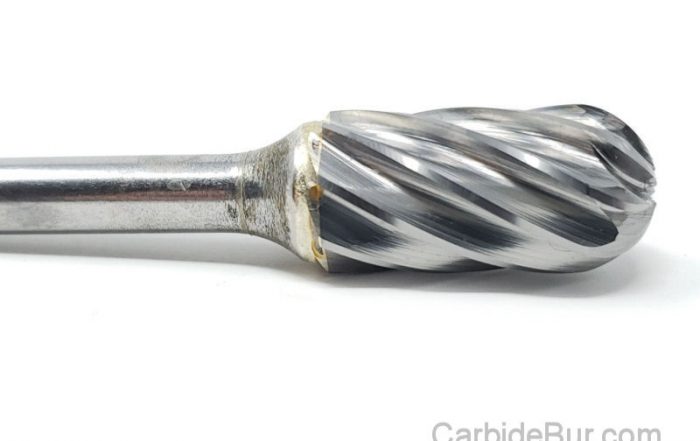
Choosing the Right Carbide Burr Shape for Your Metalworking Projects
Choosing the Right Carbide Burr Shape for Your Metalworking Projects You might think all carbide burr shapes do the same job, but that’s far from true. Choosing the wrong shape can waste time and leave [...]
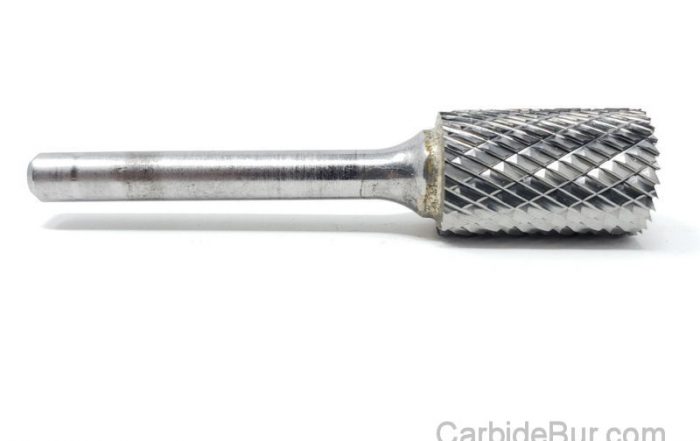
U.S. Cutting Tool Shipments Reach New Heights
U.S. Cutting Tool Shipments Reach New Heights: What It Means for Manufacturing Professionals U.S. cutting tool shipments soared to $278.1 million in July 2026, marking a 29% jump from last year. If you’re in fabrication [...]
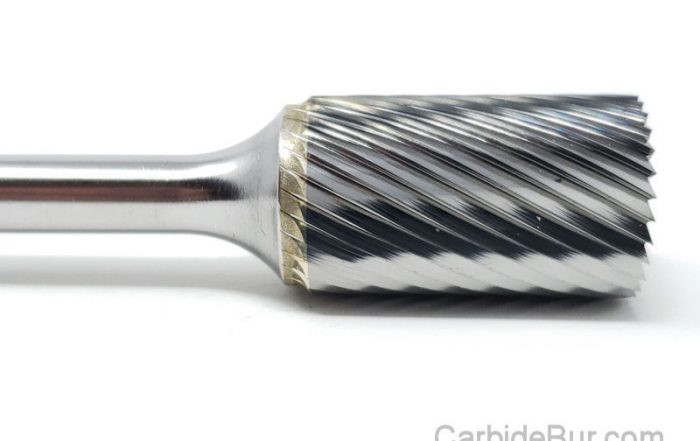
How 3D-Printed Carbide is Redefining Precision Toolmaking with Kennametal’s Latest Technology
How 3D-Printed Carbide is Redefining Precision Toolmaking with Kennametal's Latest Technology Custom hole-finishing tools have long faced limits in design and cooling options that hold back their performance. Kennametal’s new 3D-printed carbide grade changes that [...]

The Future of Additive Manufacturing in Aerospace and Automotive Industries
The Future of Additive Manufacturing in Aerospace and Automotive Industries Metal 3D printing is no longer just a concept for prototypes; it’s scaling up fast in aerospace and automotive fields. But raw prints don’t meet [...]
