
Exploring the Benefits of Carbide Over Steel in Die Grinder Bit Performance
In the intricate world of precision machining and crafting, the choice of tools can significantly impact both the quality and efficiency of work. One of the most debated topics among machinists and DIY enthusiasts alike is the comparison of carbide die grinder bits to their steel counterparts. With an unmatched ability to maintain sharp edges and withstand intense heat, carbide die grinder bits have revolutionized the approach to grinding tasks, offering superior longevity and performance. This article will delve into the distinct advantages that make carbide the best die grinder bits for professionals demanding impeccable precision. From exploring the properties of carbide vs steel to understanding the intricacies of using a carbide burr set, we will guide you through the essential factors that underscore the superiority of carbide in the realm of rotary burrs and precision machining tools.

Carbide vs Steel: The Basics
Choosing between carbide and steel die grinder bits involves understanding their fundamental properties. This section introduces the basic elements that set carbide apart from steel, focusing on material composition, hardness, durability, and cost efficiency.
Understanding Material Composition
Carbide and steel differ significantly in their material composition. Carbide is a composite material primarily made from tungsten carbide particles bonded with cobalt. This composition gives carbide die grinder bits their renowned strength and toughness. Steel, on the other hand, is an alloy of iron and carbon, known for its flexibility and versatility.
-
Carbide Composition: Tungsten carbide particles, cobalt binder.
-
Steel Composition: Iron, carbon, and sometimes other elements for enhanced properties.
The distinct molecular structures of carbide and steel result in varying performance characteristics, influencing machinists’ choice between the two for specific tasks. For more details on materials and their applications, visit CarbideBurs.
Comparing Hardness and Durability
In terms of hardness and durability, carbide and steel show marked differences. Carbide is considerably harder than steel, allowing it to maintain sharp cutting edges longer. This hardness translates into less frequent replacements and enhanced cutting performance.
Table: Hardness Comparison
|
Material |
Hardness Rating (Rockwell) |
|---|---|
|
Carbide |
85-90 HRC |
|
Steel |
50-65 HRC |
-
Carbide’s Edge: Superior hardness and wear resistance.
-
Steel’s Advantage: Offers flexibility, less brittle under certain stress conditions.
The durability of carbide ensures its application in demanding environments where wear resistance is critical. For more insights, explore Toolstoday.
Examining Cost Efficiency
While carbide bits come with a higher initial cost compared to steel, their longevity and performance can lead to cost savings over time. When evaluating cost efficiency, consider:
-
Initial Investment: Carbide bits are more expensive upfront.
-
Longevity: Fewer replacements needed due to superior wear resistance.
-
Long-Term Savings: Reduced downtime and enhanced productivity.
Quote:
“Investing in carbide bits can be more economical in the long run due to their extended service life and efficiency.”
For a detailed analysis of cost versus performance, check Benchmark Abrasives.
Performance in Precision Machining
In precision machining, the performance of die grinder bits is paramount. This section explores how carbide bits excel in maintaining sharp edges, resisting heat and wear, and sustaining efficiency in intense grinding tasks.
Maintaining Sharp Cutting Edges
Carbide’s ability to maintain sharp cutting edges is a key factor in its popularity. This characteristic leads to:
-
Consistent Performance: Ensures precise cuts over extended periods.
-
Extended Tool Life: Less frequent need for sharpening or replacement.
-
Improved Finish Quality: Maintains high standards in finish and accuracy.
For more on maintaining cutting-edge sharpness, visit CarbideBurs.
Heat and Wear Resistance
Carbide’s resistance to heat and wear makes it ideal for demanding machining tasks. Heat resistance allows carbide bits to maintain integrity at high temperatures, reducing the risk of deformation.
-
Wear Resistance: Prolongs tool life, decreasing downtime.
-
Thermal Stability: Minimizes tool damage under intense operations.
This resilience ensures carbide bits are a preferred choice in applications requiring sustained high performance. For comprehensive insights, explore Toolstoday.
Efficiency in Intense Grinding Tasks
Carbide bits are unmatched in their efficiency during intense grinding tasks. They are designed to handle:
-
Heavy-Duty Applications: Suitable for hard materials.
-
High-Speed Operations: Maintain performance without overheating.
-
Precision Tasks: Deliver exactness required in intricate designs.
For tips on choosing the right carbide burr for specific tasks, see Benchmark Abrasives.
Choosing the Best Die Grinder Bits
Choosing the best die grinder bits requires understanding the specific needs of both professional machinists and DIY enthusiasts. This section provides guidance on preferences and considerations.
Professional Machinists’ Preferences
Professional machinists often opt for carbide bits due to their superior performance. Key considerations include:
-
Precision: Essential for detailed work.
-
Durability: Reduces the need for frequent tool changes.
-
Versatility: Suitable for various materials and applications.
For professionals seeking optimal performance, check out CarbideBurs.
DIY Enthusiasts’ Considerations
DIY enthusiasts value both performance and cost-effectiveness. Factors to consider:
-
Cost-Effectiveness: Balance between price and longevity.
-
Ease of Use: User-friendly for those less experienced.
-
Adaptability: Suitable for a range of home projects.
DIY enthusiasts can explore options and advice at Toolstoday.
Top Picks: Carbide Burr Sets and More
Selecting the right carbide burr set is essential for achieving desired results. Consider the following top picks:
-
Long Shank Carbide Burs: Ideal for deep or hard-to-reach areas. Explore options at CarbideBurs.
-
Rotary Burr Cutter Sets: Offer versatility for various tasks.
-
Specialized Burr Bits: Designed for specific applications, ensuring precision and quality.
For a detailed guide on choosing and using burr bits, refer to Benchmark Abrasives.
Carbide Burr Safety: 15 Mistakes That Can Cause Injury or Damage
Carbide Burr Safety: 15 Mistakes That Can Cause Injury or Damage Carbide burr safety is often overlooked until a costly mistake happens. Many metalworkers and DIYers make the same errors that lead to injuries or [...]
Can You Use a Carbide Burr in a Drill?
Can You Use a Carbide Burr in a Drill? Most people think a standard drill can’t handle a carbide burr, but that’s not true. Using carbide burr in the right drill can speed up your [...]
Carbide Burrs for Removing Rust: What Works Best?
Carbide Burrs for Removing Rust: What Works Best? Rust can turn your favorite tools into useless junk faster than you expect. Removing it without ruining the metal underneath takes more than just elbow grease—it demands [...]
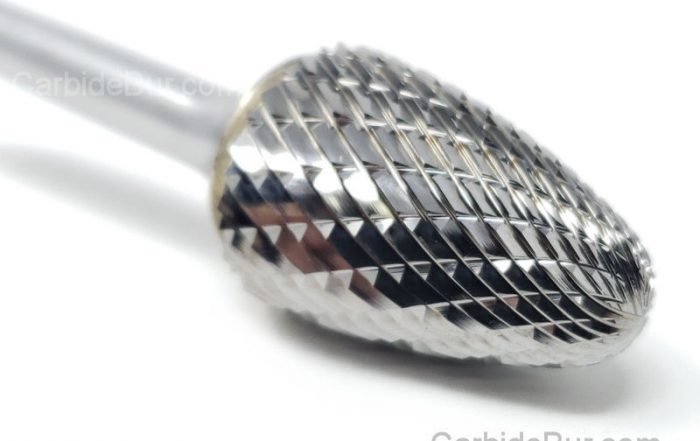
How Much Pressure Should You Use With a Carbide Burr?
How Much Pressure Should You Use With a Carbide Burr? Most people think pressing harder with a carbide burr speeds up the job. That’s not true—too much pressure wears out your tool and ruins the [...]
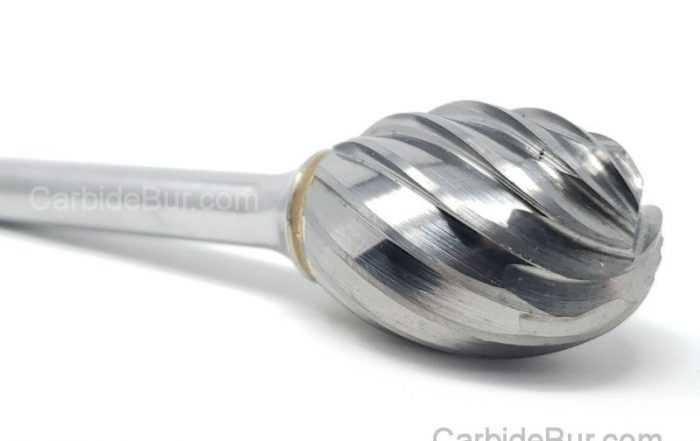
Can You Use Carbide Burrs With an Air Die Grinder?
Can You Use Carbide Burrs With an Air Die Grinder? Most people don’t realize how well carbide burrs work with air die grinders until they try them. If you’ve ever struggled with finding the right [...]
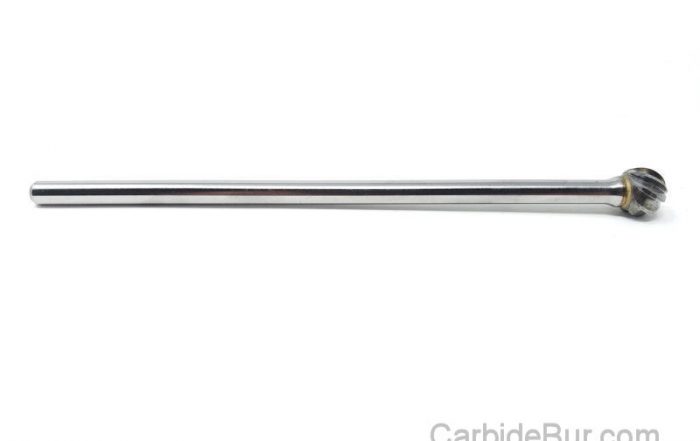
Best Long Reach Carbide Burr for Deep Metal Work
Best Long Reach Carbide Burr for Deep Metal Work Long reach carbide burrs often promise deep metal access, but many fall short where it counts most. You need a tool that cuts cleanly, lasts through [...]
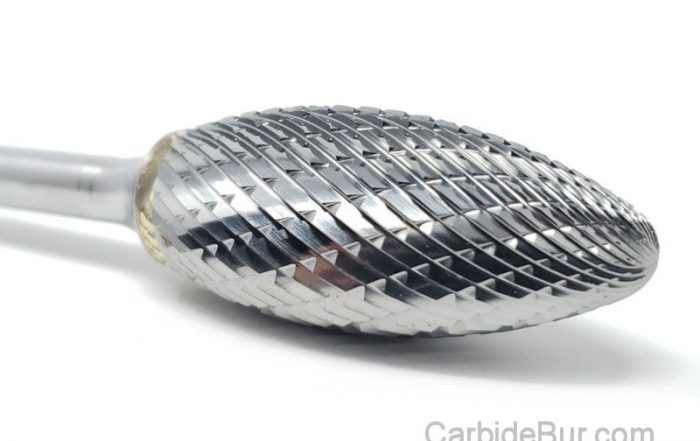
What RPM Should You Use for a 1/8 Inch Carbide Burr?
What RPM Should You Use for a 1/8 Inch Carbide Burr? Most people guess the right carbide burr RPM by feel—and waste hours redoing work. If you want cleaner cuts and longer tool life, your [...]
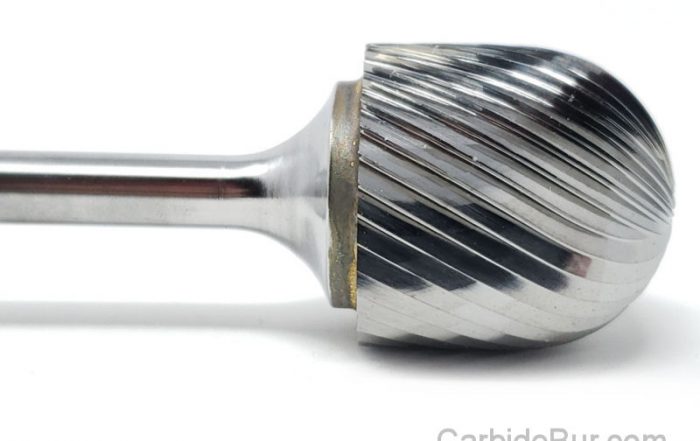
Carbide Burrs for Tight Spaces: Choosing the Right Shape
Carbide Burrs for Tight Spaces: Choosing the Right Shape Tackling tight spaces with the wrong carbide burrs wastes time and risks damaging your work. Choosing the right burr shape makes all the difference when working [...]
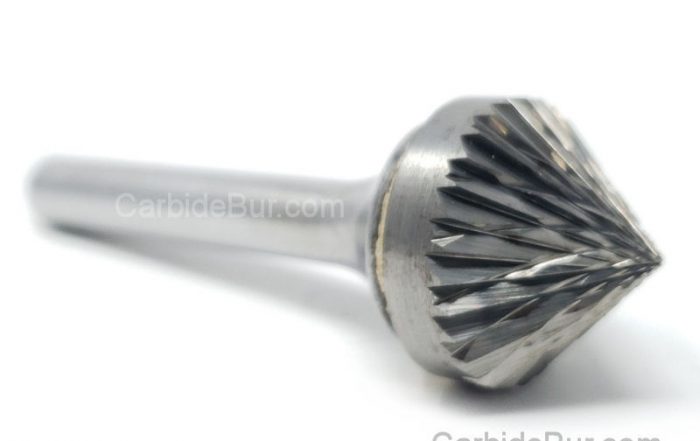
Can Carbide Burrs Remove Paint From Metal?
Can Carbide Burrs Remove Paint From Metal? Stripping paint from metal often feels like a tough chore that risks damaging the surface underneath. Many turn to carbide burrs hoping they can speed things up without [...]
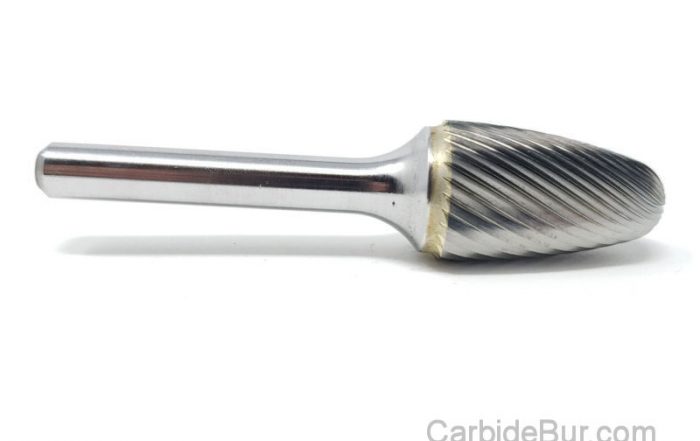
How to Grind a Groove in Metal With a Carbide Burr
How to Grind a Groove in Metal With a Carbide Burr Most metalworkers struggle to cut clean grooves without wasting time or ruining their workpiece. Many try different metalworking tools but end up with uneven [...]
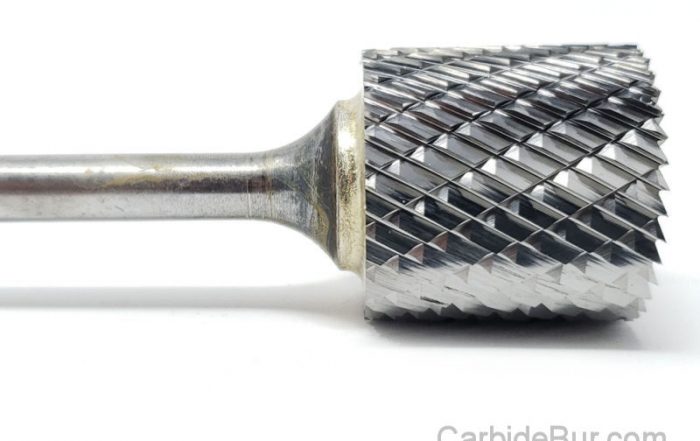
Can Carbide Burrs Cut Through Welds?
Can Carbide Burrs Cut Through Welds? Cutting through welds can feel like a battle, especially when you need clean results without harming the base metal. Carbide burrs offer a sharp edge in this fight, but [...]
How to Use a Carbide Burr With a Die Grinder
How to Use a Carbide Burr With a Die Grinder Most people treat a carbide burr like just another tool, but using it with a die grinder takes skill. If you’ve struggled with burr installation [...]
