
A Dental Enthusiast’s Guide to Carbide Bur Shapes for Optimal Cavity Preparation
Most dental pros underestimate how much the right carbide bur shapes affect cavity preparation. Picking the wrong bur can slow you down or damage enamel and bone. In this guide, you’ll get clear insights into the top 10 carbide bur shapes, including round, pear, and tapered fissure, and why each matters for your dental tools and techniques. For more detailed insights, check out this guide to carbide burs.
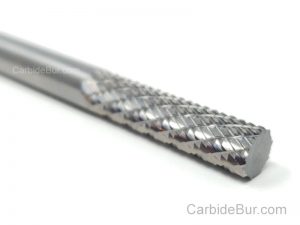
Have you checked out our selection of Carbide Bur Tools?
Popular Carbide Bur Shapes
Understanding the intricacies of carbide bur shapes can transform your approach to dental procedures. Let’s start with some of the most popular shapes and their unique benefits for your practice.
Round Bur for Precision
The round bur is a staple in any dental toolkit. Its spherical shape allows for controlled, precise cutting, essential for accessing cavities and removing decay.
-
Key Benefit: Offers precision in delicate procedures.
-
Usage Tips: Ideal for initial access and small cavity preparations. Use gentle pressure to prevent over-cutting.
These burs are especially useful when you need to maintain tooth integrity. When you need to shape the cavity while removing decayed material precisely, the round bur is your go-to.
Pear Bur for Versatility
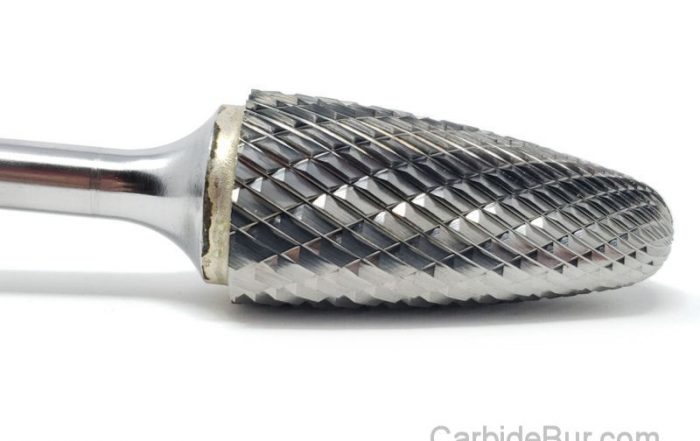
The pear-shaped bur stands out for its versatility in dental procedures. Its unique shape allows for efficient bulk removal with minimal effort.
-
Key Benefit: Combines cutting efficiency with the ability to shape enamel smoothly.
-
Usage Tips: Great for creating undercuts and ensuring smooth cavity walls.
Many dentists find the pear bur indispensable for its dual ability to cut and shape effectively. This makes it ideal for both initial cavity work and final adjustments.
Tapered Fissure Bur Applications
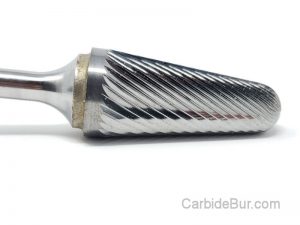
Tapered fissure burs are your best ally when it comes to precise shaping of proximal surfaces. They help create smooth, tapered edges, vital for certain restorations.
-
Key Benefit: Ensures clean margins and reduces the risk of enamel chipping.
-
Usage Tips: Use it to refine cavity walls and achieve precise angles.
For practitioners looking to fine-tune their work, the tapered fissure bur offers a level of detail that’s hard to match.
Role in Cavity Preparation
Now, let’s explore how these burs play a crucial role in cavity preparation, enhancing your ability to deliver top-notch dental care.
Enamel Removal Techniques
Removing enamel efficiently is critical to getting to the decayed part of the tooth. The right bur can make all the difference.
-
Key Insight: Use burs with efficient cutting edges to minimize procedure time.
-
Techniques: Start with a round bur for initial penetration, then switch to a pear-shaped bur for broader removal.
The choice of bur affects not only the speed but also the smoothness of enamel removal, impacting the overall success of the procedure.
Optimal Cavity Shaping
Shaping cavities accurately is essential for restoration success. Different burs offer distinct advantages in this process.
-
Key Insight: Combine burs for optimal shaping—start with a pear bur, then refine with a tapered fissure bur.
-
Techniques: Maintain a steady hand and consistent pressure to achieve the best results.
A well-shaped cavity ensures better fitting of fillings and longer-lasting restorations, crucial for patient satisfaction.
Bone Shaping with Ease
Bone shaping is delicate work, requiring specific tools to ensure precision and safety.
-
Key Insight: Tapered burs are effective for detailed bone shaping without causing unnecessary damage.
-
Techniques: Use slow, deliberate movements to achieve the desired shape.
Choosing the correct bur not only aids in the procedure but also promotes faster healing and less discomfort for your patients.
Choosing the Right Dental Tools
Selecting the right tools makes a significant difference in the efficiency and outcome of dental procedures. Let’s dive into the factors that guide these choices.
Factors in Selecting Burs
Choosing the right bur involves considering various factors that can impact your work.
-
Key Insight: Focus on the material, shape, and size of the burs.
-
Considerations: Match the bur shape to the specific procedure for maximum effectiveness.
Understanding these factors empowers you to make informed decisions that enhance your practice.
Best Practices for Use
Knowing how to use each bur effectively ensures the best results for your patients.
-
Key Insight: Regular maintenance and correct usage prolong bur life and performance.
-
Practices: Clean burs thoroughly after each use and store them properly to prevent damage.
These best practices not only improve your results but also extend the life of your tools, saving you time and resources.
Enhancing Your Dental Skills
Enhancing your skills with the right tools can elevate your practice significantly.
-
Key Insight: Continuous learning and adaptation to new tools and techniques improve patient care.
-
Development: Attend workshops, read industry blogs, and stay updated on new tool developments.
By focusing on skill enhancement, you not only improve your practice but also offer better care to your patients, building trust and reliability.
For more insights on choosing the best dental burs, explore this ultimate guide.
Find more information at CarbideBur.com
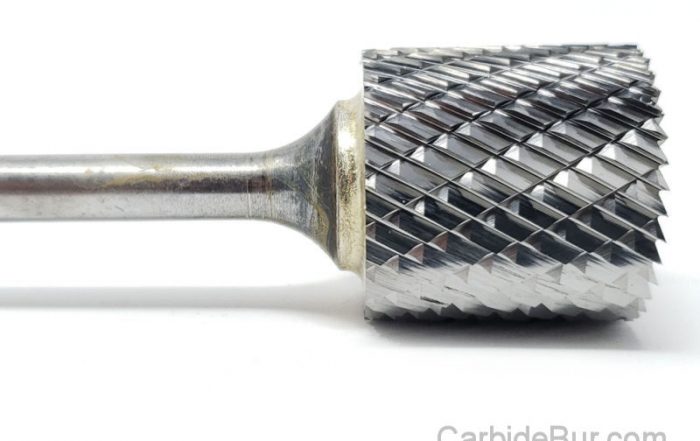
Can Carbide Burrs Cut Through Welds?
Can Carbide Burrs Cut Through Welds? Cutting through welds can feel like a battle, especially when you need clean results without harming the base metal. Carbide burrs offer a sharp edge in this fight, but [...]
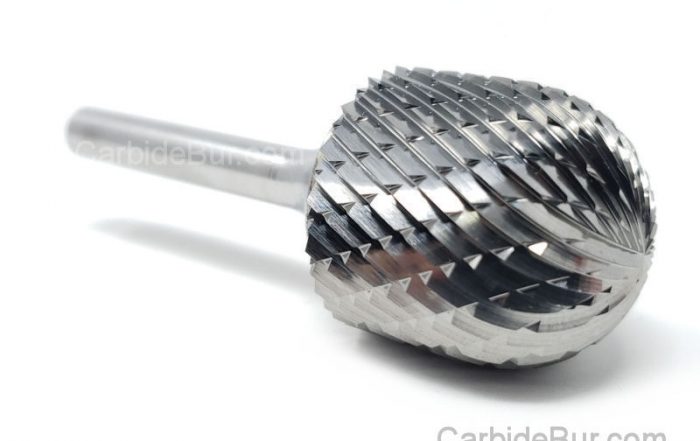
How to Use a Carbide Burr With a Die Grinder
How to Use a Carbide Burr With a Die Grinder Most people treat a carbide burr like just another tool, but using it with a die grinder takes skill. If you’ve struggled with burr installation [...]
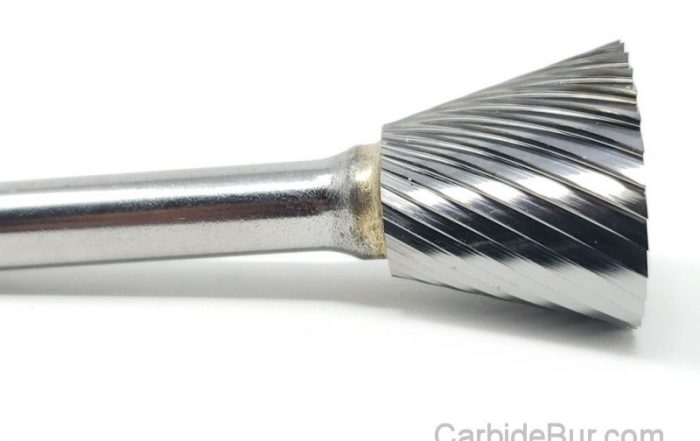
1/8 vs 1/4 Inch Carbide Burrs: What’s the Difference?
1/8 vs 1/4 Inch Carbide Burrs: What's the Difference? Choosing between a 1/8 inch carbide burr and a 1/4 inch carbide burr can change how your project turns out. Many machinists and hobbyists overlook how [...]
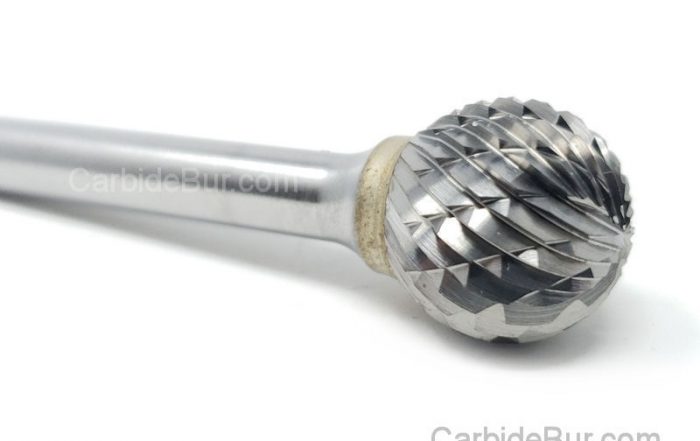
Best Carbide Burr for Removing Flash From Castings
Best Carbide Burr for Removing Flash From Castings Removing flash from castings is a task that can slow down your entire metalworking process if you don’t have the right tools. Picking the best carbide burr [...]
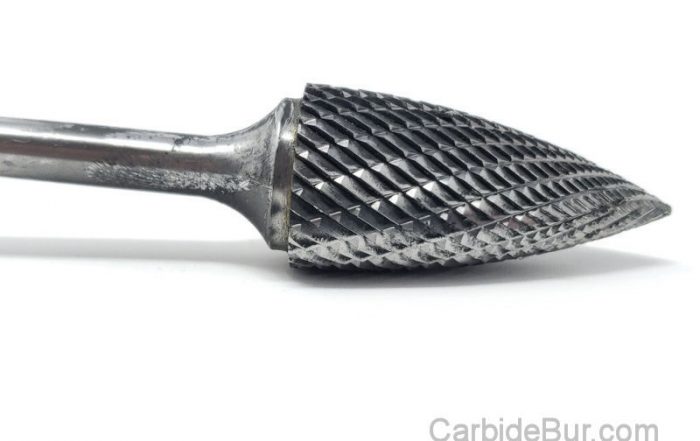
What RPM Should You Use for a 1/4 Inch Carbide Burr?
What RPM Should You Use for a 1/4 Inch Carbide Burr? Most machinists guess the right speed for a 1/4 inch carbide burr and hope for the best. Using the wrong carbide burr RPM can [...]
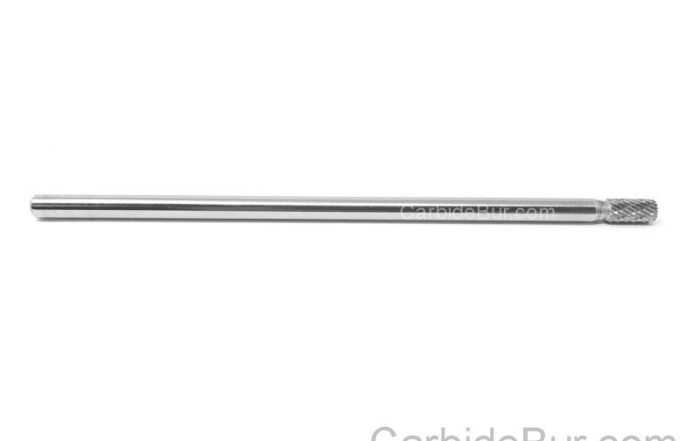
Long Shank Carbide Burrs: When Do You Need One?
Long Shank Carbide Burrs: When Do You Need One? Most machinists overlook the power of long shank carbide burrs until a project demands precision in tight spaces. When your usual tools can’t reach intricate contours, [...]
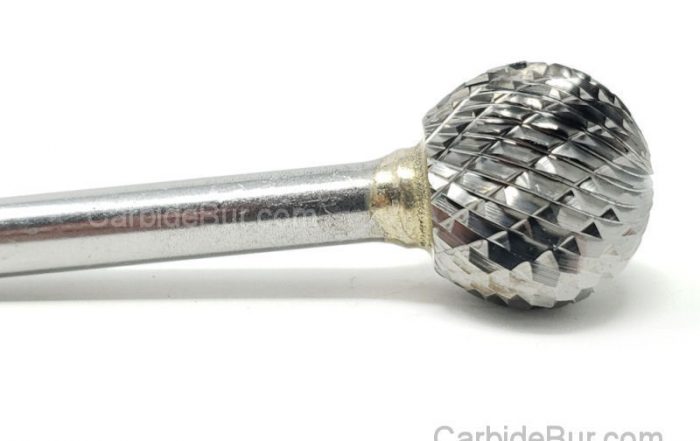
How Deep Can a Carbide Burr Cut Metal?
How Deep Can a Carbide Burr Cut Metal? Carbide burrs often get praised for their precision, but many users hit a wall wondering how deep they can actually cut metal. The truth is, cutting depth [...]
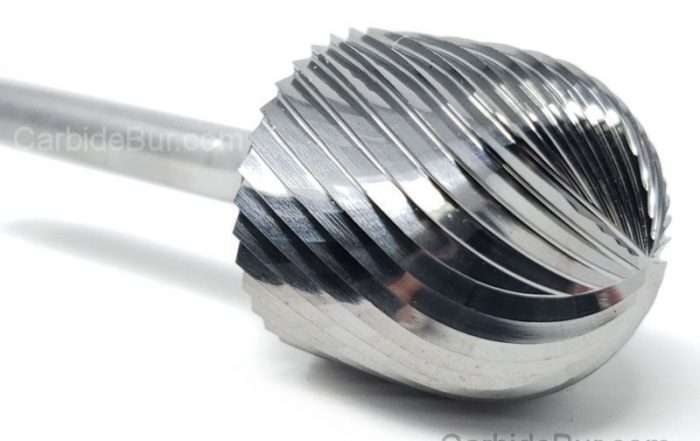
How to Use Carbide Burrs for Port Matching
How to Use Carbide Burrs for Port Matching Most engine builds hit a wall when airflow doesn’t flow smoothly between the ports and manifolds. If your engine isn’t breathing right, your performance stalls. Using the [...]
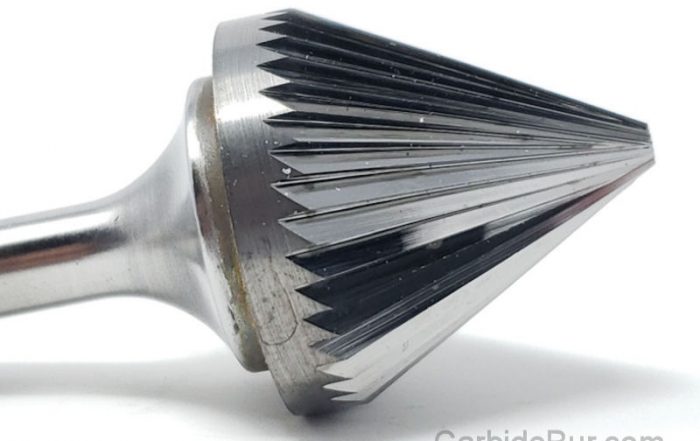
Best Carbide Burr for Porting Intake Manifolds
Best Carbide Burr for Porting Intake Manifolds Porting intake manifolds can make or break your engine’s airflow, yet many struggle with the right tools for the job. Choosing the best carbide burrs is key to [...]
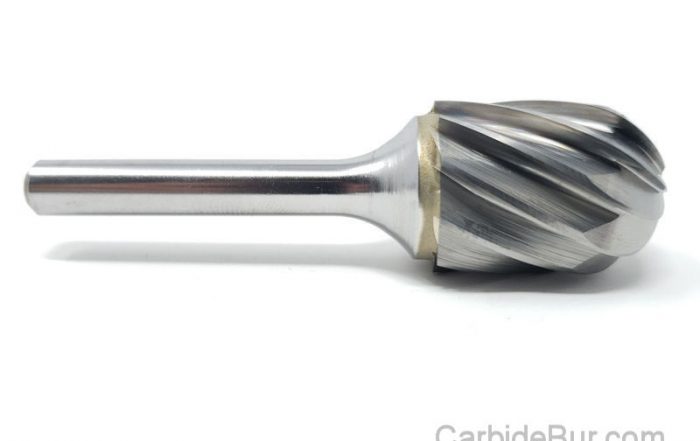
Best Carbide Burr for Concave Surfaces
Best Carbide Burr for Concave Surfaces Concave surfaces can turn a straightforward project into a frustrating challenge if you don’t have the right tool. Carbide burrs designed for these tricky curves make all the difference [...]
How to Grind a Slot in Metal With a Carbide Burr
How to Grind a Slot in Metal With a Carbide Burr Grinding a precise slot in metal can feel like a tricky task, especially if you’re unsure which tools to trust. Carbide burr grinding offers [...]

Best Carbide Burr for Inside Corners
Best Carbide Burr for Inside Corners Working in tight inside corners can turn even simple projects into frustrating tasks. Many carbide burrs just don’t fit or cut cleanly where you need them most. The best [...]
