
Carbide Burrs vs. HSS Bits: Why Go USA-Made for Superior Performance
Most metalworkers stick to high-speed steel bits without thinking twice. That choice can cost you time and money when your tools wear out too fast. USA-made carbide burrs deliver tougher wear resistance and longer tool longevity, making a real difference in demanding projects. Keep reading to learn when to pick each bit and how proper tool maintenance keeps your setup sharp and reliable.
Comparing Carbide Burrs and HSS Bits
Understanding the distinction between carbide burrs and high-speed steel (HSS) bits is key to choosing the right tool for your task. Whether you’re a professional or a hobbyist, knowing their differences can save you both time and money.
Key Differences and Advantages
Carbide burrs and HSS bits each have distinct benefits. Carbide burrs are known for their hardness and durability. They withstand high temperatures, enabling them to cut through tough materials with ease. This makes them ideal for heavy-duty tasks where precision is critical. On the other hand, HSS bits are versatile and affordable, suitable for less intensive projects. They offer decent cutting speed and are easier to sharpen, which can be handy for frequent use.
Despite their cost, carbide burrs often pay off in demanding conditions. They retain their cutting edge longer than HSS bits, reducing downtime for tool changes. If you need efficiency and reliability, carbide is often the better choice. For more on this, check out this comprehensive guide.
USA-Made Carbide Superiority
Choosing USA-made carbide burrs offers additional benefits. These tools are crafted with precision and high standards, ensuring top-notch performance. The quality control in US manufacturing means you get burrs that deliver consistent results every time.
When you rely on USA-made products, you gain the advantage of superior wear resistance. This translates to longer tool life and fewer replacements, keeping your projects on track. By investing in quality, you ensure your tools are as committed to your success as you are. For an insightful comparison, visit this article.
Optimal Usage for Metalworking
In metalworking, choosing the right bit can make or break your project. Each type of bit has specific scenarios where it shines.
When to Choose Carbide Burrs
Carbide burrs excel in tasks requiring precision and durability. If you’re working on tough metals like stainless steel or titanium, these burrs handle the job without faltering. Their wear resistance means you can push them to the limit without worrying about performance dips.
Opt for carbide when precision is non-negotiable. They maintain their sharpness, allowing for clean and accurate cuts. This is crucial in applications where detail and finish are paramount. For more insights on choosing the right bit, you can explore this detailed guide.
Ideal Scenarios for HSS Bits
HSS bits shine in everyday tasks and less demanding environments. They are perfect for woodwork, plastics, and softer metals. Their flexibility makes them a staple in many toolboxes.
When cost and versatility are priorities, HSS bits are a smart choice. They offer good cutting speed and can be easily sharpened, making them a practical option for general use. Need more info? Here’s a resource that dives deeper into HSS applications.
Maintaining Tool Longevity
Keeping your tools in top shape is crucial for maximizing their lifespan. Proper maintenance ensures your setup remains reliable and efficient.
Essential Tool Maintenance Tips
Regular maintenance can greatly extend the life of your tools. Start by keeping them clean and free from debris. After each use, wipe down your bits to remove any residue that might impair performance.
Store your tools in a dry environment to prevent rust and corrosion. Use protective cases to shield them from damage. Consistent care not only preserves tool longevity but also enhances their performance. For comprehensive tips, see this maintenance guide.
Extending the Life of Your Tools
To make the most of your tools, focus on correct usage and handling. Avoid applying excessive force, which can cause premature wear. Instead, let the tool do the work, applying just enough pressure to guide it.
Regularly inspect your tools for signs of wear. Early detection of issues allows for timely repairs, preventing further damage. By adopting these practices, you ensure your tools serve you well for years to come.
In conclusion, choosing between carbide burrs and HSS bits depends on your project needs. Understanding their unique advantages helps you make informed decisions, ensuring efficiency and quality in your work.
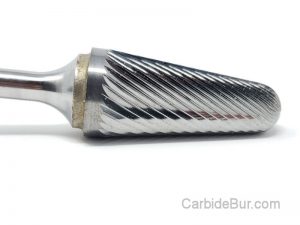
Find more information at CarbideBur.com
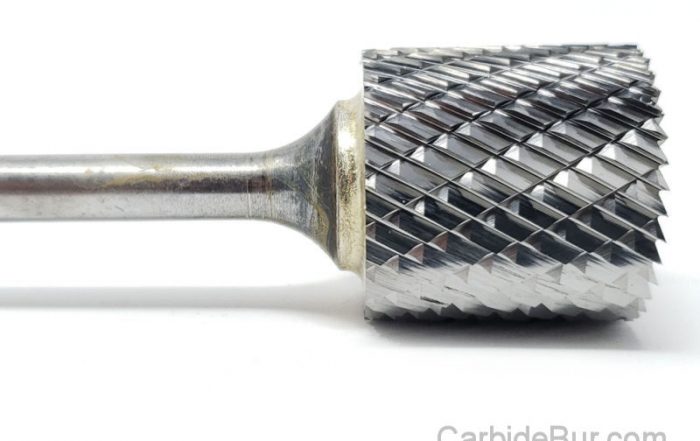
Can Carbide Burrs Cut Through Welds?
Can Carbide Burrs Cut Through Welds? Cutting through welds can feel like a battle, especially when you need clean results without harming the base metal. Carbide burrs offer a sharp edge in this fight, but [...]
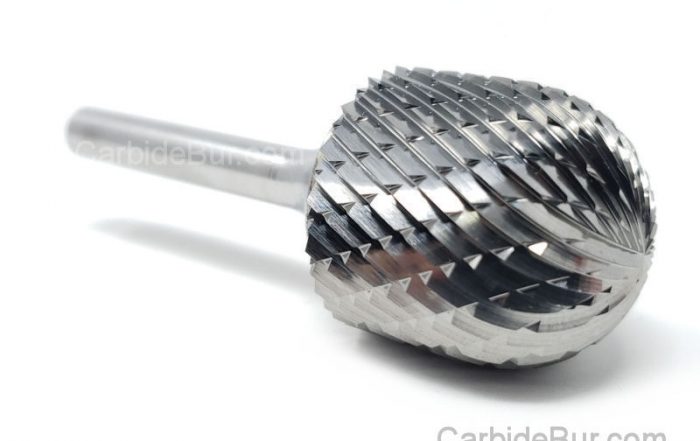
How to Use a Carbide Burr With a Die Grinder
How to Use a Carbide Burr With a Die Grinder Most people treat a carbide burr like just another tool, but using it with a die grinder takes skill. If you’ve struggled with burr installation [...]
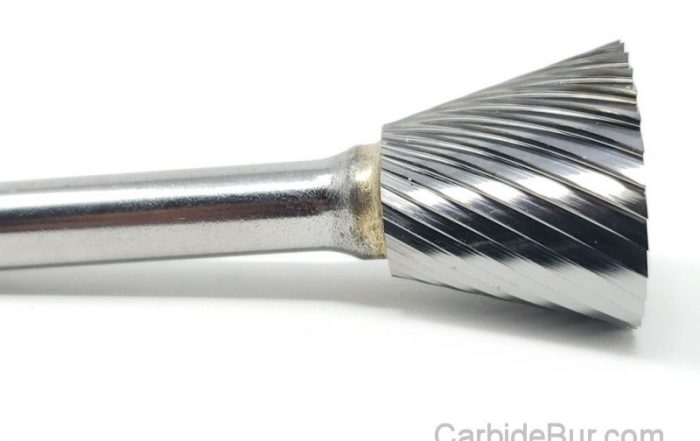
1/8 vs 1/4 Inch Carbide Burrs: What’s the Difference?
1/8 vs 1/4 Inch Carbide Burrs: What's the Difference? Choosing between a 1/8 inch carbide burr and a 1/4 inch carbide burr can change how your project turns out. Many machinists and hobbyists overlook how [...]
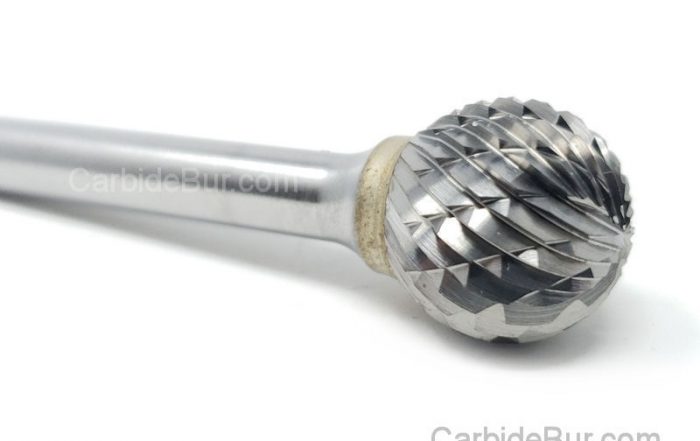
Best Carbide Burr for Removing Flash From Castings
Best Carbide Burr for Removing Flash From Castings Removing flash from castings is a task that can slow down your entire metalworking process if you don’t have the right tools. Picking the best carbide burr [...]
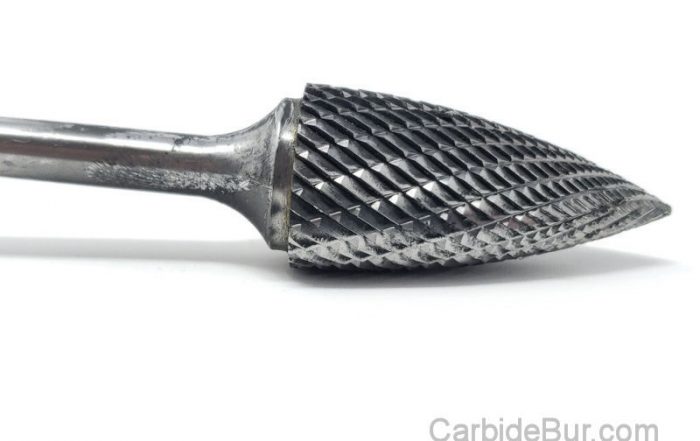
What RPM Should You Use for a 1/4 Inch Carbide Burr?
What RPM Should You Use for a 1/4 Inch Carbide Burr? Most machinists guess the right speed for a 1/4 inch carbide burr and hope for the best. Using the wrong carbide burr RPM can [...]
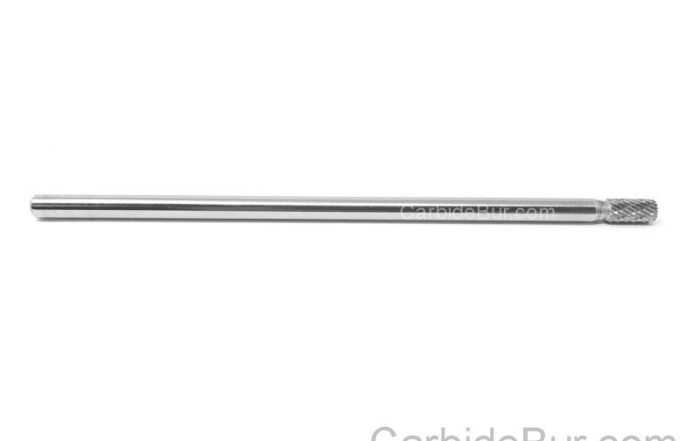
Long Shank Carbide Burrs: When Do You Need One?
Long Shank Carbide Burrs: When Do You Need One? Most machinists overlook the power of long shank carbide burrs until a project demands precision in tight spaces. When your usual tools can’t reach intricate contours, [...]
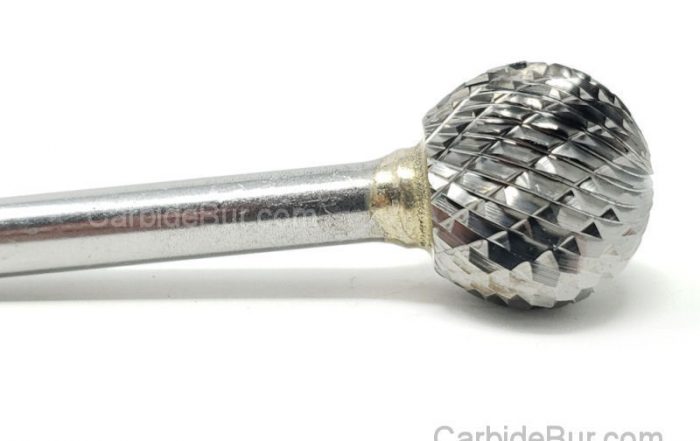
How Deep Can a Carbide Burr Cut Metal?
How Deep Can a Carbide Burr Cut Metal? Carbide burrs often get praised for their precision, but many users hit a wall wondering how deep they can actually cut metal. The truth is, cutting depth [...]
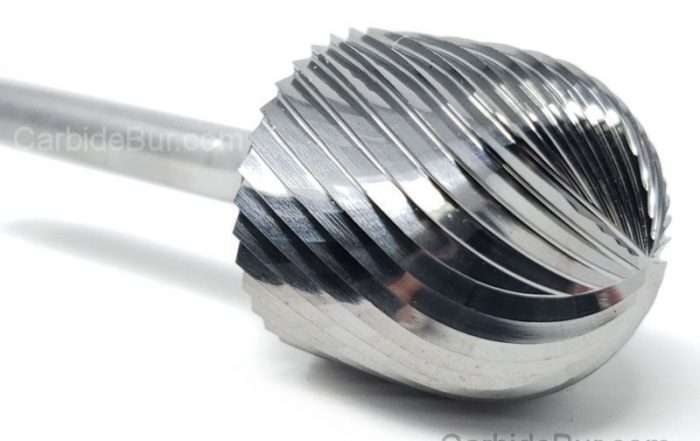
How to Use Carbide Burrs for Port Matching
How to Use Carbide Burrs for Port Matching Most engine builds hit a wall when airflow doesn’t flow smoothly between the ports and manifolds. If your engine isn’t breathing right, your performance stalls. Using the [...]
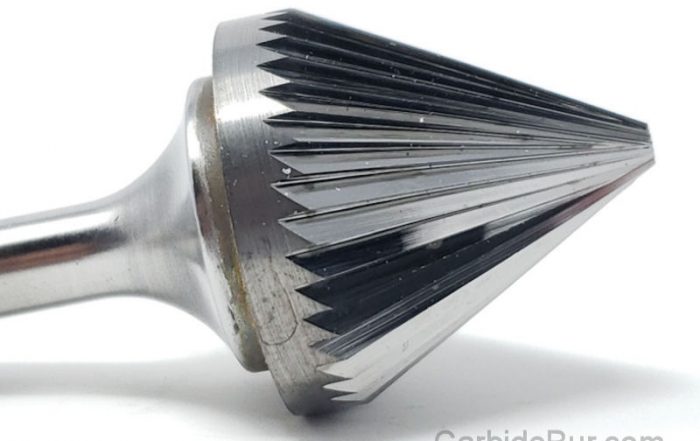
Best Carbide Burr for Porting Intake Manifolds
Best Carbide Burr for Porting Intake Manifolds Porting intake manifolds can make or break your engine’s airflow, yet many struggle with the right tools for the job. Choosing the best carbide burrs is key to [...]
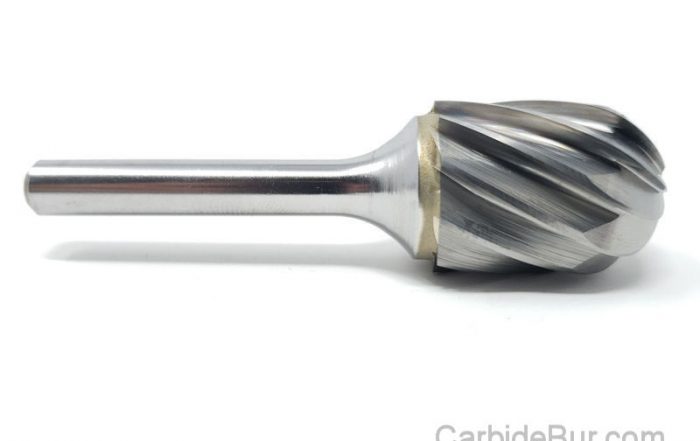
Best Carbide Burr for Concave Surfaces
Best Carbide Burr for Concave Surfaces Concave surfaces can turn a straightforward project into a frustrating challenge if you don’t have the right tool. Carbide burrs designed for these tricky curves make all the difference [...]
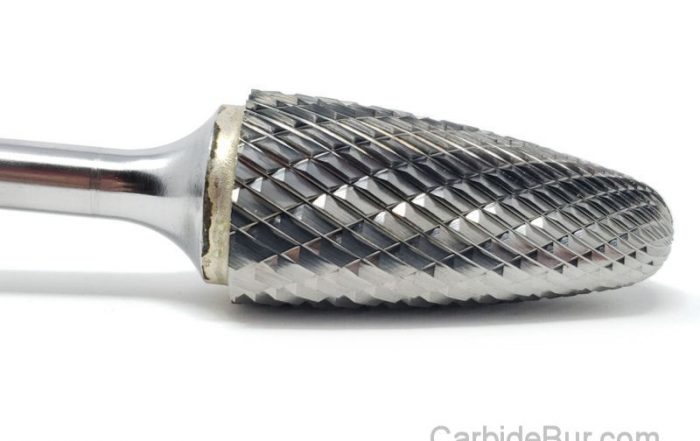
How to Grind a Slot in Metal With a Carbide Burr
How to Grind a Slot in Metal With a Carbide Burr Grinding a precise slot in metal can feel like a tricky task, especially if you’re unsure which tools to trust. Carbide burr grinding offers [...]

Best Carbide Burr for Inside Corners
Best Carbide Burr for Inside Corners Working in tight inside corners can turn even simple projects into frustrating tasks. Many carbide burrs just don’t fit or cut cleanly where you need them most. The best [...]
