
Enhance Your Machining Accuracy: A Guide to Effective Carbide Burr Sharpening
Carbide burrs lose their edge faster than you think, and dull tools mean sloppy cuts and wasted time. If you’ve noticed your burrs lagging, it’s not just about replacing them—you can sharpen carbide burrs to keep them cutting like new. This guide will walk you through the exact sharpening tools and techniques you need to spot wear patterns and restore your burrs, so your machining accuracy stays sharp and your projects come out clean every time. Learn more here about maintaining your tools.
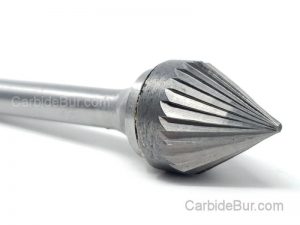
Which carbide bur tool shape do you use most?
Understanding Carbide Burrs
Carbide burrs are the unsung heroes of the metalworking world. Let’s take a closer look at why they matter and how you can choose the right one for your projects.
Importance of Carbide Burrs
Carbide burrs are essential for precise metal cutting. They help you achieve smooth finishes without hassle. These tools excel in shaping, grinding, and removing sharp edges. Their durability makes them a favorite among professionals and hobbyists alike. Investing in good burrs means better results in your metalworking projects.
Common Applications in Metalworking
In metalworking, carbide burrs tackle various tasks. They’re used in carving intricate designs and removing excess material. Whether you’re working on a car engine or crafting jewelry, these tools make the job easier. Their versatility means you can rely on them for both delicate and tough jobs. This makes them an indispensable part of your toolkit.
Choosing the Right Burr for the Job
Selecting the right burr depends on your task. Consider the shape and size: a cone-shaped burr works well for narrow spaces, while a cylindrical one covers flat surfaces efficiently. Material is key too. For instance, a harder burr is ideal for cutting stainless steel. By choosing wisely, you ensure efficient work and extend your burr’s lifespan. Find more tips here.
Essential Sharpening Tools
To keep burrs performing their best, you’ll need the right sharpening tools. Let’s explore which ones are most effective for this task.
Diamond Files for Carbide Burrs
Diamond files are a top choice for sharpening carbide burrs. These files are designed to handle tough metal surfaces with ease. Their fine grit can restore a burr’s edge quickly. Using diamond files, you can maintain the sharpness needed for precision work. It’s a cost-effective way to extend the life of your burrs.
Specialized Sharpening Machines
Specialized machines offer another excellent option for sharpening. They provide consistent results and save time. With adjustable settings, these machines cater to various burr sizes and shapes. They ensure an even grind, which is crucial for maintaining performance. Investing in a machine might seem hefty, but the long-term benefits are worth it.
Other Useful Sharpening Tools
Aside from diamond files and machines, other tools can aid in sharpening. Sandpaper and sharpening stones are handy for minor touch-ups. They work well for quick fixes when you’re short on time. A rotary tool with a grinding attachment can also be useful. These alternatives offer flexibility, especially for those on a budget. Check out more tips on tool longevity here.
Effective Sharpening Techniques
Sharpening carbide burrs requires technique. Let’s go through a guide and tips to ensure you get the best results every time.
Step-by-Step Sharpening Guide
-
Secure the Burr: Place the burr in a vice to prevent movement.
-
Choose Your Tool: Pick the correct diamond file or machine setting.
-
File Consistently: Work in one direction to maintain a uniform edge.
-
Check Progress: Regularly inspect the burr for sharpness.
-
Finish Up: Clean the burr to remove metal filings.
Following these steps ensures your burr is sharp and ready for action.

Tips for Consistent Results
Consistency is key in sharpening. Always use light pressure to avoid over-grinding. This prevents damage and keeps the burr effective. Also, maintain a steady hand and work in a well-lit area. This minimizes errors and enhances precision. Regular practice will improve your sharpening skills over time.
Maintaining Optimal Cutting Performance
To keep burrs cutting smoothly, routine maintenance is vital. Clean them after each use to prevent buildup. Store them properly to avoid damage. Regular sharpening keeps them in prime condition, ensuring your work is always top-notch.
Carbide Burr Maintenance Tips
Maintaining your burrs extends their life and performance. Let’s explore how to spot wear and decide when to sharpen.
Identifying Burr Wear Patterns
Wear patterns indicate when a burr needs sharpening. Look for dull edges and chipped areas. Reduced cutting performance is a clear sign too. Regular checks help you catch these issues early, preventing further damage. Being proactive saves time and money in the long run.
When to Sharpen Your Burrs
Timing is crucial in sharpening. Sharpen burrs at the first sign of wear to maintain effectiveness. Waiting too long can cause irreversible damage. A good rule is to inspect them after every few hours of use. This ensures they remain in optimal condition for your projects. You can find additional insights here.
Extending Burr Lifespan
To extend lifespan, handle burrs with care. Avoid dropping them or applying excessive force during use. Clean them regularly and store them in a safe place. Following these simple steps can significantly prolong their life, allowing you to get more value out of your investment.
Enhancing Machining Accuracy
Regular sharpening leads to better machining results. Let’s see how this boosts precision and helps achieve professional outcomes.
Benefits of Regular Sharpening
Regular sharpening keeps your tools at peak performance. This not only improves the quality of your work but also increases efficiency. Sharp burrs cut faster, reducing the time spent on tasks. This lets you complete projects quicker, saving both time and effort.
Improving Metalworking Precision
Precision is essential in metalworking. Sharp burrs provide cleaner cuts and intricate details. This precision translates into higher-quality products. Whether working on large-scale projects or small repairs, sharp tools make a noticeable difference in the final outcome.
Achieving Professional-Grade Results
To achieve top-tier results, regular maintenance of your burrs is vital. Professionals rely on sharp tools for consistent quality. By keeping your burrs in excellent condition, you ensure your work meets professional standards. This not only enhances your skills but also builds confidence in your abilities.
In summary, taking the time to sharpen carbide burrs and maintain them properly is a wise investment. It enhances your machining accuracy, prolongs tool life, and ensures you deliver quality outcomes every time.
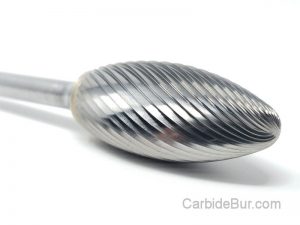
Looking for Carbide Bur Tools?
Check out our entire selection of USA made carbide bur die grinder tool bits
Follow us on Twitter

Return to CarbideBur.com
Carbide Burs – 1/4″ on 1/8″ Shanks – Accessories – Aluminum Cut – Bur Sets – End Mills – Long Shank – Solid Burs
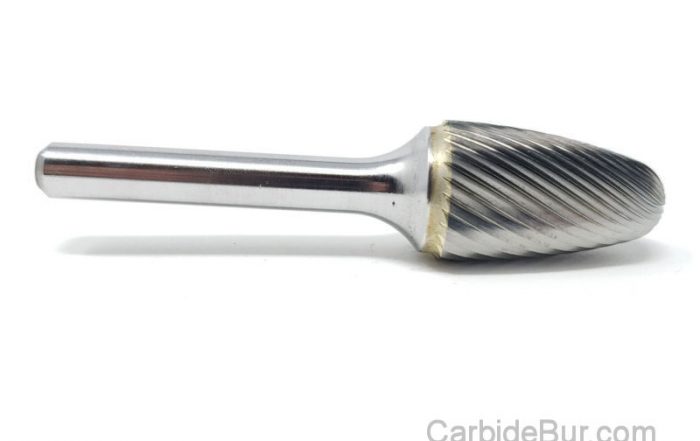
How to Grind a Groove in Metal With a Carbide Burr
How to Grind a Groove in Metal With a Carbide Burr Most metalworkers struggle to cut clean grooves without wasting time or ruining their workpiece. Many try different metalworking tools but end up with uneven [...]
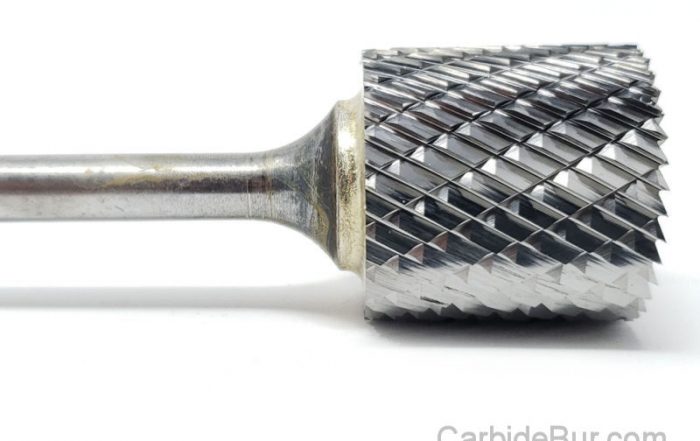
Can Carbide Burrs Cut Through Welds?
Can Carbide Burrs Cut Through Welds? Cutting through welds can feel like a battle, especially when you need clean results without harming the base metal. Carbide burrs offer a sharp edge in this fight, but [...]
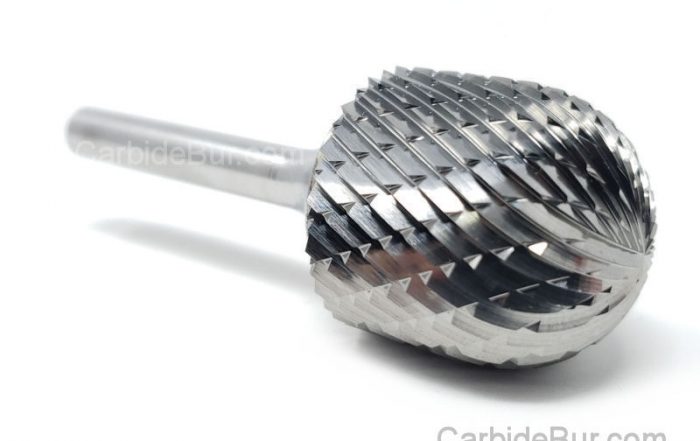
How to Use a Carbide Burr With a Die Grinder
How to Use a Carbide Burr With a Die Grinder Most people treat a carbide burr like just another tool, but using it with a die grinder takes skill. If you’ve struggled with burr installation [...]
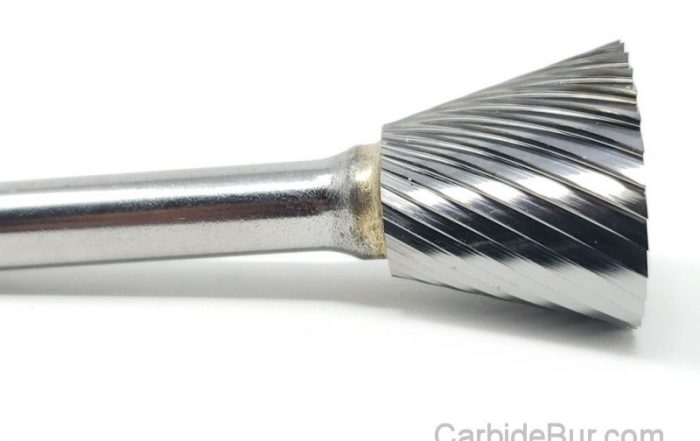
1/8 vs 1/4 Inch Carbide Burrs: What’s the Difference?
1/8 vs 1/4 Inch Carbide Burrs: What's the Difference? Choosing between a 1/8 inch carbide burr and a 1/4 inch carbide burr can change how your project turns out. Many machinists and hobbyists overlook how [...]
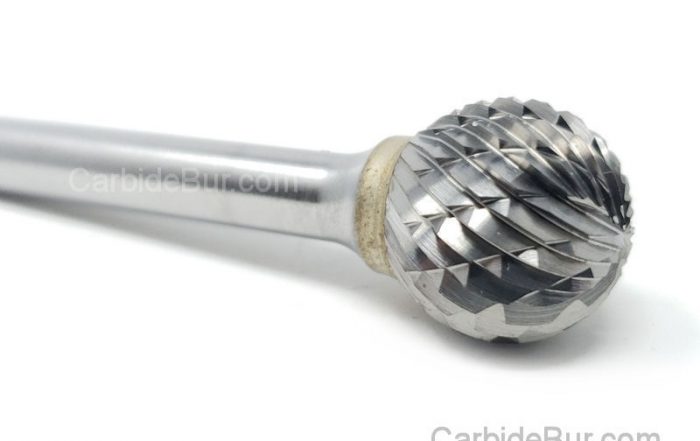
Best Carbide Burr for Removing Flash From Castings
Best Carbide Burr for Removing Flash From Castings Removing flash from castings is a task that can slow down your entire metalworking process if you don’t have the right tools. Picking the best carbide burr [...]
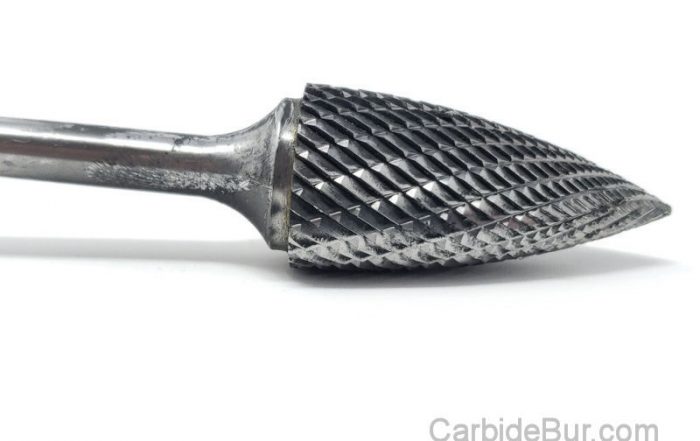
What RPM Should You Use for a 1/4 Inch Carbide Burr?
What RPM Should You Use for a 1/4 Inch Carbide Burr? Most machinists guess the right speed for a 1/4 inch carbide burr and hope for the best. Using the wrong carbide burr RPM can [...]
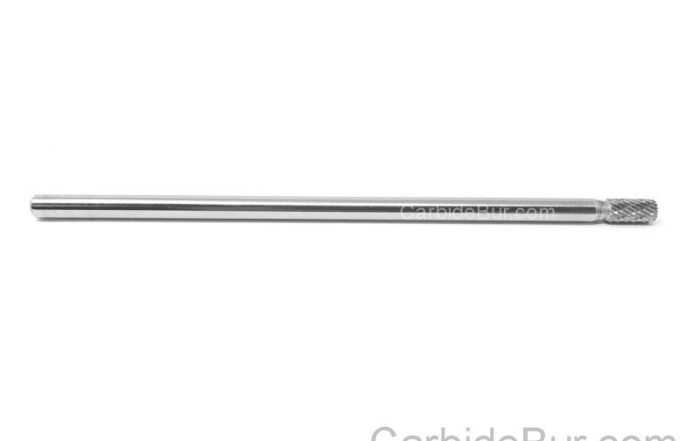
Long Shank Carbide Burrs: When Do You Need One?
Long Shank Carbide Burrs: When Do You Need One? Most machinists overlook the power of long shank carbide burrs until a project demands precision in tight spaces. When your usual tools can’t reach intricate contours, [...]
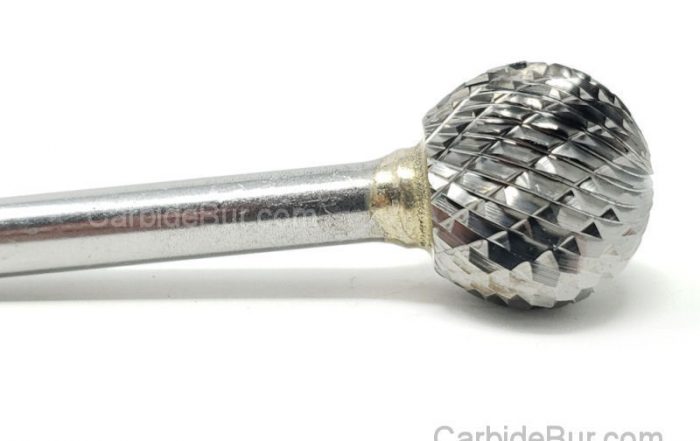
How Deep Can a Carbide Burr Cut Metal?
How Deep Can a Carbide Burr Cut Metal? Carbide burrs often get praised for their precision, but many users hit a wall wondering how deep they can actually cut metal. The truth is, cutting depth [...]
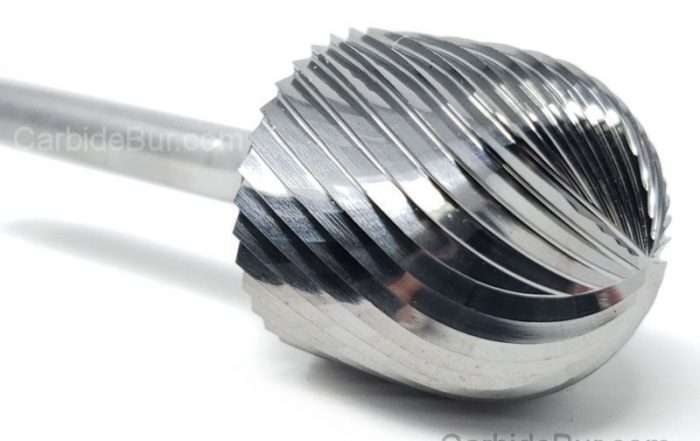
How to Use Carbide Burrs for Port Matching
How to Use Carbide Burrs for Port Matching Most engine builds hit a wall when airflow doesn’t flow smoothly between the ports and manifolds. If your engine isn’t breathing right, your performance stalls. Using the [...]
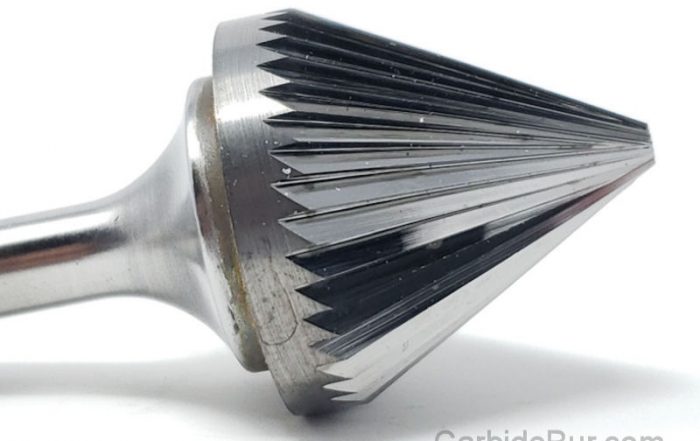
Best Carbide Burr for Porting Intake Manifolds
Best Carbide Burr for Porting Intake Manifolds Porting intake manifolds can make or break your engine’s airflow, yet many struggle with the right tools for the job. Choosing the best carbide burrs is key to [...]
Best Carbide Burr for Concave Surfaces
Best Carbide Burr for Concave Surfaces Concave surfaces can turn a straightforward project into a frustrating challenge if you don’t have the right tool. Carbide burrs designed for these tricky curves make all the difference [...]
How to Grind a Slot in Metal With a Carbide Burr
How to Grind a Slot in Metal With a Carbide Burr Grinding a precise slot in metal can feel like a tricky task, especially if you’re unsure which tools to trust. Carbide burr grinding offers [...]
