
Boost Your Machining Processes: Overcoming Carbide Burr Cutting Issues
Your carbide burr should cut smoothly, but when it doesn’t, your metalworking projects stall fast. Dull burrs, wrong RPM settings, and poor feed rates often cause cutting issues that drag down tool performance. This post breaks down these common problems and offers clear tips for burr maintenance that keep your machining processes running strong. For more on mastering the nuances of carbide burr cutting, check out this guide.
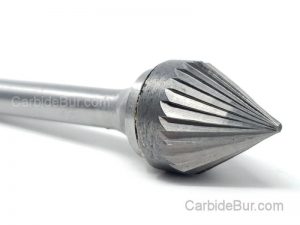
Which carbide bur tool shape do you use most?
Common Carbide Burr Challenges
When your carbide burr isn’t cutting as it should, it can be frustrating. Let’s dive into some common challenges that might be causing this.
Dull Burrs Impacting Performance
A dull burr is a common culprit behind cutting issues. When burrs lose their sharpness, they struggle to cut through metal effectively. This not only slows down your work but can also lead to poor-quality finishes.
To keep your burrs sharp, regular checks are essential. Look for signs of wear and tear. If you notice any, it’s time for a replacement. Investing in quality burrs can save you time and money in the long run.
Incorrect RPM Settings
RPM settings play a crucial role in cutting performance. When the RPM is too low, the burr won’t cut efficiently. Too high, and you risk damaging the tool or workpiece.
Finding the right RPM can be a game-changer. Test different settings to see what works best for your material. Always start slow and increase RPM gradually to avoid mishaps.
Improper Feed Rates
Feed rates are just as important as RPM when it comes to effective cutting. A fast feed rate can cause the burr to skip, leading to uneven cuts. A slow rate might wear out the burr faster.
Experiment with different feed rates to find the perfect balance. The goal is to achieve smooth, consistent cuts without overloading the tool. Check out these expert tips for more insights.
Material Compatibility Concerns
Understanding material compatibility is key to successful machining. Let’s explore how to match your burrs with the right materials.
Identifying Suitable Materials
Not all burrs are created equal. Some are designed for specific materials like steel, while others work best on softer metals. Knowing what’s suitable can enhance performance.
Before starting a project, identify the material you’re working with. Choose a burr that’s specifically made for that type. This ensures a smoother operation and extends the life of your tools.
Adjusting Techniques for Different Metals
Different metals require different techniques. For instance, aluminum needs a different approach than stainless steel. Adjusting your technique can prevent unnecessary wear on your tools.
Experiment with different angles and pressures when cutting. This will help you find what works best for each metal type. For a deeper understanding, visit this beginner guide.
Enhancing Tool Performance
Once you’ve tackled material compatibility, it’s time to focus on enhancing your tool’s performance. Let’s look at some practical strategies.
Regular Burr Maintenance Practices
Regular maintenance keeps your tools in top shape. Cleaning your burrs after each use can prevent build-up and maintain sharpness.
-
Brush off any debris after each use.
-
Inspect for wear and replace when needed.
-
Store burrs properly to avoid damage.
These simple steps can make a big difference in performance.

Monitoring Tool Performance Indicators
Pay close attention to performance indicators like cutting speed and finish quality. These can provide insights into the health of your tools.
If you notice a drop in performance, it may be time to reassess your setup. Regularly monitoring these indicators helps catch issues before they impact your work. Here’s more on long-lasting performance.
Optimizing Machining Processes
With well-maintained tools, you can now focus on optimizing your processes. Let’s explore some best practices.
Best Practices for Efficiency
Efficiency is key in machining. Simple tweaks can lead to big improvements.
-
Use the right burr for each task.
-
Maintain consistent RPM and feed rates.
-
Regularly check your equipment for wear.
Following these practices can streamline your workflow and boost productivity.
Adapting to Project Needs
Every project is unique, requiring different approaches. Being adaptable can help you tackle challenges effectively.
Don’t hesitate to try new techniques or tools. The ability to adapt ensures you remain efficient and productive. Join the discussion on metalworking for more insights.
Practical Tips for Cutting Issues
Even with the best preparations, issues can arise. Here are some practical tips to overcome them.
Troubleshooting Common Problems
When issues occur, troubleshooting is your best friend. Start by identifying the problem, then work through potential solutions.
-
Check RPM and feed rate settings.
-
Inspect burrs for wear or damage.
-
Verify material compatibility.
These steps can quickly narrow down the source of the problem.
Implementing Solutions for Success
Once you’ve identified the issue, it’s time to implement a solution. This might involve adjusting your technique or replacing a worn burr.
With a proactive approach, you can overcome challenges and keep your projects on track. Remember, the longer you wait to address issues, the more they can compound. Take action and enjoy smoother operations.
By focusing on these elements, you ensure your machining processes remain efficient and effective. Keep experimenting and learning to continually improve your skills.
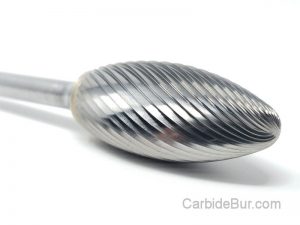
Looking for Carbide Bur Tools?
Check out our entire selection of USA made carbide bur die grinder tool bits
Follow us on Twitter

Return to CarbideBur.com
Carbide Burs – 1/4″ on 1/8″ Shanks – Accessories – Aluminum Cut – Bur Sets – End Mills – Long Shank – Solid Burs
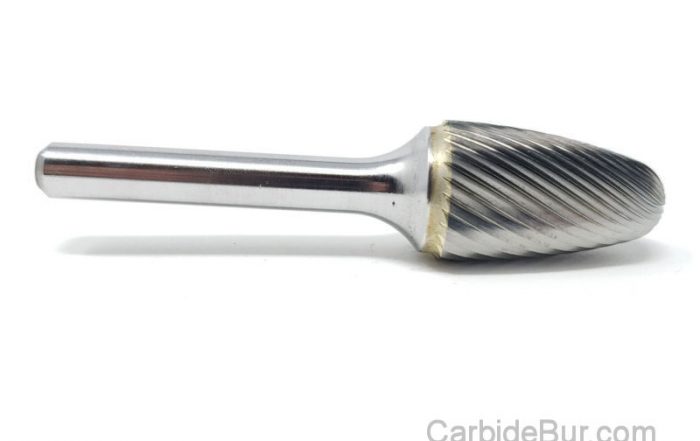
How to Grind a Groove in Metal With a Carbide Burr
How to Grind a Groove in Metal With a Carbide Burr Most metalworkers struggle to cut clean grooves without wasting time or ruining their workpiece. Many try different metalworking tools but end up with uneven [...]
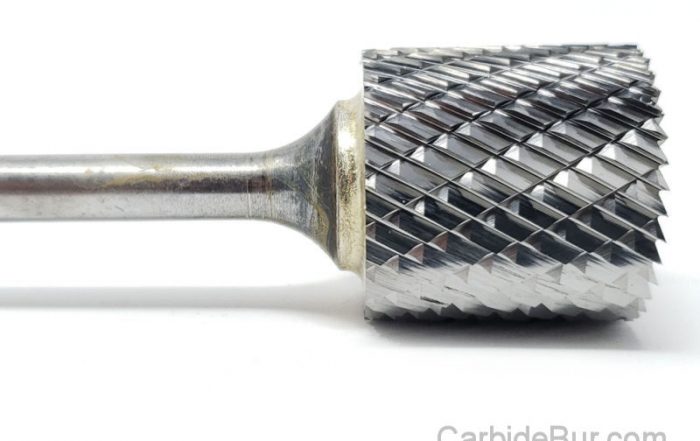
Can Carbide Burrs Cut Through Welds?
Can Carbide Burrs Cut Through Welds? Cutting through welds can feel like a battle, especially when you need clean results without harming the base metal. Carbide burrs offer a sharp edge in this fight, but [...]
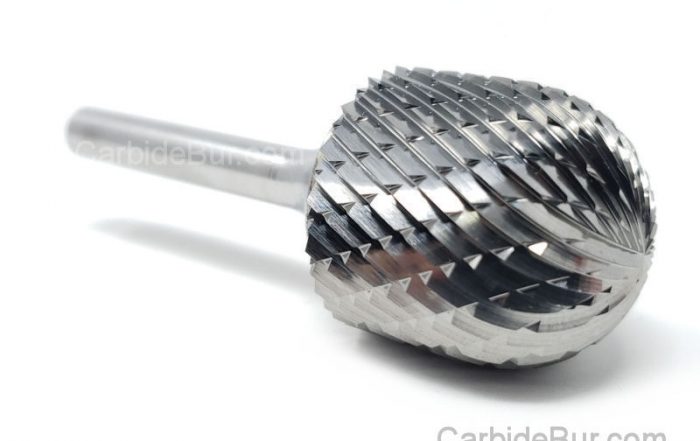
How to Use a Carbide Burr With a Die Grinder
How to Use a Carbide Burr With a Die Grinder Most people treat a carbide burr like just another tool, but using it with a die grinder takes skill. If you’ve struggled with burr installation [...]
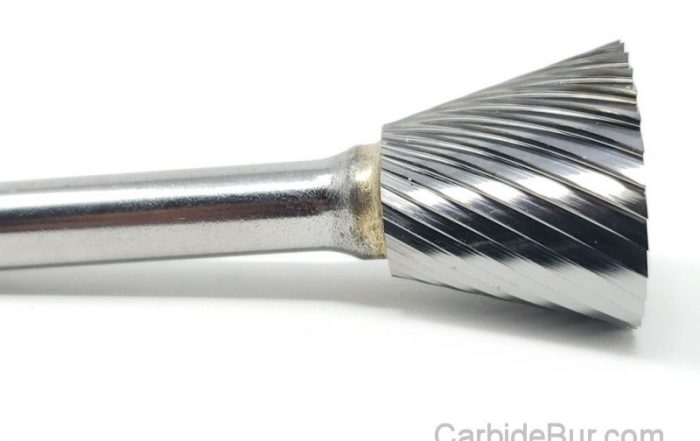
1/8 vs 1/4 Inch Carbide Burrs: What’s the Difference?
1/8 vs 1/4 Inch Carbide Burrs: What's the Difference? Choosing between a 1/8 inch carbide burr and a 1/4 inch carbide burr can change how your project turns out. Many machinists and hobbyists overlook how [...]
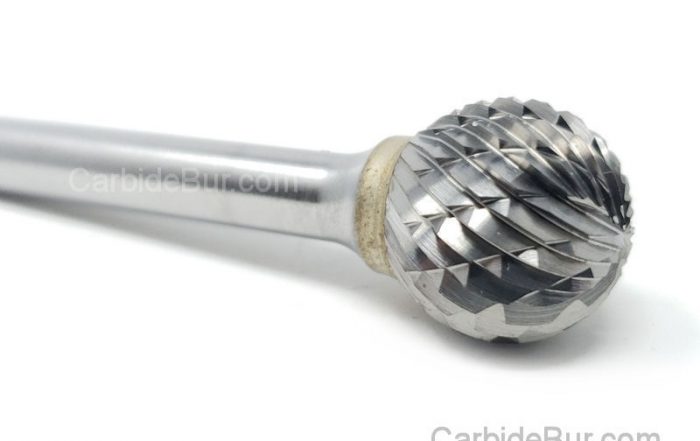
Best Carbide Burr for Removing Flash From Castings
Best Carbide Burr for Removing Flash From Castings Removing flash from castings is a task that can slow down your entire metalworking process if you don’t have the right tools. Picking the best carbide burr [...]
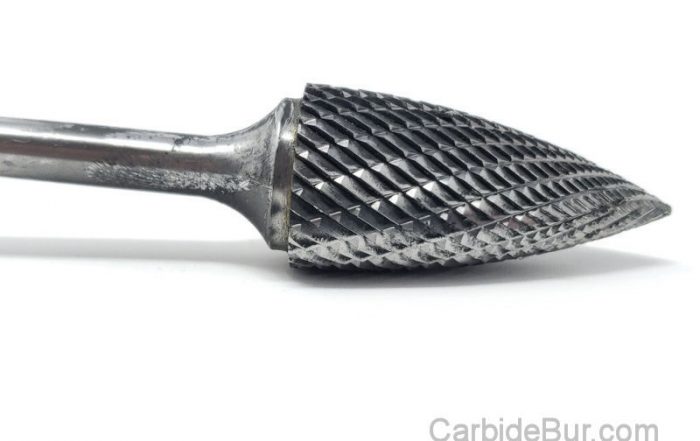
What RPM Should You Use for a 1/4 Inch Carbide Burr?
What RPM Should You Use for a 1/4 Inch Carbide Burr? Most machinists guess the right speed for a 1/4 inch carbide burr and hope for the best. Using the wrong carbide burr RPM can [...]
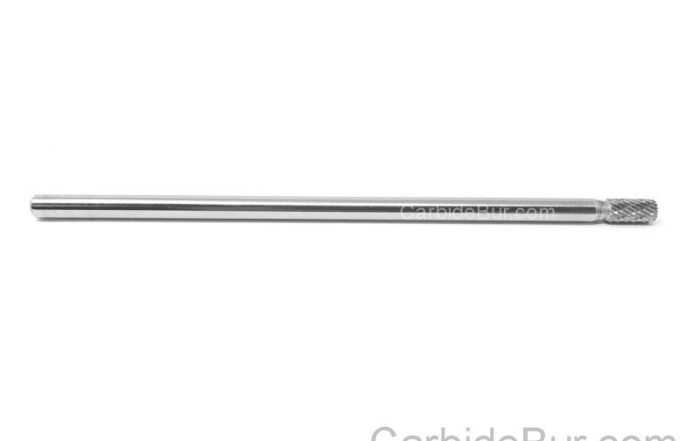
Long Shank Carbide Burrs: When Do You Need One?
Long Shank Carbide Burrs: When Do You Need One? Most machinists overlook the power of long shank carbide burrs until a project demands precision in tight spaces. When your usual tools can’t reach intricate contours, [...]
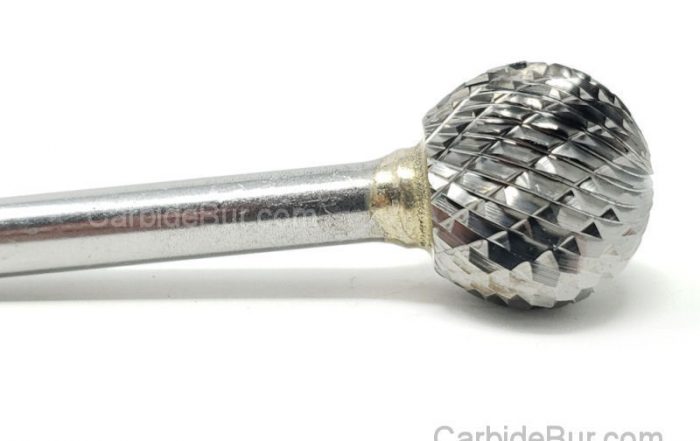
How Deep Can a Carbide Burr Cut Metal?
How Deep Can a Carbide Burr Cut Metal? Carbide burrs often get praised for their precision, but many users hit a wall wondering how deep they can actually cut metal. The truth is, cutting depth [...]
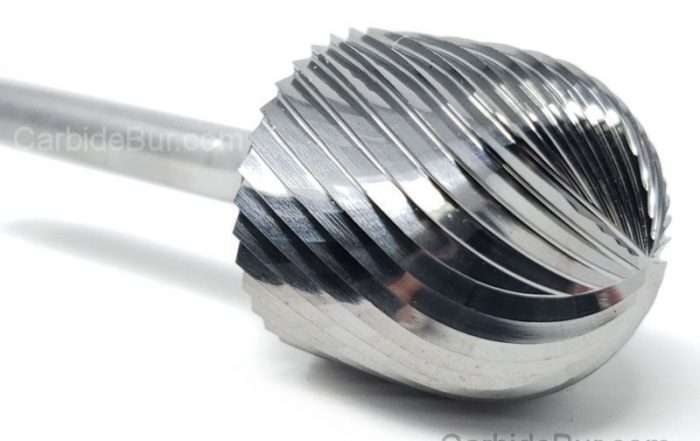
How to Use Carbide Burrs for Port Matching
How to Use Carbide Burrs for Port Matching Most engine builds hit a wall when airflow doesn’t flow smoothly between the ports and manifolds. If your engine isn’t breathing right, your performance stalls. Using the [...]
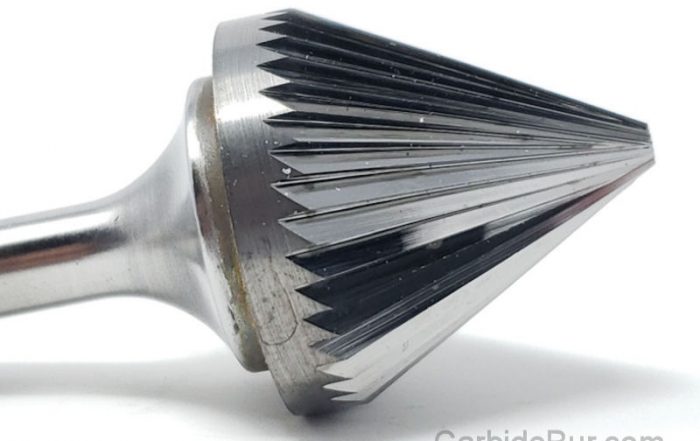
Best Carbide Burr for Porting Intake Manifolds
Best Carbide Burr for Porting Intake Manifolds Porting intake manifolds can make or break your engine’s airflow, yet many struggle with the right tools for the job. Choosing the best carbide burrs is key to [...]
Best Carbide Burr for Concave Surfaces
Best Carbide Burr for Concave Surfaces Concave surfaces can turn a straightforward project into a frustrating challenge if you don’t have the right tool. Carbide burrs designed for these tricky curves make all the difference [...]
How to Grind a Slot in Metal With a Carbide Burr
How to Grind a Slot in Metal With a Carbide Burr Grinding a precise slot in metal can feel like a tricky task, especially if you’re unsure which tools to trust. Carbide burr grinding offers [...]
