
A Guide to Picking the Perfect Rotary Burr for Hardened Steel Applications
When working with hardened steel, ordinary rotary burrs wear out fast and leave you struggling for clean cuts. Choosing the best rotary burr for hardened steel can save you hours of frustration and costly tool replacements. This guide breaks down which burr shapes and materials stand up to the toughest surfaces, so your grinding, shaping, and deburring get done right the first time. Learn more about this process by visiting this guide.
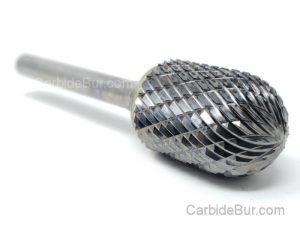
Have you tried our Carbide Burs for your job?
Understanding Hardened Steel
Hardened steel is a material known for its durability and strength. This section will help you understand why it poses unique challenges and demands top-quality tools.
Characteristics of Hardened Steel
When you work with hardened steel, you’re dealing with a material that’s tougher than most others. This toughness comes from a heat treatment process that increases its hardness and wear resistance. Such properties make it ideal for various applications, from automotive parts to industrial tools.
-
Increased Hardness: Hardened steel can withstand immense pressure without deforming.
-
Wear Resistance: It maintains its integrity even with frequent use.
Hardened steel’s strength is both a blessing and a challenge. It means less frequent replacements, but it also requires specialized tools for machining. Ordinary tools may not hold up, leading to inefficient work and potential damage.
Challenges in Machining Hardened Steel
Machining hardened steel isn’t a walk in the park. You’ll face challenges that demand careful planning and the right tools. One common issue is tool wear. Regular burrs can wear out quickly, leading to rough finishes and costly replacements.
Another challenge is maintaining precision. Hardened steel requires exact cuts, which demand tools that can handle its strength. This means choosing the best rotary burr for hardened steel is crucial for success.
To guide your choice, consider the unique demands of hardened steel machining. With the right tools, you can overcome these challenges and achieve exceptional results.
Key Features of Rotary Burrs
Selecting the right rotary burr involves understanding their key features. This section will explore what makes a burr effective and how to choose the best for hard materials.
Material Considerations for Burrs
The material of your rotary burr impacts its performance significantly. For hardened steel, you want burrs that can withstand the challenge. Tungsten carbide is a top choice here. It’s incredibly tough and maintains sharpness longer than other materials.
-
Tungsten Carbide: Offers superior strength and longevity.
-
Steel vs. Carbide: While steel burrs are cheaper, they wear out faster.
Investing in high-quality materials ensures your burrs last longer, providing cleaner cuts with each use. This means fewer replacements and more consistent performance in your projects.
Optimal Burr Shapes for Hard Materials
The shape of your burr affects how well it handles different tasks. For hardened steel, certain shapes offer better performance.
-
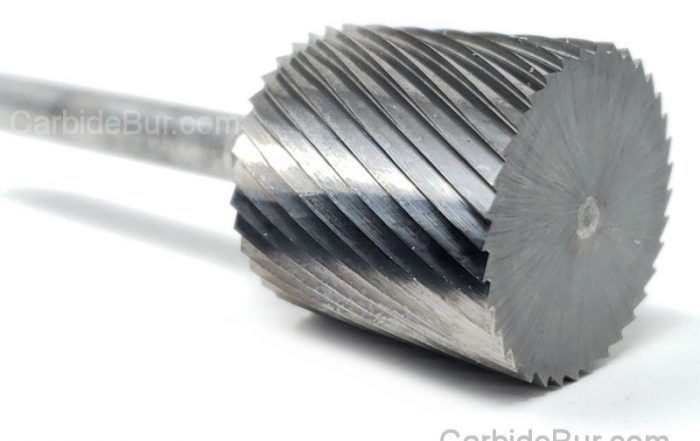
Cylinder Shape: Great for flat surfaces and sharp edges.
-
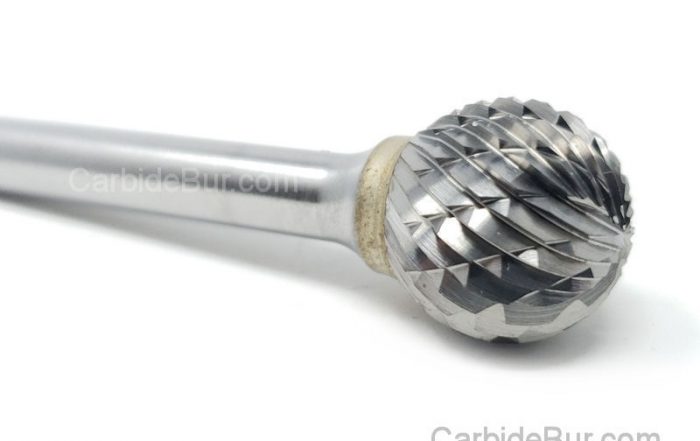
Ball Shape: Ideal for rounded cuts and contours.
Choosing the right shape helps you achieve better results in less time. Each shape serves a specific purpose, so understanding these can enhance your machining projects significantly.
For a detailed overview of burr shapes and uses, check out this comprehensive guide.
High-Performance Burr Selection
With the basics covered, it’s time to dive into selecting high-performance burrs. Understanding these options will give you a competitive edge in your work.
Best Rotary Burr for Hardened Steel
Choosing the best rotary burr for hardened steel is critical. Quality burrs can transform your machining tasks, saving you time and effort.
-
Single-Cut: These burrs offer a fine finish and are easy to control. They’re ideal for softer materials but can work on hardened steel with precision.
-
Double-Cut: Known for their high removal rate, these burrs can handle tougher materials and leave a smoother finish.
Finding the right burr depends on your specific needs. Whether you need precision or speed, there’s a burr that fits your task perfectly. For more information, visit this ultimate guide.
Grinding Tools for Hardened Steel
Grinding hardened steel requires more than just burrs. You’ll need tools that can complement their performance. Look for grinders that offer variable speeds and strong motors. These features ensure you can tackle any task with ease.
-
Variable Speed: Allows you to adjust based on material hardness.
-
Strong Motor: Provides the power needed for tough jobs.
Having the right grinder enhances the efficiency of your rotary burrs, leading to better outcomes in your projects.

Specialized Applications
Selecting the right burrs isn’t just about hardness; it’s about application. This section explores specific tasks and how to choose the right tools for each.
Burrs for Shaping and Deburring
When shaping and deburring hardened steel, precision is key. You need burrs that can create smooth edges without damaging the material.
-
Flame Shape: Perfect for precision work in tight spaces.
-
Inverted Cone: Great for removing material in hard-to-reach areas.
Using the correct burr shape ensures your projects have professional-quality finishes. It also minimizes the risk of errors that could lead to costly redos.
Selecting Burrs for Specific Tasks
Different tasks require different tools. For cutting, shaping, or deburring, the choice of burr can make all the difference.
-
Cutting: Opt for burrs with sharp teeth for quick material removal.
-
Shaping: Choose versatile shapes that can handle complex angles.
Understanding the specific demands of your task will help you select the most effective tool. This ensures your work is efficient and high-quality.
For insights on burr selection, check out discussions from professionals on Reddit.
Enhancing Tool Longevity
To maximize the lifespan of your tools, proper maintenance is crucial. This section provides tips to keep your burrs in top condition.
Maintenance Tips for Burrs
Maintaining your burrs involves regular cleaning and proper storage. After each use, clean off any residue to prevent buildup. Store them in a dry place to avoid rust.
-
Cleaning: Use a wire brush to remove debris.
-
Storage: Keep burrs in a protective case.
These simple steps can greatly extend the life of your burrs, saving you money and ensuring optimal performance.
Ensuring Optimal Performance in Machining
For the best results, it’s not just about the tools but how you use them. Consistent checks and calibrations ensure everything runs smoothly.
-
Regular Checks: Inspect burrs for wear and replace as needed.
-
Calibrations: Ensure your grinder is properly calibrated for precise cuts.
By following these guidelines, you can ensure that every project meets your high standards. This not only enhances your work quality but also boosts your confidence in handling hardened steel tasks.
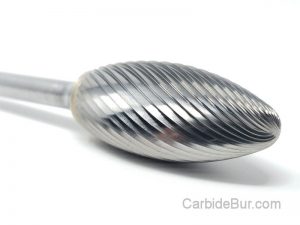
Looking for Carbide Bur Tools?
Check out our entire selection of USA made carbide bur die grinder tool bits
Follow us on Twitter

Return to CarbideBur.com
Carbide Burs – 1/4″ on 1/8″ Shanks – Accessories – Aluminum Cut – Bur Sets – End Mills – Long Shank – Solid Burs
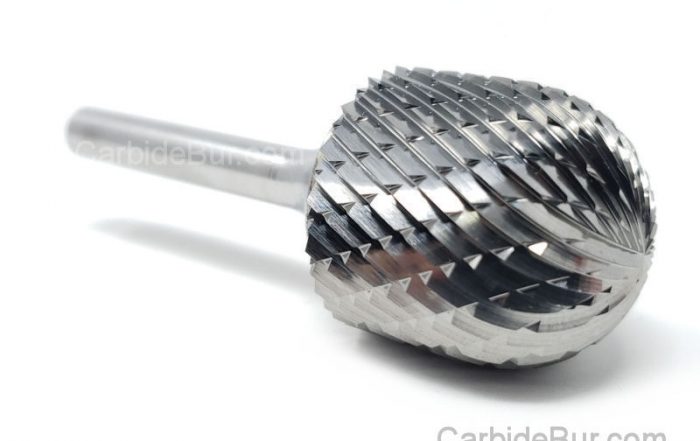
How to Use a Carbide Burr With a Die Grinder
How to Use a Carbide Burr With a Die Grinder Most people treat a carbide burr like just another tool, but using it with a die grinder takes skill. If you’ve struggled with burr installation [...]
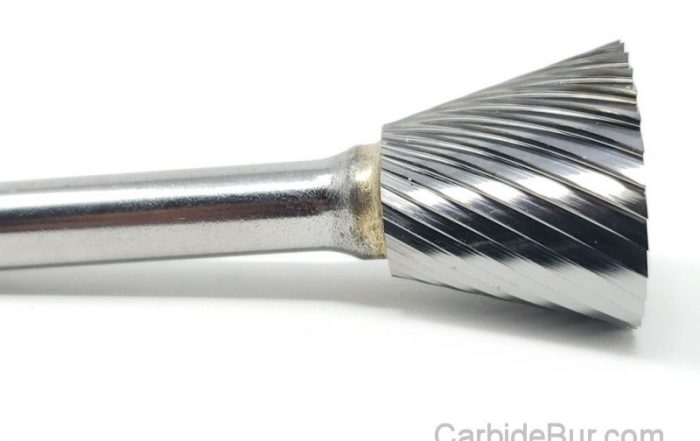
1/8 vs 1/4 Inch Carbide Burrs: What’s the Difference?
1/8 vs 1/4 Inch Carbide Burrs: What's the Difference? Choosing between a 1/8 inch carbide burr and a 1/4 inch carbide burr can change how your project turns out. Many machinists and hobbyists overlook how [...]
Best Carbide Burr for Removing Flash From Castings
Best Carbide Burr for Removing Flash From Castings Removing flash from castings is a task that can slow down your entire metalworking process if you don’t have the right tools. Picking the best carbide burr [...]
What RPM Should You Use for a 1/4 Inch Carbide Burr?
What RPM Should You Use for a 1/4 Inch Carbide Burr? Most machinists guess the right speed for a 1/4 inch carbide burr and hope for the best. Using the wrong carbide burr RPM can [...]
Long Shank Carbide Burrs: When Do You Need One?
Long Shank Carbide Burrs: When Do You Need One? Most machinists overlook the power of long shank carbide burrs until a project demands precision in tight spaces. When your usual tools can’t reach intricate contours, [...]
How Deep Can a Carbide Burr Cut Metal?
How Deep Can a Carbide Burr Cut Metal? Carbide burrs often get praised for their precision, but many users hit a wall wondering how deep they can actually cut metal. The truth is, cutting depth [...]
How to Use Carbide Burrs for Port Matching
How to Use Carbide Burrs for Port Matching Most engine builds hit a wall when airflow doesn’t flow smoothly between the ports and manifolds. If your engine isn’t breathing right, your performance stalls. Using the [...]
Best Carbide Burr for Porting Intake Manifolds
Best Carbide Burr for Porting Intake Manifolds Porting intake manifolds can make or break your engine’s airflow, yet many struggle with the right tools for the job. Choosing the best carbide burrs is key to [...]
Best Carbide Burr for Concave Surfaces
Best Carbide Burr for Concave Surfaces Concave surfaces can turn a straightforward project into a frustrating challenge if you don’t have the right tool. Carbide burrs designed for these tricky curves make all the difference [...]
How to Grind a Slot in Metal With a Carbide Burr
How to Grind a Slot in Metal With a Carbide Burr Grinding a precise slot in metal can feel like a tricky task, especially if you’re unsure which tools to trust. Carbide burr grinding offers [...]

Best Carbide Burr for Inside Corners
Best Carbide Burr for Inside Corners Working in tight inside corners can turn even simple projects into frustrating tasks. Many carbide burrs just don’t fit or cut cleanly where you need them most. The best [...]
What Size Carbide Burr Do I Need?
What Size Carbide Burr Do I Need? Picking the wrong carbide burr can turn a simple project into a frustrating mess. You might have the best machining tools but still miss the mark if your [...]
