
Top Air Grinders for Precision Work with Carbide Burrs
Finding the right air grinder to match your carbide burrs isn’t as simple as grabbing the first tool you see. If your current grinder lacks power or precision, your work will show it—and slow you down. This guide breaks down key features like RPM, horsepower, and collet size, then compares top models to help you pick the best air grinder for metalworking, woodworking, or automotive projects. You’ll gain clear insight to make your next tool choice count. For more information, check out this link.
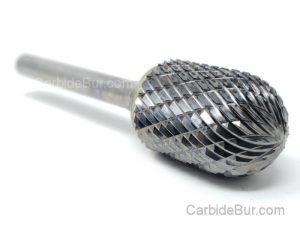
Have you tried our Carbide Burs for your job?
Essential Features of Air Grinders
Let’s dive into what makes a great air grinder stand out. These features will guide you in selecting a tool that matches your needs and enhances your projects.
Understanding RPM Range
The speed of an air grinder is crucial. RPM, or rotations per minute, tells you how fast the tool spins. Higher RPMs mean quicker cuts, but you need control. For most tasks, look for a range between 10,000 to 25,000 RPM. Why does this matter? The right speed ensures your carbide burrs slice through materials smoothly. Consider this: high RPMs might be great for soft materials, but slower speeds offer more control with harder surfaces.
Importance of Horsepower
Next up is horsepower. This determines the power behind your grinder. More horsepower equals more strength, making it easier to handle tough jobs. Generally, you’ll want an air grinder with at least 0.5 to 1.0 HP. Think of horsepower like the engine of a car. A more powerful engine gets you up steep hills effortlessly. Similarly, greater HP in an air tool means you can power through dense materials without stalling.
Choosing the Right Collet Size
Collet size is another key factor. It holds the burrs in place. Common sizes include 1/4-inch and 1/8-inch collets. The size you need depends on the burrs you use. A snug fit offers better precision and stability. If your work involves detailed engraving or fine lines, a smaller collet might be your best bet. Remember, using the wrong size can lead to wobbly cuts and uneven finishes.
Popular Air Grinder Models
Now that you know what to look for in an air grinder, let’s explore some top models. Understanding their strengths and weaknesses will help you make an informed choice.
Comparing Leading Brands
When it comes to air grinders, not all brands are created equal. Brands like Astro Pneumatic and Ingersoll Rand often top the list. Why? They offer durability and performance. For instance, Astro Pneumatic models are known for their compact design, making them easy to handle. In contrast, Ingersoll Rand provides robust power for heavy-duty tasks.
Evaluating Performance in Key Areas
Performance is not just about power. It’s about how the tool handles everyday tasks. Look at models that balance power and precision. A tool that feels comfortable in your hand can make all the difference. Test its grip, check the weight, and see if the vibrations are manageable. These aspects contribute to a tool’s usability over long periods.
Pros and Cons of Top Models
Each model has its perks and pitfalls. For example, high-powered models may wear you out faster due to their weight. On the flip side, lighter models might lack the power for heavy-duty work. The key is to match the tool to your typical projects. Need help deciding? This guide can help highlight what to expect from different options.
Applications and Best Practices
Ready to put your air grinder to work? Let’s explore the best practices across different fields to make the most of your tool.
Metalworking Techniques
Metalworking requires precision and strength. When cutting or shaping metal, maintaining a consistent speed is key. Use a moderate RPM to avoid overheating the metal. This helps maintain the integrity of the material. Regularly check your burrs for wear, as dull tools can lead to mistakes.

Woodworking Tips
In woodworking, the air grinder is a versatile tool. It’s perfect for shaping and smoothing edges. To get the best results, use lower RPMs. This prevents burning the wood and gives you greater control. Also, consider using a dust collector to keep your workspace clean.
Automotive Uses
For automotive work, air grinders are essential. They’re great for removing rust or polishing parts. Choose a tool with adjustable speed settings for flexibility. This allows you to switch from delicate to aggressive tasks without hassle. Remember, a well-maintained grinder can save you time and effort on the job.
Recommendations for Specific Needs
Your needs determine the best air grinder for you. Let’s match the right tool to your skill level and project type.
Best Air Grinders for Beginners
Starting out? Look for a grinder that’s easy to handle. Lightweight models with ergonomic grips are ideal. They offer control without overwhelming power. Brands like Astro Pneumatic are often a good fit for beginners due to their user-friendly design.
Ideal Choices for Professionals
Professionals demand more from their tools. If you’re experienced, you need a model that delivers power and durability. A grinder with adjustable speeds and a sturdy build will serve you well. Consider options from Ingersoll Rand, known for their reliable performance in demanding conditions.
Custom Solutions for Specific Projects
Every project is unique. For specialized tasks, you might need a custom solution. This could mean selecting specific burrs or accessories to complement your air grinder. Take the time to assess what each task requires, ensuring your tool setup matches your project’s demands.
Maintenance and Care Tips
Keeping your air grinder in top shape prolongs its life and performance. Let’s look at how regular maintenance can help.
Regular Cleaning and Upkeep
Clean your air grinder after each use. Remove dust and debris to prevent clogs. A quick wipe-down and occasional lubrication keep the internal parts running smoothly. This simple routine can extend your tool’s lifespan and maintain its efficiency.
Troubleshooting Common Issues
Encounter a problem? Don’t panic. Common issues often have simple solutions. If your grinder loses power, check for air leaks or blockages. Unusual noises might indicate worn parts needing replacement. Regularly inspecting your tool can catch issues before they escalate.
Enhancing Longevity of Grinding Tools
The longer your tools last, the more value they offer. Store your grinder in a dry place to prevent rust. Ensure you follow the manufacturer’s maintenance guidelines. Investing time in care now saves you money and hassle in the long run.
In summary, choosing the right air grinder involves understanding key features and matching them to your needs. Whether you’re a beginner or a seasoned professional, selecting a tool that aligns with your projects ensures precision and efficiency. With regular maintenance, your air grinder will remain a reliable partner in all your ventures.
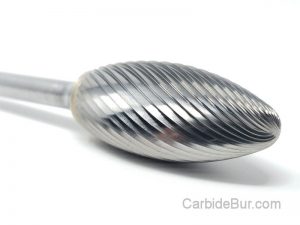
Looking for Carbide Bur Tools?
Check out our entire selection of USA made carbide bur die grinder tool bits
Follow us on Twitter

Return to CarbideBur.com
Carbide Burs – 1/4″ on 1/8″ Shanks – Accessories – Aluminum Cut – Bur Sets – End Mills – Long Shank – Solid Burs
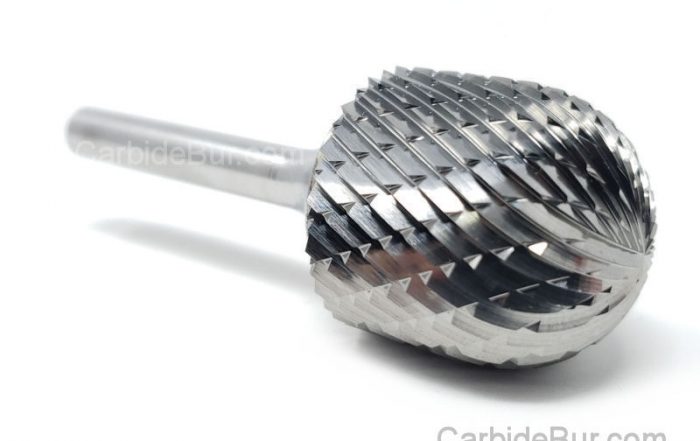
How to Use a Carbide Burr With a Die Grinder
How to Use a Carbide Burr With a Die Grinder Most people treat a carbide burr like just another tool, but using it with a die grinder takes skill. If you’ve struggled with burr installation [...]
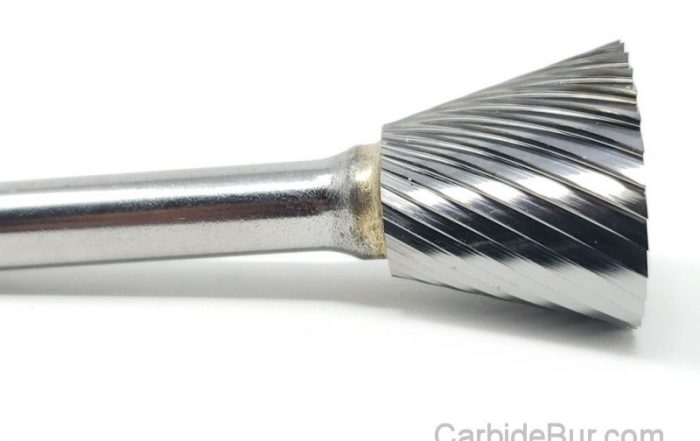
1/8 vs 1/4 Inch Carbide Burrs: What’s the Difference?
1/8 vs 1/4 Inch Carbide Burrs: What's the Difference? Choosing between a 1/8 inch carbide burr and a 1/4 inch carbide burr can change how your project turns out. Many machinists and hobbyists overlook how [...]
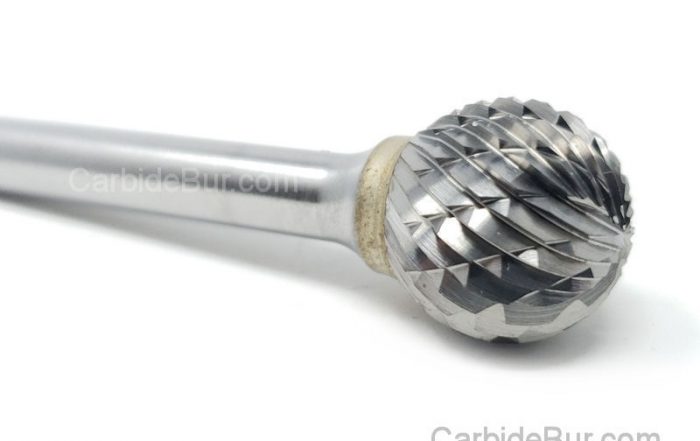
Best Carbide Burr for Removing Flash From Castings
Best Carbide Burr for Removing Flash From Castings Removing flash from castings is a task that can slow down your entire metalworking process if you don’t have the right tools. Picking the best carbide burr [...]
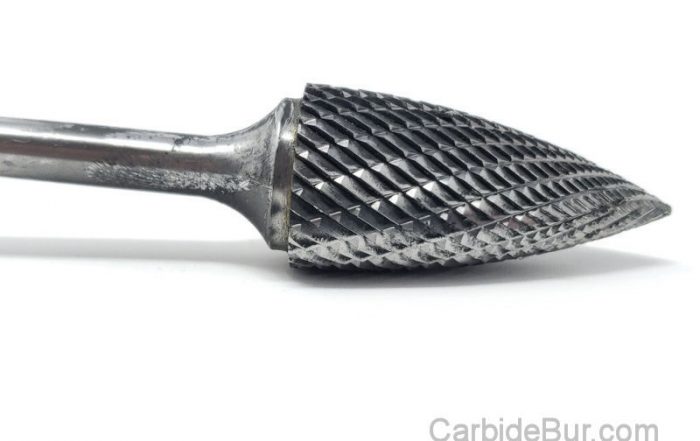
What RPM Should You Use for a 1/4 Inch Carbide Burr?
What RPM Should You Use for a 1/4 Inch Carbide Burr? Most machinists guess the right speed for a 1/4 inch carbide burr and hope for the best. Using the wrong carbide burr RPM can [...]
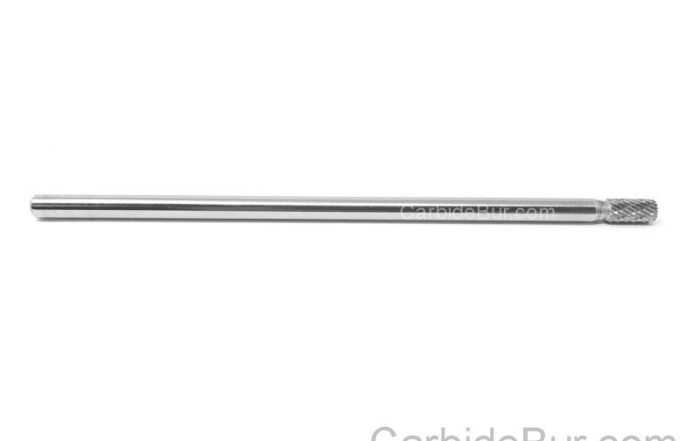
Long Shank Carbide Burrs: When Do You Need One?
Long Shank Carbide Burrs: When Do You Need One? Most machinists overlook the power of long shank carbide burrs until a project demands precision in tight spaces. When your usual tools can’t reach intricate contours, [...]
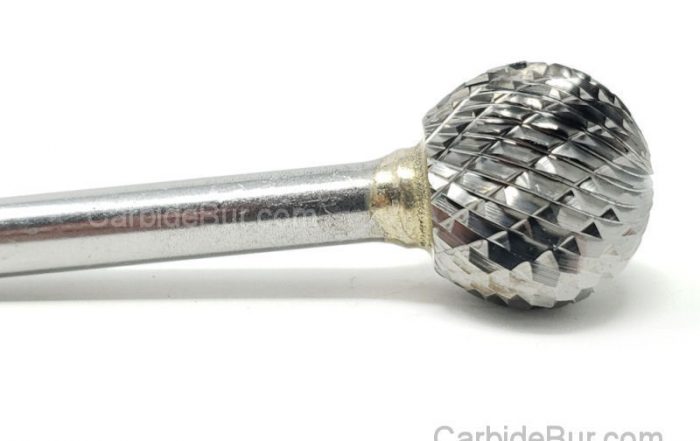
How Deep Can a Carbide Burr Cut Metal?
How Deep Can a Carbide Burr Cut Metal? Carbide burrs often get praised for their precision, but many users hit a wall wondering how deep they can actually cut metal. The truth is, cutting depth [...]
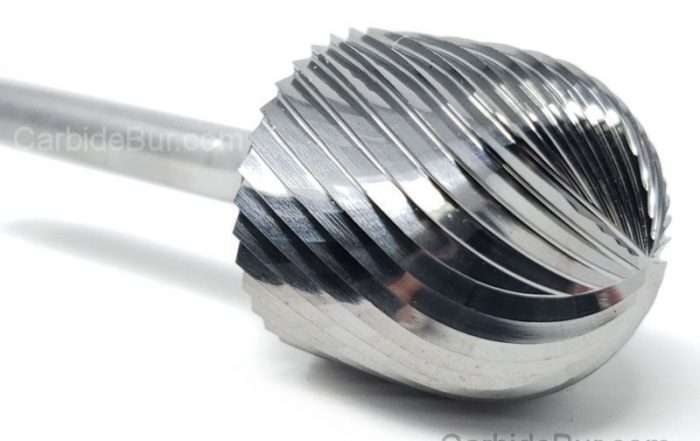
How to Use Carbide Burrs for Port Matching
How to Use Carbide Burrs for Port Matching Most engine builds hit a wall when airflow doesn’t flow smoothly between the ports and manifolds. If your engine isn’t breathing right, your performance stalls. Using the [...]
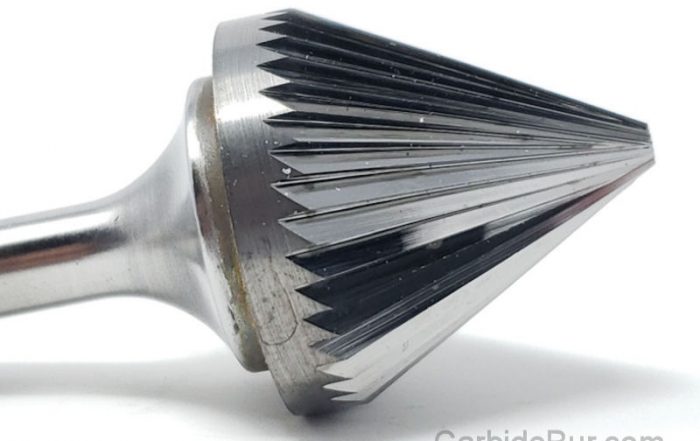
Best Carbide Burr for Porting Intake Manifolds
Best Carbide Burr for Porting Intake Manifolds Porting intake manifolds can make or break your engine’s airflow, yet many struggle with the right tools for the job. Choosing the best carbide burrs is key to [...]
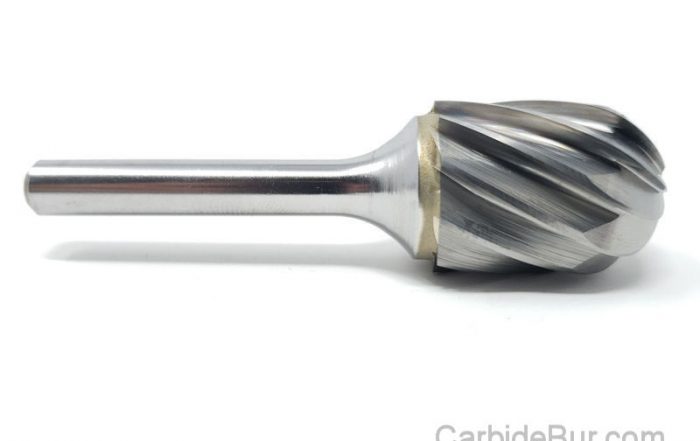
Best Carbide Burr for Concave Surfaces
Best Carbide Burr for Concave Surfaces Concave surfaces can turn a straightforward project into a frustrating challenge if you don’t have the right tool. Carbide burrs designed for these tricky curves make all the difference [...]
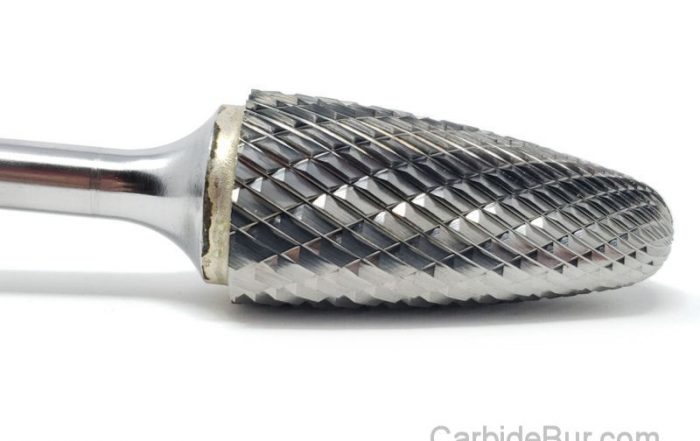
How to Grind a Slot in Metal With a Carbide Burr
How to Grind a Slot in Metal With a Carbide Burr Grinding a precise slot in metal can feel like a tricky task, especially if you’re unsure which tools to trust. Carbide burr grinding offers [...]

Best Carbide Burr for Inside Corners
Best Carbide Burr for Inside Corners Working in tight inside corners can turn even simple projects into frustrating tasks. Many carbide burrs just don’t fit or cut cleanly where you need them most. The best [...]
What Size Carbide Burr Do I Need?
What Size Carbide Burr Do I Need? Picking the wrong carbide burr can turn a simple project into a frustrating mess. You might have the best machining tools but still miss the mark if your [...]
