
Aluminum Carbide Bur Tools
We offer a huge selection of aluminum carbide bur tools and die grinder bits.
Aluminum cut carbide bur tools are designed for use on aluminum, non-ferrous metals, soft steel, reinforced plastics, and other soft materials.
High flute finish for easy chip flow and fast stock removal. Aluminum cut carbide burs provide excellent work finish with minumum loading when cutting soft, sticky metal.

SA-NF
Cylindrical 1/4″ shank
SA-1NF 1/4″ x 3/4″ 
SA-3NF 3/8″ x 3/4″
SA-5NF 1/2″ x 1″
SA-6NF 5/8″ x 1″
SA-7NF 3/4″ x 1″
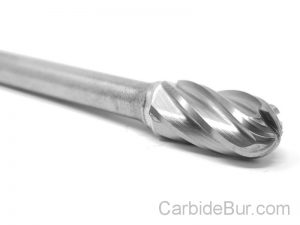
SC-NF
Cylindrical Radius End 1/4″ shank
SC-1NF 1/4″ x 3/4″
SC-3NF 3/8″ x 3/4″
SC-5NF 1/2″ x 1″
SC-6NF 5/8″ x 1″
SC-7NF 3/4″ x 1″
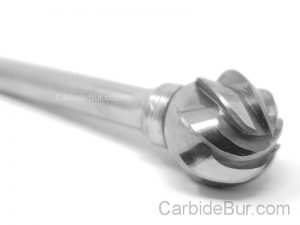
SD-NF
Ball Shape 1/4″ shank
SD-1NF 1/4″ x 3/16″
SD-3NF 3/8″ x 5/16″
SD-5NF 1/2″ x 7/16″
SD-6NF 5/8″ x 9/16″
SD-7NF 3/4″ x 11/16″

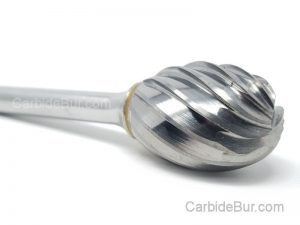
SE-NF
Oval Shape 1/4″ shank
SE-3NF 3/8″ x 5/8″
SE-5NF 1/2″ x 7/8″
SE-6NF 5/8″ x 1″
SE-7NF 3/4″ x 1″

SF-NF
Tree Radius End 1/4″ shank
SF-1NF 1/4″ x 3/4″
SF-3NF 3/8″ x 3/4″
SF-5NF 1/2″ x 1″
SF-6NF 5/8″ x 1″
SF-7NF 3/4″ x 1″
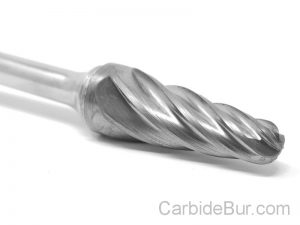
SL-NF
14 Degree Taper Radius End 1/4″ shank
SL-3NF 3/8″ x 1 1/16″
SL-4NF 1/2″ x 1 1/8″
SL-6NF 5/8″ x 1 5/16″
SL-7NF 3/4″ x 1 1/2″
Precision with Aluminum Cut Carbide Bur Die Grinder Tool Bits
In the intricate world of metalworking, precision and efficiency are paramount, especially when working with aluminum and other non-ferrous materials. Enter the realm of aluminum cut carbide bur die grinder tool bits, your go-to solution for achieving flawless cuts and finishes. These specialized tools are engineered to deliver exceptional cutting efficiency and reduce tool wear, making them indispensable for machinists and metalworkers aiming to enhance their craft. With a vast array of precision bur bits available, finding the right match for your specific needs has never been easier. Join us as we delve into the benefits and applications of these essential metalworking tools, and discover how they can revolutionize your approach to non-ferrous machining.
Understanding Aluminum Cutting Tools
In the world of metalworking, aluminum cutting tools play a crucial role. Understanding their characteristics and functionalities can greatly enhance machining processes and outcomes.
Characteristics of Non-Ferrous Machining
Non-ferrous machining involves working with materials like aluminum, copper, and brass, which lack iron. These materials are softer and more malleable than ferrous metals, requiring tools that can handle their unique properties.
Non-ferrous machining demands tools that can manage the material’s tendency to form long, stringy chips. This requires specialized cutting edges that minimize clogging. The goal is to achieve a smooth cut with minimal heat buildup, which is common with these materials.
Using tools designed for non-ferrous metals ensures a clean and precise job. Tools such as the aluminum cut carbide bur die grinder tool bits are engineered to deliver high performance in such applications.
Importance of Cutting Efficiency
Cutting efficiency is vital in machining processes. It directly impacts the time and energy consumption of a project. Efficient cutting tools reduce the workload on machinery and operators, enabling smoother operations.
To achieve cutting efficiency, selecting the right tool is crucial. Aluminum cutting tools, like carbide burs, are designed to optimize the cutting process. They facilitate quicker material removal and better surface finishes, which is essential in high-precision tasks.
Increased cutting efficiency leads to better productivity and cost savings. By choosing tools like those available at Carbide Burr, machinists can enhance their output and efficiency significantly.
Tool Wear Reduction Techniques
Tool wear is a common challenge in metalworking, reducing the lifespan and effectiveness of tools. However, there are several techniques to minimize wear and extend tool life.
-
Material Selection: Use tools made from high-quality materials, such as carbide, which are more resistant to wear.
-
Proper Lubrication: Applying cutting fluids can reduce friction and heat, minimizing wear.
-
Regular Maintenance: Keep tools sharp and clean to prevent wear from buildup and debris.
By implementing these techniques, machinists can maintain their tools’ performance and invest wisely in their tool arsenal. Visit Empire Abrasives for more on tool maintenance.
Types of Carbide Bur Die Grinders
Carbide bur die grinders come in various types, each suited to different tasks and materials. Understanding these types can help machinists make informed decisions.
Features of Aluminum Cut Carbide Bur
Aluminum cut carbide burs are specialized for use on non-ferrous metals. They feature specific flutes designed to prevent loading and enhance cutting efficiency.
These burs are made from high-quality tungsten carbide, which provides durability and resistance to wear. The unique flute design ensures that chips are evacuated efficiently, reducing heat buildup and ensuring a smoother finish.
Aluminum cut carbide burs are ideal for creating intricate cuts and details in aluminum. They ensure a clean cut without leaving burrs or rough edges, essential in high-precision work.
Precision Bur Bits for Metalworking
Precision bur bits are essential for tasks that require high accuracy and detailed work. These burs come in various shapes and sizes to accommodate different tasks and provide versatility.
Precision burs are used in applications where minute detailing is essential. They are designed to deliver smooth finishes even in hard-to-reach areas, making them invaluable in metalworking.
When selecting precision burs, considering the specific requirements of the task will ensure optimal results, whether it’s for deburring, shaping, or finishing.
Selecting the Right Tool for Your Needs
Choosing the right tool involves understanding the specific requirements of your task and the properties of the material you are working with. Key considerations include:
-
Material Type: Match the tool to the material’s hardness and properties.
-
Task Requirement: Determine whether the task requires precision or rapid material removal.
-
Tool Features: Consider flute design, material, and durability.
Selecting the appropriate tool will ensure effective results and enhance productivity. Use resources like Carbide Burr to guide your tool selection process.
Achieving Precision in Metalworking
Precision in metalworking is essential for achieving high-quality results. It involves various techniques and tools to ensure clean cuts and smooth finishes.
Techniques for Clean Cuts and Smooth Finishes
Achieving clean cuts involves using the right techniques and tools. Here are steps to ensure smooth finishes:
-
Select the Right Tool: Choose tools designed for precision, like aluminum cut carbide burs.
-
Use Proper Speed: Adjust the die grinder to the correct speed for the material.
-
Apply Steady Pressure: Maintain consistent pressure to avoid uneven cuts.
These techniques prevent damage to the workpiece and ensure a high-quality finish.
Managing Heat Buildup
Heat buildup can affect both the tool and the workpiece, potentially causing damage. Managing heat involves:
-
Using Coolants: Apply cutting fluids to dissipate heat.
-
Adjusting Speed: Lower speeds can reduce heat generation.
-
Taking Breaks: Allow tools to cool between uses to prevent overheating.
By controlling heat, you can extend tool life and ensure a better finish on your workpieces.
Enhancing Productivity with Proper Tools
Proper tool selection can significantly enhance productivity in metalworking. Efficient tools reduce the time and effort required for tasks.
-
Invest in Quality: Choose high-quality tools that offer durability and performance.
-
Regular Maintenance: Keep tools in optimal condition to ensure they function effectively.
-
Stay Informed: Stay updated on the latest tool technologies and innovations.
By optimizing tool use and maintenance, machinists can achieve better results in less time.
Maximizing Tool Longevity
Maximizing the lifespan of your tools involves proper maintenance and storage techniques. This ensures that you get the best return on your investment.
Maintenance of Carbide Bur Die Grinders
Regular maintenance is essential for keeping carbide burs in top condition. Effective maintenance practices include:
-
Cleaning: Remove debris and residue after each use.
-
Sharpening: Keep the cutting edges sharp to maintain efficiency.
-
Inspection: Regularly check for signs of wear or damage.
Implementing these practices will extend tool life and maintain performance.
Best Practices for Tool Storage
Proper storage prevents damage and prolongs tool life. Consider these best practices:
-
Organize: Store tools in dedicated cases or racks to prevent damage.
-
Protect from Moisture: Keep tools dry to avoid rust and corrosion.
-
Temperature Control: Store in a stable environment to prevent material degradation.
Adhering to these practices ensures that tools remain in optimal condition for longer periods.
Identifying Signs of Tool Wear
Recognizing wear early can prevent tool failure and ensure continued performance. Look for signs such as:
-
Dulled Cutting Edges: Reduced cutting efficiency indicates dullness.
-
Chips or Cracks: Physical damage can compromise tool integrity.
-
Increased Vibration: Excessive vibration during use suggests wear.
Regular inspections will help identify these signs early, allowing for timely maintenance or replacement.
Expanding Your Tool Arsenal
Expanding your tool arsenal with diverse options enhances your capability to tackle various metalworking tasks effectively.
Exploring New Metalworking Tools
Exploring new tools can introduce efficiencies and capabilities not previously available. Consider browsing the latest offerings at Empire Abrasives.
-
Innovation: New tools often incorporate the latest technology for better performance.
-
Versatility: Expanding options allows for tackling a wider range of projects.
-
Efficiency: New tools may offer quicker operation and better results.
By staying informed on new developments, machinists can maintain a competitive edge.
Benefits of a Diverse Selection
A diverse tool selection ensures readiness for any project. It allows machinists to choose the best tool for each specific task, thereby improving outcomes.
-
Flexibility: Handle diverse projects with ease.
-
Efficiency: Use specialized tools for faster and more precise results.
-
Cost-Effectiveness: Prevent unnecessary tool purchases by using existing tools efficiently.
Maintaining a diverse arsenal ensures preparedness for varied metalworking challenges.
Future Trends in Aluminum Cutting Technology
Future trends in aluminum cutting technology focus on enhanced precision and efficiency. Key trends include:
-
Advanced Materials: Development of more durable and effective tool materials.
-
Automation: Increased use of automated systems for precision and consistency.
-
Sustainability: Focus on eco-friendly manufacturing processes and materials.
Staying abreast of these trends helps machinists adapt to evolving industry needs and maintain optimal performance in their metalworking endeavors.
We manufacture single, double, and aluminum cut carbide bur cutting tools. We will tell you the differences between single, double and aluminum cuts, and when to use them.
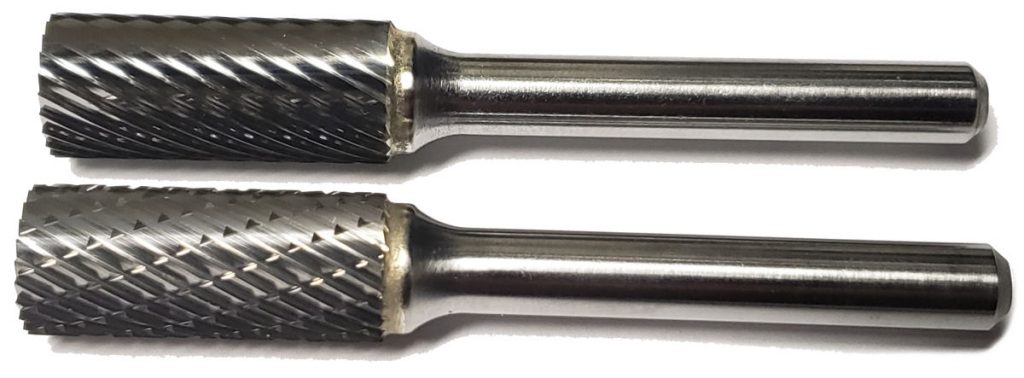
Choose Double, Single or Aluminum Cut Carbide Bur?
Double Cut
Our double cut carbide burs allow for rapid stock removal in harder materials. The addition of the left hand flutes reduces the pulling action, allowing better operator control. You can reduce the size of the chips and use them at slower than normal speeds using our double cut burs.
Single Cut
Our single cut carbide burs are for general purpose and designed for cast iron, steel, some copper and brass, and other ferrous materials. Single cut will give good material removal and good workpiece finishes.
Aluminum Cut
Non-ferrous are exactly what you would expect them to be. Use our cutting tools on non-ferrous materials such as aluminum, copper and magnesium.
Our USA made tungsten carbide burrs can be used on most hard materials including steel, aluminum and cast iron, all types of stone, ceramic, porcelain, hard wood, acrylics, fibreglass and reinforced plastics. If you use our burs on soft metals such as gold, platinum and silver, carbide burrs are perfect as they will last for a long time with no breaking or chipping.
Different cuts of carbide burrs will be best suited for certain materials.
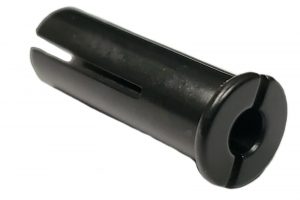
Try our 1/4” to 1/8” Collet Reducer
Allows you to use 1/8” shank carbide bits in your 1/4” collet router
Uses for Carbide Bur Die Grinder Bits
Carbide burs are widely used in metalworking, tool making, engineering, model engineering, wood carving, jewelry making, welding, chamferring, casting, deburring, grinding, cylinder head porting and sculpting. Our carbide cutting tools are used in the aerospace, automotive, dentistry, stone and metalsmith industries.
Carbide burs (burrs) are tools that are used for precision in cutting, grinding, and shaping the material
with which they are being worked. Additionally, you can use them for deburring, where burrs, excess
materials, sharp edges, and weld beads are removed. Use carbide burs in industrial tools, such as air
tools (e.g., die grinders), engravers, flexible shafts, and pendant drills, as well as for hobbies (e.g.,
Dremel tools). Their uses are varied and diverse, such as jewelry work, metalworking, welding,
woodworking, and cover a range of industries, including aeronautics, aviation, automotive, dentistry,
and metal and stone working.
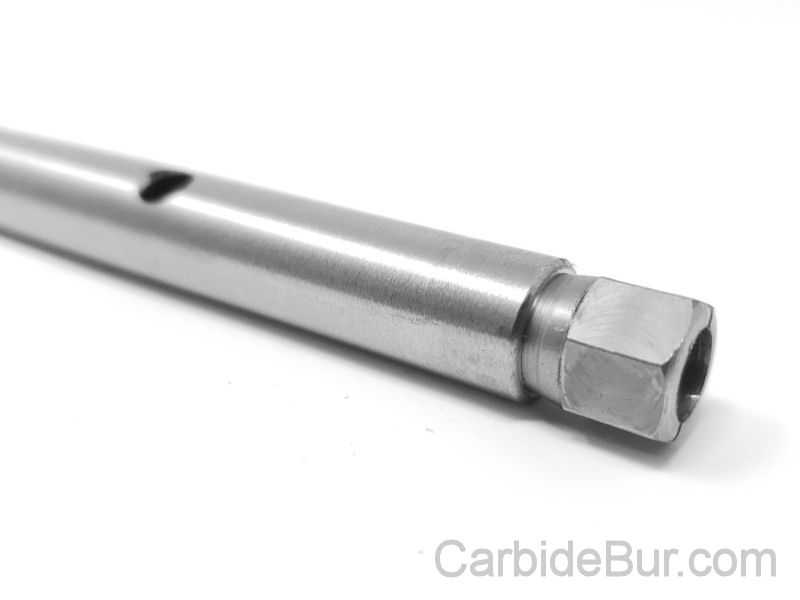
Need a longer reach?
Try our 4″ and 9″ extension tool for your carbide bur bits
Carbide burs (burrs) are composed of titanium or tungsten; diamond is the only material on
the Mohs scale that is harder and also used for drill tips. This means they are ideal for multiple purposes
due to the fact that they maintain sharper cutting edges for longer periods of time due, and tolerate
higher temperatures without warping when you apply friction. Carbide burs (burrs) maintain their sharp edges 10-20 times longer than a stainless-steel bur (burr), depending on the
frequency of use and the materials used with.
All our USA made carbide bur cutting tools ship SAME DAY ordered by USPS Mail with online tracking.
We can also dropship the carbide bur die grinder bit, if interested in joining our FREE dropship program.

We accept debit and all major credit card payments including Visa, MasterCard, Discover, American Express and PayPal. Fast and easy secure checkout with no account or login required. If you have any questions, visit our FAQ page or contact us here.

Follow us on Twitter

Return to CarbideBur.com
Carbide Burs – 1/4″ on 1/8″ Shanks – Accessories – Aluminum Cut – Bur Sets – End Mills – Long Shank – Solid Burs
A Guide to Single Cut and Double Cut Carbide Burrs
Cutting Tools 101: A Guide to Single Cut and Double Cut Carbide Burrs Most people don’t realize how much the type of carbide burr can change their work. Single cut carbide burrs and double cut [...]
What Every Metalworker Should Know
Understanding Carbide Burr Longevity: What Every Metalworker Should Know Most metalworkers underestimate how quickly their carbide burrs wear out. When your tools dull faster than expected, it cuts into your project time and budget. Knowing [...]
Beginner’s Guide to Selecting the Perfect Carbide Burr for Your First Project
Beginner's Guide to Selecting the Perfect Carbide Burr for Your First Project Picking the right carbide burr can feel overwhelming when you’re just starting out. You want a tool that’s easy to handle and versatile [...]
Best Practices for Using Carbide Burrs
Achieve Precision and Safety: Best Practices for Using Carbide Burrs Carbide burr safety is often overlooked until a close call happens. If you want to keep your hands and eyes protected while working, knowing the [...]
The Ultimate Guide to Choosing the Best Carbide Burr for Aluminum Projects
The Ultimate Guide to Choosing the Best Carbide Burr for Aluminum Projects Choosing the right carbide burr aluminum tool can make or break your project. Many struggle with burrs that clog or wear out fast [...]
The Ultimate Guide to Choosing the Best Die Grinder for Carbide Burrs
The Ultimate Guide to Choosing the Best Die Grinder for Carbide Burrs You’ve probably noticed that not all die grinders handle carbide burrs the same way. Picking the best die grinder means looking beyond brand [...]
Choosing the Best Carbide Burr for Intricate Designs
Mastering Wood Carving: Choosing the Best Carbide Burr for Intricate Designs Most wood carving tools dull faster than you expect, leaving your designs rough and unfinished. Carbide burrs change that by holding their edge longer [...]
Exploring the Uses of Carbide Burrs
The Power of Metalworking Tools: Exploring the Uses of Carbide Burrs Most metalworking tools struggle with tight curves and detailed finishes. The ball shape carbide burr changes that by handling those tricky spots with ease. [...]
The Ultimate Guide to Using Carbide Burrs for Paint and Rust Removal
From Rusty to Refined: The Ultimate Guide to Using Carbide Burrs for Paint and Rust Removal Rust and old paint can turn your metal projects into nightmares that drag on for hours. Using the wrong [...]
The Unmatched Benefits of Aluma Cut Carbide Burrs
Mastering Metalwork: The Unmatched Benefits of Aluma Cut Carbide Burrs Most burrs clog up when machining aluminum, slowing you down and ruining finishes. Aluma cut carbide burrs cut through soft metals without packing up, thanks [...]
The Ultimate Guide to Engraving Metal with Top Carbide Burrs
The Ultimate Guide to Engraving Metal with Top Carbide Burrs Most engraving burrs claim to work on metal, but few deliver the precision you need for crisp, detailed designs. If your metalwork projects feel rough [...]
Tips for Enhancing Your Machining Efficiency
Choosing Carbide Burrs: Tips for Enhancing Your Machining Efficiency Choosing the right carbide burr shape can make or break your project’s outcome. Many crafters and machinists struggle with picking the right tool and waste time [...]