
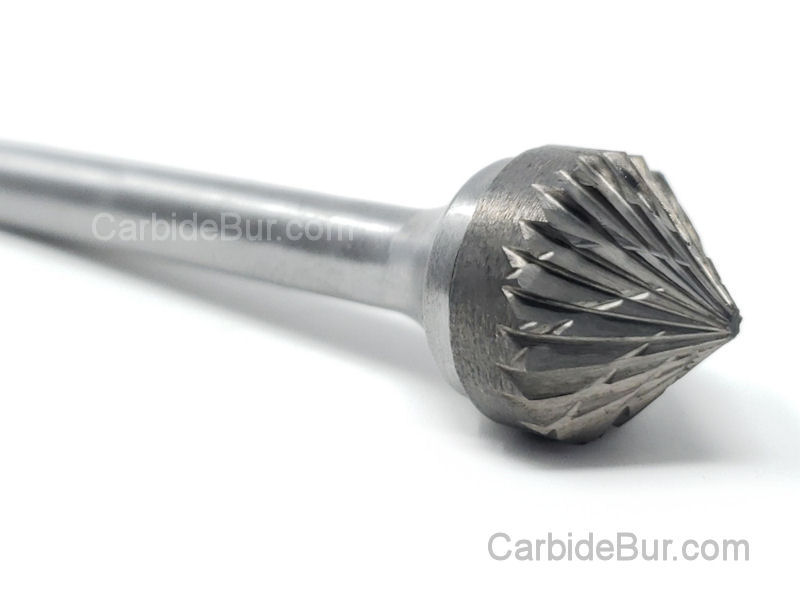
Are Carbide Cutting Tools The Unsung Heroes Of Industrial Fabrication?
Cutting through the noise of industrial fabrication, carbide cutting tools often go unnoticed despite their significant impact on manufacturing efficiency and precision. If you’ve ever wondered how high-performance materials are shaped with such accuracy, your answer lies in these exceptional tools. With unmatched durability and the ability to maintain sharpness longer than other materials, carbide cutting tools truly enhance your fabrication processes. Join us as we research into the unique advantages and capabilities of these unsung heroes that could elevate your work to new heights.
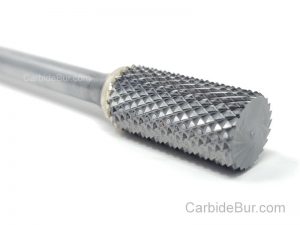
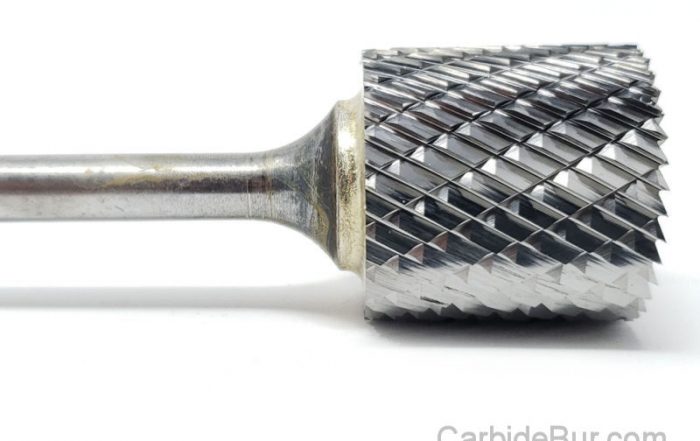
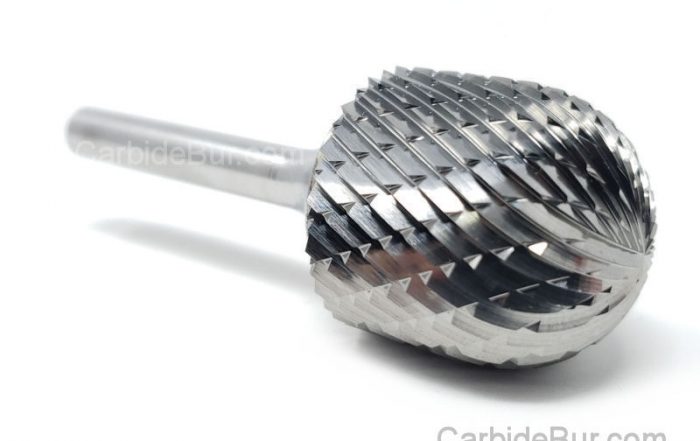
Find more carbide bur die grinder tool bits here
Understanding Carbide Cutting Tools
As you examine into the world of industrial fabrication, you will find that carbide cutting tools play a pivotal role in enhancing manufacturing efficiency and precision. These tools are designed for high-performance applications, ensuring durability and superior performance when cutting through various materials. Their unique properties make them ideal for tasks demanding accuracy and resilience, thereby establishing them as an imperative asset in your production process.
Composition and Properties
Carbide cutting tools are primarily composed of tungsten carbide, a composite material formed by combining tungsten and carbon. This combination results in tools that are incredibly hard and wear-resistant, making them suitable for machining operations that demand high cutting speeds and extended tool life. The hardness of carbide tools allows them to maintain sharp edges longer than many other materials, providing consistent performance.
Advantages Over Other Materials
Cutting tools crafted from carbide offer significant advantages over traditional materials such as high-speed steel or ceramics. They exhibit greater hardness, leading to a longer tool life and reduced frequency of replacements. Furthermore, carbide tools can withstand higher temperatures without losing their structural integrity, making them ideal for high-speed machining tasks and heavy-duty applications.
For instance, while high-speed steel may struggle under intense heat or pressure, carbide tools can maintain their performance in challenging conditions, allowing you to achieve better dimensional accuracy and surface finish. This durability not only translates to cost savings by reducing tool changeovers but also enhances overall productivity in your operations. Using carbide cutting tools means you can tackle more complex machining tasks with confidence, knowing you have reliable tools that can handle the demands of your projects.
Applications in Industrial Fabrication
There’s no denying that carbide cutting tools play a vital role across various applications in industrial fabrication. Their ability to maintain sharpness and withstand high temperatures makes them an ideal choice for machining processes that demand precision and durability, from metalworking to woodworking and composite materials.
Metalworking
Metalworking is an area where carbide cutting tools shine, delivering exceptional performance in machining ferrous and non-ferrous metals. These tools enable you to achieve high-quality finishes while reducing production time, allowing for efficient operations during the manufacturing process.
Woodworking
Below the surface, carbide tools significantly contribute to the woodworking industry by offering sharpness and longevity that woodworking projects demand. These tools allow you to craft intricate designs and achieve clean cuts, enhancing the overall quality of your finished products.
Due to their sharp edges and wear resistance, carbide cutting tools provide an advantage in woodworking applications, especially when working with hardwoods or engineered woods. By minimizing tear-out and ensuring a smooth finish, you can elevate the quality of your craftsmanship and reduce the frequency of tool replacements, the result being enhanced productivity in your woodworking projects.
Composite Materials
Behind the scenes, carbide cutting tools are equally effective when working with composite materials, which are increasingly popular in various industries. When you select carbide for cutting composites, you benefit from reduced wear and greater precision, improving the overall efficiency of your fabrication processes.
Fabrication of composite materials often requires specialized tools to handle their unique properties, such as fiberglass or carbon fiber. As you utilize carbide cutting tools, you can effectively manage the challenges associated with composites, like delamination or fraying. This not only ensures precision in your cuts but also prolongs the lifespan of your tools, making your operations more cost-effective in the long run.
Performance and Longevity
Not only do carbide cutting tools excel in precision, but they also offer remarkable longevity, making them a preferred choice in industrial fabrication. Their ability to withstand extreme conditions means fewer tool changes and reduced downtime for your production processes. This durability translates to cost savings and enhances productivity, highlighting their importance in achieving optimal manufacturing performance.
Wear Resistance
To ensure that your tools remain effective, it’s necessary to recognize the wear resistance of carbide cutting tools. Their composition allows them to resist abrasion and impact, significantly outlasting conventional materials. This feature enables you to maintain consistent performance over extended periods, reducing the frequency of replacements.
Cutting Efficiency
At the forefront of industrial cutting, carbide tools deliver cutting efficiency that can transform your production rates. Their ability to maintain sharpness and effective cutting edges during prolonged use means smoother operations and higher output quality.
Consequently, the cutting efficiency provided by carbide tools allows you to achieve faster processing times while minimizing input materials waste. This not only optimizes your overall production line but also enhances the finish quality of your products. By investing in carbide cutting tools, you ensure your operations remain competitive while achieving precise cuts and finishes that meet the demands of your industry.
Maintenance and Care
Now that you understand the exceptional capabilities of carbide cutting tools, it’s vital to prioritize their maintenance and care. Regular attention not only enhances performance but also extends the lifespan of your tools. By adhering to proper handling techniques, sharpening them when needed, and ensuring proper storage, you can maximize the benefits of your carbide tools and ensure consistent results in your industrial fabrication tasks.
Proper Handling Techniques
Any mishandling of carbide cutting tools can lead to premature wear or damage. Always handle your tools with care, avoiding dropping or striking them against hard surfaces. Make sure to use the correct tool for each application and employ appropriate techniques for mounting and dismounting, which will keep your tools in optimal condition for longer.
Sharpening and Reconditioning
Behind the scenes of effective cutting lies a well-maintained edge. Regularly sharpening and reconditioning your carbide tools is important to uphold their cutting performance. Choosing the right sharpening method, whether it’s manual or machine-based, can greatly impact efficiency and longevity.
Hence, incorporating a structured sharpening routine can make all the difference in maintaining your carbide tools’ effectiveness. Consider using specialized grinding equipment designed for carbide materials, as this ensures precision and optimal cutting geometry. Additionally, be mindful of the angle and pressure applied during sharpening to prevent damage. A well-sharpened carbide tool will not only improve productivity but also lead to higher quality fabrication results. Regularly assessing the condition of your tools will help determine when they require reconditioning, ensuring peak performance at all times.
Economic Impact
All industries rely on cutting tools to enhance their operations, and carbide cutting tools stand out for their role in improving productivity and reducing costs. By delivering efficient performance and longevity, these tools decrease the frequency of replacements and maintenance, thus contributing positively to your bottom line. The economic impact of adopting carbide cutting tools can be significant, allowing you to allocate resources more effectively and remain competitive in the market.
Cost-Effectiveness
Around many manufacturing settings, you will find that carbide cutting tools offer unparalleled cost-effectiveness. Their durability and ability to maintain a sharp edge for longer periods ensure that you minimize tool changeovers and associated labor costs. This longevity translates directly into savings for your operations, allowing your budget to stretch further while reaping the benefits of high precision and performance.
Return on Investment
Between the initial investment in carbide cutting tools and the long-term operational savings, you will likely see a significant return on investment (ROI) over time. As these tools provide higher productivity rates and reduce downtime, you can boost your overall output, improving your efficiency and profitability.
But it’s crucial to assess ROI not just in terms of immediate savings but also in the broader context of improved capabilities and competitive advantages. As you integrate carbide cutting tools into your operations, notice how they enable you to adopt more complex manufacturing processes or higher production volumes. These enhancements give your business the edge it needs, justifying the upfront costs and resulting in a compelling long-term payoff.
Future Innovations in Carbide Tools
Once again, the evolution of carbide cutting tools is set to reshape the industrial fabrication landscape. With ongoing investments in research and development, future innovations will likely lead to even stronger, more durable tools that can withstand extreme conditions and enhance efficiency. By integrating advanced materials and smart technology, these tools will help you achieve precision and productivity that were once considered unattainable.
Technological Advancements
Any improvement in carbide tools hinges on technological advancements that enhance their performance. Innovations such as nanotechnology will enable the creation of finer and more consistent carbide particles, leading to stronger, sharper, and longer-lasting cutting edges. You will benefit from reduced wear and improved thermal stability, ultimately increasing your tool life and productivity in various applications.
Market Trends
Any shift in market trends reflects the growing demand for high-performance carbide cutting tools in various industries. You may notice an increased focus on sustainable practices, as manufacturers aim to reduce waste while maximizing efficiency. Consequently, tools that optimize material usage and minimize environmental impact are likely to gain traction in the marketplace.
But as you research deeper into these market trends, it’s evident that adaptability is key. The rising demand for customized solutions means that suppliers will be more willing to collaborate and innovate to meet your specific needs. This evolving landscape facilitates a competitive edge, allowing you to leverage the latest advancements in carbide tool technology to boost your manufacturing capabilities and overall efficiency.
Summing up
The significance of carbide cutting tools in industrial fabrication cannot be overstated, as they provide you with unparalleled precision and efficiency in your projects. By integrating these robust tools, you can enhance the quality of your work, allowing for greater versatility in fabrication. To investigate deeper into the advantages they offer, you can explore the Top 5 Carbide Burr Shapes For Versatile Metal Fabrication, and discover how they can be the unsung heroes in your tool arsenal.
Find more carbide bur die grinder tool bits here
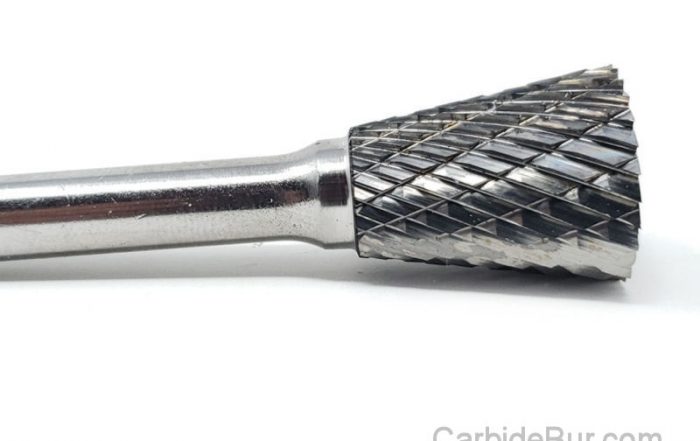
Carbide Burr Safety: 15 Mistakes That Can Cause Injury or Damage
Carbide Burr Safety: 15 Mistakes That Can Cause Injury or Damage Carbide burr safety is often overlooked until a costly mistake happens. Many metalworkers and DIYers make the same errors that lead to injuries or [...]
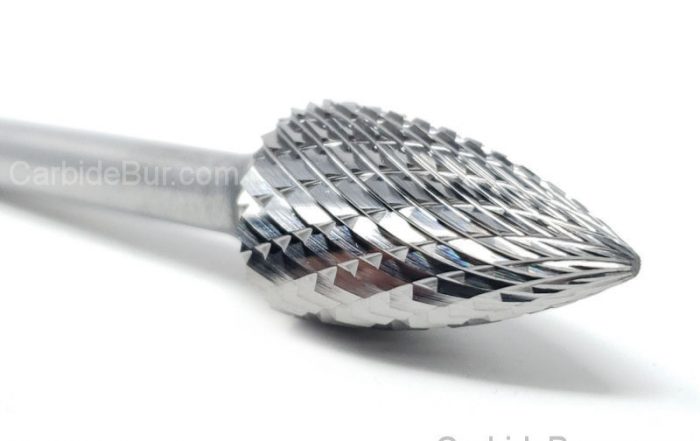
Can You Use a Carbide Burr in a Drill?
Can You Use a Carbide Burr in a Drill? Most people think a standard drill can’t handle a carbide burr, but that’s not true. Using carbide burr in the right drill can speed up your [...]
Carbide Burrs for Removing Rust: What Works Best?
Carbide Burrs for Removing Rust: What Works Best? Rust can turn your favorite tools into useless junk faster than you expect. Removing it without ruining the metal underneath takes more than just elbow grease—it demands [...]
How Much Pressure Should You Use With a Carbide Burr?
How Much Pressure Should You Use With a Carbide Burr? Most people think pressing harder with a carbide burr speeds up the job. That’s not true—too much pressure wears out your tool and ruins the [...]
Can You Use Carbide Burrs With an Air Die Grinder?
Can You Use Carbide Burrs With an Air Die Grinder? Most people don’t realize how well carbide burrs work with air die grinders until they try them. If you’ve ever struggled with finding the right [...]
Best Long Reach Carbide Burr for Deep Metal Work
Best Long Reach Carbide Burr for Deep Metal Work Long reach carbide burrs often promise deep metal access, but many fall short where it counts most. You need a tool that cuts cleanly, lasts through [...]
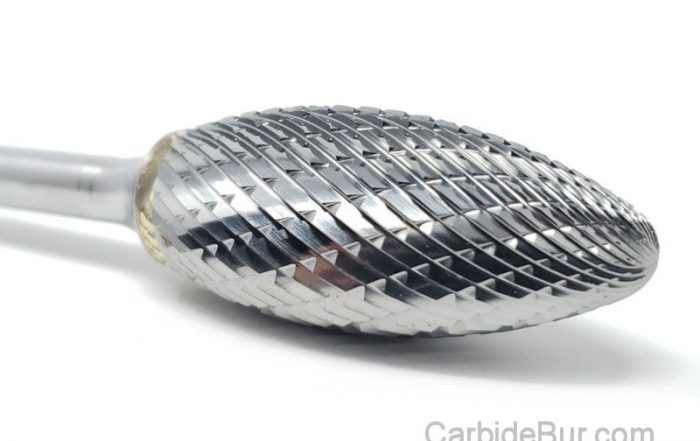
What RPM Should You Use for a 1/8 Inch Carbide Burr?
What RPM Should You Use for a 1/8 Inch Carbide Burr? Most people guess the right carbide burr RPM by feel—and waste hours redoing work. If you want cleaner cuts and longer tool life, your [...]
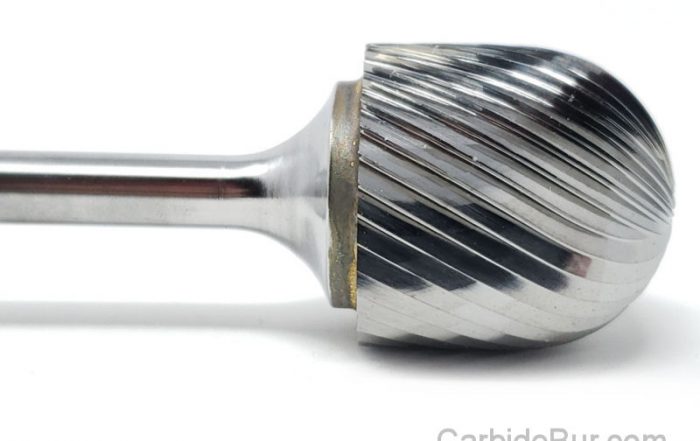
Carbide Burrs for Tight Spaces: Choosing the Right Shape
Carbide Burrs for Tight Spaces: Choosing the Right Shape Tackling tight spaces with the wrong carbide burrs wastes time and risks damaging your work. Choosing the right burr shape makes all the difference when working [...]
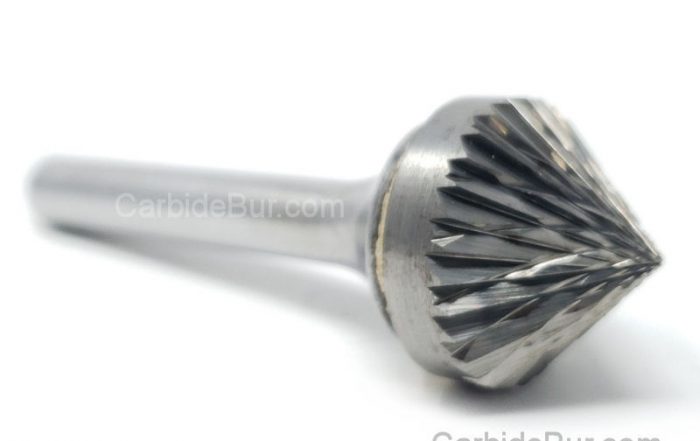
Can Carbide Burrs Remove Paint From Metal?
Can Carbide Burrs Remove Paint From Metal? Stripping paint from metal often feels like a tough chore that risks damaging the surface underneath. Many turn to carbide burrs hoping they can speed things up without [...]
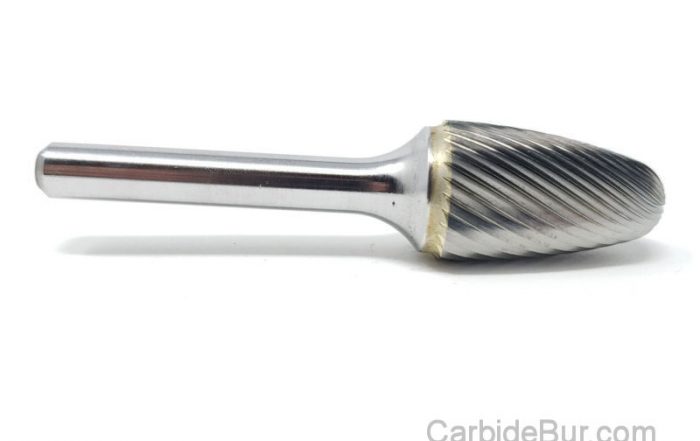
How to Grind a Groove in Metal With a Carbide Burr
How to Grind a Groove in Metal With a Carbide Burr Most metalworkers struggle to cut clean grooves without wasting time or ruining their workpiece. Many try different metalworking tools but end up with uneven [...]
Can Carbide Burrs Cut Through Welds?
Can Carbide Burrs Cut Through Welds? Cutting through welds can feel like a battle, especially when you need clean results without harming the base metal. Carbide burrs offer a sharp edge in this fight, but [...]
How to Use a Carbide Burr With a Die Grinder
How to Use a Carbide Burr With a Die Grinder Most people treat a carbide burr like just another tool, but using it with a die grinder takes skill. If you’ve struggled with burr installation [...]
