Can Carbide Burrs Cut Through Welds?
Cutting through welds can feel like a battle, especially when you need clean results without harming the base metal. Carbide burrs offer a sharp edge in this fight, but not all types handle welds the same way. In this post, you’ll find out which carbide burrs work best for weld cutting, plus practical metalworking techniques to get precise cuts safely and smoothly every time. Learn more about enhancing your metal fabrication skills with this guide.
Understanding Carbide Burrs
Carbide burrs are essential for many metalworking tasks. They offer precision and efficiency, making them ideal for those who work with metals. In this section, we’ll explore what carbide burrs are and how they can aid in cutting welds.
What Are Carbide Burrs?
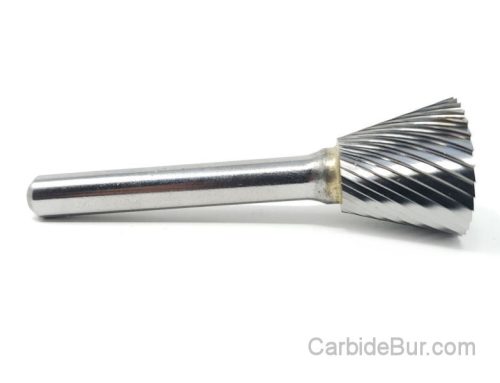
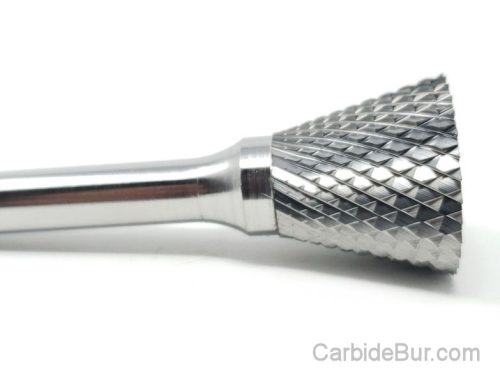
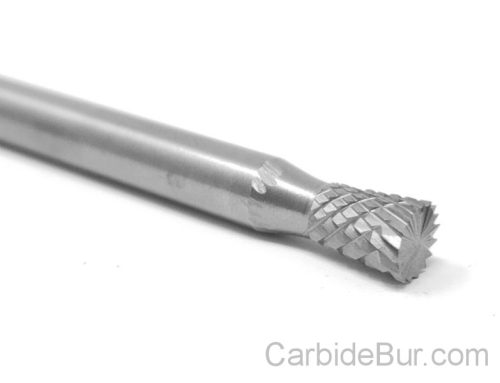
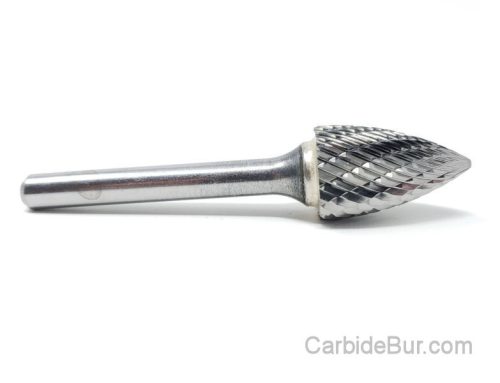
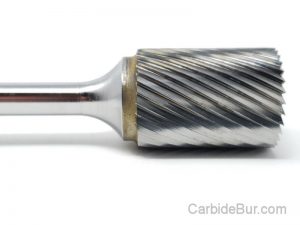
Carbide burrs are small cutting tools used for shaping, grinding, and removing material. They are made from tungsten carbide, a material that is both hard and durable. This makes them perfect for cutting through tough metals like steel. You can think of them as the workhorses of the metalworking world, providing the necessary power to tackle challenging tasks. They come in various shapes and sizes, each designed for specific applications. Whether you’re smoothing rough edges or cutting through welds, there’s a carbide burr for the job.
Types of Carbide Burrs for Welds
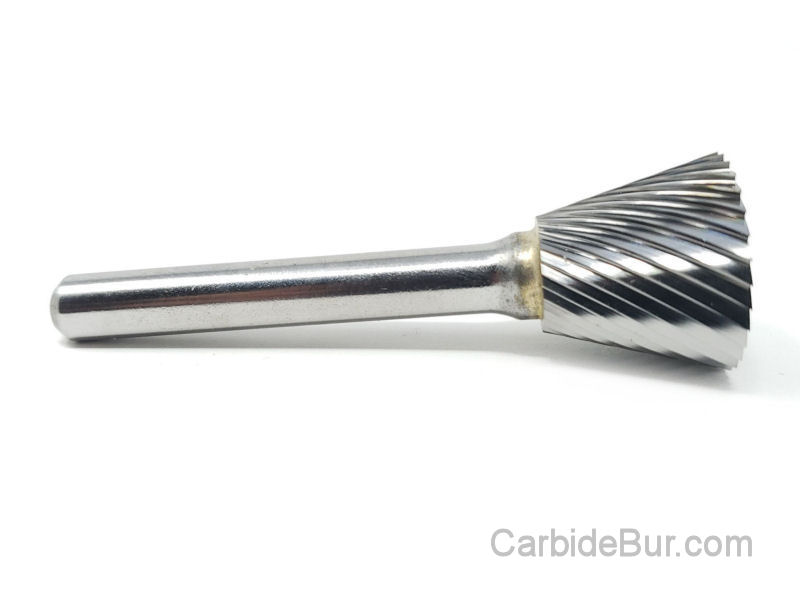
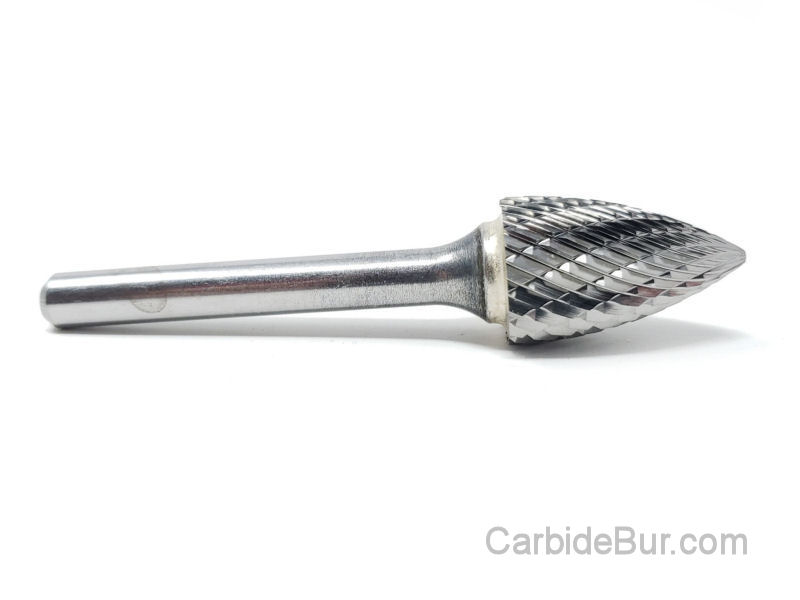
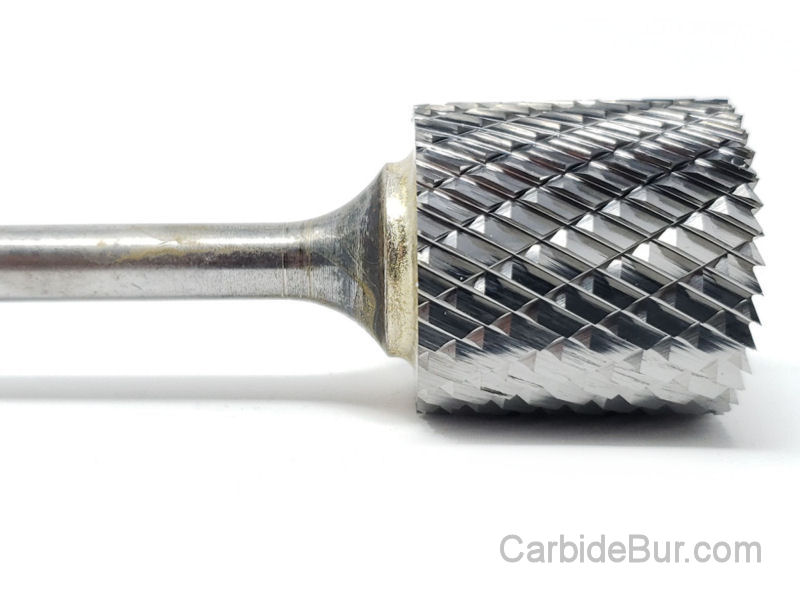
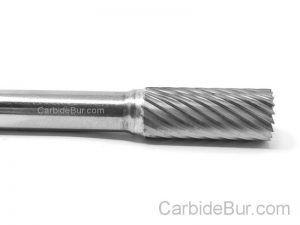
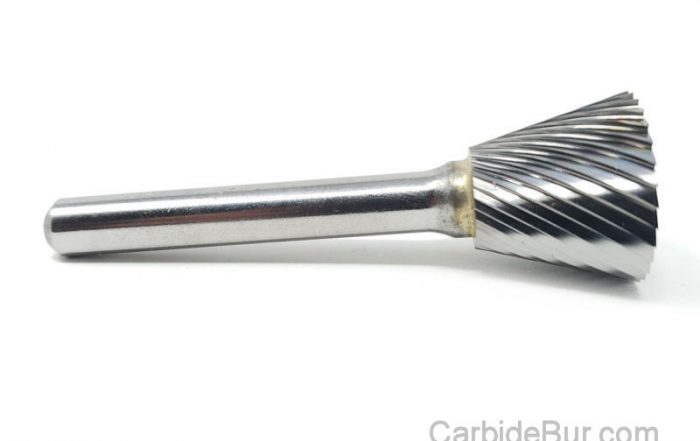
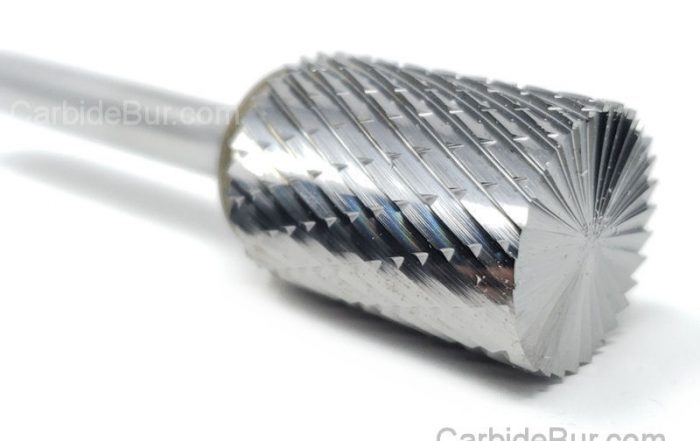
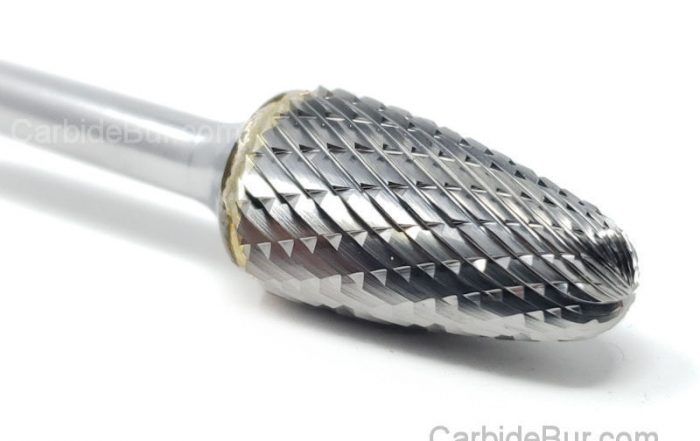
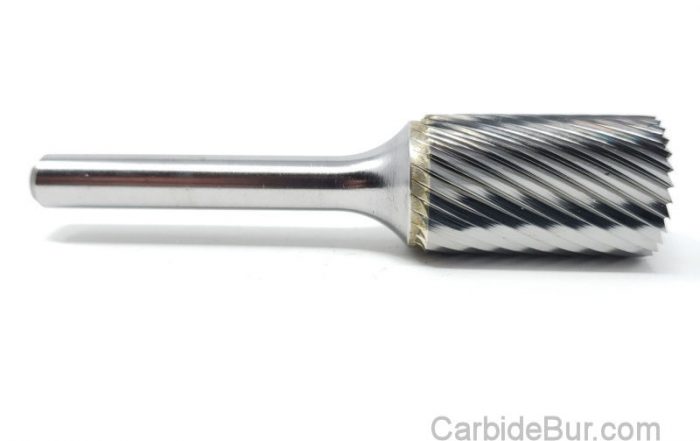
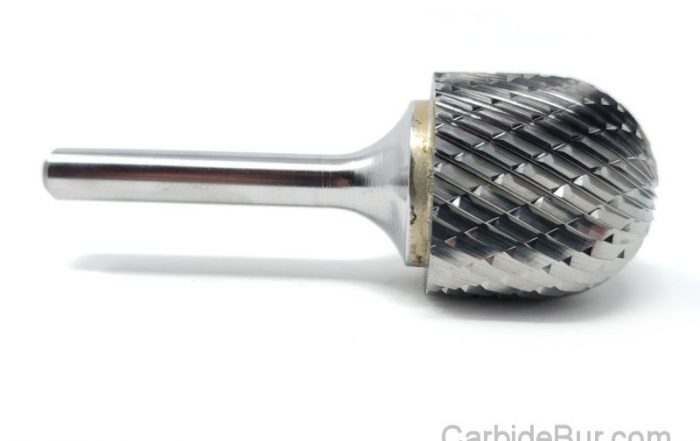
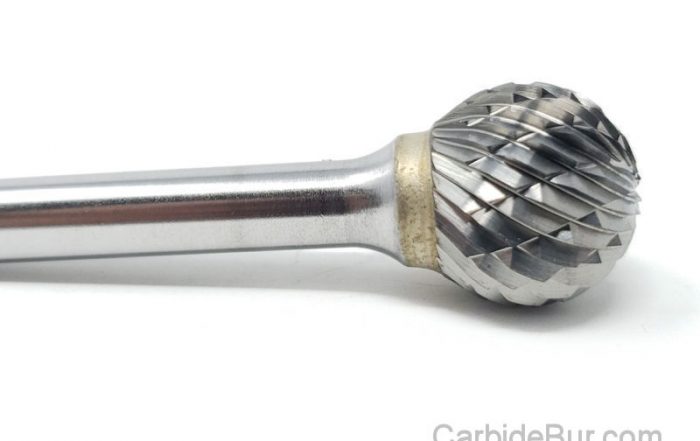
When it comes to cutting welds, not all carbide burrs are created equal. Some are better suited for this task than others. For instance, cylindrical burrs are great for flat surfaces and sharp corners, while ball-shaped burrs are ideal for rounded surfaces. Each type serves a unique purpose, ensuring that you have the right tool for your specific metalworking needs. Using the right type of carbide burr can make a significant difference in the quality of your work. Choosing the appropriate burr can save you time and effort, leading to cleaner cuts and a better finish. Explore the versatility of carbide burrs to ensure you select the right one.
Advantages of Using Carbide Burrs
Carbide burrs offer several benefits that make them indispensable in metalworking. Firstly, they are incredibly durable, which means they can withstand high-speed applications without wearing down quickly. This durability translates to cost savings over time, as you won’t need to replace them often. Secondly, carbide burrs provide precision, allowing you to make intricate cuts and shapes with ease. This precision is crucial when working on detailed projects or when accuracy is paramount. Lastly, they are versatile, capable of handling various tasks, from cutting to polishing. This versatility makes them a valuable addition to any metalworker’s toolkit.
Techniques for Cutting Through Welds
Now that you understand the benefits of carbide burrs, it’s time to delve into the techniques for cutting through welds. Proper preparation and execution are key to achieving clean and precise cuts without damaging the surrounding material.
Preparing for Weld Cutting
Preparation is crucial when it comes to cutting welds. Before you start, ensure that you have the right tools and protective gear. This includes safety goggles, gloves, and a dust mask to protect yourself from metal shavings. It’s also essential to secure the workpiece properly to prevent movement during the cutting process. A stable work surface is vital to achieving precise cuts. Start by marking the area where you’ll be cutting, as this will serve as a guide. Once everything is in place, you’re ready to begin cutting.
Methods for Effective Cutting
Effective cutting requires a steady hand and the right technique. Begin by positioning the carbide burr at the starting point of your cut. Apply gentle pressure and allow the burr to do the work. Avoid forcing the tool, as this can lead to uneven cuts and potential damage to the burr. Move the burr in a consistent, smooth motion, following the marked line. Patience is key here; rushing can result in mistakes. By taking your time, you ensure that each cut is precise and clean, leading to a professional finish.
Safety Tips for Using Carbide Burrs
Safety should always be a priority when working with tools, and carbide burrs are no exception. Always wear protective eyewear to shield your eyes from flying debris. Gloves are also essential, as they protect your hands from sharp edges and metal shavings. Additionally, ensure that your workspace is well-lit and free of clutter. A clean and organized workspace minimizes the risk of accidents. Remember, safety starts with preparation, so take the necessary precautions to protect yourself and others around you.
Choosing the Right Carbide Burr
Selecting the right carbide burr is crucial for achieving the best results in your metalworking projects. Here, we’ll discuss the factors to consider and the top burrs for weld cutting.
Factors to Consider
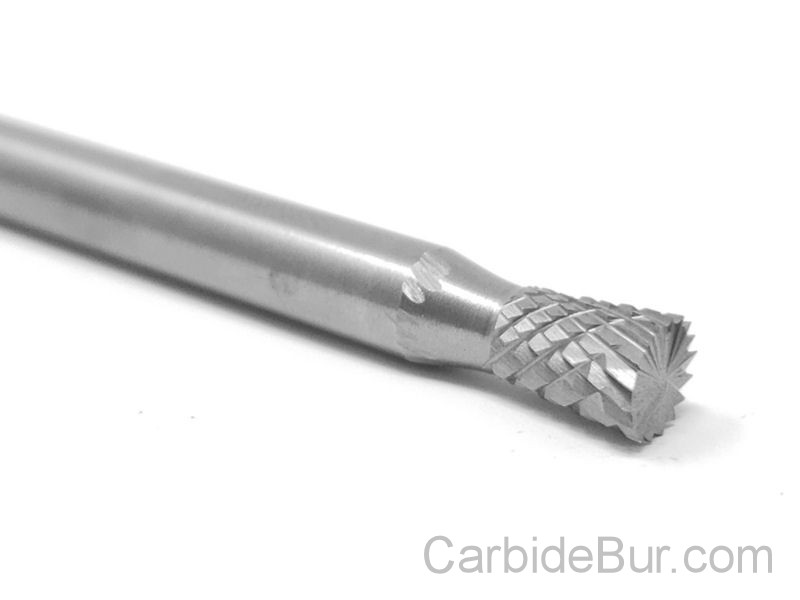
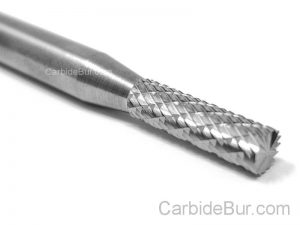
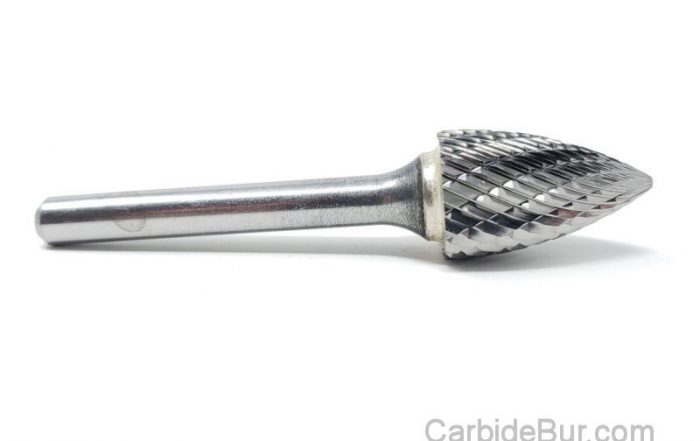
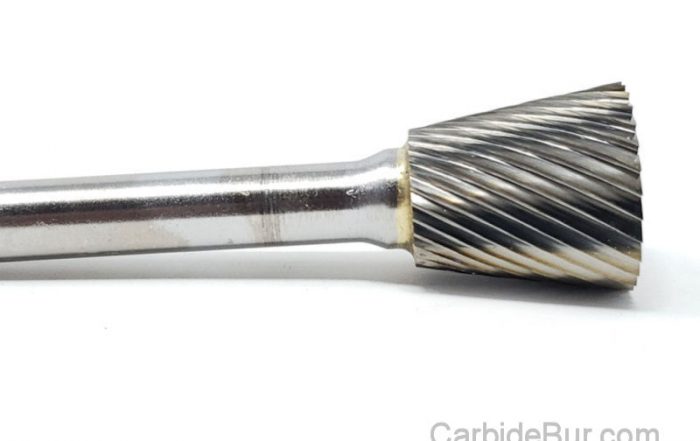
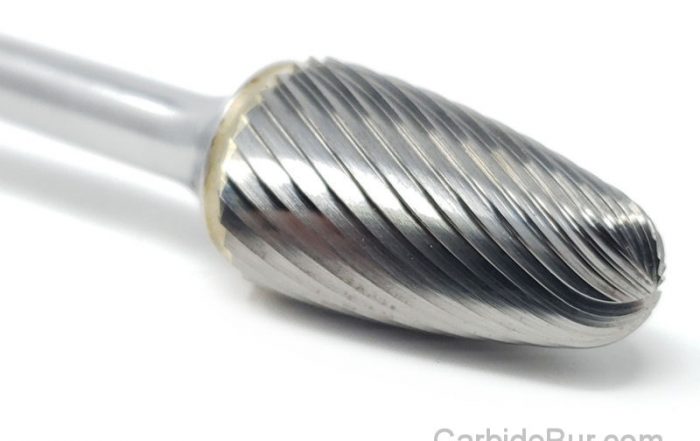
When choosing a carbide burr, consider the material you’ll be working on and the type of cut you need. Different burrs are designed for various materials, such as aluminum, steel, and stainless steel. Additionally, think about the shape of the burr, as this will determine its suitability for specific tasks. For instance, a cylindrical burr is ideal for flat surfaces, while a tapered burr is better for intricate details. By considering these factors, you can select a burr that meets your specific needs and ensures optimal performance.
Top Burrs for Weld Cutting
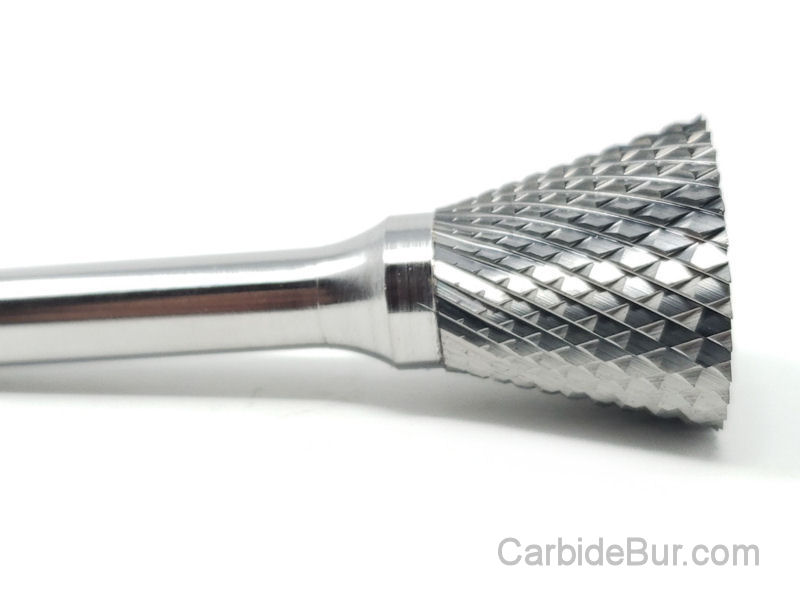
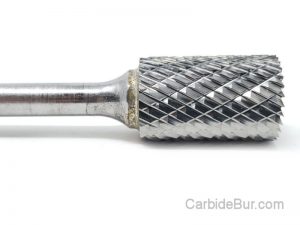
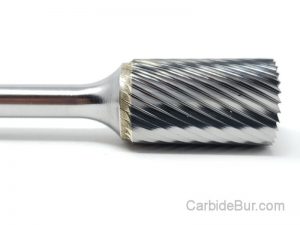
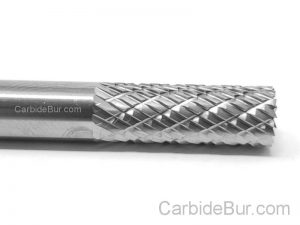
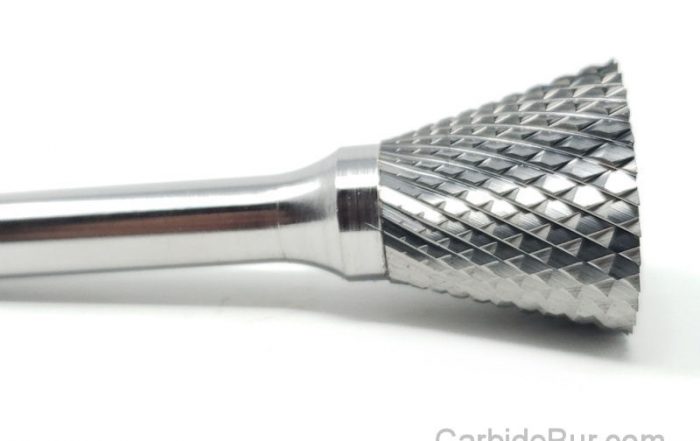
Some carbide burrs stand out when it comes to cutting welds. These include the double-cut and single-cut burrs. Double-cut burrs are known for their efficiency, as they remove material quickly and produce a smooth finish. Single-cut burrs, on the other hand, are perfect for detailed work, as they provide more control and precision. When choosing a burr, consider the nature of your project and the finish you desire. This will guide you in selecting the best burr for your needs.
Comparing Burr Materials
Carbide burrs are available in different materials, each with its advantages. Tungsten carbide is the most common, known for its hardness and durability. It’s suitable for cutting through tough metals and provides a long lifespan. Other materials, such as high-speed steel, offer flexibility but may not be as durable. Understanding the differences between these materials can help you make an informed decision when purchasing carbide burrs.
Achieving Precision in Metalworking
Precision is crucial in metalworking, and carbide burrs can help you achieve it. In this section, we’ll share tips for making precise cuts and maintaining the integrity of the parent material.
Tips for Precise Cuts
To achieve precise cuts, use a steady hand and consistent pressure. Avoid rushing the process, as this can lead to mistakes. Instead, take your time and focus on accuracy. Using a guide, such as a ruler or marked line, can help you stay on track. Additionally, ensure that your workpiece is stable and secure, as movement can affect the quality of your cuts. Practice makes perfect, so don’t be afraid to hone your skills and experiment with different techniques.
Maintaining Parent Material Integrity
Preserving the integrity of the parent material is essential when cutting through welds. To do this, avoid applying excessive force, as this can cause damage to the surrounding material. Instead, let the carbide burr do the work, using gentle pressure to guide it. Additionally, monitor the temperature of the workpiece, as excessive heat can weaken the material. Taking these precautions will help you maintain the structural integrity of your projects.
Enhancing Accuracy with Carbide Burrs
Carbide burrs are known for their precision, making them ideal for detailed work. To enhance accuracy, choose the right burr for the job and use a slow, consistent motion. This will allow you to make clean cuts and achieve a professional finish. Additionally, keep your burrs sharp and well-maintained, as dull burrs can lead to uneven cuts and mistakes. With practice and the right tools, you’ll be able to achieve exceptional accuracy in your metalworking projects.
Metal Fabrication Tips and Best Practices
Metal fabrication requires skill and practice. Here, we’ll share some tips and best practices to help you optimize your processes and achieve the best results.
Optimizing Metalworking Processes
Efficiency is key in metalworking, and there are several ways to optimize your processes. One method is to use the right tools for the job, as this can significantly reduce the time and effort required. Additionally, organizing your workspace and having a clear plan before starting a project can help you work more efficiently. By streamlining your processes, you can save time and achieve better results in your metalworking projects.
Tools and Accessories for Fabricators
Having the right tools and accessories is crucial for any fabricator. In addition to carbide burrs, consider investing in high-quality clamps, vises, and cutting tools. These tools can enhance your capabilities and make your work easier. Additionally, consider using accessories such as dust collection systems to keep your workspace clean and safe. Having a well-equipped toolbox can make a significant difference in the quality and efficiency of your work.
Common Mistakes to Avoid
Avoiding common mistakes can save you time and frustration. One mistake is using the wrong burr for the job, which can lead to poor results and damage to your workpiece. Another is rushing the process, which can result in mistakes and uneven cuts. Additionally, neglecting safety precautions can lead to accidents and injuries. By being aware of these common pitfalls, you can avoid them and achieve better results in your metalworking projects.
Frequently Asked Questions
What are carbide burrs used for?
Carbide burrs are used for shaping, grinding, and removing material in metalworking. They are ideal for cutting through tough metals like steel and provide precision and durability.
How do I choose the right carbide burr for weld cutting?
When choosing a carbide burr for weld cutting, consider the material you’ll be working on and the type of cut you need. Different burr shapes are suited for different tasks, so select one that meets your specific needs.
Are carbide burrs better than other cutting tools?
Carbide burrs offer several advantages, including durability, precision, and versatility. They are well-suited for detailed work and can handle various metalworking tasks, making them a valuable addition to any toolkit.
How can I ensure safety when using carbide burrs?
To ensure safety, always wear protective gear, such as goggles and gloves, and work in a well-lit, organized space. Additionally, secure your workpiece to prevent movement and avoid applying excessive force when cutting.
What are common mistakes to avoid when using carbide burrs?
Common mistakes include using the wrong burr for the job, rushing the process, and neglecting safety precautions. By being aware of these pitfalls, you can avoid them and achieve better results in your projects.
Looking for Carbide Bur Tools?
Check out our entire selection of USA made carbide bur die grinder tool bits
Follow us on Twitter

Return to CarbideBur.com
Carbide Burs – 1/4″ on 1/8″ Shanks – Accessories – Aluminum Cut – Bur Sets – End Mills – Long Shank – Solid Burs
Can You Use Carbide Burrs in a Dremel? Shank Sizes Explained
Can You Use Carbide Burrs in a Dremel? Shank Sizes Explained If you use a Dremel or another rotary tool for detail work, metal shaping, or small fabrication projects, you may wonder whether you can [...]
How to Choose the Best Carbide Burr for Welding and Metal Fabrication
How to Choose the Best Carbide Burr for Welding and Metal Fabrication Welding and metal fabrication often require more than joining two pieces of metal together. Once the welding is finished, fabricators frequently need to [...]
Carbide Burrs for Cylinder Heads: What Automotive Enthusiasts Need to Know
Carbide Burrs for Cylinder Heads: What Automotive Enthusiasts Need to Know Cylinder head work is an important part of engine building, restoration, and performance machining. Whether you are cleaning up casting imperfections, refining port surfaces, [...]
Engine Porting 101: How Carbide Burrs Help Shape Cylinder Head Ports
Engine Porting 101: How Carbide Burrs Help Shape Cylinder Head Ports Engine performance enthusiasts, automotive machinists, and engine builders often look for ways to improve airflow through an engine's cylinder heads. One technique used in [...]
When to Use a 4-Inch or 9-Inch Die Grinder Extension
When to Use a 4-Inch or 9-Inch Die Grinder Extension Metal fabrication, welding, automotive repair, and engine building often require working in places where a standard die grinder and carbide burr cannot easily reach. Recessed [...]
Why Buy USA-Made Carbide Burr Tools? What Buyers Should Compare
Why Buy USA-Made Carbide Burr Tools? What Buyers Should Compare When shopping for carbide burr tools, it's tempting to compare products based on price alone. However, professionals who use rotary cutting tools for welding, metal [...]
How to Use 1/8-Inch Rotary Bits with a Die Grinder
How to Use 1/8-Inch Rotary Bits with a Die Grinder Die grinders are popular tools for metalworking, fabrication, deburring, and precision material removal. However, many die grinders use a 1/4-inch collet, while smaller rotary tools [...]

Can You Use a Carbide Burr With an Electric Die Grinder?
Can You Use a Carbide Burr With an Electric Die Grinder? Most people don’t realize how much a carbide burr can change the way an electric die grinder works. Using the right burr type can [...]
How to Deburr Holes With a Carbide Burr
How to Deburr Holes With a Carbide Burr Most people think any tool will do for deburring holes. The truth is, using the right carbide burr with the correct size and shape changes everything. In [...]
How to Choose the Correct Carbide Burr Shank Size
How to Choose the Correct Carbide Burr Shank Size Many machinists lose hours troubleshooting tool issues caused by the wrong carbide burr shank size. Using a shank that doesn’t fit your grinder can lead to [...]
How to Remove Casting Flash With a Carbide Burr
How to Remove Casting Flash With a Carbide Burr Casting flash ruins the look and fit of your metal parts. You’ve tried sanding or grinding, but the results aren’t clean or fast enough. Learning how [...]
Best Carbide Burr for Enlarging a Hole in Metal
Best Carbide Burr for Enlarging a Hole in Metal When you need to enlarge a hole in metal, grabbing the wrong carbide burr can turn a simple task into a frustrating mess. Picking the best [...]