
How to Use a Carbide Burr With a Die Grinder
Most people treat a carbide burr like just another tool, but using it with a die grinder takes skill. If you’ve struggled with burr installation or getting clean cuts, you’re not alone. This guide breaks down how to use a carbide burr with a die grinder, covering speed settings, tool maneuvering, and safety tips that actually make a difference. Get ready to improve your results on every project. For more insights, check this link.

Understanding Carbide Burrs
Carbide burrs are essential for precise machining and material removal. Let’s dig into the different types and their uses to get the best results.
Types of Carbide Burrs
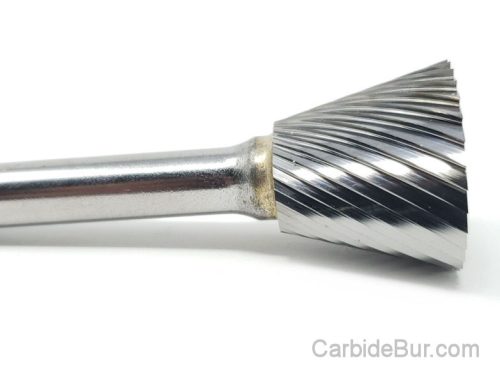
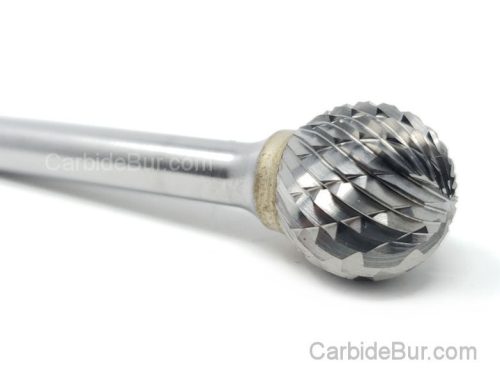
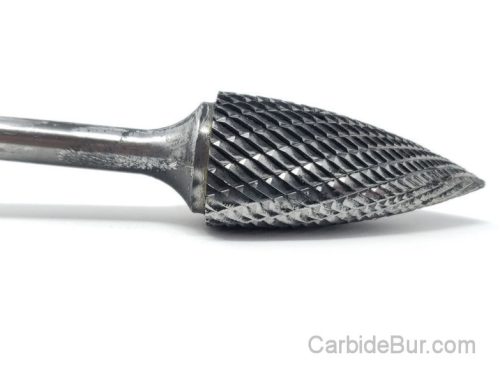
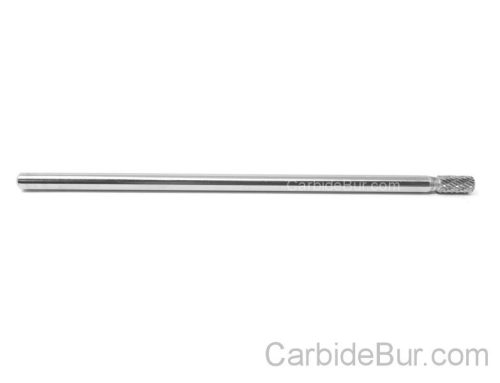
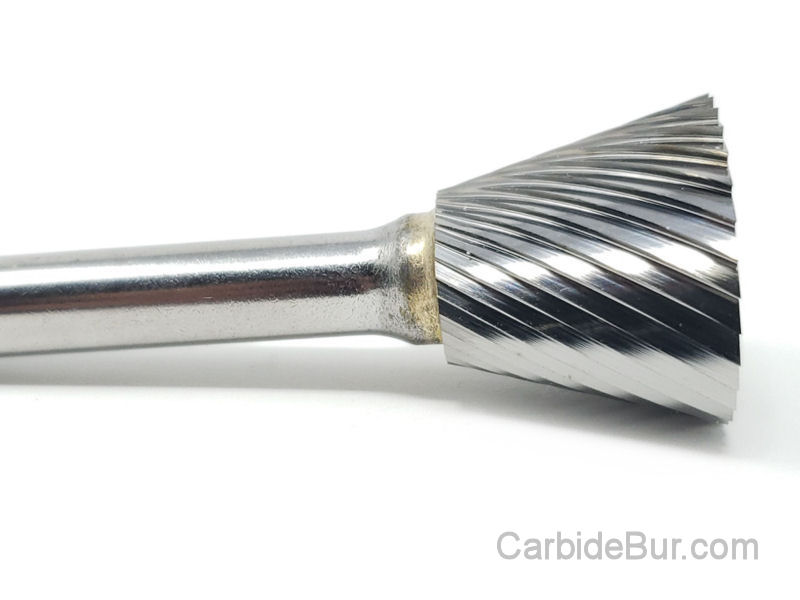
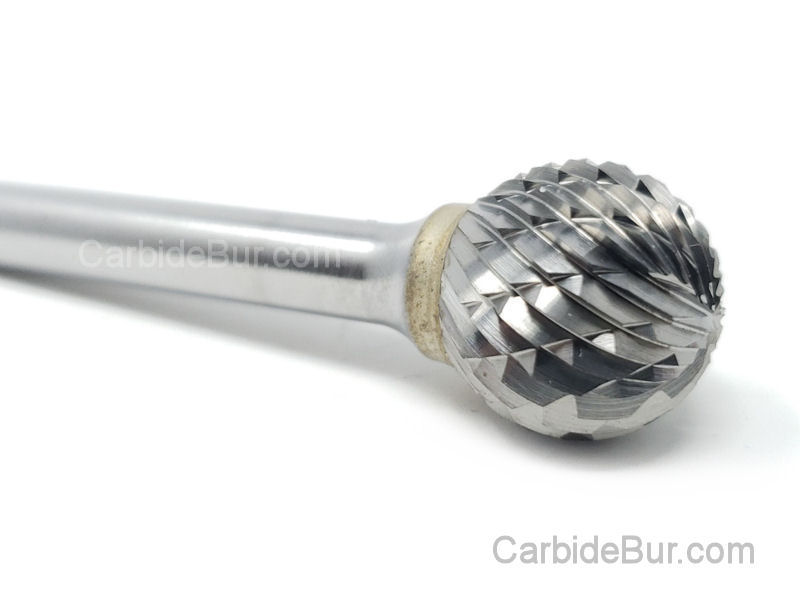
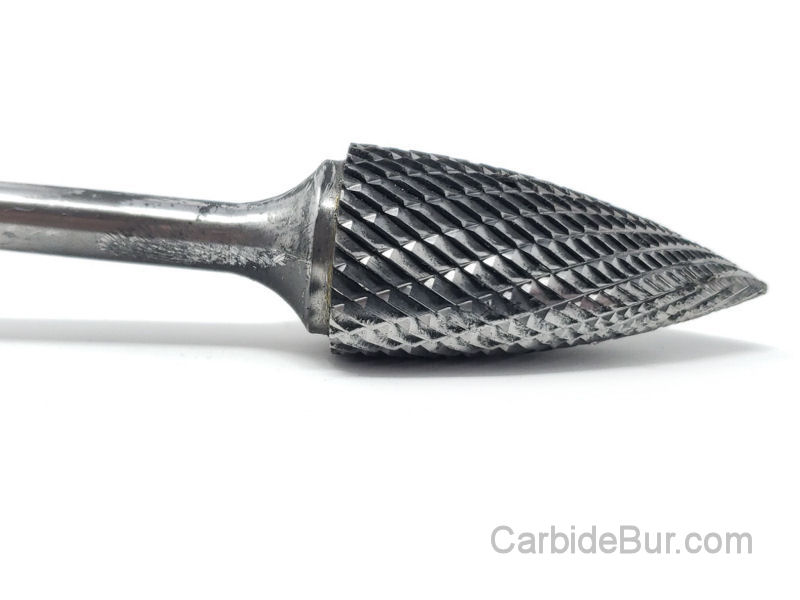
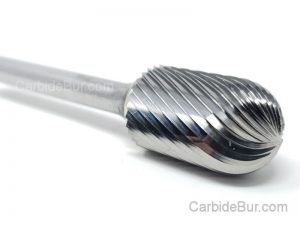
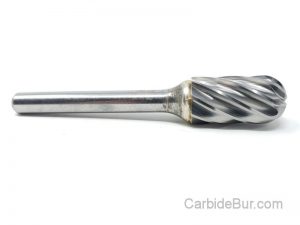
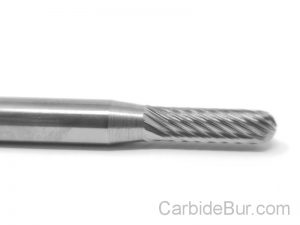
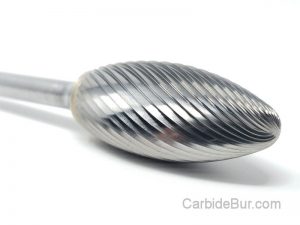
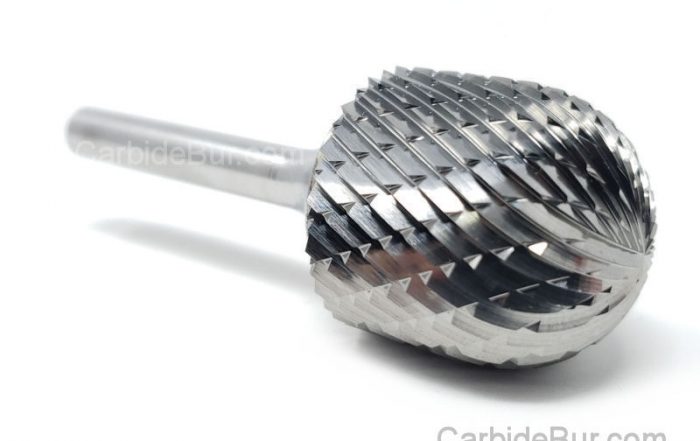
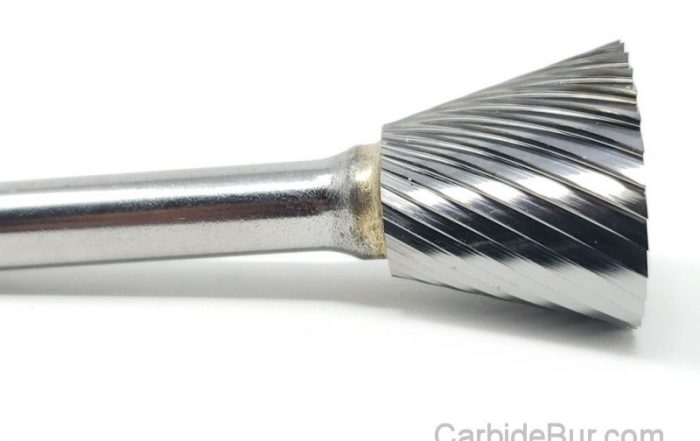
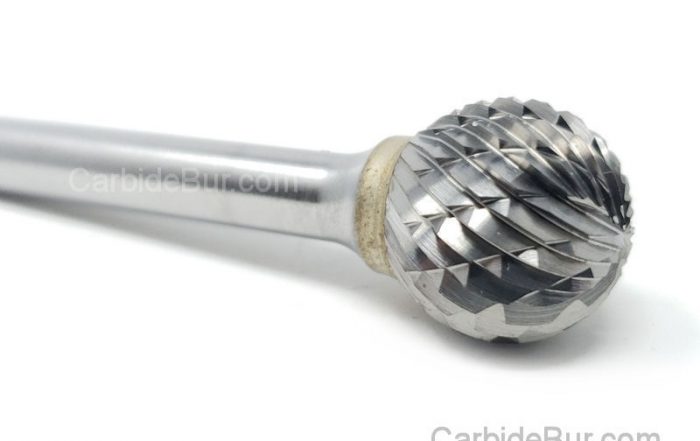
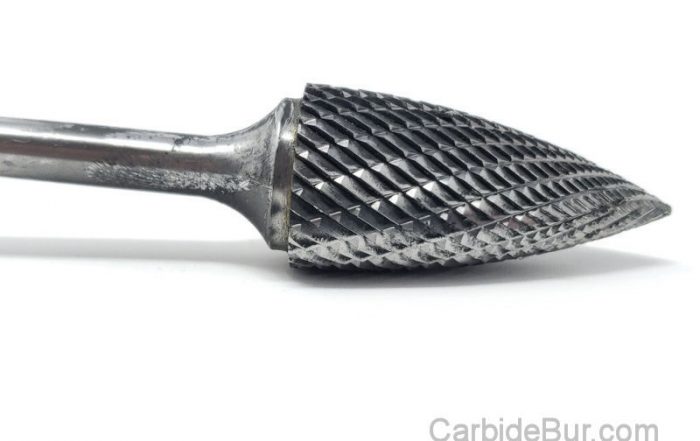
Choosing the right carbide burr is key to successful machining. Burrs come in various shapes like ball, oval, and cylinder. Each shape is suited for specific tasks. For instance, a ball-shaped burr works well for contouring, while a cylinder is great for flat surfaces. Materials also play a role: tungsten carbide burrs are popular due to their durability and performance. Learn more about crafting carbide burrs in this detailed article.
Applications of Carbide Burrs
Carbide burrs are versatile, used in industries from automotive to metalworking. They efficiently remove material, shape surfaces, and deburr edges. For instance, in wood carving, they create intricate designs, while in metal, they cut and finish with precision. Their ability to handle a variety of tasks makes them indispensable in workshops. For specific uses like stainless steel, refer to this complete guide.

Preparing the Die Grinder
Before you start, it’s crucial to set up your die grinder correctly. This ensures safe and effective operation.
Essential Tools and Materials
To get started, gather your die grinder, selected carbide burr, safety goggles, gloves, and a dust mask. These items are non-negotiable for a safe workspace. The die grinder should be compatible with your burr size to avoid any issues during operation. Having the right setup prevents accidents and ensures smooth execution.
Proper Burr Installation
Installing your burr correctly is vital for performance and safety. First, secure the grinder. Insert the burr into the collet while ensuring it’s tightly fastened. A loose burr can lead to poor results or potential hazards. Double-check the fit before starting, as a secure installation is the foundation of effective machining.
Operating the Die Grinder
With everything set, operating your die grinder requires attention to detail. Let’s explore the optimal settings and techniques.
Speed Settings for Optimal Use
The correct speed setting makes all the difference. Always refer to the burr manufacturer’s recommendations. Generally, higher speeds work for softer materials while lower speeds suit harder ones. Adjusting the speed based on the material helps in achieving the desired finish without damaging the tool or workpiece.
Tool Maneuvering Techniques
Maneuvering the tool skillfully ensures clean cuts and precise shaping. It’s important to keep a steady hand and maintain a consistent speed. Avoid pushing too hard; let the burr do the work. Practice these techniques to improve your control and the quality of your outcomes.
Ensuring Safety and Efficiency
Without safety, even the most skilled operation can be risky. Here’s how to protect yourself and enhance productivity.
Key Safety Precautions
Wearing proper safety gear is non-negotiable: goggles, gloves, and masks are essential. Keep your workspace clean to avoid tripping hazards. Always disconnect the grinder when changing burrs. These precautions protect you from debris and potential accidents, keeping your work environment secure.
Tips for Machining Efficiency
Efficiency in machining isn’t just about speed; it’s about precision and planning. Keep your tools sharp and your workstation organized. Regularly check the condition of the burrs and replace them as needed. These small habits contribute to smoother operations and better results.
Selecting the Right Burr
Choosing the correct burr for your project is crucial. Here’s how to make the right decision.
Factors to Consider
When selecting a burr, consider the material, shape, and size of the burr. Each factor affects the outcome of your project. For example, a larger burr covers more area but requires more control. Always match the burr to the task for optimal results. For bolt cutting, this guide is helpful.
Matching Burrs to Projects
Each project demands a specific type of burr. For intricate designs, a finer burr with a smaller diameter is ideal. Conversely, for heavy material removal, a coarser burr works best. Tailoring your burr choice to your project ensures efficiency and precision.
Frequently Asked Questions
What is the best speed for using a carbide burr?
The best speed depends on the material. Use higher speeds for softer materials and lower speeds for harder ones. Always check the manufacturer’s recommendations for optimal results.
How do I install a carbide burr in a die grinder?
Secure the grinder, insert the burr into the collet, and ensure it’s tightly fastened. A proper installation prevents accidents and ensures effective operation.
What safety gear is necessary when using a die grinder?
Always wear safety goggles, gloves, and a dust mask. These protect you from debris and potential hazards. Keep the workspace clean and organized to avoid accidents.
How can I choose the right carbide burr for my project?
Consider the material, shape, and size needed for your task. Match these factors to your project’s requirements for the best results.
Are carbide burrs suitable for stainless steel?
Yes, carbide burrs are excellent for stainless steel. They offer precision and durability. For detailed guidance, refer to the complete guide on stainless steel.
Looking for Carbide Bur Tools?
Check out our entire selection of USA made carbide bur die grinder tool bits
Follow us on Twitter

Return to CarbideBur.com
Carbide Burs – 1/4″ on 1/8″ Shanks – Accessories – Aluminum Cut – Bur Sets – End Mills – Long Shank – Solid Burs
How to Use a Carbide Burr With a Die Grinder
How to Use a Carbide Burr With a Die Grinder Most people treat a carbide burr like just another tool, but using it with a die grinder takes skill. If you’ve struggled with burr installation [...]
1/8 vs 1/4 Inch Carbide Burrs: What’s the Difference?
1/8 vs 1/4 Inch Carbide Burrs: What's the Difference? Choosing between a 1/8 inch carbide burr and a 1/4 inch carbide burr can change how your project turns out. Many machinists and hobbyists overlook how [...]
Best Carbide Burr for Removing Flash From Castings
Best Carbide Burr for Removing Flash From Castings Removing flash from castings is a task that can slow down your entire metalworking process if you don’t have the right tools. Picking the best carbide burr [...]
What RPM Should You Use for a 1/4 Inch Carbide Burr?
What RPM Should You Use for a 1/4 Inch Carbide Burr? Most machinists guess the right speed for a 1/4 inch carbide burr and hope for the best. Using the wrong carbide burr RPM can [...]
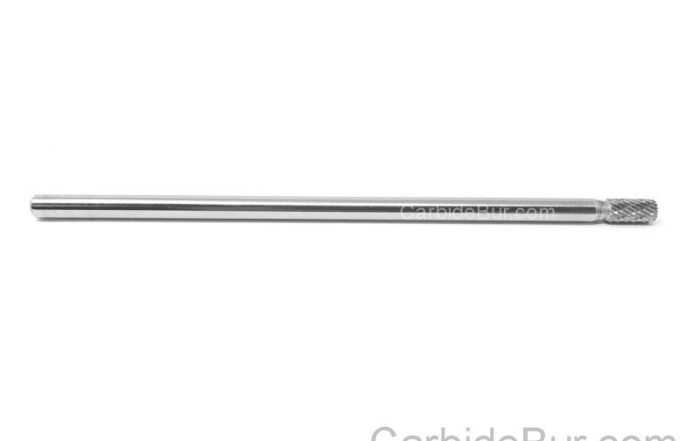
Long Shank Carbide Burrs: When Do You Need One?
Long Shank Carbide Burrs: When Do You Need One? Most machinists overlook the power of long shank carbide burrs until a project demands precision in tight spaces. When your usual tools can’t reach intricate contours, [...]
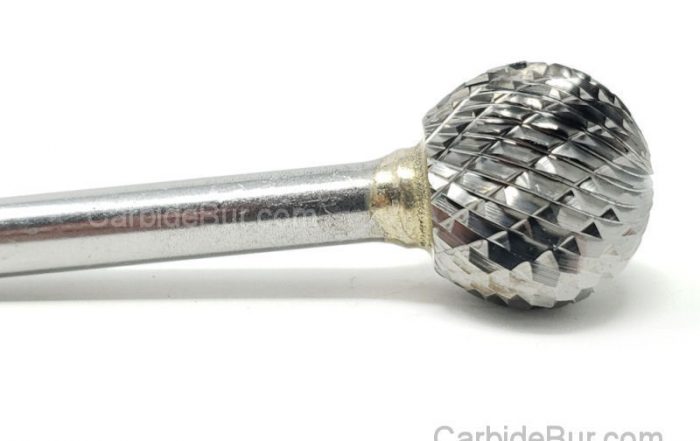
How Deep Can a Carbide Burr Cut Metal?
How Deep Can a Carbide Burr Cut Metal? Carbide burrs often get praised for their precision, but many users hit a wall wondering how deep they can actually cut metal. The truth is, cutting depth [...]
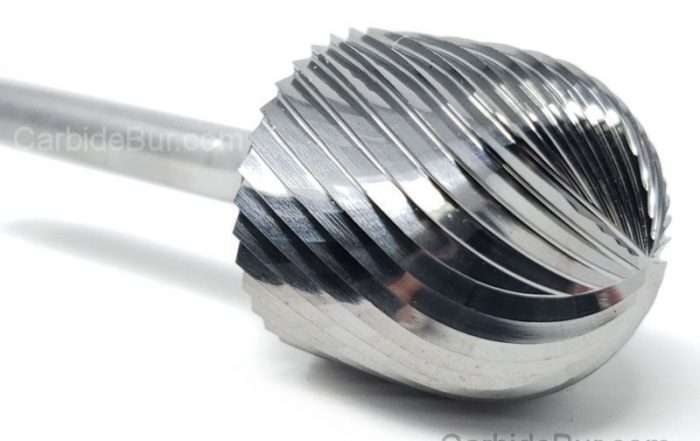
How to Use Carbide Burrs for Port Matching
How to Use Carbide Burrs for Port Matching Most engine builds hit a wall when airflow doesn’t flow smoothly between the ports and manifolds. If your engine isn’t breathing right, your performance stalls. Using the [...]
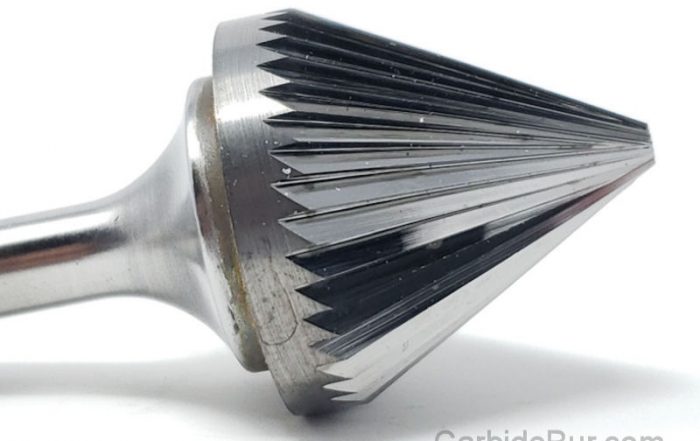
Best Carbide Burr for Porting Intake Manifolds
Best Carbide Burr for Porting Intake Manifolds Porting intake manifolds can make or break your engine’s airflow, yet many struggle with the right tools for the job. Choosing the best carbide burrs is key to [...]
Best Carbide Burr for Concave Surfaces
Best Carbide Burr for Concave Surfaces Concave surfaces can turn a straightforward project into a frustrating challenge if you don’t have the right tool. Carbide burrs designed for these tricky curves make all the difference [...]
How to Grind a Slot in Metal With a Carbide Burr
How to Grind a Slot in Metal With a Carbide Burr Grinding a precise slot in metal can feel like a tricky task, especially if you’re unsure which tools to trust. Carbide burr grinding offers [...]

Best Carbide Burr for Inside Corners
Best Carbide Burr for Inside Corners Working in tight inside corners can turn even simple projects into frustrating tasks. Many carbide burrs just don’t fit or cut cleanly where you need them most. The best [...]
What Size Carbide Burr Do I Need?
What Size Carbide Burr Do I Need? Picking the wrong carbide burr can turn a simple project into a frustrating mess. You might have the best machining tools but still miss the mark if your [...]