How to Grind a Groove in Metal With a Carbide Burr
Most metalworkers struggle to cut clean grooves without wasting time or ruining their workpiece. Many try different metalworking tools but end up with uneven results or unsafe setups. This guide breaks down how to use a carbide burr for grinding grooves with precision, showing you which burr shape fits your project and how to keep control throughout the process. You’ll also get safety tips to protect yourself and your metal as you work. For more insights on metalworking techniques, check out this guide on perfecting material removal in tight spaces.
Choosing the Right Carbide Burr
Selecting the correct carbide burr is crucial for efficient metalworking. This section walks you through the basics, ensuring your choice matches your project needs.
Understanding Carbide Burr Shapes
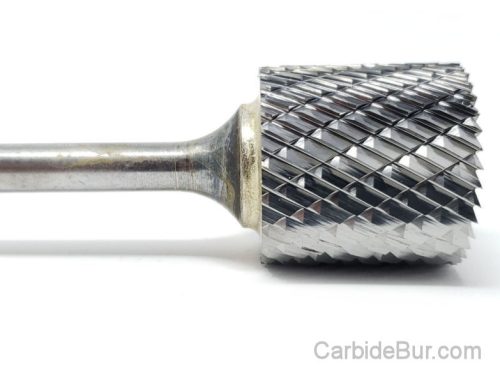
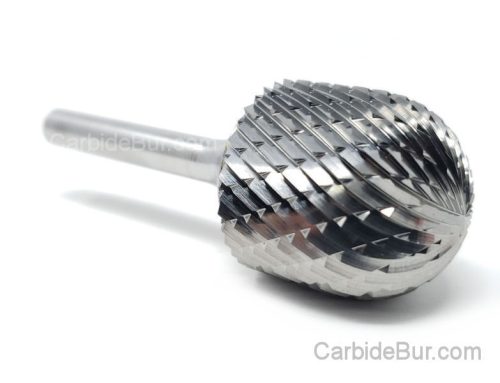
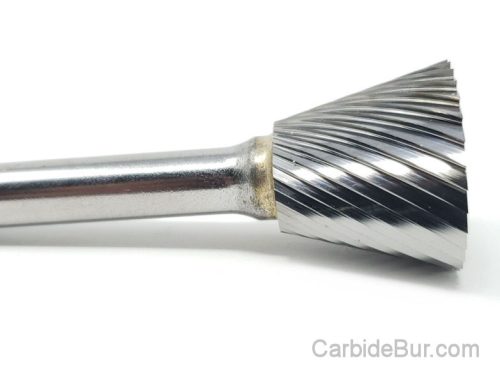
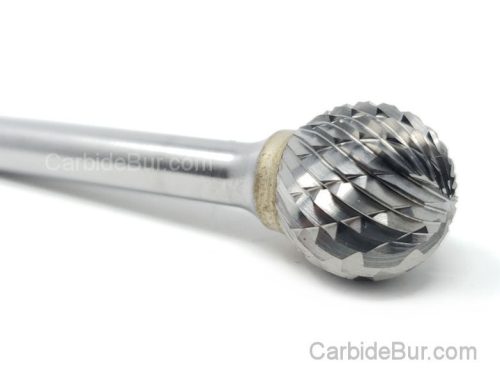
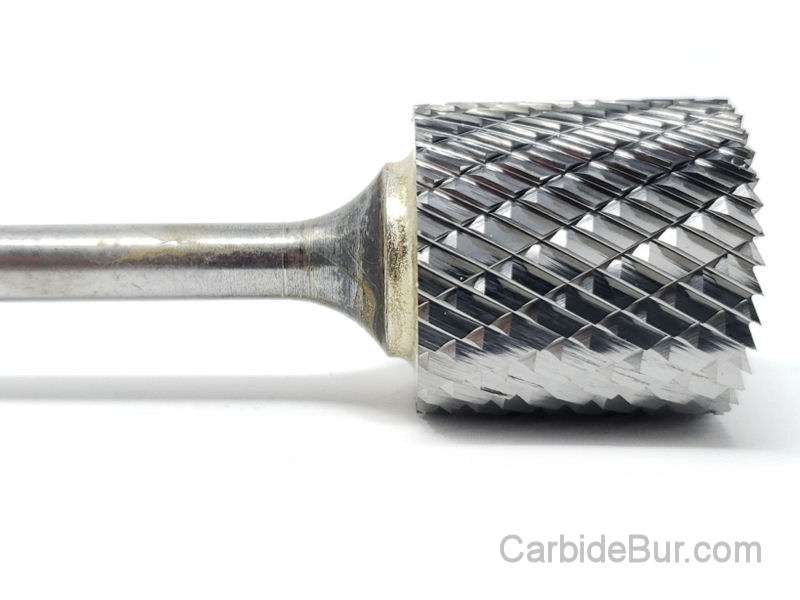
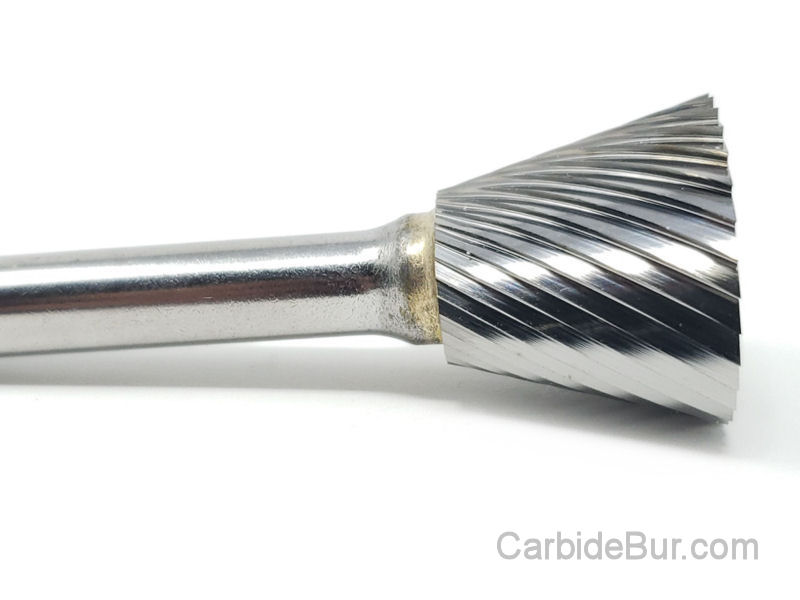
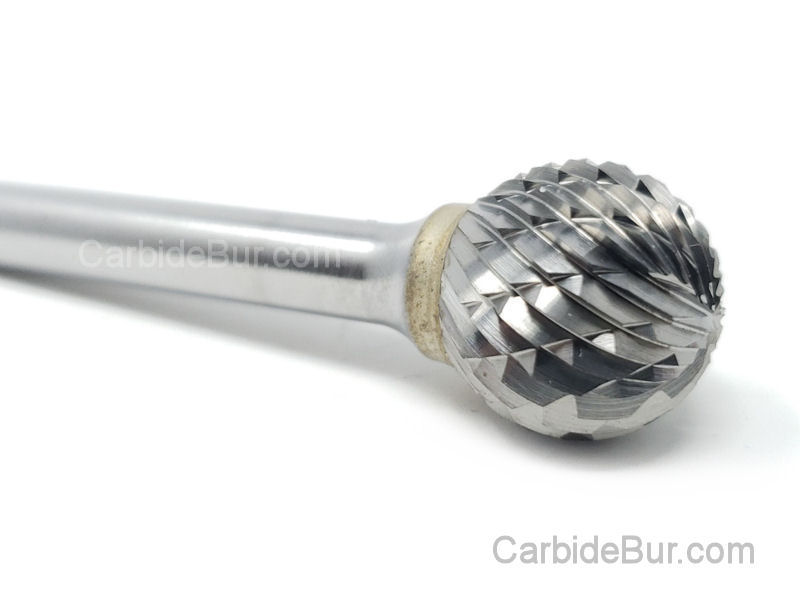
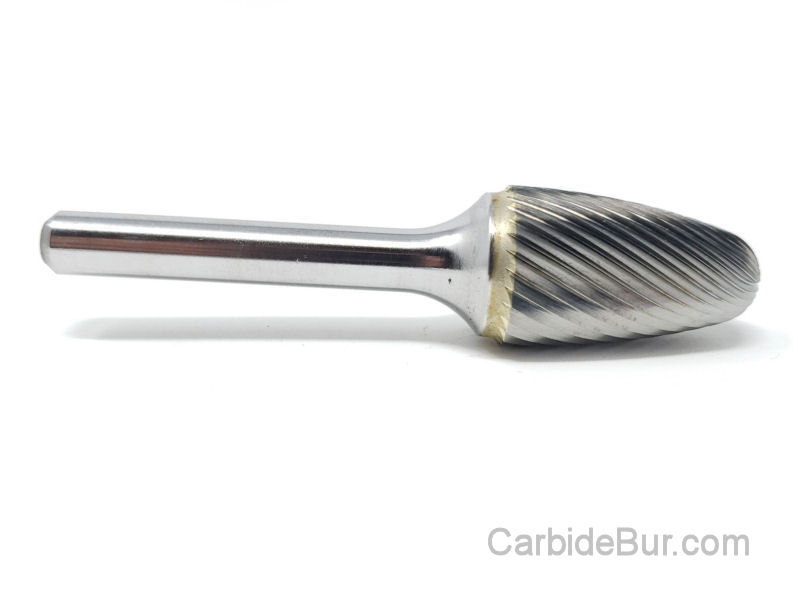
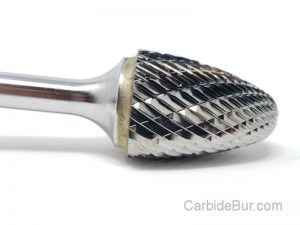
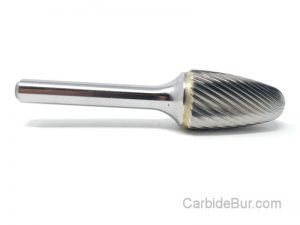
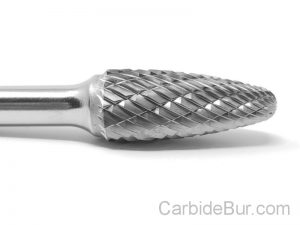
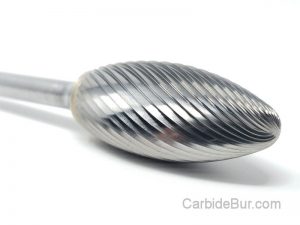
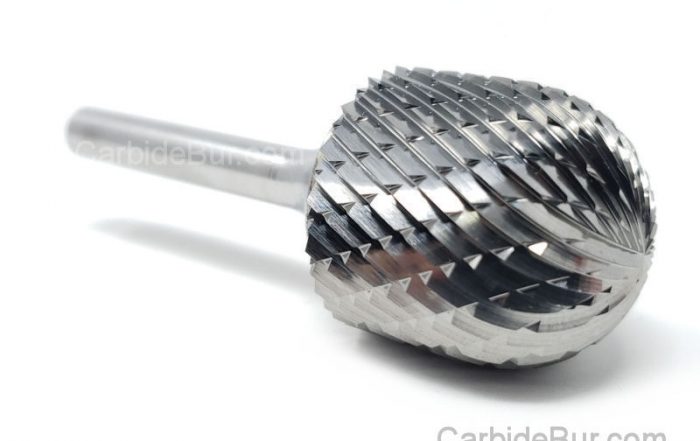
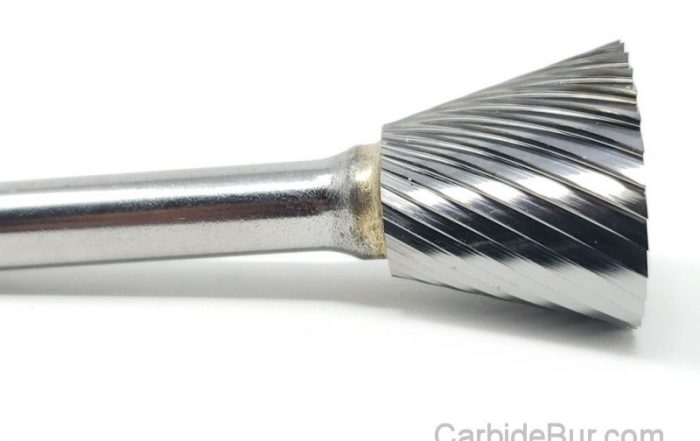
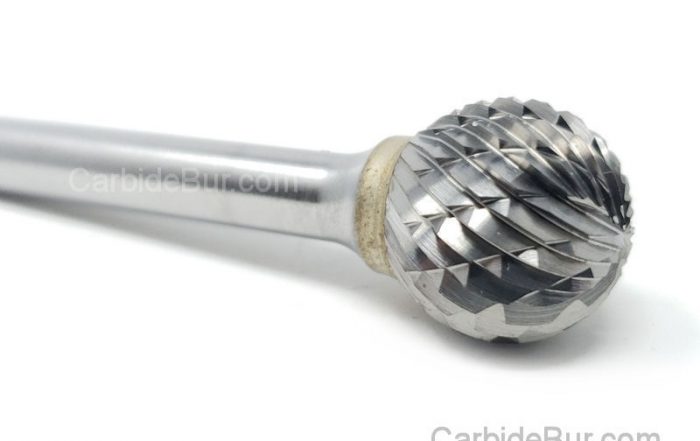
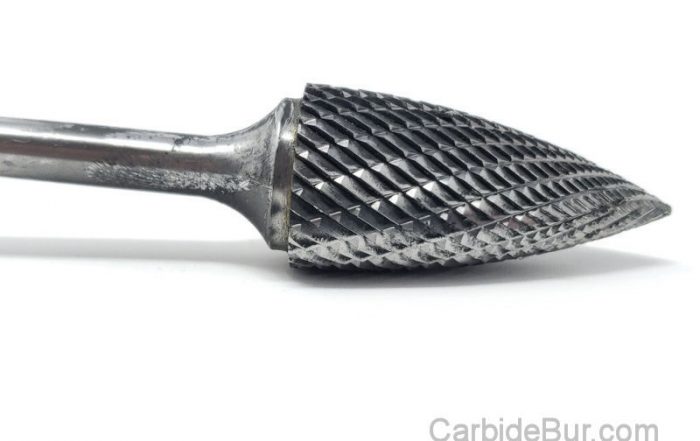
Each burr shape serves a specific purpose. Cylindrical burrs are perfect for straight-edged grooves, while ball-shaped burrs excel in creating rounded profiles. When choosing a shape, consider the groove style you aim to achieve. For example, a cylinder shape aids in straight lines, while a flame shape allows for smoother, curved edges. Remember, the right shape not only enhances precision but also reduces the risk of error and waste. To explore more shapes, visit this comprehensive guide.
Selecting the Correct Burr Size
Size matters in metalworking. Larger burrs remove more material quickly, which is beneficial for broader grooves. In contrast, smaller burrs offer more control for intricate details. Assess your metal piece’s thickness and the desired depth of the groove. A larger burr might seem faster, but it could compromise the detail if not used carefully. Start with a smaller size if precision is your primary goal, then gradually increase if necessary. This approach minimizes errors and ensures better results.
Groove Grinding Techniques
Now that you’ve chosen the right burr, it’s time to dive into the grinding techniques that will help you achieve the perfect groove.
Setting Up for Precision
Precision begins with setup. Secure your workpiece firmly to avoid slips. Align your burr with the intended groove path. A steady hand ensures consistency. Using a vice can stabilize your material, allowing for more accurate grinding. Adjust your grip on the tool to balance control with flexibility. Start slowly to establish a groove line and increase speed gradually. This method reduces the chance of unwanted cuts and ensures a smoother finish. Check out this detailed article for more tips on setup.
Step-by-Step Grinding Process
-
Mark Your Groove Path: Use a marker to outline the groove to maintain consistency.
-
Begin With Light Pressure: Start grinding with minimal force to establish the initial groove.
-
Adjust Speed and Pressure: As you gain confidence, increase the speed and apply more pressure.
-
Evaluate Frequently: Stop periodically to check your progress and make necessary adjustments.
Following these steps ensures a clean, precise groove. Keep your carbide burr moving smoothly to avoid overheating or damaging your workpiece.
Safety Tips for Metal Grinding
Grinding metal can be dangerous without proper precautions. Here’s how to keep safe while working.
Essential Protective Gear
Safety gear is your first line of defense. Always wear safety goggles to protect your eyes from flying debris. A mask or respirator prevents inhalation of metal particles. Gloves offer grip and protect your hands from sharp edges. These items are non-negotiable for safe grinding. Additional gear like ear protection can also be beneficial, especially in loud environments.
Maintaining a Safe Work Environment
A clutter-free workspace minimizes accidents. Ensure your area is well-lit and organized. Keep flammable materials away from the grinding site. Regularly inspect your tools for wear and tear. A damaged burr can lead to unpredictable results and potential hazards. Implementing these practices not only protects you but also improves your workflow efficiency. For more safety insights, consider exploring this versatile guide.
Enhancing Craftsmanship with Burrs
With safety covered, let’s focus on how carbide burrs enhance your craftsmanship.
Achieving Functional Groove Profiles
Functional grooves serve specific purposes. Whether it’s a joint or a channel, the groove must meet precise requirements. Using the right burr, you can achieve seamless fits and strong connections. Consistency in depth and width ensures the groove performs its intended function. Pay attention to detail and adjust your technique as needed. This approach not only meets practical needs but also boosts the overall quality of your work.
Aesthetic Considerations in Metalwork
Beyond functionality, aesthetics play a key role. Smooth, polished grooves enhance the visual appeal of your projects. Consider the finished look as you work, adjusting burr speed and pressure to achieve a flawless surface. A well-crafted groove can transform a simple piece into an eye-catching work of art. Aim for smooth transitions and clean edges for the best results.
Troubleshooting Common Issues
Mistakes happen, but knowing how to address them keeps your project on track.
Avoiding Overheating and Damage
Overheating can ruin your workpiece. To prevent this, keep the burr moving steadily. Pause periodically to allow the metal to cool. If you notice discoloration, reduce speed immediately. Proper lubrication can also help manage heat. Remember, patience is key: rushing increases the risk of heat-related damage.
Ensuring Consistent Groove Depth
Inconsistent depths can compromise your groove’s functionality. Use a depth gauge to monitor progress. Maintain steady pressure and movement for uniformity. If variations occur, retrace your steps to even out the groove. Consistency ensures the final product meets both aesthetic and functional standards, strengthening your skills as a metalworker.
Frequently Asked Questions
What is the best carbide burr shape for straight grooves?
Cylindrical burrs are ideal for creating straight grooves. They provide a uniform cut that aligns with the groove path.
How do I prevent overheating while grinding?
Keep the burr moving and take breaks to cool the metal. Use lubricant to reduce friction and manage temperature.
What safety gear is essential for metal grinding?
Always wear safety goggles, a mask, and gloves. These protect against debris, inhalation of particles, and cuts.
How can I ensure consistent groove depth?
Use a depth gauge and maintain steady pressure. Regular checks and adjustments help achieve uniform groove depth.
Why is carbide preferred for metal grinding?
Carbide is durable and retains sharpness longer, making it efficient for precise metalworking tasks.
Looking for Carbide Bur Tools?
Check out our entire selection of USA made carbide bur die grinder tool bits
Follow us on Twitter

Return to CarbideBur.com
Carbide Burs – 1/4″ on 1/8″ Shanks – Accessories – Aluminum Cut – Bur Sets – End Mills – Long Shank – Solid Burs
How to Grind a Groove in Metal With a Carbide Burr
How to Grind a Groove in Metal With a Carbide Burr Most metalworkers struggle to cut clean grooves without wasting time or ruining their workpiece. Many try different metalworking tools but end up with uneven [...]
Can Carbide Burrs Cut Through Welds?
Can Carbide Burrs Cut Through Welds? Cutting through welds can feel like a battle, especially when you need clean results without harming the base metal. Carbide burrs offer a sharp edge in this fight, but [...]
How to Use a Carbide Burr With a Die Grinder
How to Use a Carbide Burr With a Die Grinder Most people treat a carbide burr like just another tool, but using it with a die grinder takes skill. If you’ve struggled with burr installation [...]
1/8 vs 1/4 Inch Carbide Burrs: What’s the Difference?
1/8 vs 1/4 Inch Carbide Burrs: What's the Difference? Choosing between a 1/8 inch carbide burr and a 1/4 inch carbide burr can change how your project turns out. Many machinists and hobbyists overlook how [...]
Best Carbide Burr for Removing Flash From Castings
Best Carbide Burr for Removing Flash From Castings Removing flash from castings is a task that can slow down your entire metalworking process if you don’t have the right tools. Picking the best carbide burr [...]
What RPM Should You Use for a 1/4 Inch Carbide Burr?
What RPM Should You Use for a 1/4 Inch Carbide Burr? Most machinists guess the right speed for a 1/4 inch carbide burr and hope for the best. Using the wrong carbide burr RPM can [...]
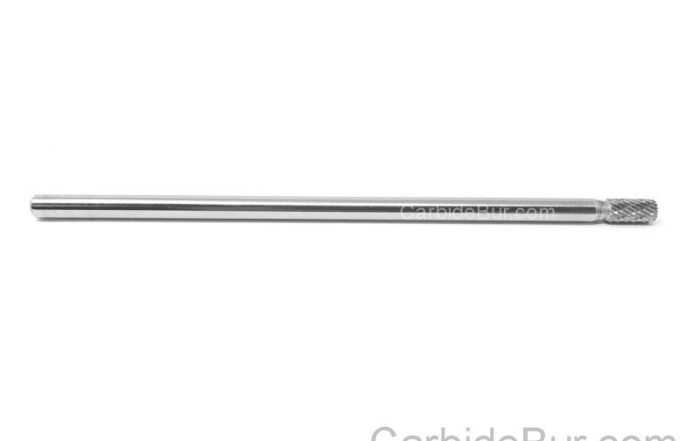
Long Shank Carbide Burrs: When Do You Need One?
Long Shank Carbide Burrs: When Do You Need One? Most machinists overlook the power of long shank carbide burrs until a project demands precision in tight spaces. When your usual tools can’t reach intricate contours, [...]
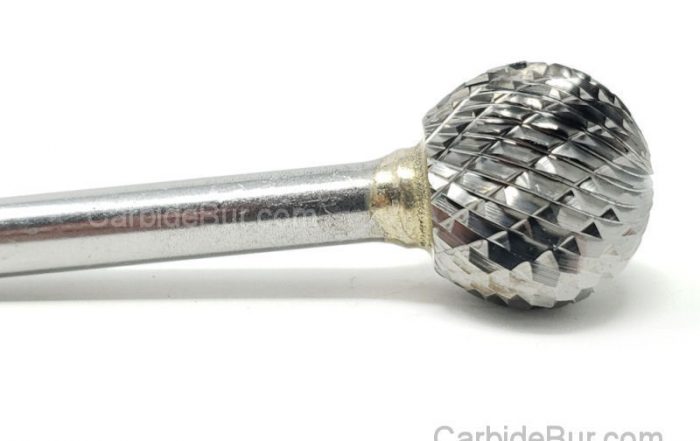
How Deep Can a Carbide Burr Cut Metal?
How Deep Can a Carbide Burr Cut Metal? Carbide burrs often get praised for their precision, but many users hit a wall wondering how deep they can actually cut metal. The truth is, cutting depth [...]
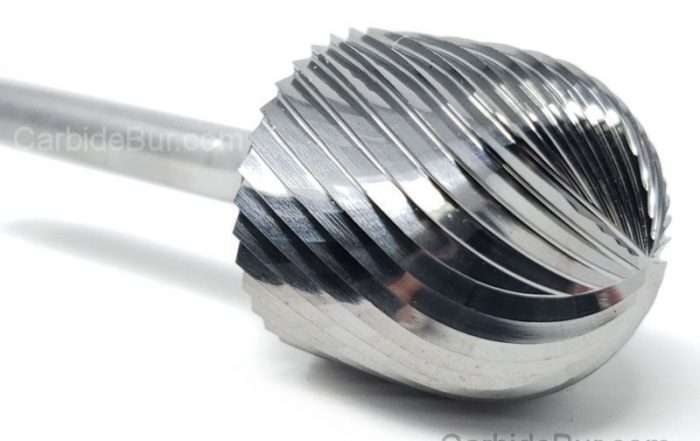
How to Use Carbide Burrs for Port Matching
How to Use Carbide Burrs for Port Matching Most engine builds hit a wall when airflow doesn’t flow smoothly between the ports and manifolds. If your engine isn’t breathing right, your performance stalls. Using the [...]
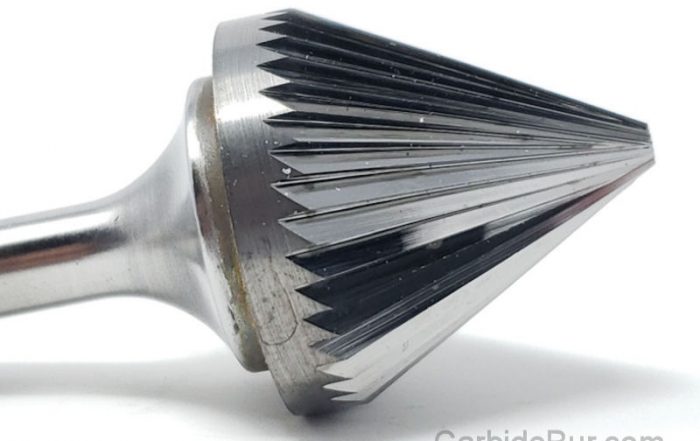
Best Carbide Burr for Porting Intake Manifolds
Best Carbide Burr for Porting Intake Manifolds Porting intake manifolds can make or break your engine’s airflow, yet many struggle with the right tools for the job. Choosing the best carbide burrs is key to [...]
Best Carbide Burr for Concave Surfaces
Best Carbide Burr for Concave Surfaces Concave surfaces can turn a straightforward project into a frustrating challenge if you don’t have the right tool. Carbide burrs designed for these tricky curves make all the difference [...]
How to Grind a Slot in Metal With a Carbide Burr
How to Grind a Slot in Metal With a Carbide Burr Grinding a precise slot in metal can feel like a tricky task, especially if you’re unsure which tools to trust. Carbide burr grinding offers [...]