Can Carbide Burrs Remove Paint From Metal?
Stripping paint from metal often feels like a tough chore that risks damaging the surface underneath. Many turn to carbide burrs hoping they can speed things up without leaving scratches. This post breaks down which carbide burrs work best to remove paint from metal, how to handle them safely, and tips for getting that smooth finish every time. Stick around to find out how to prep your metal like a pro before the next coat goes on. For more insights, explore the versatility of carbide burrs.
Understanding Carbide Burrs
Carbide burrs are essential tools in the metalworking world. They provide precision and efficiency in various tasks, especially in paint removal. Let’s discover what makes them indispensable.
What Are Carbide Burrs?
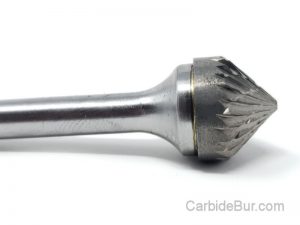
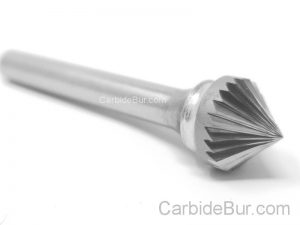
Carbide burrs are cutting tools used to shape, grind, and remove materials. Made from carbide, a robust material, these burrs come in various shapes. They are perfect for different tasks, including removing paint from metal surfaces. The toughness of carbide ensures a longer life and better performance compared to standard tools.
How Carbide Burrs Work
These burrs work by spinning at high speeds to cut through materials. When used on metal, they efficiently remove layers of paint without damaging the surface beneath. The burr’s shape determines the kind of cut, whether it’s for smooth removal or intricate detailing. By selecting the right burr, you ensure that your metal surface remains intact.
Benefits of Using Carbide Burrs
Carbide burrs offer several advantages. They make quick work of tough paint layers, minimizing the time you spend on each project. Their durability means you won’t need replacements often, saving you money in the long run. Plus, their precision ensures a clean finish, reducing the need for additional sanding.
Choosing the Right Carbide Burr
Selecting the appropriate burr is crucial for successful paint removal. Different types cater to specific needs, so it’s important to know your options.
Types of Carbide Burrs for Metal
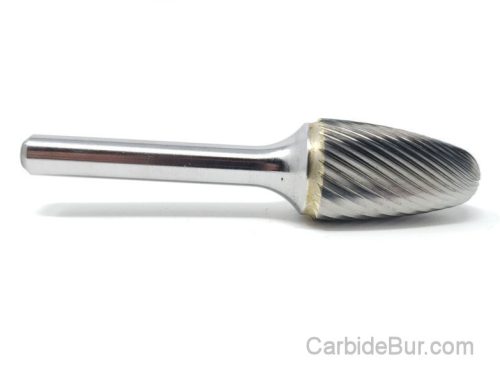
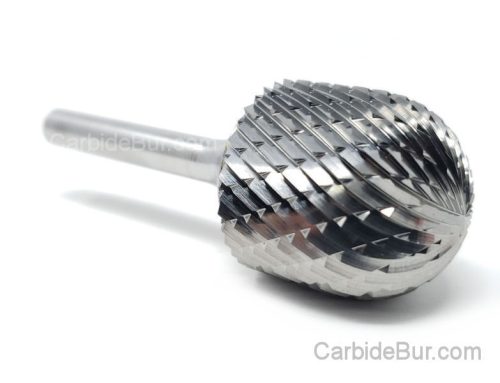
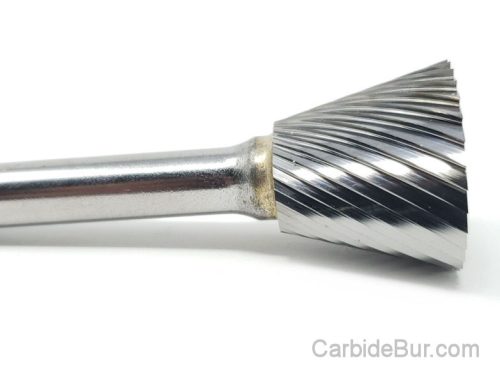
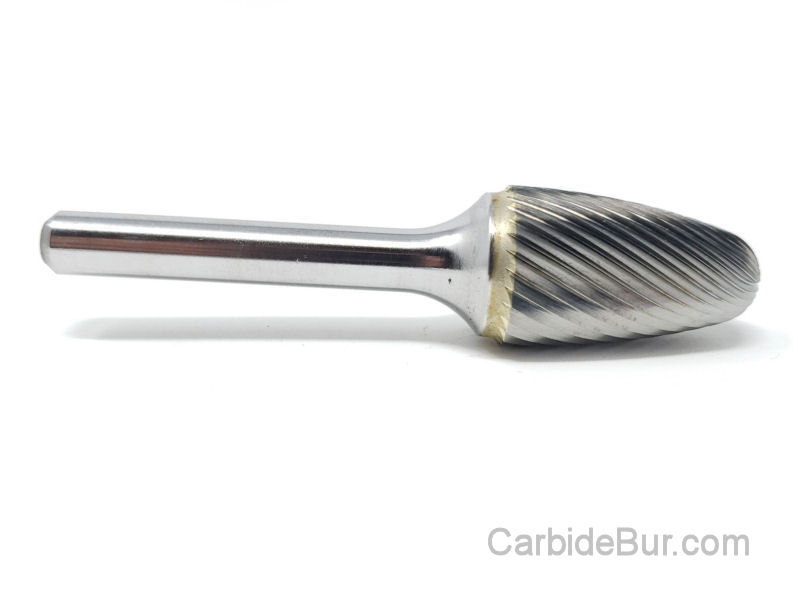
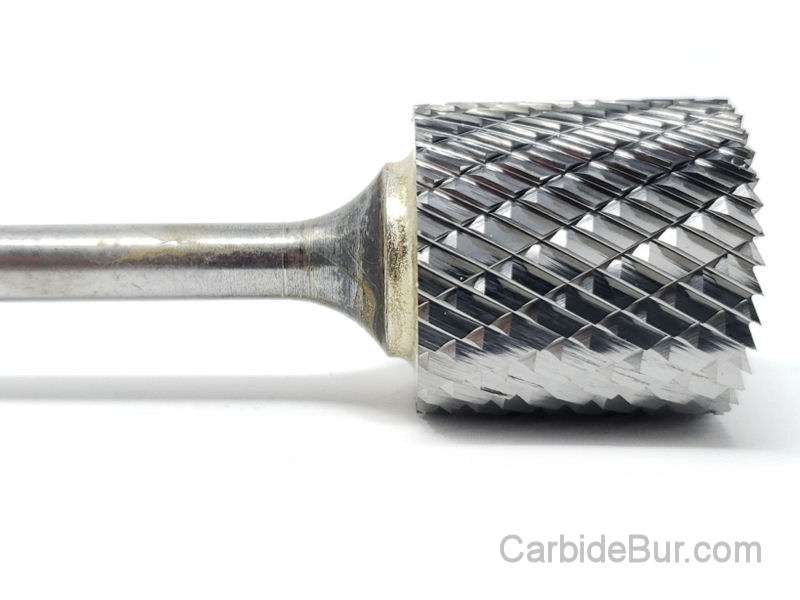
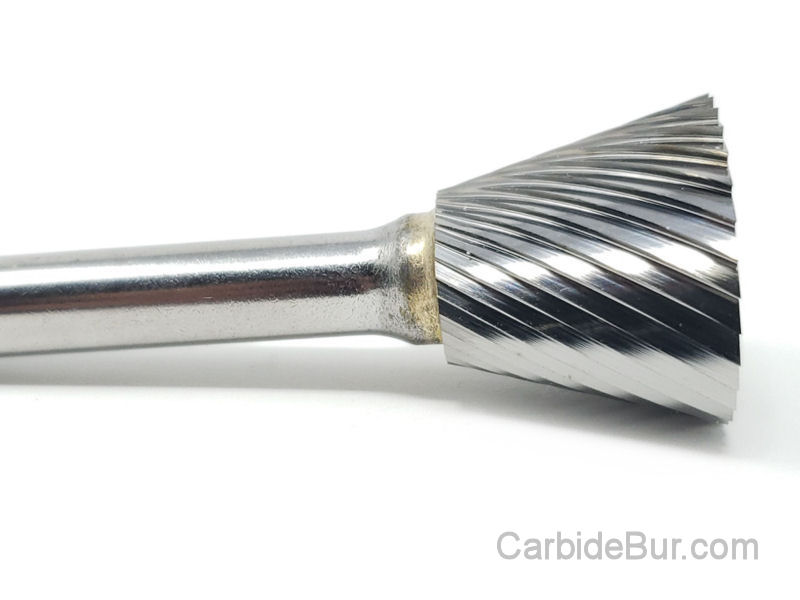
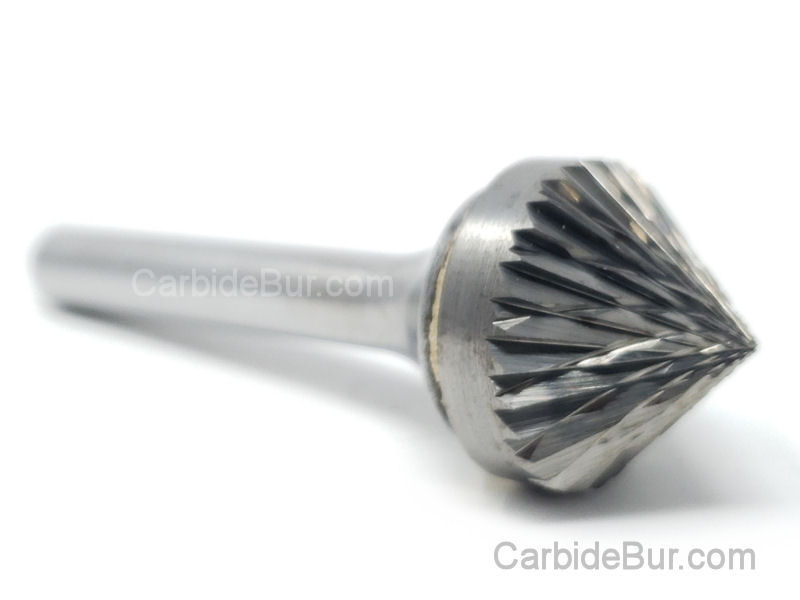
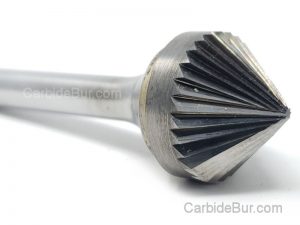
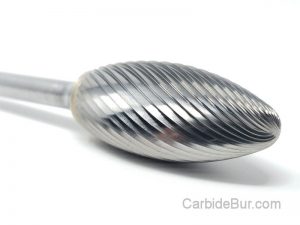
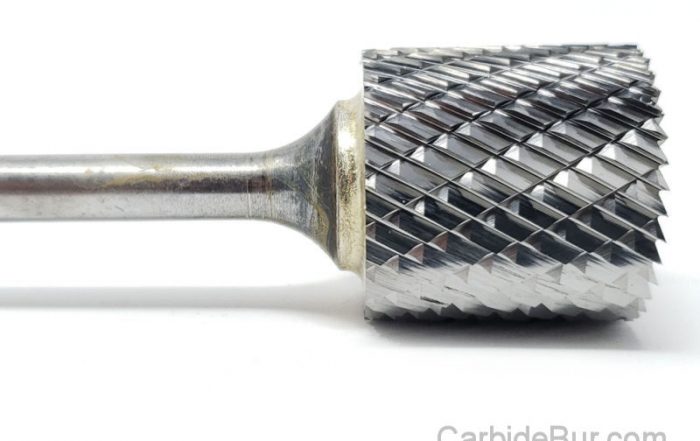
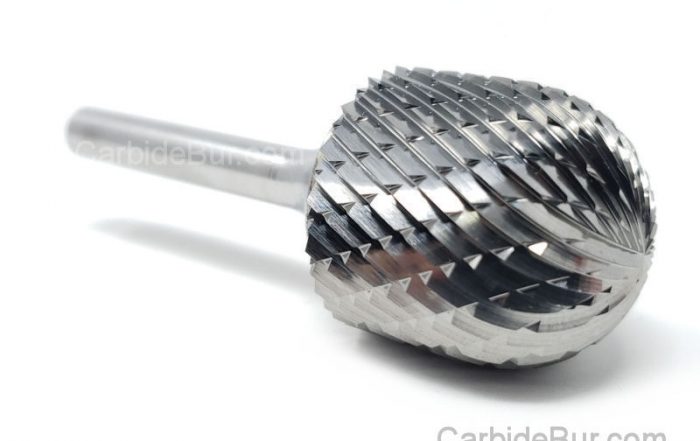
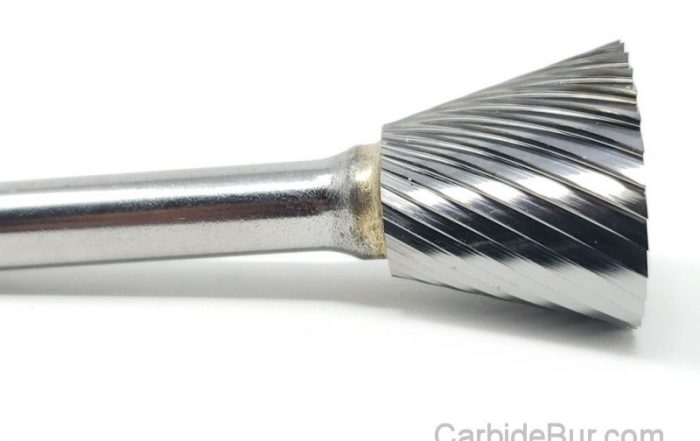
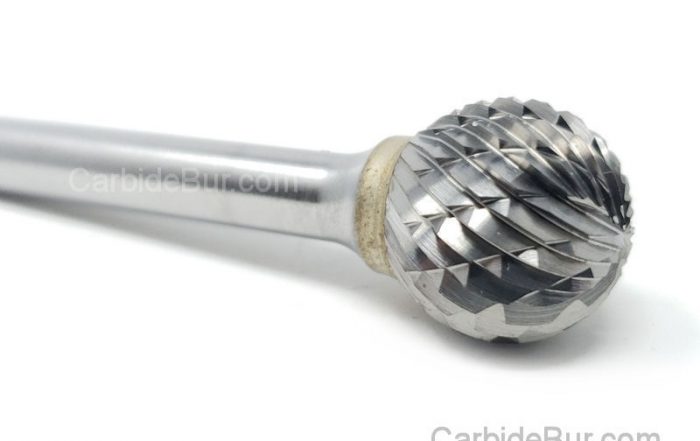
Carbide burrs come in various shapes such as cylindrical, ball-shaped, and pointed. Each type serves a unique purpose. Cylindrical burrs are ideal for general removal, while ball-shaped burrs handle more detailed work. The choice depends on the task at hand and the metal surface’s condition.
Best Carbide Burrs for Paint Stripping
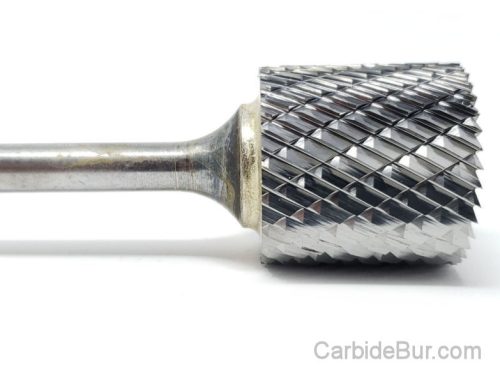
When it comes to stripping paint, certain burrs stand out. Look for burrs with a coarse grit; they are designed to tackle thick paint layers. A popular choice is the cylindrical burr with a cross-cut pattern, known for its efficiency in removing paint quickly without creating deep scratches.
Factors to Consider When Selecting Burrs
Consider the metal type and paint thickness when choosing a burr. For tougher metals, a durable burr with a coarse cut is ideal. If the paint layer is thin, opt for a finer burr to avoid damaging the metal surface. It’s all about matching the burr to the job for optimal results.
Paint Removal Techniques
With the right burr in hand, it’s time to dive into paint removal techniques. Proper preparation and execution are key to achieving a smooth surface.
Preparing Metal Surfaces
Before using a burr, clean the metal surface to remove debris and dust. A clean surface ensures the burr works efficiently and prevents clogging. Additionally, secure the metal piece to avoid movement during the paint removal process.
Steps to Remove Paint from Metal
-
Select the Right Burr: Choose a burr suitable for the paint thickness and metal type.
-
Set the Tool Speed: Adjust the rotary tool to the recommended speed for your burr.
-
Apply Steady Pressure: Gently press the burr against the metal, maintaining steady pressure.
-
Move Consistently: Use consistent, overlapping strokes to remove paint evenly.
Safety Tips for Paint Removal
Safety is crucial when working with rotary tools. Wear protective goggles and gloves to shield against flying debris. Ensure your workspace is well-ventilated to avoid inhaling dust. Always follow manufacturer guidelines for using carbide burrs to prevent accidents.
Achieving a Smooth Finish
After removing paint, the goal is a smooth, ready-to-refinish surface. Techniques and tips can help perfect your final result.
Techniques for a Smooth Metal Surface
To achieve a polished finish, switch to a fine-grit burr. This helps smooth out any remaining roughness. Work in a gentle, circular motion to ensure even smoothing across the entire surface. Patience and precision are your best tools here.
Common Mistakes to Avoid
Avoid using excessive force with your burr. This can lead to unwanted scratches or uneven surfaces. Also, rushing through the process can result in an incomplete paint removal, so take your time. Finally, always choose the correct burr for your metal type to prevent damage.
Final Touches for a Perfect Finish
Once the surface is smooth, wipe it down with a clean cloth to remove any dust. You might consider applying a primer before repainting to enhance paint adhesion. A well-prepared surface ensures lasting results and a professional appearance.
Advantages of Carbide Burrs in Restoration
Carbide burrs aren’t just for paint removal. They offer several advantages in metal surface restoration projects.
Efficiency in Metal Surface Restoration
These burrs speed up restoration projects by quickly removing unwanted materials. The high cutting speed reduces labor time, allowing you to complete projects faster without compromising on quality.
Cost-Effectiveness of Carbide Burrs
Though initially more expensive, carbide burrs outlast many other tools. Their durability means fewer replacements, saving you money over time. Investing in quality tools pays off in reduced tool costs and better job outcomes.
Long-term Benefits for DIY Projects
For DIY enthusiasts, carbide burrs are a smart choice. They offer reliability and precision, key factors in successful home projects. With them, you can confidently tackle various tasks, from paint removal to detailed metalwork, ensuring your projects meet professional standards.
Frequently Asked Questions
What is the best type of carbide burr for paint removal?
Cylindrical burrs with a cross-cut pattern are often the best choice for removing paint from metal efficiently without causing damage.
How do I avoid damaging metal surfaces with carbide burrs?
Use the right burr type for your metal and maintain steady, gentle pressure while working. This minimizes the risk of scratches.
Why are carbide burrs preferred over other tools for paint removal?
Carbide burrs are preferred due to their durability and precision, ensuring a clean removal process and longer tool life.
Can carbide burrs be used on all metal types?
Yes, but selecting the appropriate burr for the specific metal type is essential to avoid surface damage.
What safety precautions should I take when using carbide burrs?
Always wear protective eyewear and gloves, ensure a well-ventilated workspace, and follow the manufacturer’s usage guidelines for safe operation.
Looking for Carbide Bur Tools?
Check out our entire selection of USA made carbide bur die grinder tool bits
Follow us on Twitter

Return to CarbideBur.com
Carbide Burs – 1/4″ on 1/8″ Shanks – Accessories – Aluminum Cut – Bur Sets – End Mills – Long Shank – Solid Burs
Can Carbide Burrs Remove Paint From Metal?
Can Carbide Burrs Remove Paint From Metal? Stripping paint from metal often feels like a tough chore that risks damaging the surface underneath. Many turn to carbide burrs hoping they can speed things up without [...]
How to Grind a Groove in Metal With a Carbide Burr
How to Grind a Groove in Metal With a Carbide Burr Most metalworkers struggle to cut clean grooves without wasting time or ruining their workpiece. Many try different metalworking tools but end up with uneven [...]
Can Carbide Burrs Cut Through Welds?
Can Carbide Burrs Cut Through Welds? Cutting through welds can feel like a battle, especially when you need clean results without harming the base metal. Carbide burrs offer a sharp edge in this fight, but [...]
How to Use a Carbide Burr With a Die Grinder
How to Use a Carbide Burr With a Die Grinder Most people treat a carbide burr like just another tool, but using it with a die grinder takes skill. If you’ve struggled with burr installation [...]
1/8 vs 1/4 Inch Carbide Burrs: What’s the Difference?
1/8 vs 1/4 Inch Carbide Burrs: What's the Difference? Choosing between a 1/8 inch carbide burr and a 1/4 inch carbide burr can change how your project turns out. Many machinists and hobbyists overlook how [...]
Best Carbide Burr for Removing Flash From Castings
Best Carbide Burr for Removing Flash From Castings Removing flash from castings is a task that can slow down your entire metalworking process if you don’t have the right tools. Picking the best carbide burr [...]
What RPM Should You Use for a 1/4 Inch Carbide Burr?
What RPM Should You Use for a 1/4 Inch Carbide Burr? Most machinists guess the right speed for a 1/4 inch carbide burr and hope for the best. Using the wrong carbide burr RPM can [...]
Long Shank Carbide Burrs: When Do You Need One?
Long Shank Carbide Burrs: When Do You Need One? Most machinists overlook the power of long shank carbide burrs until a project demands precision in tight spaces. When your usual tools can’t reach intricate contours, [...]
How Deep Can a Carbide Burr Cut Metal?
How Deep Can a Carbide Burr Cut Metal? Carbide burrs often get praised for their precision, but many users hit a wall wondering how deep they can actually cut metal. The truth is, cutting depth [...]
How to Use Carbide Burrs for Port Matching
How to Use Carbide Burrs for Port Matching Most engine builds hit a wall when airflow doesn’t flow smoothly between the ports and manifolds. If your engine isn’t breathing right, your performance stalls. Using the [...]
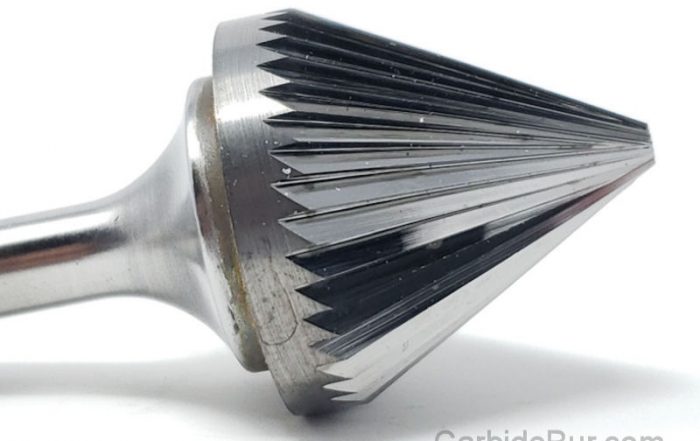
Best Carbide Burr for Porting Intake Manifolds
Best Carbide Burr for Porting Intake Manifolds Porting intake manifolds can make or break your engine’s airflow, yet many struggle with the right tools for the job. Choosing the best carbide burrs is key to [...]
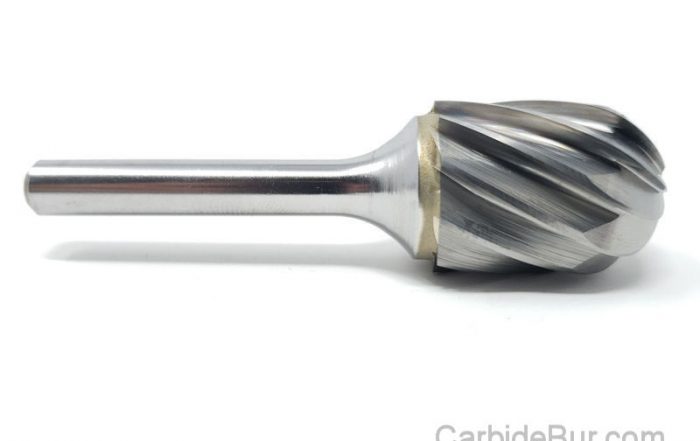
Best Carbide Burr for Concave Surfaces
Best Carbide Burr for Concave Surfaces Concave surfaces can turn a straightforward project into a frustrating challenge if you don’t have the right tool. Carbide burrs designed for these tricky curves make all the difference [...]