
Achieve a Smoother Finish: Carbide Bur Applications and RPM Insights for Woodworkers
Running your die grinder too slow is the biggest mistake woodworkers make with carbide bur applications. When you push your tool to 20,000–35,000 RPM, it cuts cleaner and faster, avoiding frustrating chatter and burr binding. Mastering this speed not only speeds up material removal but also gives you a smoother finish on everything from delicate details to bigger shaping tasks. Ready to sharpen your die grinder tips and get results that stand out? Learn more here.
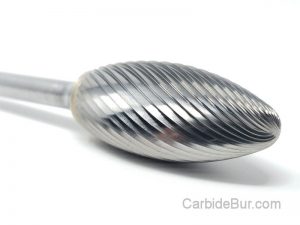
Looking for Carbide Bur Tools?
Check out our entire selection of USA made carbide bur die grinder tool bits
Understanding Carbide Bur Applications
Your die grinder can become a powerhouse with the right knowledge. Let’s dive into the essentials of using carbide burs effectively.
Essential Die Grinder Tips
Speed is your ally. Running your die grinder between 20,000 and 35,000 RPM ensures clean cuts and reduces chattering. Avoiding chatter makes your work smoother and faster. Always check your tool’s RPM capacity to prevent mishaps. Wearing protective gear is crucial too for safety. Adjust your grip to maintain control and stability, especially when working on detailed tasks. Remember, practice makes perfect!
Choosing the Right Carbide Bur
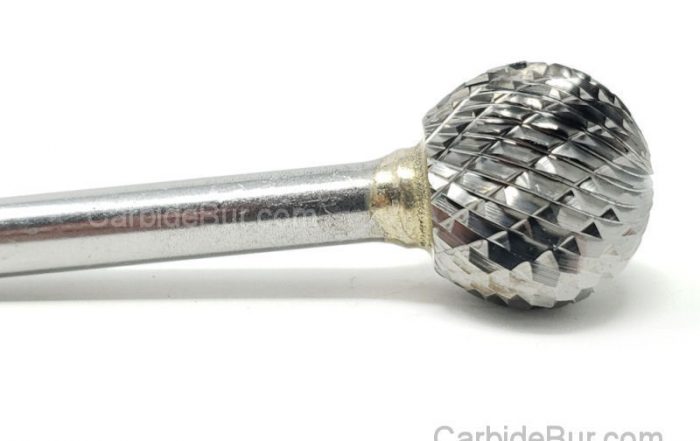
Selecting the right carbide bur can change everything. Consider the material you’re working on. Different shapes and sizes of burs suit different tasks. For instance, a round bur is great for hollowing, while a cylindrical bur helps with straight edges. Check out this ultimate guide to explore more options. Don’t be afraid to experiment with various shapes to find your best fit.
High RPM Die Grinding Benefits
High RPM brings multiple benefits. It speeds up material removal, making your projects more efficient. You’ll achieve a smoother finish, which enhances the overall quality of your work. This speed reduces burr binding, a common issue that hinders progress. By keeping RPM high, you maintain a steady workflow, saving you time and effort. It’s the secret to professional-quality results.
Mastering Cutting Efficiency
With a grasp on carbide burs, let’s enhance your cutting efficiency. Focusing on technique can refine your craft beyond basic grinding.
Enhancing Smoother Finish Techniques
A smoother finish elevates your project. Start by keeping your grinder at the right angle. Often, a 15-degree angle works well for many tasks. Glide your tool smoothly across the surface, applying even pressure. Move in a consistent direction to avoid scratches. A light touch prevents over-grinding, preserving the material’s integrity. Practicing these techniques leads to stunning results every time.
Effective Material Removal Strategies
Removing material swiftly can feel rewarding. Use a coarse bur for quick removal. It’s vital to keep the tool moving. Stopping can cause burns or gouges. Working in small sections often yields better control. Frequent pauses to clear debris maintains visibility and accuracy. As you master these strategies, you’ll find material removal less daunting and more efficient.
Burr Binding Prevention Methods
Burr binding can disrupt your process. To prevent it, maintain consistent speed. Sudden changes can lead to binding. Keeping the tool clean is crucial. Dirt and debris can cause friction, leading to binding. Regular maintenance, such as oiling and cleaning, ensures smooth operation. Implementing these methods keeps your work uninterrupted and your tools in top condition.
Exploring Intricate Detailing
Delve into the world of intricate detailing. With precision, even the most complex designs become achievable.
Techniques for Fine Detailing
Fine detailing sets your work apart. Use a pointed bur for tight spaces and detailed lines. Work slowly and steadily, focusing on precision over speed. A gentle touch is key to avoid overcutting. Practice drawing the design on scrap material first. This preparation helps build confidence and accuracy. Fine detailing transforms ordinary projects into works of art.
Tools for Precision Shaping Tasks
Precision shaping requires the right tools. Choose tools that suit the task’s scale. For small details, micro burs are ideal. They offer control in tight corners. For larger areas, consider a larger bur for faster shaping. Keep tools sharp and in good condition for optimal performance. With the right tools, precision shaping becomes both manageable and satisfying.
Grinding Techniques for Woodworkers
Woodworkers, elevate your grinding with tailored techniques. Master both basic and advanced applications for superior results.
High-Speed Techniques for Beginners
Beginners, start with simple techniques. Begin with mid-range RPMs, around 20,000 RPM, to get a feel for the tool. Use a light touch to guide your work. Focus on creating even surfaces. With practice, increase speed for more efficiency. These foundational techniques build confidence and skill.
Advanced Die Grinder Applications
Advanced applications unlock new possibilities. Experiment with various bur shapes for different textures. Use high RPMs for intricate carvings. Try layering different depths for 3D effects. As you explore these advanced techniques, your projects will gain complexity and depth, showcasing your growing expertise.
Optimizing RPM for Best Results
To achieve your best work, understanding RPM adjustments is crucial. Tailoring speed to your project can drastically improve outcomes.
RPM Insights for Various Projects
Each project demands a different approach. For soft materials, lower RPMs prevent damage. Harder materials benefit from higher speeds. Always test on scrap material first. This practice helps you find the perfect RPM for each task. Adapting to your project’s needs ensures quality results every time.
Maintaining Consistent Performance
Consistency is key to performance. Regular maintenance keeps your grinder in top shape. Clean after each use to remove debris. Check for wear and replace parts as needed. Keeping your tools in good condition ensures they deliver consistent, reliable performance. By doing so, you’re setting yourself up for long-term success in every project.
As you refine your skills, remember: the longer you wait to adopt these techniques, the longer you’re delaying your progress. Embrace these insights today for superior results tomorrow.
Looking for Carbide Bur Tools?
Check out our entire selection of USA made carbide bur die grinder tool bits
Follow us on Twitter

Return to CarbideBur.com
Carbide Burs – 1/4″ on 1/8″ Shanks – Accessories – Aluminum Cut – Bur Sets – End Mills – Long Shank – Solid Burs
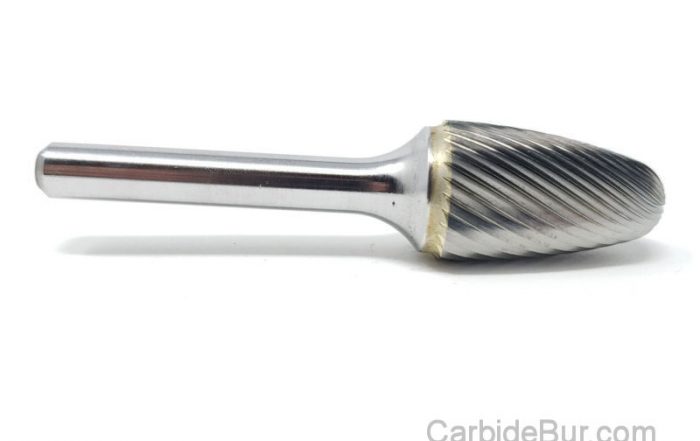
How to Grind a Groove in Metal With a Carbide Burr
How to Grind a Groove in Metal With a Carbide Burr Most metalworkers struggle to cut clean grooves without wasting time or ruining their workpiece. Many try different metalworking tools but end up with uneven [...]
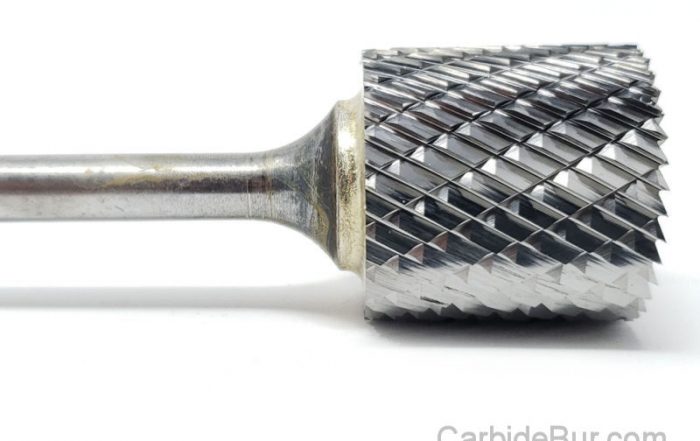
Can Carbide Burrs Cut Through Welds?
Can Carbide Burrs Cut Through Welds? Cutting through welds can feel like a battle, especially when you need clean results without harming the base metal. Carbide burrs offer a sharp edge in this fight, but [...]
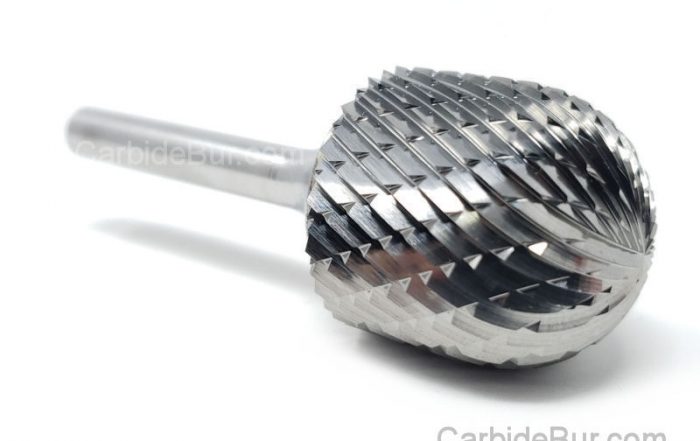
How to Use a Carbide Burr With a Die Grinder
How to Use a Carbide Burr With a Die Grinder Most people treat a carbide burr like just another tool, but using it with a die grinder takes skill. If you’ve struggled with burr installation [...]
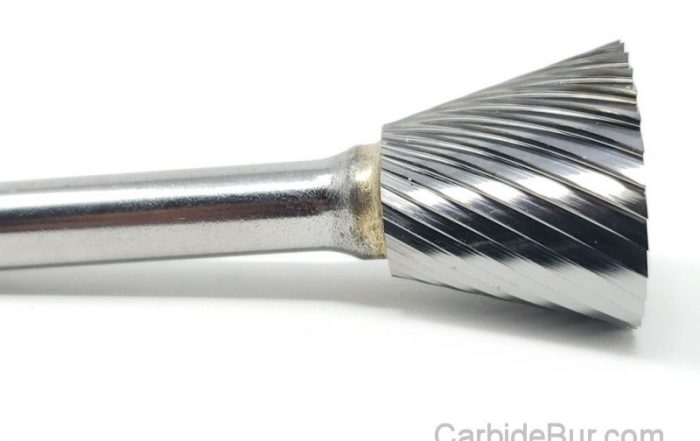
1/8 vs 1/4 Inch Carbide Burrs: What’s the Difference?
1/8 vs 1/4 Inch Carbide Burrs: What's the Difference? Choosing between a 1/8 inch carbide burr and a 1/4 inch carbide burr can change how your project turns out. Many machinists and hobbyists overlook how [...]
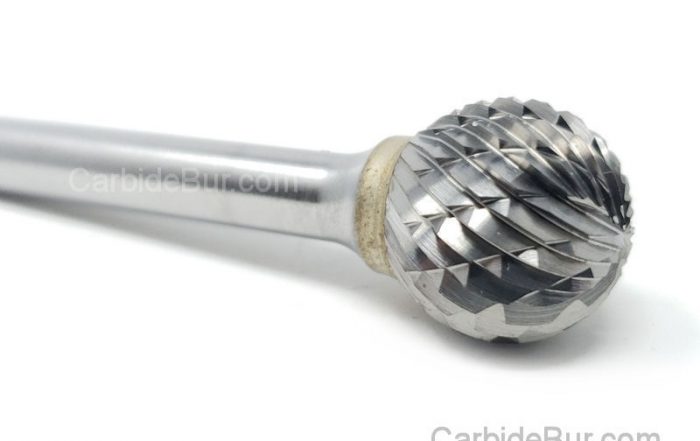
Best Carbide Burr for Removing Flash From Castings
Best Carbide Burr for Removing Flash From Castings Removing flash from castings is a task that can slow down your entire metalworking process if you don’t have the right tools. Picking the best carbide burr [...]
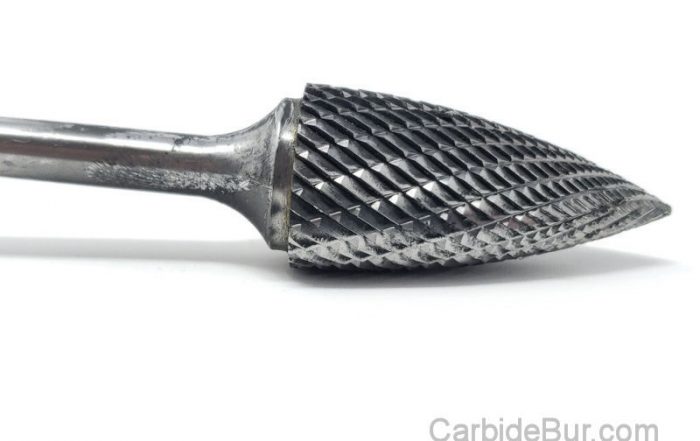
What RPM Should You Use for a 1/4 Inch Carbide Burr?
What RPM Should You Use for a 1/4 Inch Carbide Burr? Most machinists guess the right speed for a 1/4 inch carbide burr and hope for the best. Using the wrong carbide burr RPM can [...]
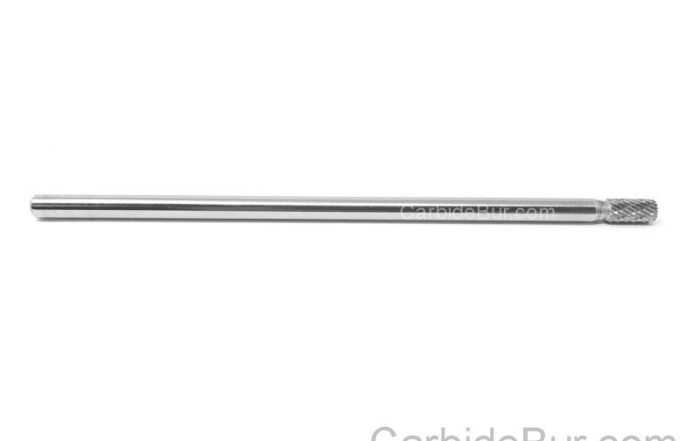
Long Shank Carbide Burrs: When Do You Need One?
Long Shank Carbide Burrs: When Do You Need One? Most machinists overlook the power of long shank carbide burrs until a project demands precision in tight spaces. When your usual tools can’t reach intricate contours, [...]
How Deep Can a Carbide Burr Cut Metal?
How Deep Can a Carbide Burr Cut Metal? Carbide burrs often get praised for their precision, but many users hit a wall wondering how deep they can actually cut metal. The truth is, cutting depth [...]
How to Use Carbide Burrs for Port Matching
How to Use Carbide Burrs for Port Matching Most engine builds hit a wall when airflow doesn’t flow smoothly between the ports and manifolds. If your engine isn’t breathing right, your performance stalls. Using the [...]
Best Carbide Burr for Porting Intake Manifolds
Best Carbide Burr for Porting Intake Manifolds Porting intake manifolds can make or break your engine’s airflow, yet many struggle with the right tools for the job. Choosing the best carbide burrs is key to [...]
Best Carbide Burr for Concave Surfaces
Best Carbide Burr for Concave Surfaces Concave surfaces can turn a straightforward project into a frustrating challenge if you don’t have the right tool. Carbide burrs designed for these tricky curves make all the difference [...]
How to Grind a Slot in Metal With a Carbide Burr
How to Grind a Slot in Metal With a Carbide Burr Grinding a precise slot in metal can feel like a tricky task, especially if you’re unsure which tools to trust. Carbide burr grinding offers [...]
