
Enhance Your Metalwork: How Double-Cut Carbide Burs Reduce Tool Wear
Most metalworkers stick with single-cut burs, but that choice often drags out projects and wears tools faster. Using a double-cut carbide bur in your die grinder changes the game: it removes material quicker and with less grabbing on steel and tougher metals. When you pick the right bur pattern, your grinding technique smooths out, tool wear drops, and your finishes come out cleaner. Let’s explore how this simple switch can sharpen your metal grinding techniques and speed up your work. For more insights, check out this detailed guide on double-cut carbide burs.
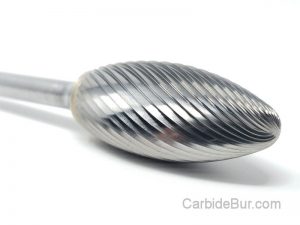
Looking for Carbide Bur Tools?
Check out our entire selection of USA made carbide bur die grinder tool bits
Understanding Double-Cut Carbide Burs
Switching to double-cut carbide burs can transform your metalworking projects. They offer speed, precision, and durability unmatched by single-cut burs. Let’s explore how these tools can refine your craft.
What Are Carbide Burs?
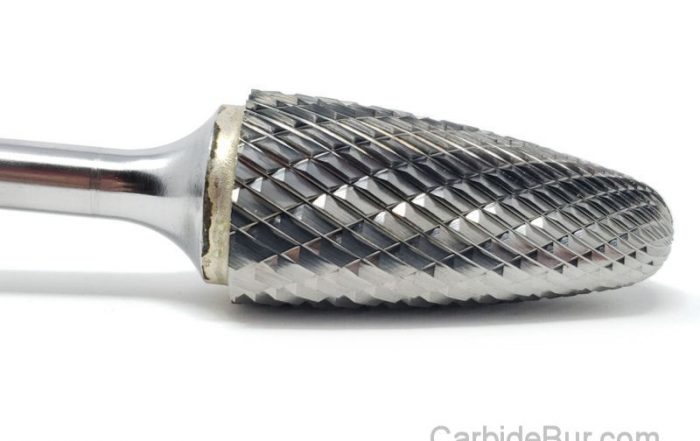
Carbide burs are rotary tools used for cutting, shaping, grinding, and removing material. They are essential in metalworking for detailed work. Made from tungsten carbide, they are tougher than steel, ensuring they last longer and withstand heavy use. With various shapes available, they suit different tasks from fine detail work to large material removal.
Advantages of Double-Cut Designs
Double-cut designs offer dual benefits. First, they enhance control by reducing grabbing, making them perfect for tough metals like steel. Second, they boost material removal speed, cutting down work time significantly. Imagine finishing 30% faster because your tool bites through metal smoothly. This efficiency means you save time, reduce tool wear, and achieve cleaner finishes.
Choosing the Right Bur for Metal
Picking the right bur is crucial. Consider the metal type: softer metals need finer cuts while harder ones benefit from coarser patterns. Select a shape that matches your project needs, whether it’s a cylinder for flat surfaces or a round bur for contours. For more on choosing the right bur, see this helpful resource.
Die Grinder Tips for Professionals
When using a die grinder, understanding proper techniques and maintenance can extend the life of your tools and improve your results. Let’s delve into some expert tips.
Proper Handling and Safety
Safety is paramount. Always wear safety glasses and gloves. Ensure your work area is clear of distractions. A steady grip and consistent pressure on the grinder prevent accidents. Remember, mishandling can lead to tool breakage or poor work quality.
Maintenance and Care for Longevity
Regular maintenance keeps your tools in top shape. Clean burs after each use to prevent buildup that dulls performance. Store them in a dry place to avoid rust, and periodically check for wear. Proper care means your burs remain sharp and effective longer. For maintenance tips, visit this guide.
Selecting the Best Die Grinder
Choosing the right grinder can make a big difference. Look for one with variable speed control for flexibility. Ensure it’s compatible with your burs and fits comfortably in your hand. A well-chosen grinder will enhance your work quality and efficiency.
Metal Grinding Techniques for Success
Mastering metal grinding techniques is key to achieving great results. With the right approach, you can work faster and achieve superior finishes.
Achieving Faster Material Removal
Speed is crucial in metalworking. Double-cut burs offer quicker removal because of their design. Focus on a consistent angle and moderate pressure to let the tool do the work. You’ll notice material disappearing faster without sacrificing accuracy.
Strategies for a Cleaner Finish
A clean finish speaks volumes about your skill. Use a light touch at the end of grinding to smooth out edges. This technique minimizes tool marks and creates a polished look. Patience here pays off with a finished product that impresses.
Optimized Grinding for Steel and Harder Metals
Hard metals require special attention. Use a bur with a coarse pattern for initial passes, then switch to a finer one for finishing. This method reduces strain on tools and ensures sharp, precise cuts. For more techniques, explore this comprehensive guide.
Reducing Tool Wear for Enhanced Durability
Reducing tool wear is essential for sustainable metalworking. Let’s look at how to make your tools last longer without compromising on quality.
Key Factors in Tool Wear Reduction
Several factors affect tool wear. Firstly, using the right bur for the material is crucial. Secondly, maintaining consistent pressure during grinding prevents unnecessary stress on the tool. Proper technique reduces wear, saving you money on replacements.
Benefits of Smoother Contours
Smoother contours not only look better but also reduce stress on your tools. They allow for even pressure distribution, preventing tool breakage. By mastering contouring, you enhance both the durability of your tools and the quality of your work.
Long-Term Impacts on Project Quality
Quality projects require quality tools. By reducing tool wear, you ensure consistent performance over time. This consistency leads to repeatable, high-quality outcomes that build your reputation as a skilled metalworker.
Mastering Bur Patterns for Precision
Precision is the hallmark of great craftsmanship. Mastering bur patterns can elevate your work to new heights.
Exploring Different Bur Patterns
Different patterns serve different purposes. A cross-cut pattern provides versatility, while a spiral pattern offers smooth finishing. Experiment with various patterns to find what suits your projects best. Each pattern offers unique benefits that can enhance your work.
Tips for Effective Grinding Techniques
Achieving precision involves practice and patience. Start with gentle passes to avoid removing too much material too quickly. Gradually increase pressure as you gain confidence. This approach ensures accuracy and minimizes errors.
Enhancing Craftsmanship with Precision
Precision in metalworking is a sign of craftsmanship. By mastering your tools and techniques, you create pieces that are not only functional but also works of art. Your dedication to precision will set your work apart and build pride in your skills.
By understanding and applying these principles, you can transform your metalworking projects. Each step you take towards mastering your tools brings you closer to exceptional results and a reputation for quality.
Looking for Carbide Bur Tools?
Check out our entire selection of USA made carbide bur die grinder tool bits
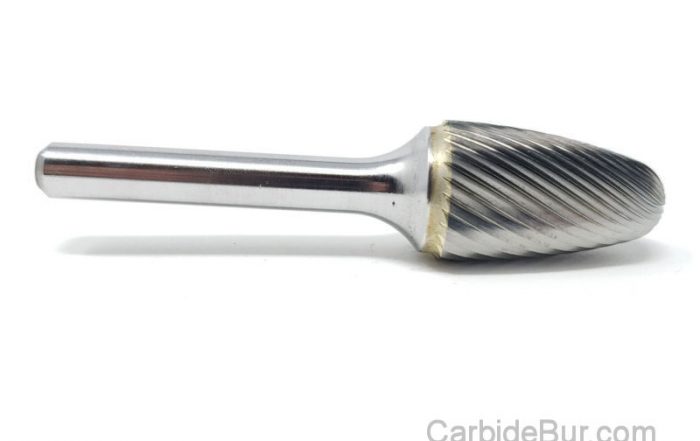
How to Grind a Groove in Metal With a Carbide Burr
How to Grind a Groove in Metal With a Carbide Burr Most metalworkers struggle to cut clean grooves without wasting time or ruining their workpiece. Many try different metalworking tools but end up with uneven [...]
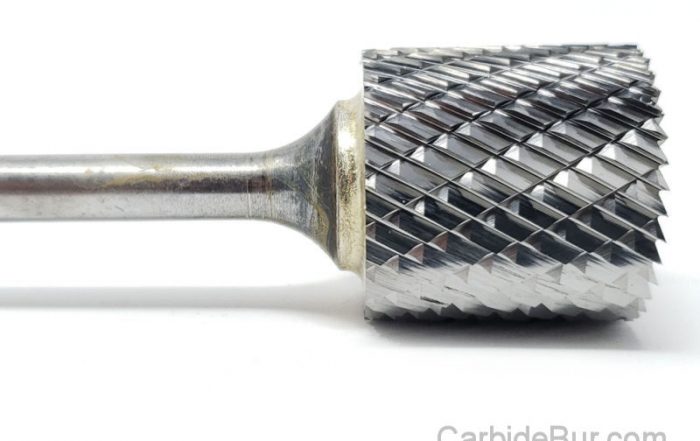
Can Carbide Burrs Cut Through Welds?
Can Carbide Burrs Cut Through Welds? Cutting through welds can feel like a battle, especially when you need clean results without harming the base metal. Carbide burrs offer a sharp edge in this fight, but [...]
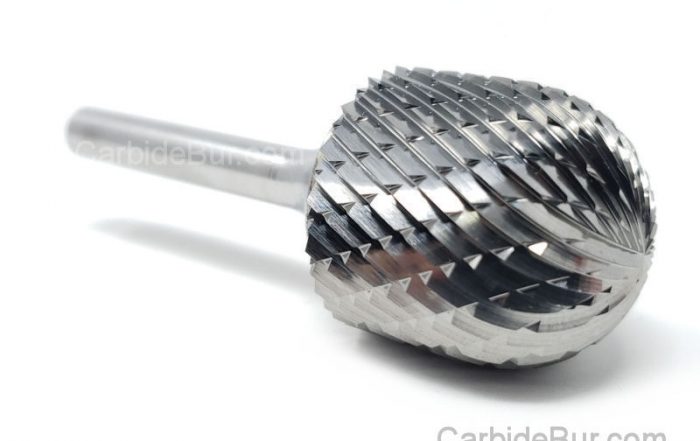
How to Use a Carbide Burr With a Die Grinder
How to Use a Carbide Burr With a Die Grinder Most people treat a carbide burr like just another tool, but using it with a die grinder takes skill. If you’ve struggled with burr installation [...]
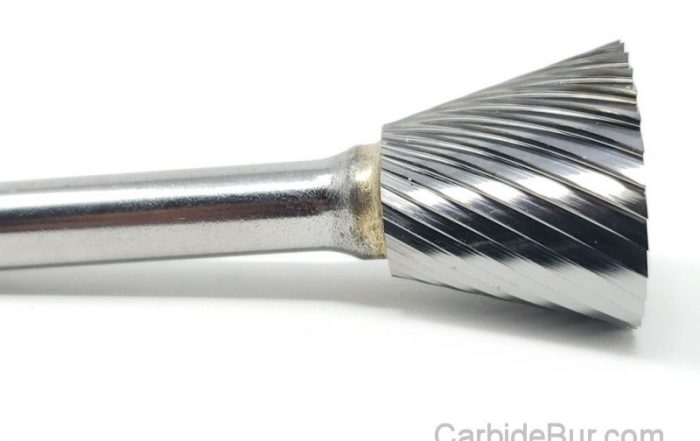
1/8 vs 1/4 Inch Carbide Burrs: What’s the Difference?
1/8 vs 1/4 Inch Carbide Burrs: What's the Difference? Choosing between a 1/8 inch carbide burr and a 1/4 inch carbide burr can change how your project turns out. Many machinists and hobbyists overlook how [...]
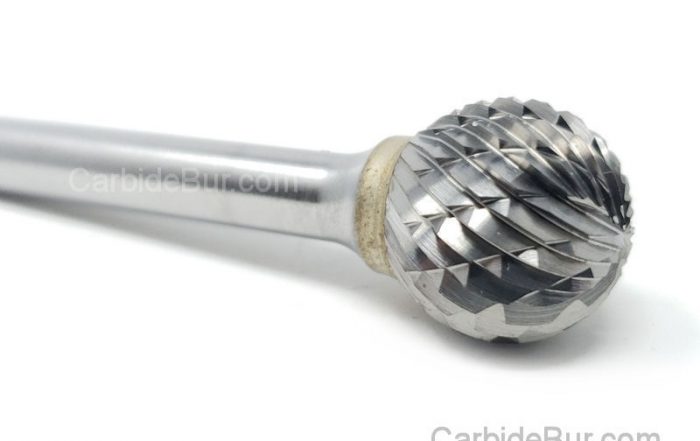
Best Carbide Burr for Removing Flash From Castings
Best Carbide Burr for Removing Flash From Castings Removing flash from castings is a task that can slow down your entire metalworking process if you don’t have the right tools. Picking the best carbide burr [...]
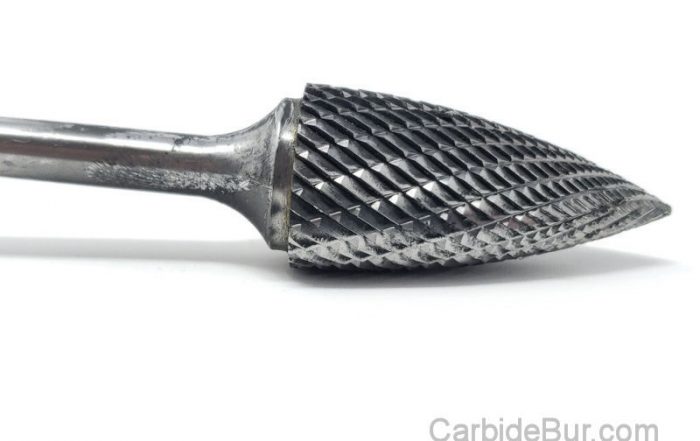
What RPM Should You Use for a 1/4 Inch Carbide Burr?
What RPM Should You Use for a 1/4 Inch Carbide Burr? Most machinists guess the right speed for a 1/4 inch carbide burr and hope for the best. Using the wrong carbide burr RPM can [...]
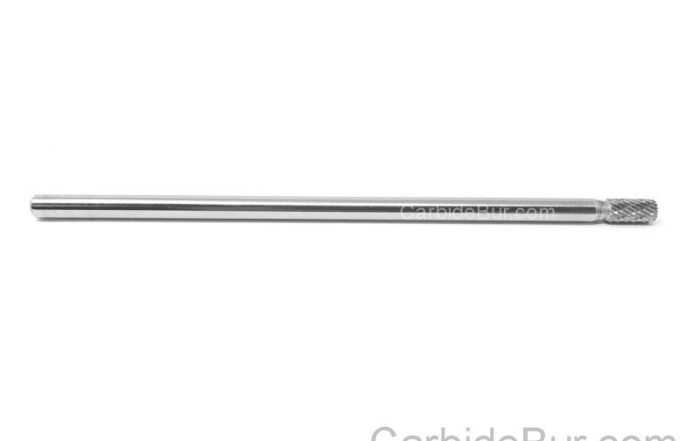
Long Shank Carbide Burrs: When Do You Need One?
Long Shank Carbide Burrs: When Do You Need One? Most machinists overlook the power of long shank carbide burrs until a project demands precision in tight spaces. When your usual tools can’t reach intricate contours, [...]
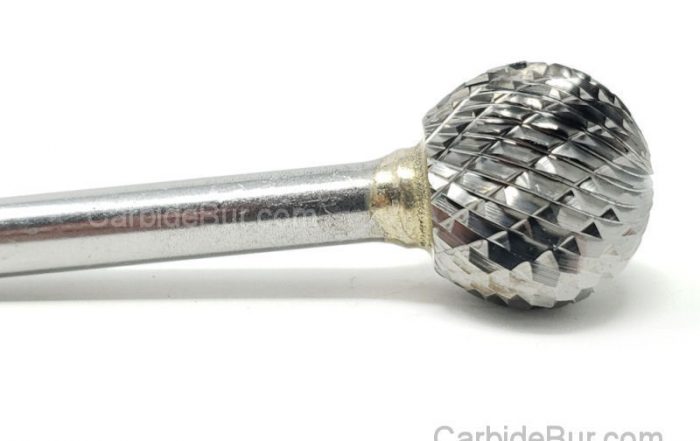
How Deep Can a Carbide Burr Cut Metal?
How Deep Can a Carbide Burr Cut Metal? Carbide burrs often get praised for their precision, but many users hit a wall wondering how deep they can actually cut metal. The truth is, cutting depth [...]
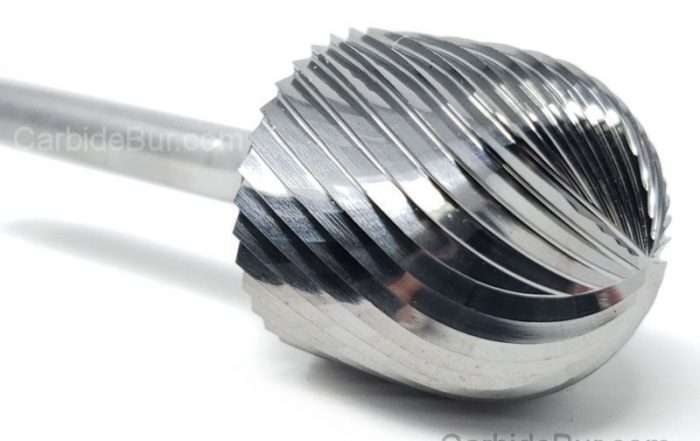
How to Use Carbide Burrs for Port Matching
How to Use Carbide Burrs for Port Matching Most engine builds hit a wall when airflow doesn’t flow smoothly between the ports and manifolds. If your engine isn’t breathing right, your performance stalls. Using the [...]
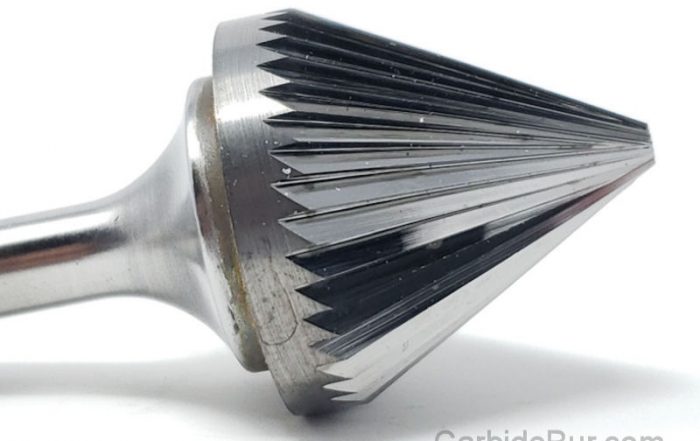
Best Carbide Burr for Porting Intake Manifolds
Best Carbide Burr for Porting Intake Manifolds Porting intake manifolds can make or break your engine’s airflow, yet many struggle with the right tools for the job. Choosing the best carbide burrs is key to [...]
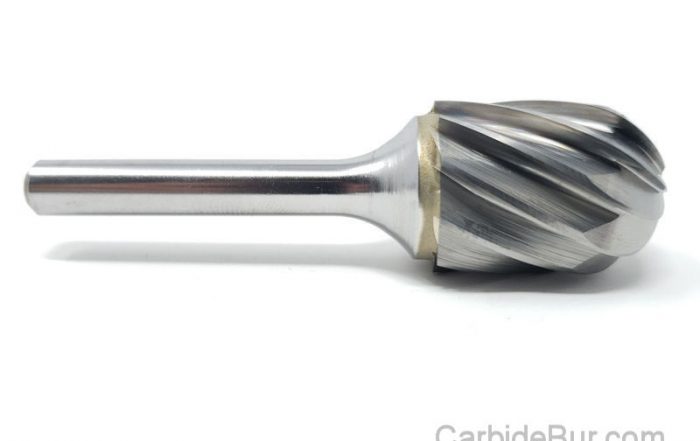
Best Carbide Burr for Concave Surfaces
Best Carbide Burr for Concave Surfaces Concave surfaces can turn a straightforward project into a frustrating challenge if you don’t have the right tool. Carbide burrs designed for these tricky curves make all the difference [...]
How to Grind a Slot in Metal With a Carbide Burr
How to Grind a Slot in Metal With a Carbide Burr Grinding a precise slot in metal can feel like a tricky task, especially if you’re unsure which tools to trust. Carbide burr grinding offers [...]
