
Mastering Metalwork: Choosing Between Double-Cut and Single-Cut Carbide Burs for Seamless Deburring
Not all carbide burs handle welds the same way. If you want smooth, clean edges without wasting time, the right bur shape and cut style make all the difference. Choosing between double-cut and single-cut carbide burs for deburring welds can change your finish and speed, depending on your metal and project needs. Let’s break down which burs fit your work best. For more insights, check this guide.
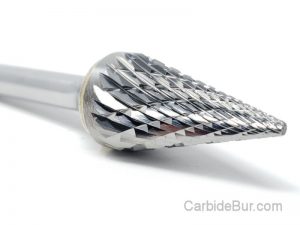
Click here to see our entire selection of USA made carbide bur tools
Understanding Carbide Burs
Carbide burs play a crucial role in metalwork, allowing you to achieve clean and smooth finishes. Knowing their types and uses can transform your projects.
Types of Carbide Burs
Carbide burs come in a variety of shapes and sizes. These include weld-blend burs, designed specifically for smoothing weld beads on materials like steel and stainless steel. Inverted cone burs feature a flat top, making them ideal for reaching tight spots. You might also find round, cylindrical, and flame-shaped burs in a comprehensive carbide burr set. Each shape has its unique advantage. For instance, cylindrical burs are effective for flat surfaces, while round burs are perfect for contours. For a deeper look into these tools, visit this informative link.
Key Applications in Metalwork
In metalwork, carbide burs are indispensable for tasks such as shaping, grinding, and deburring welds. They remove excess material and refine edges, ensuring precision. Whether you’re dealing with aluminum, steel, or other metals, choosing the right bur ensures efficiency and quality. For example, a carbide burr for aluminum deburring is specifically crafted for softer metals, reducing clogging and enhancing performance. Most people assume any bur will do, but using the correct type makes a significant difference.
Choosing Between Double-Cut and Single-Cut
Making the right choice between double-cut and single-cut burs can elevate your work, providing either a finer finish or quicker material removal.
Double-Cut for a Finer Finish
Double-cut burs feature a crisscross pattern, offering a smoother finish. They’re perfect when you need precision. These burs reduce vibration, giving you better control and cleaner results. When working on stainless steel or projects demanding a refined look, a double cut carbide burr is your go-to choice. Many assume speed is everything, but sometimes the detail of a fine finish is what truly matters. Explore more about American-made carbide tools here.
Single-Cut for Faster Material Removal
Single-cut burs, on the other hand, have straight grooves. They excel in removing material quickly, making them ideal for initial passes. If you’re dealing with thick welds or rough surfaces, a single cut carbide burr can save you significant time. Despite the speed, they still leave a neat finish. This choice is especially beneficial when working with harder metals like steel, where removal efficiency is key.
Best Practices for Deburring Welds
Optimizing your deburring process ensures not only aesthetic appeal but also structural integrity. Here’s how to do it right.
Selecting the Right Burr Shape
The shape of your bur significantly impacts your results. For welds, weld-blend burs or inverted cone burs often work best. They smooth weld beads without gouging the metal. Selecting the correct shape depends on your specific task. For instance, if dealing with corners, opt for a pointed bur. On flat surfaces, a cylindrical shape reigns supreme. For more tips, refer to this ultimate guide.
Tips for Using Die Grinder Bits
Using die grinder bits effectively can enhance your deburring efforts. Always ensure you select bits that match your burr’s specifications. Proper maintenance, such as cleaning and sharpening, extends their lifespan. When using die grinder bits for deburring, apply consistent pressure and maintain a steady angle. This method prevents uneven surfaces. Remember, the longer you wait to maintain your tools, the less effective they become.
In summary, understanding the nuances of carbide burs, from types to best practices, is crucial for achieving seamless deburring results. By selecting the right tools and techniques, you can enhance the quality and efficiency of your metalwork projects.
Click here to see our entire selection of USA made carbide bur tools
The History of Carbide Cutting Tools and Why USA Leads the Way
The History of Carbide Cutting Tools and Why USA Leads the Way American-made carbide tools have shaped the way industries cut and create. If you rely on tools that don’t keep pace with manufacturing breakthroughs, [...]
A Comprehensive Look at Carbide Burs Sterilization Techniques
From Cleaning to Storing: A Comprehensive Look at Carbide Burs Sterilization Techniques Most dental pros lose bur sharpness faster than they expect, wasting time and money. Skipping key steps in carbide burs sterilization leads to [...]
USA-Made Carbide Burrs for Intricate Carvings
Woodworking Wonders: USA-Made Carbide Burrs for Intricate Carvings Many woodworkers settle for burrs that dull quickly and leave rough edges. You know that clean cuts and lasting durability make all the difference in your detailed [...]
Practical Guide to Extend Carbide Burs Life and Cut Costs
Practical Guide to Extend Carbide Burs Life and Cut Costs Most dental professionals replace carbide burs far sooner than needed. This wastes money and slows down your work. By mastering proper usage of carbide burs [...]
Why USA-Made Carbide Burrs Are Essential for Pros
Aerospace Precision: Why USA-Made Carbide Burrs Are Essential for Pros When you’re working in aerospace, every tiny imperfection counts. American-made burrs deliver the precision tools you need to meet the toughest industry standards without compromise. [...]
How to Choose the Right Carbide Burs for Crown and Bridge Work
The Art of Finishing: How to Choose the Right Carbide Burs for Crown and Bridge Work Most dentists underestimate how much the right carbide burs affect crown and bridge preparation. You might spend extra time [...]
Beginner’s Guide to Using Die Grinder Tool Bits
Beginner’s Guide to Using Die Grinder Tool Bits: Start with USA Quality Most beginners with die grinders start with the wrong bits and end up frustrated or worse, injured. Using cheap or unknown carbide tools [...]
Master Cylinder Head Porting with Affordable Kits
Home Mechanic Tips: Master Cylinder Head Porting with Affordable Kits Most home mechanics spend hours sanding and scraping cylinder heads with little to show for it. You know that precise porting can boost engine performance, [...]
The Green Side of USA-Made Carbide Tools
Eco-Friendly Manufacturing: The Green Side of USA-Made Carbide Tools Most carbide burrs and die grinder bits come from overseas, but that means a bigger carbon footprint you might not see at first glance. American manufacturing [...]
Top Tips for Finding the Best Carbide Burs Suppliers Online
Top Tips for Finding the Best Carbide Burs Suppliers Online Most dental pros waste time sifting through countless carbide burs that don’t last. You need a clear buying guide for carbide burs that cuts through [...]
Carbide Burrs vs. HSS Bits
Carbide Burrs vs. HSS Bits: Why Go USA-Made for Superior Performance Most metalworkers stick to high-speed steel bits without thinking twice. That choice can cost you time and money when your tools wear out too [...]
A Dental Enthusiast’s Guide to Carbide Bur Shapes for Optimal Cavity Preparation
A Dental Enthusiast's Guide to Carbide Bur Shapes for Optimal Cavity Preparation Most dental pros underestimate how much the right carbide bur shapes affect cavity preparation. Picking the wrong bur can slow you down or [...]

Leave A Comment
You must be logged in to post a comment.