
From Cleaning to Storing: A Comprehensive Look at Carbide Burs Sterilization Techniques
Most dental pros lose bur sharpness faster than they expect, wasting time and money. Skipping key steps in carbide burs sterilization leads to dull edges and contamination risks. This guide shows you best practices for cleaning carbide burs, autoclaving burs safely, and storing dental burs to keep them sharp and lasting longer. For more details, you can refer to this complete guide on how to use dental carbide burs.
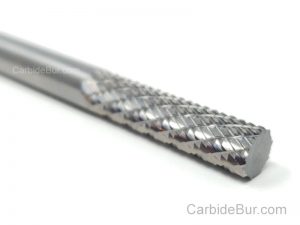
Have you checked out our selection of Carbide Bur Tools?
Essential Cleaning Tips
Caring for your carbide burs starts with cleaning. Proper cleaning ensures that your burs stay sharp and effective. Let’s dive into some essential cleaning tips to help you maintain your tools.
Best Practices for Burs
Keeping your burs in top shape means sticking to a routine. Here are some practices to follow:
-
Immediate Rinse: After each use, rinse burs under running water. This prevents debris from hardening.
-
Gentle Scrubbing: Use a soft brush to remove particles. Avoid using metal brushes that can damage the surface.
-
Proper Drying: Always dry burs thoroughly to prevent rust.
These steps make sure your burs remain sharp and ready for the next procedure.
Cleaning Carbide Burs
Cleaning carbide burs involves simple but effective steps. First, soak the burs in a mild detergent solution. This softens any debris. Next, gently scrub the burs with a soft brush. Finally, rinse them with clean water. This routine keeps your burs clean and extends their life. For more detailed instructions, refer to the Quala Instructions for Carbides.
Preventing Contamination
Contamination can occur if cleaning isn’t done right. Always separate different types of burs while cleaning. This prevents cross-contamination. Use gloves to handle burs, ensuring they stay sterile. By following these steps, you reduce the risk of contamination.
Autoclaving and Sterilization
After cleaning, sterilization is the next crucial step. It ensures that your burs are safe to use. Let’s explore how to autoclave and sterilize your burs effectively.
Autoclaving Burs Safely
Autoclaving is an efficient way to sterilize your burs. Here’s how to do it safely:
-
Proper Packing: Place burs in autoclave pouches. This keeps them organized and sterile.
-
Correct Settings: Set the autoclave to the recommended temperature and time for carbide burs.
-
Avoid Overloading: Don’t crowd the autoclave. Ensure there’s space for steam to circulate.
Following these steps ensures your burs are sterilized without getting damaged. For more information, check out this guide on sterilizing dental burs.
Carbide Burs Sterilization Techniques
Different techniques can be used for sterilizing carbide burs. Autoclaving is popular, but chemical sterilization is also effective. Using solutions like ethylene oxide gas can sterilize without heat. This is ideal for heat-sensitive burs. Choosing the right technique depends on your needs and equipment.
Sharpness Maintenance
Maintaining sharpness is crucial for efficient procedures. Regular inspection is key. Check for signs of dullness or damage. Replace burs as needed. Sharp burs ensure precision and save time during procedures.
Effective Storage Solutions
Storing your burs properly is just as important as cleaning and sterilizing. Proper storage extends the life of your burs. Let’s look at some effective solutions.
Storing Dental Burs
Storing burs correctly prevents damage. Use bur blocks with individual slots. This prevents burs from rubbing against each other and getting dull. Keep the blocks in a clean, dry area to maintain sterility. For more storage tips, visit the SurgiMac guide.
Extending Bur Life
To extend the life of your burs, handle them with care. Avoid dropping them, as this can cause chips. Regularly rotate burs to ensure even wear. Following these tips will make your burs last longer.
Maintenance of Carbide Burs
Ongoing maintenance is key to a long bur life. Regular cleaning, sterilization, and careful storage all contribute. By adhering to these practices, you maintain sharpness and prevent contamination. This not only saves money but also ensures better outcomes for your procedures. For a complete understanding of effective cleaning and sterilization, review this information from Public Health Ontario.
In summary, following these tips for cleaning, autoclaving, and storing your carbide burs will ensure they remain sharp and effective for years to come.
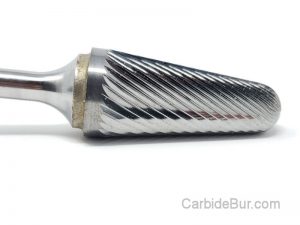
Find more information at CarbideBur.com
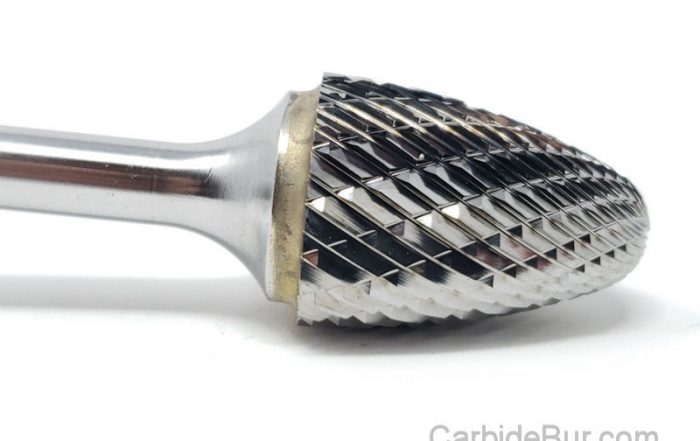
How to Stop Aluminum from Clogging Your Carbide Burr
How to Stop Aluminum from Clogging Your Carbide Burr Aluminum is widely used in automotive work, welding, metal fabrication, aerospace components, and general machining. It is lightweight, relatively easy to machine, and versatile across many [...]
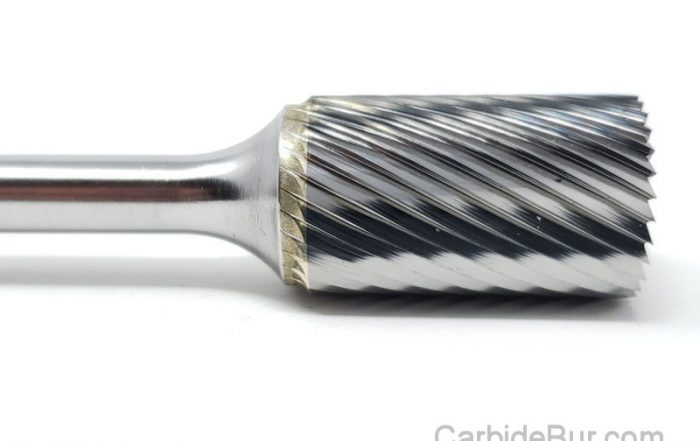
Carbide Burrs for Intake Manifolds: Shaping, Cleanup, and Fitment
Carbide Burrs for Intake Manifolds: Shaping, Cleanup, and Fitment Intake manifold work often involves more than simply bolting a component onto an engine. Depending on the application, metal intake components may have casting irregularities, rough [...]
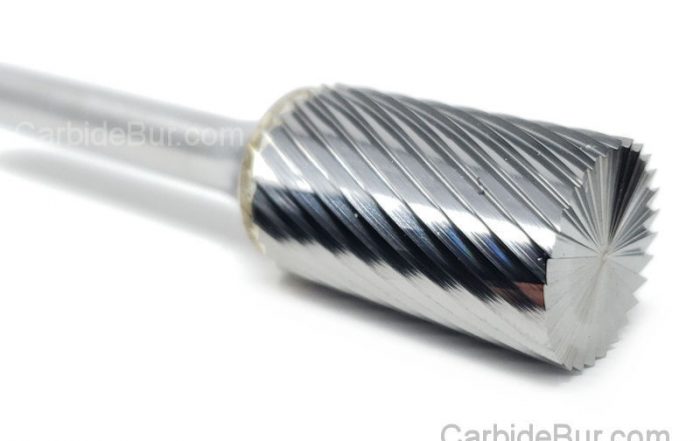
Why Long-Shank Carbide Burrs Are Useful for Hard-to-Reach Areas
Why Long-Shank Carbide Burrs Are Useful for Hard-to-Reach Areas When working on metal parts, the area that needs grinding or shaping is not always easy to reach. Recessed openings, deep cavities, interior surfaces, and complicated [...]
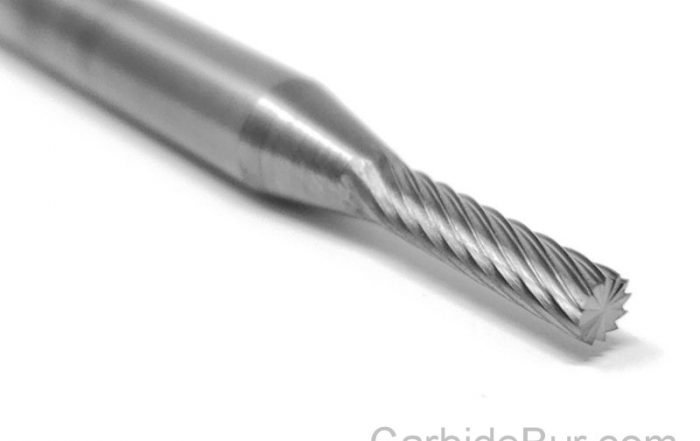
Choosing Carbide Burrs for Stainless Steel Fabrication
Choosing Carbide Burrs for Stainless Steel Fabrication Stainless steel is widely used in fabrication because of its corrosion resistance, strength, and durability. However, those same properties can make it challenging to machine and finish. Removing [...]
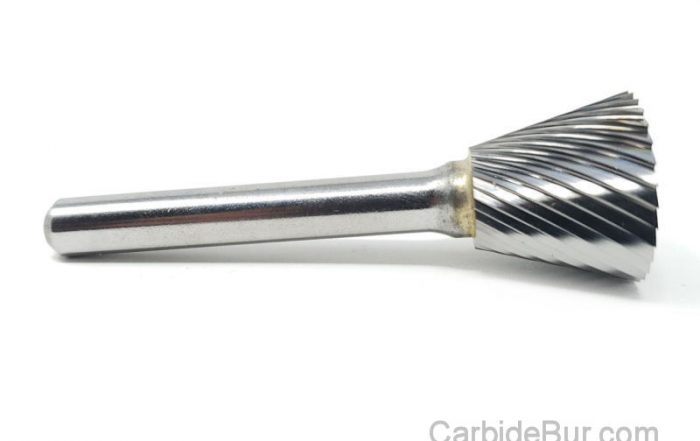
Can You Use Carbide Burrs in a Dremel? Shank Sizes Explained
Can You Use Carbide Burrs in a Dremel? Shank Sizes Explained If you use a Dremel or another rotary tool for detail work, metal shaping, or small fabrication projects, you may wonder whether you can [...]
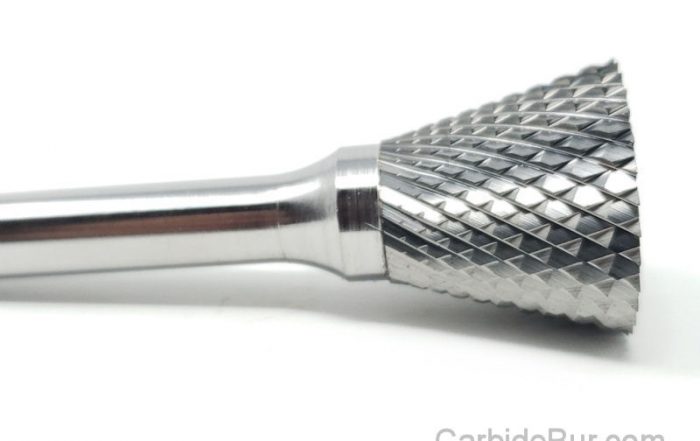
How to Choose the Best Carbide Burr for Welding and Metal Fabrication
How to Choose the Best Carbide Burr for Welding and Metal Fabrication Welding and metal fabrication often require more than joining two pieces of metal together. Once the welding is finished, fabricators frequently need to [...]
Carbide Burrs for Cylinder Heads: What Automotive Enthusiasts Need to Know
Carbide Burrs for Cylinder Heads: What Automotive Enthusiasts Need to Know Cylinder head work is an important part of engine building, restoration, and performance machining. Whether you are cleaning up casting imperfections, refining port surfaces, [...]
Engine Porting 101: How Carbide Burrs Help Shape Cylinder Head Ports
Engine Porting 101: How Carbide Burrs Help Shape Cylinder Head Ports Engine performance enthusiasts, automotive machinists, and engine builders often look for ways to improve airflow through an engine's cylinder heads. One technique used in [...]
When to Use a 4-Inch or 9-Inch Die Grinder Extension
When to Use a 4-Inch or 9-Inch Die Grinder Extension Metal fabrication, welding, automotive repair, and engine building often require working in places where a standard die grinder and carbide burr cannot easily reach. Recessed [...]
Why Buy USA-Made Carbide Burr Tools? What Buyers Should Compare
Why Buy USA-Made Carbide Burr Tools? What Buyers Should Compare When shopping for carbide burr tools, it's tempting to compare products based on price alone. However, professionals who use rotary cutting tools for welding, metal [...]
How to Use 1/8-Inch Rotary Bits with a Die Grinder
How to Use 1/8-Inch Rotary Bits with a Die Grinder Die grinders are popular tools for metalworking, fabrication, deburring, and precision material removal. However, many die grinders use a 1/4-inch collet, while smaller rotary tools [...]

Can You Use a Carbide Burr With an Electric Die Grinder?
Can You Use a Carbide Burr With an Electric Die Grinder? Most people don’t realize how much a carbide burr can change the way an electric die grinder works. Using the right burr type can [...]
