
The Ultimate Guide to Using Carbide Burs for Precise Deburring
Most metalworkers mess up by pushing too hard with carbide burs, causing breakage or annoying chatter. Running your tool at the wrong speed only heats things up and ruins the finish. Picking the wrong burr shape or skipping safety gear puts you at risk and wastes time. Learn how to spot these deburring mistakes and get the right technique down for cleaner, safer results with your carbide burr for deburring. For more insights, you can check out this resource.
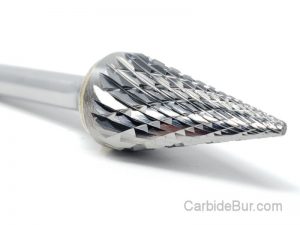
Click here to see our entire selection of USA made carbide bur tools
Common Deburring Mistakes
Understanding the common pitfalls in deburring can save you time and money. Let’s explore some frequent mistakes and how to avoid them.
Excessive Pressure in Machining
Pushing too hard with carbide burs is a common error. Carbide is brittle, and excessive force can lead to breakage. Imagine a carpenter trying to force a dull saw through wood. Instead of a clean cut, you get splinters and uneven edges.
-
Light pressure ensures a clean cut.
-
Avoid chatter by letting the tool do the work.
A gentle hand prevents damage and produces smoother results.
Incorrect Speed Issues
Using the wrong speed is another frequent mistake. High speeds can cause heat buildup, damaging both the tool and the workpiece. Imagine running a car engine at full throttle all the time. It overheats and wears out quickly.
-
Maintain optimal speed for your material.
-
Adjust settings based on material thickness.
Correct speed leads to better finishes and longer tool life.
Wrong Carbide Burr Shapes
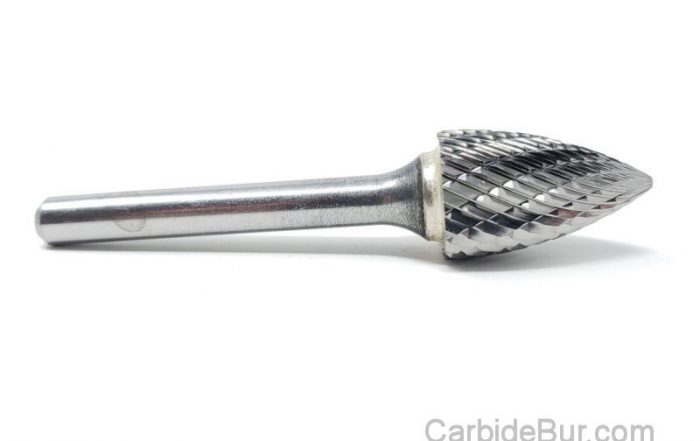
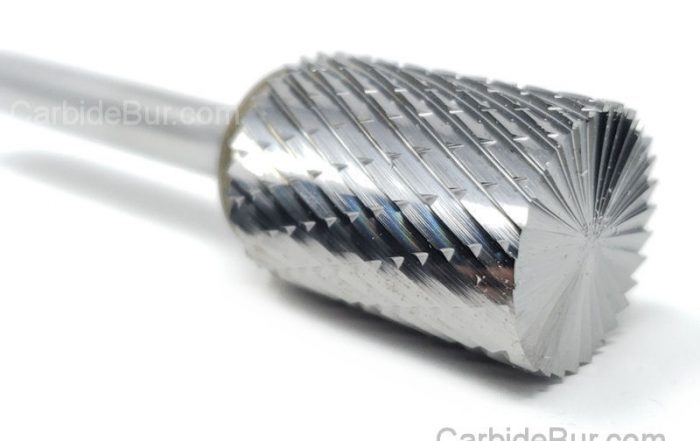
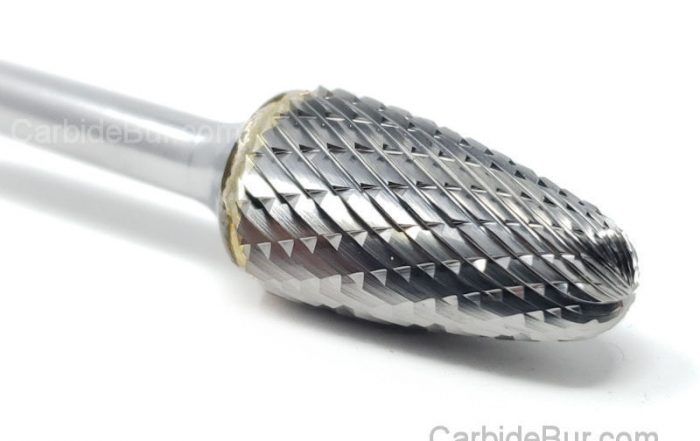
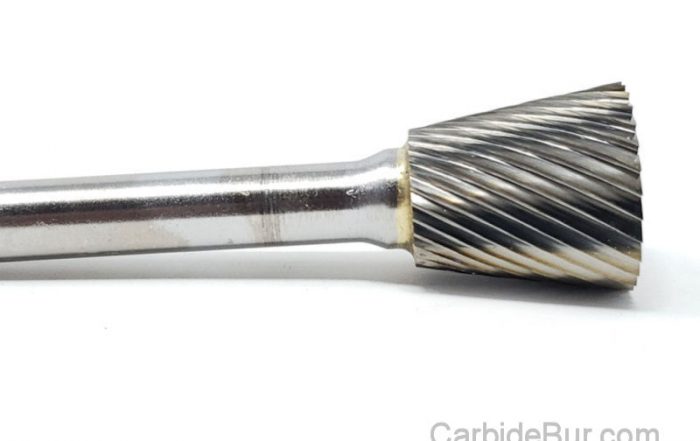
Selecting the wrong burr shape can hinder your progress. Different shapes are designed for specific tasks. Using a cylinder-shaped burr in tight corners is like trying to fit a square peg in a round hole.
-
Match the shape to the task.
-
Use pointed shapes for detailed work.
Choosing the right shape ensures precision and efficiency. For more information on selecting the correct burr shapes, visit CarbideBur.com.
Essential Deburring Tools
Having the right deburring tools at your disposal makes all the difference. Let’s delve into what you need to achieve the best results.
Choosing the Right Carbide Burs
Selecting the right carbide burs is crucial. High-quality burs cut cleaner and last longer. Think of them as the sharpest knife in the drawer. They make the task easier and more effective.
-
Ensure burs are high-quality.
-
Select burs based on material type.
Better burs mean cleaner cuts and longer tool life.
Die Grinder Bits for Deburring
Die grinders are a staple in the deburring process. The right bits make a significant impact. Picture using the correct-sized wrench on a bolt—it’s snug and efficient.
-
Choose bits that fit snugly.
-
Ensure compatibility with your tool.
Correct bits lead to precision and less wear on the tool. More insights can be found at Carbide Burr.
Selecting a Carbide Burr Set
A complete set provides versatility for various tasks. Picture a toolbox filled with just the tools you need.
-
Choose sets with diverse shapes.
-
Ensure sets are suited for different materials.
Having a complete set ensures you’re prepared for any job.
Metalworking Safety Tips
Safety is paramount in metalworking. Ensuring you and your workspace are safe can prevent accidents and enhance productivity.
Importance of Safety Gear
Safety gear is your first line of defense. Wearing gloves and eye protection shields you from debris and accidents. Imagine a knight going into battle without armor—it’s risky and unwise.
-
Always wear gloves and goggles.
-
Consider ear protection for loud tools.
Safety gear protects and allows you to focus on the task.
Secure Your Workpiece
Securing your workpiece is essential to avoid accidents. A loose piece is unpredictable, much like a moving target.
-
Use clamps to hold workpieces firmly.
-
Ensure stability before starting.
Secured workpieces lead to precise cuts and safer operations. For additional safety tips, you can read more here.
By following these guidelines, you can achieve cleaner and safer results with your carbide burrs. Remember, the right tools and techniques make all the difference in metalworking.
Click here to see our entire selection of USA made carbide bur tools
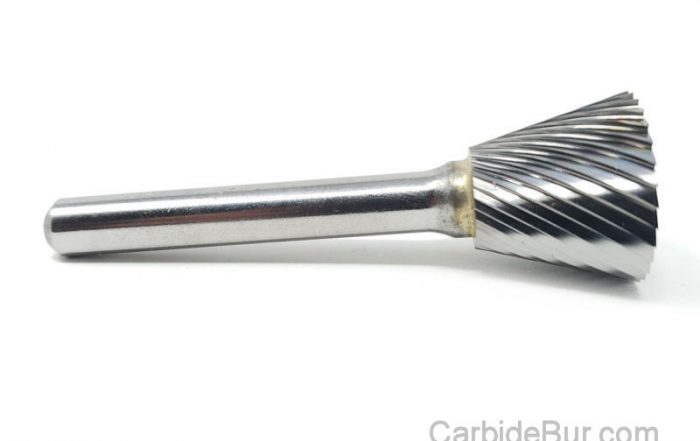
Can You Use Carbide Burrs in a Dremel? Shank Sizes Explained
Can You Use Carbide Burrs in a Dremel? Shank Sizes Explained If you use a Dremel or another rotary tool for detail work, metal shaping, or small fabrication projects, you may wonder whether you can [...]
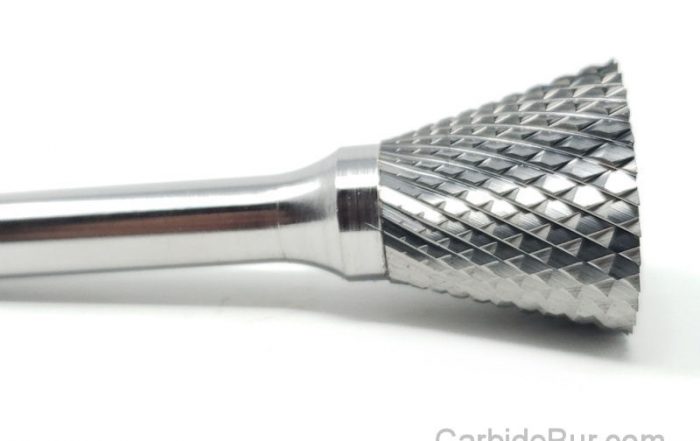
How to Choose the Best Carbide Burr for Welding and Metal Fabrication
How to Choose the Best Carbide Burr for Welding and Metal Fabrication Welding and metal fabrication often require more than joining two pieces of metal together. Once the welding is finished, fabricators frequently need to [...]
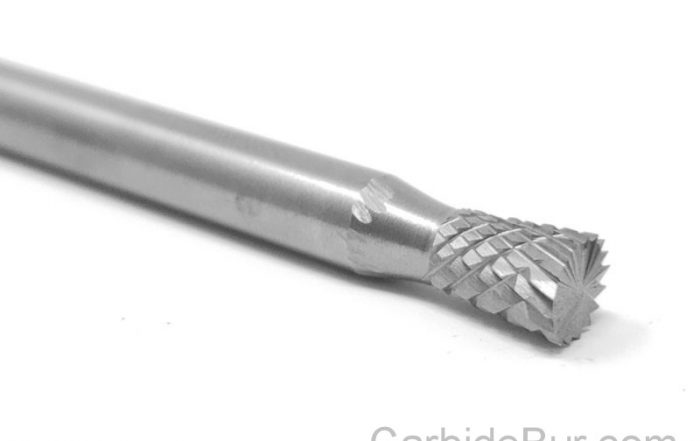
Carbide Burrs for Cylinder Heads: What Automotive Enthusiasts Need to Know
Carbide Burrs for Cylinder Heads: What Automotive Enthusiasts Need to Know Cylinder head work is an important part of engine building, restoration, and performance machining. Whether you are cleaning up casting imperfections, refining port surfaces, [...]
Engine Porting 101: How Carbide Burrs Help Shape Cylinder Head Ports
Engine Porting 101: How Carbide Burrs Help Shape Cylinder Head Ports Engine performance enthusiasts, automotive machinists, and engine builders often look for ways to improve airflow through an engine's cylinder heads. One technique used in [...]
When to Use a 4-Inch or 9-Inch Die Grinder Extension
When to Use a 4-Inch or 9-Inch Die Grinder Extension Metal fabrication, welding, automotive repair, and engine building often require working in places where a standard die grinder and carbide burr cannot easily reach. Recessed [...]
Why Buy USA-Made Carbide Burr Tools? What Buyers Should Compare
Why Buy USA-Made Carbide Burr Tools? What Buyers Should Compare When shopping for carbide burr tools, it's tempting to compare products based on price alone. However, professionals who use rotary cutting tools for welding, metal [...]
How to Use 1/8-Inch Rotary Bits with a Die Grinder
How to Use 1/8-Inch Rotary Bits with a Die Grinder Die grinders are popular tools for metalworking, fabrication, deburring, and precision material removal. However, many die grinders use a 1/4-inch collet, while smaller rotary tools [...]

Can You Use a Carbide Burr With an Electric Die Grinder?
Can You Use a Carbide Burr With an Electric Die Grinder? Most people don’t realize how much a carbide burr can change the way an electric die grinder works. Using the right burr type can [...]
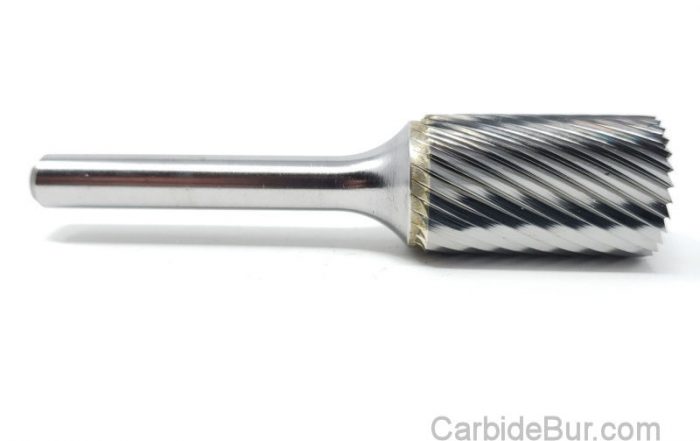
How to Deburr Holes With a Carbide Burr
How to Deburr Holes With a Carbide Burr Most people think any tool will do for deburring holes. The truth is, using the right carbide burr with the correct size and shape changes everything. In [...]
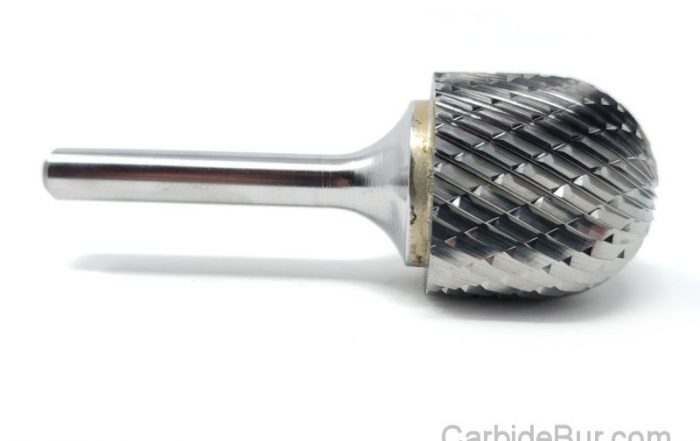
How to Choose the Correct Carbide Burr Shank Size
How to Choose the Correct Carbide Burr Shank Size Many machinists lose hours troubleshooting tool issues caused by the wrong carbide burr shank size. Using a shank that doesn’t fit your grinder can lead to [...]
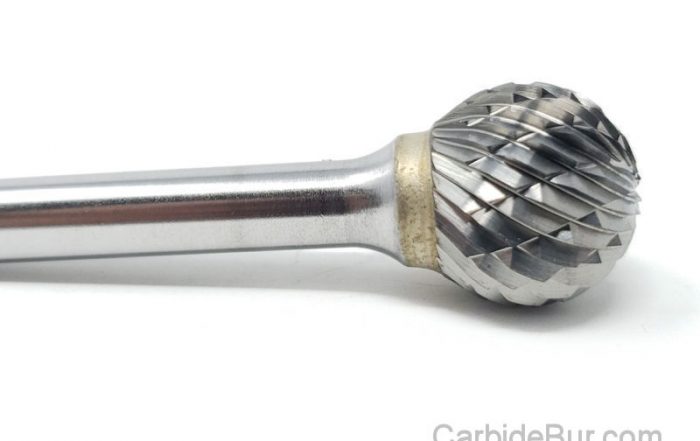
How to Remove Casting Flash With a Carbide Burr
How to Remove Casting Flash With a Carbide Burr Casting flash ruins the look and fit of your metal parts. You’ve tried sanding or grinding, but the results aren’t clean or fast enough. Learning how [...]
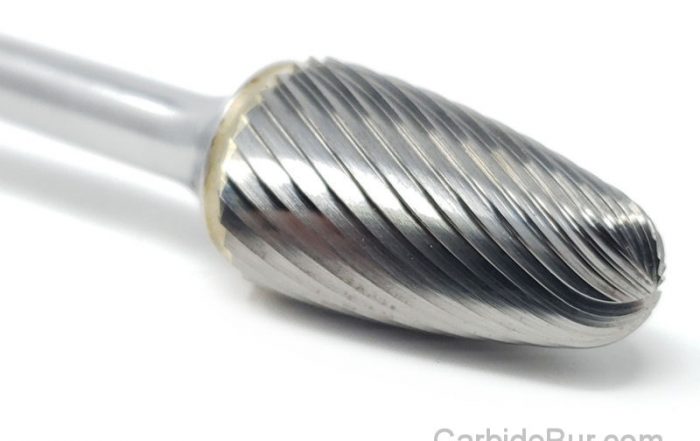
Best Carbide Burr for Enlarging a Hole in Metal
Best Carbide Burr for Enlarging a Hole in Metal When you need to enlarge a hole in metal, grabbing the wrong carbide burr can turn a simple task into a frustrating mess. Picking the best [...]
