
Practical Guide to Extend Carbide Burs Life and Cut Costs
Most dental professionals replace carbide burs far sooner than needed. This wastes money and slows down your work. By mastering proper usage of carbide burs and spotting early signs of wear, you can stretch their lifespan and reduce replacement costs. Keep reading to learn practical tips that protect your tools and save your budget. For more insights, check out this guide.
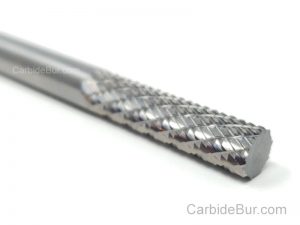
Have you checked out our selection of Carbide Bur Tools?
Strategies for Extending Carbide Burs Life
Unleashing the full potential of your carbide burs can significantly reduce unnecessary expenses. Let’s dive into strategies that ensure your tools last longer and perform better.
Proper Usage of Carbide Burs
Using carbide burs correctly is crucial. Start by matching the bur to the right task. Each type of bur is designed for specific procedures. Using the wrong one can lead to premature wear. Always maintain a steady speed and avoid unnecessary pressure. This minimizes friction, which in turn reduces heat—a primary factor in tool degradation.
In addition, keep your handpiece aligned with the bur to prevent undue stress. Misalignment can cause chipping or bending. Regular calibration of your handpiece can help maintain this alignment. Correct usage not only prolongs bur life but also enhances the quality of your dental work.
Avoiding Overuse in Practice
Overuse is a silent adversary to your burs. Continual use beyond their intended capacity weakens them. Rotate your inventory regularly to ensure even wear across all tools. This practice prevents one tool from bearing the brunt of your workload.
Implement a simple tracking system. Note the usage of each bur and establish a rotation schedule. Proper rotation ensures that no single bur becomes overburdened, thus extending the lifespan of your entire set.
Signs of Wear on Burs
Recognizing wear signs early can save you from costly replacements. Look for visible nicks or a dull appearance. These indicate that the bur has lost its edge.
If the bur isn’t cutting as efficiently, it’s time for inspection. Another sign is increased vibration during use. This can indicate a balance problem due to wear. Regular checks help you catch these signs before they become a problem. For more detailed signs, explore this comprehensive guide.
Best Practices for Carbide Burs Maintenance
Proper maintenance is the backbone of extending the life of your carbide burs. Let’s explore some routine practices and storage solutions that can make all the difference.
Routine Maintenance Techniques
Cleaning your burs after each use is non-negotiable. Residue from dental materials can cause corrosion. Use a soft brush and warm water to remove debris, then dry thoroughly. For deeper cleaning, ultrasonic cleaners are effective. Regular maintenance not only preserves the bur’s condition but also ensures optimal performance.
Visit this ultimate cleaning guide for more tips on keeping your burs in top shape.
Storage Solutions for Longevity
How you store your burs matters as much as how you use them. Keep them in a dry place, away from direct sunlight. Moist environments can cause rust even on carbide. Use storage cases designed to keep each bur separate. This prevents accidental chipping or bending.
Invest in a case with padded compartments. It offers protection during transport and storage. Proper storage is a simple step that drastically extends the life of your tools.
Common Mistakes to Avoid
Avoiding common pitfalls can save you significant time and money. One frequent mistake is using excessive force during procedures. This can damage both the bur and the workpiece. Also, neglecting to replace worn burs can compromise work quality and tool longevity.
To learn more about avoiding these mistakes, refer to this practical guide.
Economic Benefits of Prolonged Burs Lifespan
The financial benefits of extending your carbide burs’ life are clear. Let’s explore how you can reap these rewards.
Reduce Replacement Costs
Reducing how often you replace burs directly impacts your bottom line. Each bur you save from premature replacement puts money back into your budget. By following proper usage and maintenance, you can extend each bur’s life by up to 30%. This means fewer orders and lower overall costs.
Long-Term Savings for Practices
The savings extend beyond immediate costs. Over time, reduced replacement frequency results in significant financial benefits for your practice. These savings can be redirected towards new technology or expanding your services.
By implementing these strategies, you’re investing in the future of your practice. The longer you maintain your tools, the more you’ll save. For more maintenance strategies, visit Prodent’s maintenance tips.
By mastering these techniques and understanding the value of proper bur care, you empower your practice to operate more effectively and economically. Embrace these insights to enhance your practice’s efficiency and longevity.
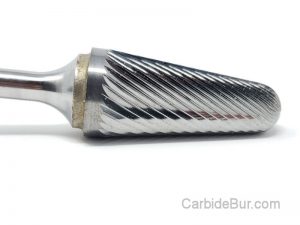
Find more information at CarbideBur.com
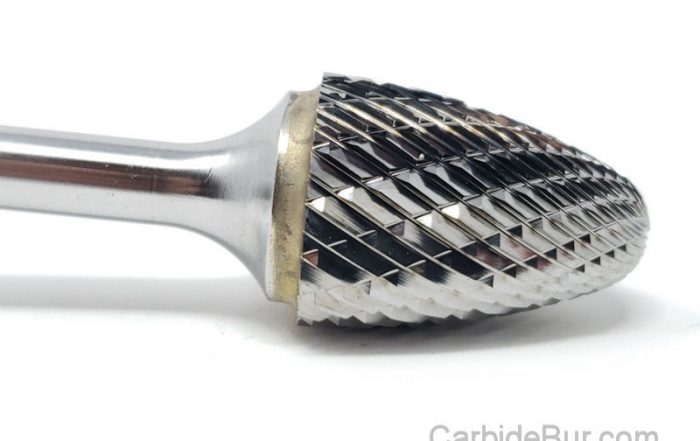
How to Stop Aluminum from Clogging Your Carbide Burr
How to Stop Aluminum from Clogging Your Carbide Burr Aluminum is widely used in automotive work, welding, metal fabrication, aerospace components, and general machining. It is lightweight, relatively easy to machine, and versatile across many [...]
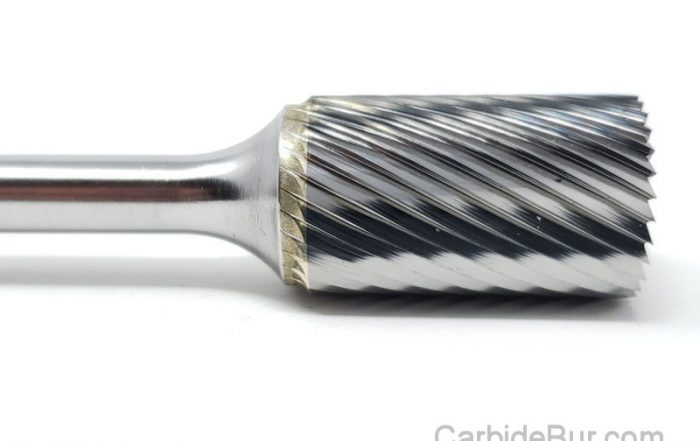
Carbide Burrs for Intake Manifolds: Shaping, Cleanup, and Fitment
Carbide Burrs for Intake Manifolds: Shaping, Cleanup, and Fitment Intake manifold work often involves more than simply bolting a component onto an engine. Depending on the application, metal intake components may have casting irregularities, rough [...]
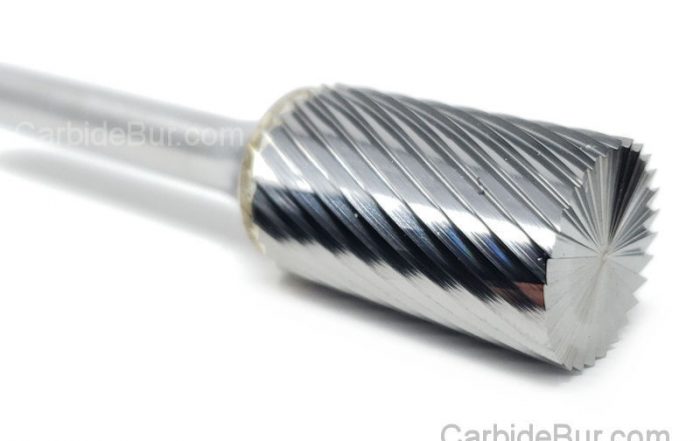
Why Long-Shank Carbide Burrs Are Useful for Hard-to-Reach Areas
Why Long-Shank Carbide Burrs Are Useful for Hard-to-Reach Areas When working on metal parts, the area that needs grinding or shaping is not always easy to reach. Recessed openings, deep cavities, interior surfaces, and complicated [...]
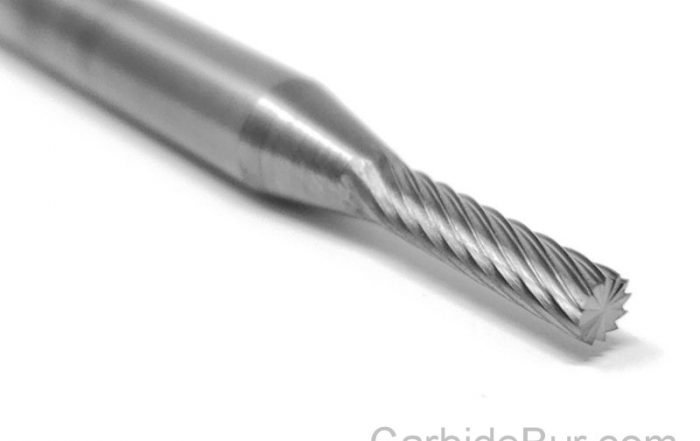
Choosing Carbide Burrs for Stainless Steel Fabrication
Choosing Carbide Burrs for Stainless Steel Fabrication Stainless steel is widely used in fabrication because of its corrosion resistance, strength, and durability. However, those same properties can make it challenging to machine and finish. Removing [...]
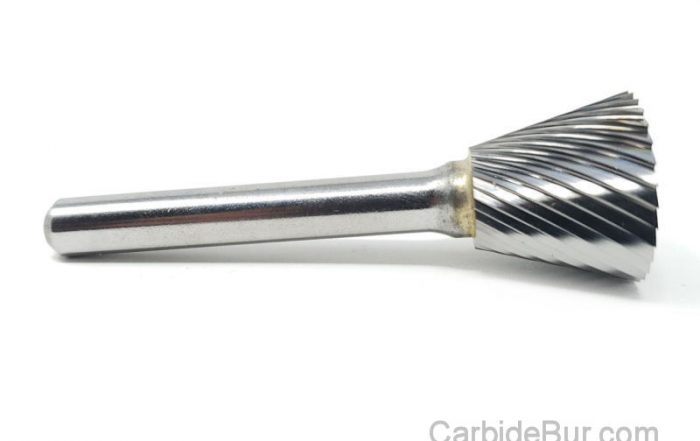
Can You Use Carbide Burrs in a Dremel? Shank Sizes Explained
Can You Use Carbide Burrs in a Dremel? Shank Sizes Explained If you use a Dremel or another rotary tool for detail work, metal shaping, or small fabrication projects, you may wonder whether you can [...]
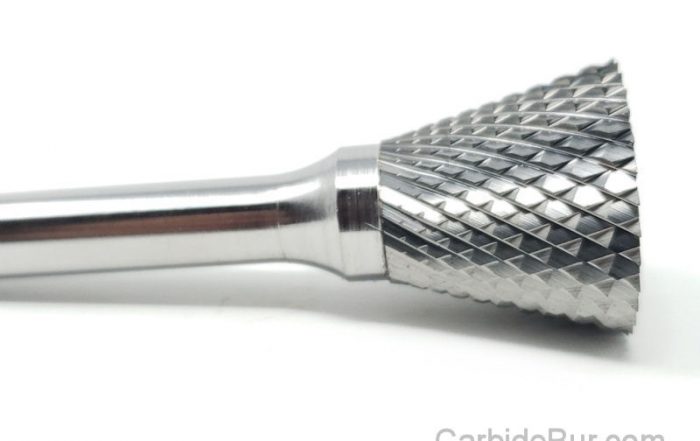
How to Choose the Best Carbide Burr for Welding and Metal Fabrication
How to Choose the Best Carbide Burr for Welding and Metal Fabrication Welding and metal fabrication often require more than joining two pieces of metal together. Once the welding is finished, fabricators frequently need to [...]
Carbide Burrs for Cylinder Heads: What Automotive Enthusiasts Need to Know
Carbide Burrs for Cylinder Heads: What Automotive Enthusiasts Need to Know Cylinder head work is an important part of engine building, restoration, and performance machining. Whether you are cleaning up casting imperfections, refining port surfaces, [...]
Engine Porting 101: How Carbide Burrs Help Shape Cylinder Head Ports
Engine Porting 101: How Carbide Burrs Help Shape Cylinder Head Ports Engine performance enthusiasts, automotive machinists, and engine builders often look for ways to improve airflow through an engine's cylinder heads. One technique used in [...]
When to Use a 4-Inch or 9-Inch Die Grinder Extension
When to Use a 4-Inch or 9-Inch Die Grinder Extension Metal fabrication, welding, automotive repair, and engine building often require working in places where a standard die grinder and carbide burr cannot easily reach. Recessed [...]
Why Buy USA-Made Carbide Burr Tools? What Buyers Should Compare
Why Buy USA-Made Carbide Burr Tools? What Buyers Should Compare When shopping for carbide burr tools, it's tempting to compare products based on price alone. However, professionals who use rotary cutting tools for welding, metal [...]
How to Use 1/8-Inch Rotary Bits with a Die Grinder
How to Use 1/8-Inch Rotary Bits with a Die Grinder Die grinders are popular tools for metalworking, fabrication, deburring, and precision material removal. However, many die grinders use a 1/4-inch collet, while smaller rotary tools [...]

Can You Use a Carbide Burr With an Electric Die Grinder?
Can You Use a Carbide Burr With an Electric Die Grinder? Most people don’t realize how much a carbide burr can change the way an electric die grinder works. Using the right burr type can [...]
