
Mastering Metalworking: Choosing the Perfect Burr Shape for Tight Corners
Tackling tight corners in metalworking can feel like a puzzle with no perfect piece. Using the wrong burr shape often means wasted time and uneven finishes. Picking the right precision burrs, like tapered, ball-shaped, or tree-shaped options, can make all the difference. This guide will break down which burr shapes work best for your toughest spots and how to choose the right metalworking tools for a clean, sharp finish every time. For more insights on burr shapes and their applications, check out this comprehensive guide.
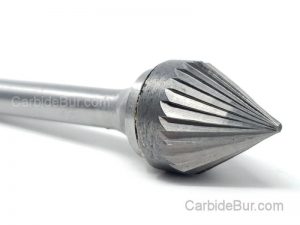
Which carbide bur tool shape do you use most?
Understanding Burr Shapes
Knowing the right burr shape can transform your metalworking projects. Why does burr selection matter so much? Let’s dive into it.
Importance of Burr Selection
Choosing the right burr can save you time and money. The wrong choice? It leads to a poor finish and wasted effort. Precision burrs come in many forms, each offering unique benefits. With the right one, you can achieve smooth results and tackle even the toughest corners with ease. Curious about how size affects your choice? Explore this handy guide on selecting the perfect burr size.
Types of Burr Shapes
Burrs come in three main shapes: tapered, ball-shaped, and tree-shaped. Each design serves a specific purpose in metalworking. Tapered burrs fit snugly into tight spaces, ball-shaped burrs create smooth curves, and tree-shaped burrs reach deep, awkward spots. Selecting the right shape can help you achieve the precise finish you desire.
Benefits of Each Shape
Tapered burrs are ideal for versatility. They adapt well to various angles and surfaces, making them a go-to for many projects. Ball-shaped burrs excel in creating smooth, rounded edges without leaving marks. Meanwhile, tree-shaped burrs provide extended reach, perfect for those hard-to-access areas. Knowing when to use each shape enhances your craft and improves your results.
Exploring Tight Corners
Navigating tight corners in metalwork requires skill and the right tools. Let’s explore how to master these challenging spots.
Challenges in Tight Spaces
Tight corners often present challenges, like limited visibility and restricted maneuvering space. These obstacles can lead to uneven finishes and frustration. However, understanding the intricacies of these spaces can empower you to work smarter, not harder.
Precision Burrs for Accuracy
Precision burrs are key in achieving accuracy in tight spots. They allow for controlled movements and detailed work. With options like tapered or ball-shaped burrs, you can create clean lines and smooth edges. Accuracy isn’t just about the tool, though; it’s about knowing how to use it effectively.
Techniques for Intricate Details
Intricate details require patience and technique. Start with slow, steady movements. Let the burr guide you, not the other way around. Practice makes perfect, and soon you’ll find that even the most complex details become second nature. Want more tips on mastering tricky details? Discover insightful techniques shared by fellow enthusiasts.

Selecting the Best Burr
Choosing the right burr shape can make a world of difference in your projects. Here’s how to select the best one for your needs.
Tapered Burr for Versatility
Tapered burrs offer versatility like no other. They adapt well to various tasks, from fine detailing to broad shaping. Need a tool that can handle multiple jobs? Tapered burrs are your best bet. Their adaptability makes them a favorite among professionals.
Ball-Shaped Burr for Curves
When it comes to curves, ball-shaped burrs are unmatched. They create smooth, rounded finishes effortlessly. Their shape allows for fluid movement, reducing the risk of mistakes. If curves are a significant part of your project, consider adding a ball-shaped burr to your toolkit.
Tree-Shaped Burr for Reach
Tree-shaped burrs excel in reaching deep, tight areas. Their extended shape allows for precise work in hard-to-access spots. They are perfect for tasks where other burrs fall short. Exploring tricky corners? A tree-shaped burr can be your secret weapon for precision work.
Tool Selection and Techniques
Selecting the right tools and mastering techniques can elevate your metalworking skills. Let’s see how you can make the most of your toolkit.
Choosing the Right Metalworking Tools
Selecting the right metalworking tools is crucial for success. Consider the material and the task at hand. Are you working with aluminum or steel? Each requires a different approach. Tool selection can significantly impact your results, making it essential to choose wisely.
Mastering Proper Technique
Technique is as important as the tool itself. Hold the burr at a consistent angle to ensure even cuts. Practice steady hand movements for the best results. Mastering technique can take time, but it’s a worthwhile investment in your craft.
Metal Finish Tips
Achieving a high-quality finish involves more than just the right burr. Consider the speed and pressure you apply. Too much pressure can lead to uneven surfaces. Aim for a smooth, consistent pace. For more on improving your metal finish, explore expert tips on choosing carbide burrs for metal.
Achieving a High-Quality Finish
A high-quality finish is the hallmark of a well-executed project. Here’s how to ensure yours shines every time.
Evaluating Material Compatibility
Not all burrs work well with every material. Consider the metal type when selecting your burr. Some burrs excel with softer metals, while others are better suited for harder ones. Evaluating compatibility ensures a smoother, more efficient process.
Ensuring Seamless Application
Seamless application is key to a professional finish. Ensure your tool is properly aligned and in good condition. Regular maintenance helps extend the life of your burrs, leading to better results. A seamless finish is a testament to your attention to detail.
Elevating Your Metalworking Skills
Elevate your skills by embracing challenges. Tackle new projects and experiment with different techniques. Continuous learning helps you grow as a metalworker. The longer you wait, the more you miss out on opportunities to improve. Take the plunge and see your skills soar.
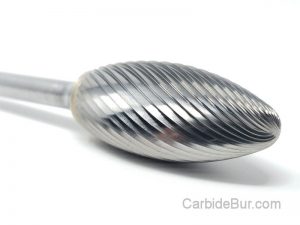
Looking for Carbide Bur Tools?
Check out our entire selection of USA made carbide bur die grinder tool bits
Follow us on Twitter

Return to CarbideBur.com
Carbide Burs – 1/4″ on 1/8″ Shanks – Accessories – Aluminum Cut – Bur Sets – End Mills – Long Shank – Solid Burs
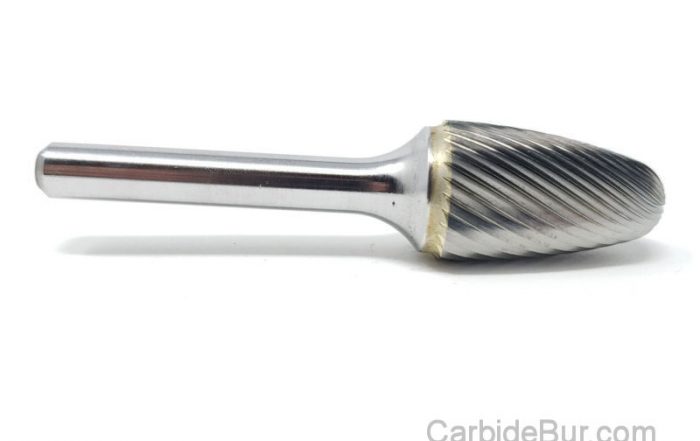
How to Grind a Groove in Metal With a Carbide Burr
How to Grind a Groove in Metal With a Carbide Burr Most metalworkers struggle to cut clean grooves without wasting time or ruining their workpiece. Many try different metalworking tools but end up with uneven [...]
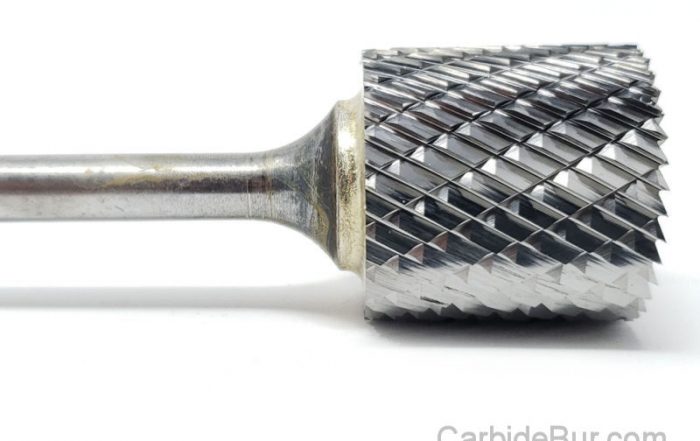
Can Carbide Burrs Cut Through Welds?
Can Carbide Burrs Cut Through Welds? Cutting through welds can feel like a battle, especially when you need clean results without harming the base metal. Carbide burrs offer a sharp edge in this fight, but [...]
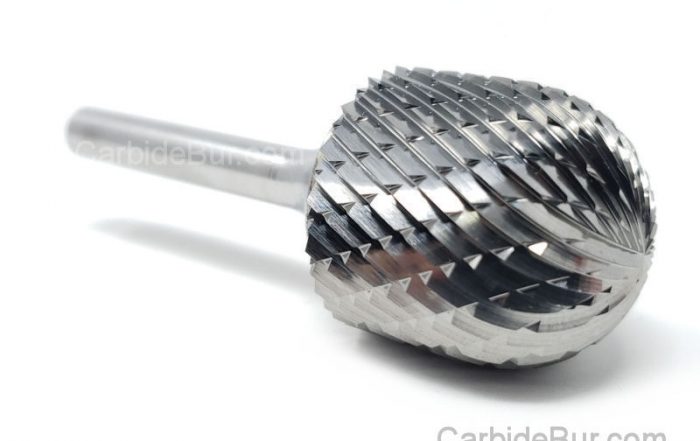
How to Use a Carbide Burr With a Die Grinder
How to Use a Carbide Burr With a Die Grinder Most people treat a carbide burr like just another tool, but using it with a die grinder takes skill. If you’ve struggled with burr installation [...]
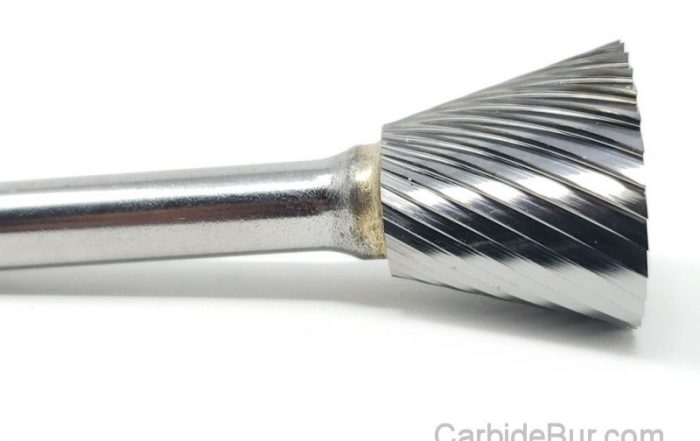
1/8 vs 1/4 Inch Carbide Burrs: What’s the Difference?
1/8 vs 1/4 Inch Carbide Burrs: What's the Difference? Choosing between a 1/8 inch carbide burr and a 1/4 inch carbide burr can change how your project turns out. Many machinists and hobbyists overlook how [...]
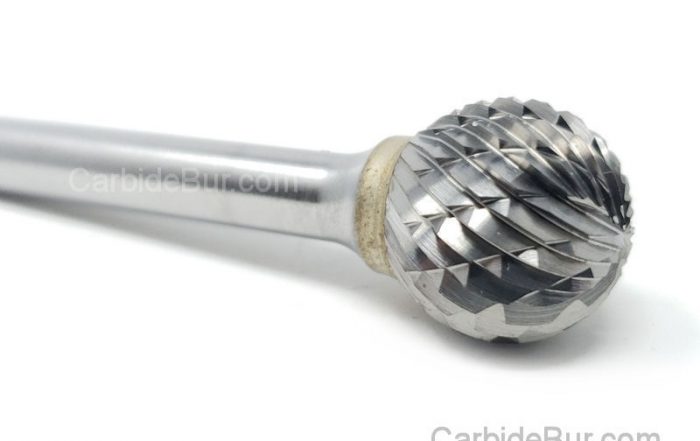
Best Carbide Burr for Removing Flash From Castings
Best Carbide Burr for Removing Flash From Castings Removing flash from castings is a task that can slow down your entire metalworking process if you don’t have the right tools. Picking the best carbide burr [...]
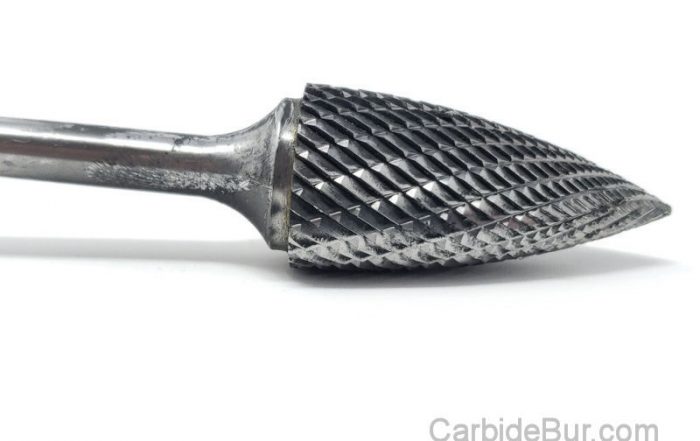
What RPM Should You Use for a 1/4 Inch Carbide Burr?
What RPM Should You Use for a 1/4 Inch Carbide Burr? Most machinists guess the right speed for a 1/4 inch carbide burr and hope for the best. Using the wrong carbide burr RPM can [...]
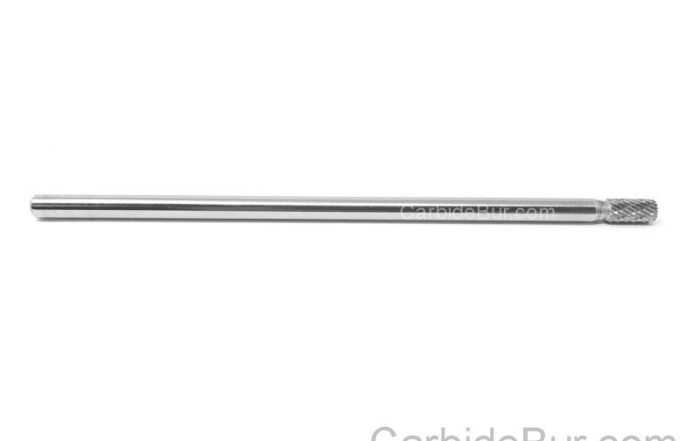
Long Shank Carbide Burrs: When Do You Need One?
Long Shank Carbide Burrs: When Do You Need One? Most machinists overlook the power of long shank carbide burrs until a project demands precision in tight spaces. When your usual tools can’t reach intricate contours, [...]
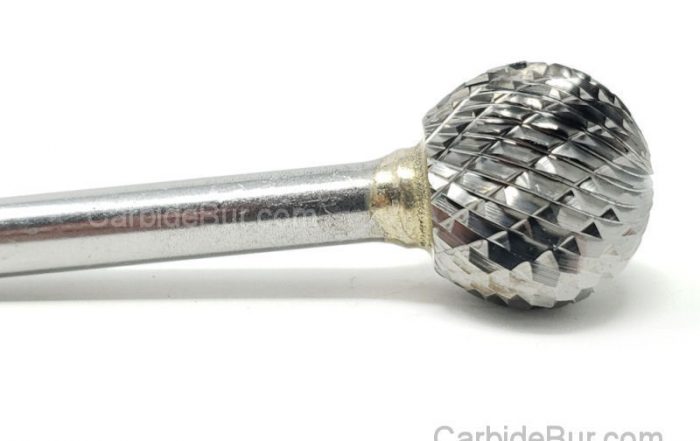
How Deep Can a Carbide Burr Cut Metal?
How Deep Can a Carbide Burr Cut Metal? Carbide burrs often get praised for their precision, but many users hit a wall wondering how deep they can actually cut metal. The truth is, cutting depth [...]
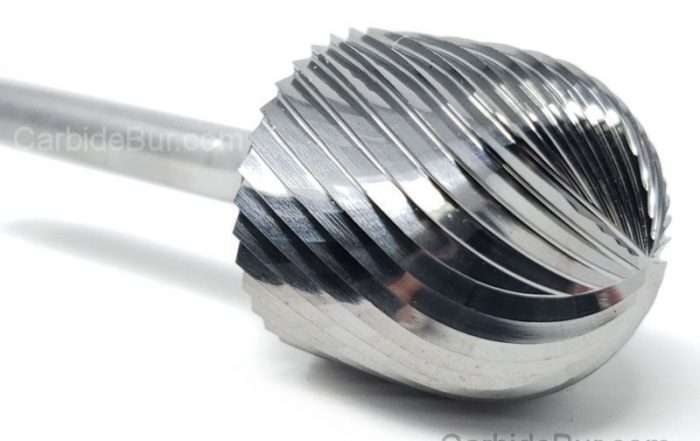
How to Use Carbide Burrs for Port Matching
How to Use Carbide Burrs for Port Matching Most engine builds hit a wall when airflow doesn’t flow smoothly between the ports and manifolds. If your engine isn’t breathing right, your performance stalls. Using the [...]
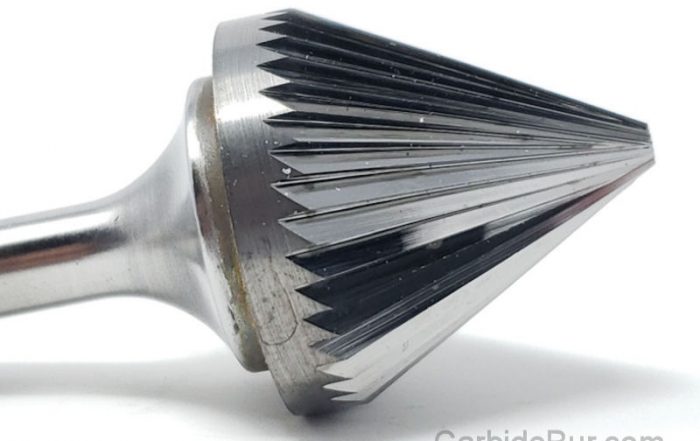
Best Carbide Burr for Porting Intake Manifolds
Best Carbide Burr for Porting Intake Manifolds Porting intake manifolds can make or break your engine’s airflow, yet many struggle with the right tools for the job. Choosing the best carbide burrs is key to [...]
Best Carbide Burr for Concave Surfaces
Best Carbide Burr for Concave Surfaces Concave surfaces can turn a straightforward project into a frustrating challenge if you don’t have the right tool. Carbide burrs designed for these tricky curves make all the difference [...]
How to Grind a Slot in Metal With a Carbide Burr
How to Grind a Slot in Metal With a Carbide Burr Grinding a precise slot in metal can feel like a tricky task, especially if you’re unsure which tools to trust. Carbide burr grinding offers [...]
