
The Ultimate Guide to Using Carbide Burs for Deburring Metals and More
Carbide burs cut through tough metals and delicate materials alike, but not all burs handle every job the same way. If you’ve struggled with clogged bits or uneven finishes, the right choice can change everything. This guide breaks down which carbide burs work best for deburring metals like ferrous and non-ferrous types, plus plastics and wood, so your next project runs smoother from start to finish. Check out this link for more insights.
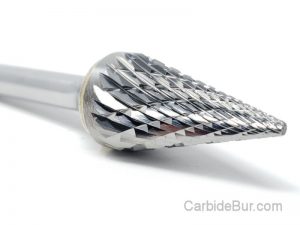
Click here to see our entire selection of USA made carbide bur tools
Introduction to Carbide Burs
When it comes to shaping and smoothing materials, few tools offer the precision of carbide burs. But what exactly are these powerful tools, and why should you use them? Let’s dive into their details.
What Are Carbide Burs?
Carbide burs are small cutting tools used in rotary tools like die grinders. Made from tungsten carbide, these burs are incredibly hard, allowing them to cut through a wide range of materials. They’re commonly used for deburring metals and shaping non-metal materials. With a carbide burr in hand, you can tackle tasks that require precision and durability.
Benefits of Using Carbide Burs
Carbide burs deliver several benefits in machining tasks. They stay sharp much longer than other materials, which saves you time on replacements. Plus, they provide smooth, clean cuts, reducing the need for additional finishing. Whether you’re working with tough metals or softer materials, carbide burs offer control and efficiency in your projects.
Deburring Techniques for Various Materials
Your choice of carbide bur can make all the difference in achieving the perfect finish. Knowing which bur to use for each material ensures optimal results.
Best Burs for Deburring Metals
Selecting the right bur for metals depends on whether you’re working with ferrous or non-ferrous types. For ferrous metals like steel, a double cut carbide burr provides the strength needed to handle these tough materials. For non-ferrous metals such as aluminum, an aluminum-cut burr works best to prevent clogging and ensure a smooth finish. Using the correct bur means less effort and more precise results.
Carbide Burrs for Non-Metal Applications
Carbide burs aren’t just for metals. They excel on non-metal materials like plastics and wood. A single cut carbide burr offers the precision needed for these softer materials, ensuring a clean finish without damage. When working with these, it’s important to use the right speed and pressure to avoid unnecessary wear on your burs. This adaptability makes carbide burs a versatile addition to any toolbox.
Choosing the Right Carbide Burr
Understanding the distinctions between different carbide burs can enhance your work quality. Let’s explore how to choose the right one for your tasks.
Single vs. Double Cut Carbide Burrs
The debate between single and double cut burs often comes down to the material and finish you desire. Single cut burs are ideal for softer metals, providing a smooth finish with less chatter. Double cut burs, on the other hand, are better for harder metals, offering efficient material removal. Knowing which to choose can improve the speed and quality of your work.
Selecting Carbide Burr Shapes for Deburring
The shape of your carbide bur is as crucial as the cut type. Different shapes serve different purposes, from cylindrical for flat surfaces to ball-shaped for curved edges. For detailed guidance on choosing the right shape, you can refer to this comprehensive guide. Making the right choice enhances both the precision and safety of your deburring tasks.
In conclusion, using the right carbide burs can transform your machining work. By choosing the appropriate bur type and shape, you ensure efficiency and quality in all your projects. Whether you’re a seasoned professional or a DIY enthusiast, mastering carbide burs can elevate your craft.
Click here to see our entire selection of USA made carbide bur tools
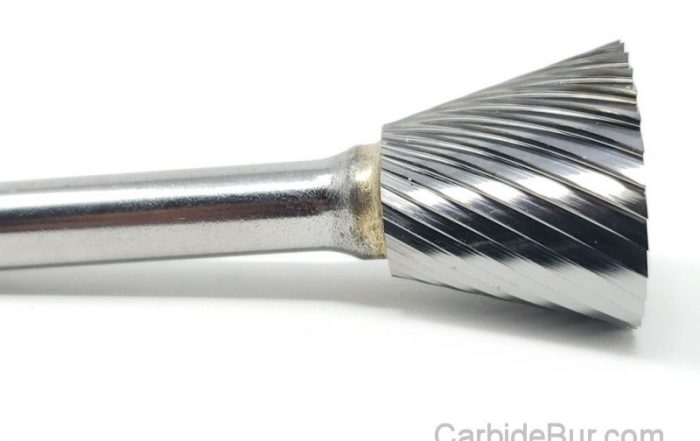
1/8 vs 1/4 Inch Carbide Burrs: What’s the Difference?
1/8 vs 1/4 Inch Carbide Burrs: What's the Difference? Choosing between a 1/8 inch carbide burr and a 1/4 inch carbide burr can change how your project turns out. Many machinists and hobbyists overlook how [...]
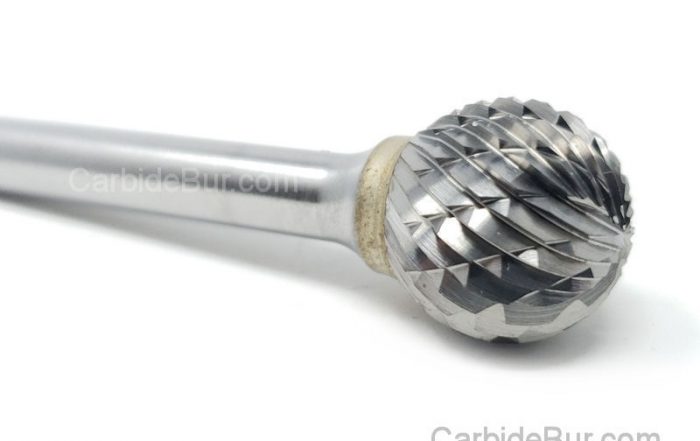
Best Carbide Burr for Removing Flash From Castings
Best Carbide Burr for Removing Flash From Castings Removing flash from castings is a task that can slow down your entire metalworking process if you don’t have the right tools. Picking the best carbide burr [...]
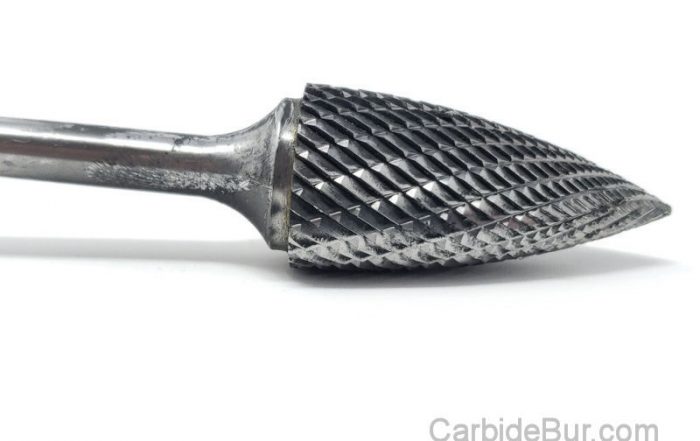
What RPM Should You Use for a 1/4 Inch Carbide Burr?
What RPM Should You Use for a 1/4 Inch Carbide Burr? Most machinists guess the right speed for a 1/4 inch carbide burr and hope for the best. Using the wrong carbide burr RPM can [...]
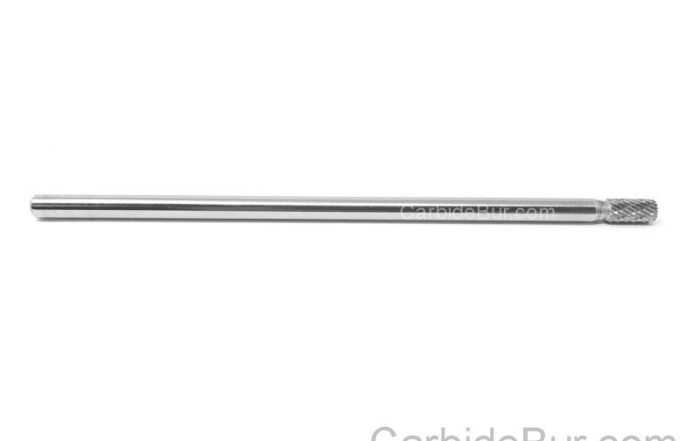
Long Shank Carbide Burrs: When Do You Need One?
Long Shank Carbide Burrs: When Do You Need One? Most machinists overlook the power of long shank carbide burrs until a project demands precision in tight spaces. When your usual tools can’t reach intricate contours, [...]
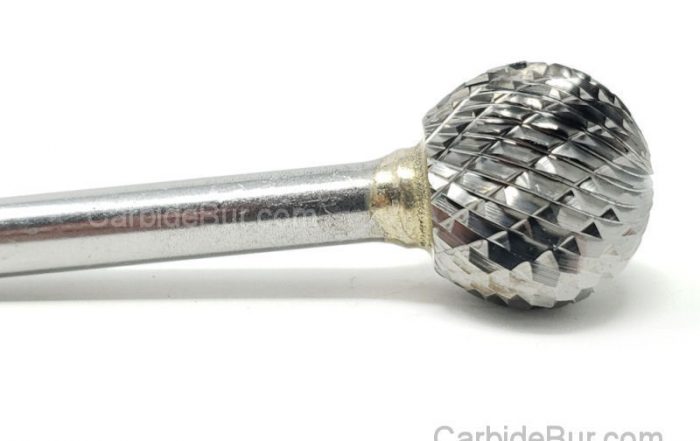
How Deep Can a Carbide Burr Cut Metal?
How Deep Can a Carbide Burr Cut Metal? Carbide burrs often get praised for their precision, but many users hit a wall wondering how deep they can actually cut metal. The truth is, cutting depth [...]
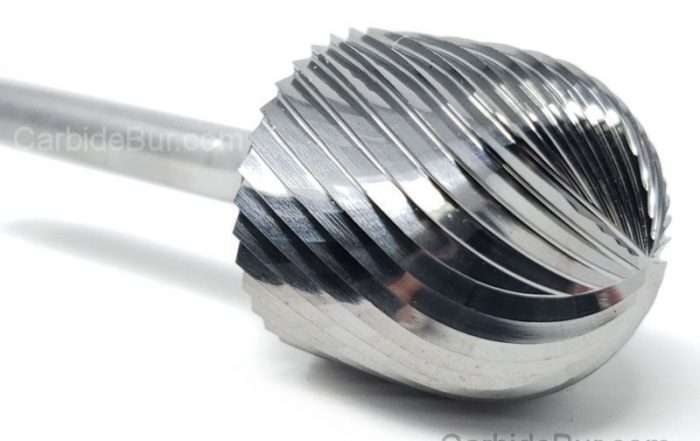
How to Use Carbide Burrs for Port Matching
How to Use Carbide Burrs for Port Matching Most engine builds hit a wall when airflow doesn’t flow smoothly between the ports and manifolds. If your engine isn’t breathing right, your performance stalls. Using the [...]
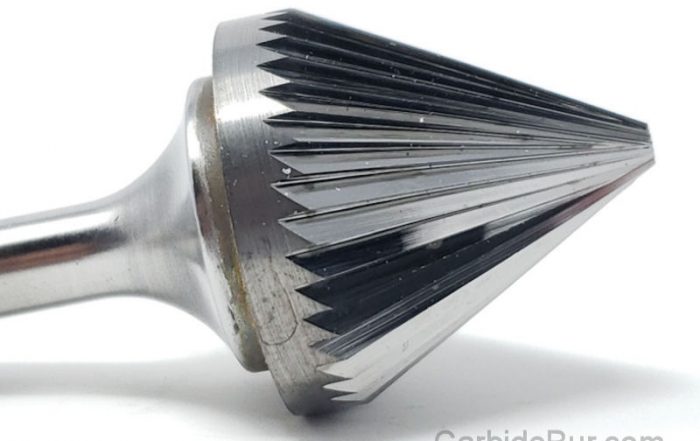
Best Carbide Burr for Porting Intake Manifolds
Best Carbide Burr for Porting Intake Manifolds Porting intake manifolds can make or break your engine’s airflow, yet many struggle with the right tools for the job. Choosing the best carbide burrs is key to [...]
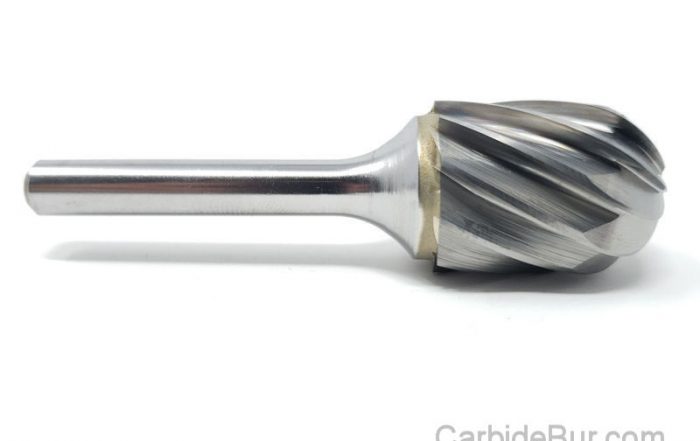
Best Carbide Burr for Concave Surfaces
Best Carbide Burr for Concave Surfaces Concave surfaces can turn a straightforward project into a frustrating challenge if you don’t have the right tool. Carbide burrs designed for these tricky curves make all the difference [...]
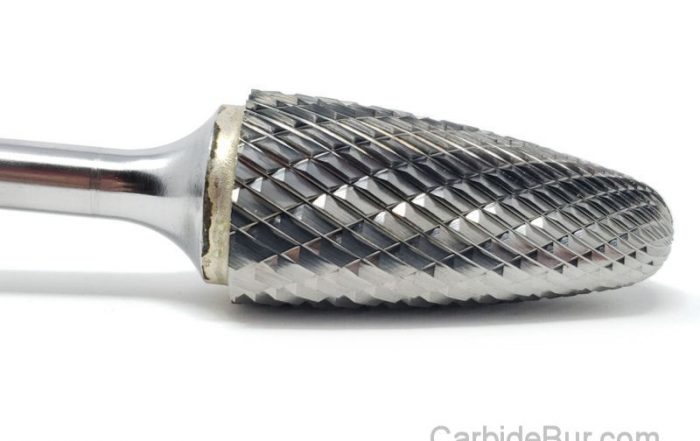
How to Grind a Slot in Metal With a Carbide Burr
How to Grind a Slot in Metal With a Carbide Burr Grinding a precise slot in metal can feel like a tricky task, especially if you’re unsure which tools to trust. Carbide burr grinding offers [...]

Best Carbide Burr for Inside Corners
Best Carbide Burr for Inside Corners Working in tight inside corners can turn even simple projects into frustrating tasks. Many carbide burrs just don’t fit or cut cleanly where you need them most. The best [...]
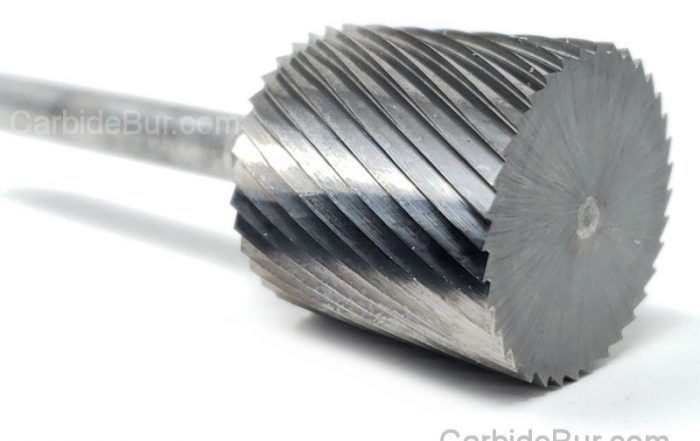
What Size Carbide Burr Do I Need?
What Size Carbide Burr Do I Need? Picking the wrong carbide burr can turn a simple project into a frustrating mess. You might have the best machining tools but still miss the mark if your [...]
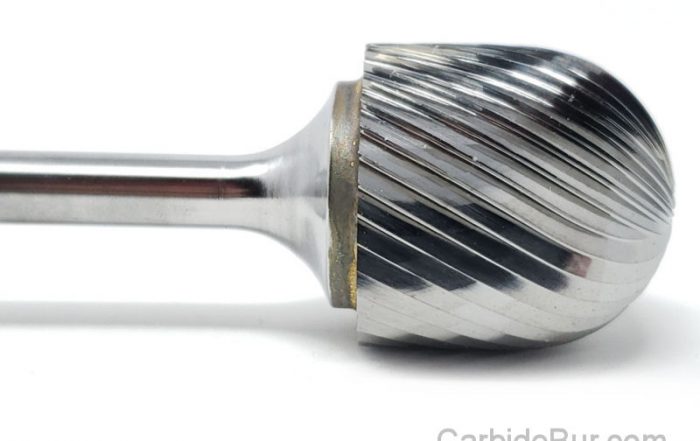
How to Smooth Sharp Metal Edges With a Carbide Burr
How to Smooth Sharp Metal Edges With a Carbide Burr Sharp metal edges can turn your project from professional to risky in seconds. If you’ve struggled with smoothing metal edges without scratching or weakening the [...]
