
The Ultimate Guide to Using Die Grinders in Metal Fabrication
Most metal fabricators struggle with using die grinders without wasting time or damaging their work. You might own the right tools but still miss key techniques that make cutting and polishing smoother and faster. This guide shares die grinder tips that help you pick the right attachments and sharpen your skills, so your metal fabrication results get cleaner and more precise every time. Learn more about die grinders here.
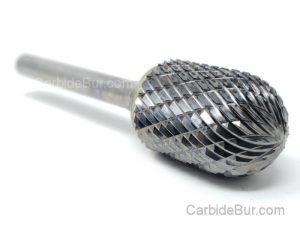
Have you tried our Carbide Burs for your job?
Choosing the Right Die Grinder
Selecting the perfect die grinder can significantly impact your metalworking projects. The right choice will make your tasks smoother and more rewarding.
Key Factors to Consider
When choosing a die grinder, pay attention to motor power and speed control. A powerful motor ensures you can handle tougher materials. Look for variable speed options, as they offer more flexibility for different tasks. Consider the size and weight of the tool. A lighter grinder is easier to maneuver, especially for longer projects. Finally, think about comfort and grip. A comfortable grip reduces fatigue and improves accuracy.
Popular Brands and Models
Some brands stand out in the world of die grinders. DeWalt and Makita are known for durability and performance. Their models often come with ergonomic designs that fit comfortably in your hand. Discover more about top brands here. If you’re on a budget, consider Ingersoll Rand. They offer reliable tools at competitive prices. Each brand has unique features, so choosing the right one depends on your specific needs.
Comparing Electric and Pneumatic Options
Electric and pneumatic die grinders each have their benefits. Electric models are convenient. They don’t require an air compressor, making them great for home use. However, they might lack the power needed for industrial tasks. Pneumatic models, on the other hand, offer more consistent power and are typically lighter. They are ideal for heavy-duty work but need an air source. Explore a detailed comparison here.
Essential Die Grinder Attachments
Now that you’ve chosen a die grinder, it’s time to explore the attachments. The right accessories can transform your tool’s capabilities.
Types of Attachments
Die grinders are versatile thanks to their diverse attachments. Grinding wheels are perfect for heavy material removal. Sanding discs smooth surfaces and prepare them for finishing. Cut-off wheels are excellent for cutting through metal. For detailed work, carbide bur attachments are essential. They allow for precise shaping and detailing. Select attachments based on your specific project needs.
Choosing the Best Carbide Bur
Finding the right carbide bur can enhance your metalworking. Look for high-quality materials that withstand wear. Shape and size are crucial. Different shapes serve different purposes. For instance, cylindrical burs are great for flat surfaces, while ball-shaped ones help with rounded edges. Testing a few options will reveal which works best for your tasks. Learn more about choosing carbide burs.
Maintenance Tips for Attachments
Proper maintenance prolongs the life of your attachments. Clean them regularly to prevent material build-up. Use a soft brush or cloth for this. Inspect attachments for any signs of wear and replace them if needed. Always store them in a dry, safe place to avoid damage. Regular checks ensure your tools remain effective and safe.
Techniques for Cutting and Grinding
Mastering cutting and grinding with a die grinder opens up a world of possibilities. Here’s how to get the best results.
Precision Cutting Methods
Precision is key in cutting. Start by marking your cut line clearly. Use steady, controlled movements to follow your line. A cut-off wheel is ideal for straight cuts, while a carbide bur can tackle intricate shapes. Practice maintaining a consistent angle for smooth edges. Explore more cutting techniques here.
Effective Grinding Techniques
For effective grinding, choose the right grinding wheel. Match the wheel’s abrasive material to your metal type. Apply consistent pressure without forcing the tool. Let the grinder’s weight do the work. Moving too fast can create uneven surfaces. Practice makes perfect, so keep refining your technique.

Safety Tips for Metal Fabrication
Safety can’t be ignored in metal fabrication. Always wear protective gear, including gloves and goggles. Ensure your workspace is tidy to avoid accidents. Keep a fire extinguisher nearby when working with sparks. Regularly check your tools for faults. Safety first ensures you can keep creating.
Polishing and Finishing Metal Surfaces
Polishing and finishing take metalwork to the next level. It’s all about that final, impressive look.
Achieving a Mirror Finish
Achieving a mirror-like finish requires patience. Start with rough sanding to remove imperfections. Gradually move to finer grits for smoothing. Use a polishing compound for that glossy shine. Apply it with a soft cloth or buffing wheel. Take your time for the best results.
Common Polishing Mistakes
Avoid common polishing pitfalls by being aware. Skipping grits can leave scratches. Applying too much pressure can cause heat damage. Always clean the surface before changing grits. Patience and attention to detail are your best allies.
Tools for the Perfect Finish
Selecting the right tools makes a difference. A variable speed buffer gives you control. Polishing pads and compounds suited for your metal type deliver superior results. Invest in quality tools for a flawless finish.
Enhancing Your Metalworking Efficiency
Improving your workflow can save you time and effort. Here’s how to enhance your metalworking efficiency.
Organizing Your Workspace
An organized workspace boosts productivity. Arrange tools for easy access. Use pegboards or shelves to keep your area tidy. Label storage bins for quick identification. A clutter-free space reduces stress and increases focus.
Time-Saving Tips for Fabricators
Efficiency comes with smart habits. Pre-plan your projects to avoid mistakes. Group similar tasks together for smoother workflow. Set specific goals for each work session. Remember, time saved means more projects completed.
Continuous Learning and Improvement
Stay ahead by continuously learning. Join online forums to share tips and experiences with others. Explore community discussions and insights. Attend workshops or watch tutorials to hone your skills. Knowledge is power, and it keeps your work fresh and exciting.
By following these die grinder tips, you’ll notice a significant improvement in your metal fabrication projects. From selecting the right tools to mastering techniques, each step enhances your craftsmanship. Keep experimenting and learning for continued growth.
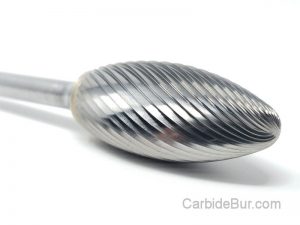
Looking for Carbide Bur Tools?
Check out our entire selection of USA made carbide bur die grinder tool bits
Follow us on Twitter

Return to CarbideBur.com
Carbide Burs – 1/4″ on 1/8″ Shanks – Accessories – Aluminum Cut – Bur Sets – End Mills – Long Shank – Solid Burs
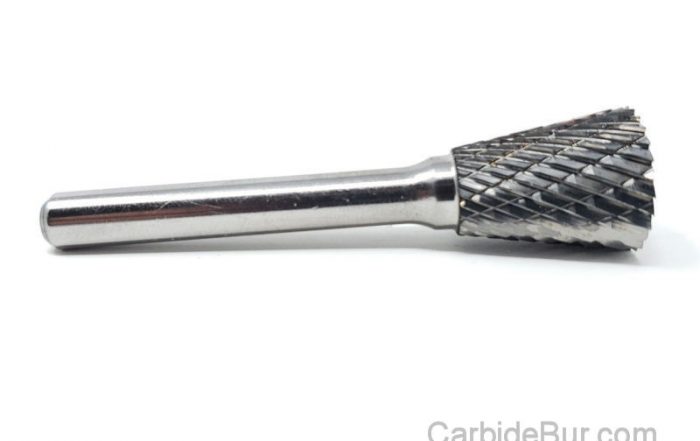
Carbide Burrs for Removing Rust: What Works Best?
Carbide Burrs for Removing Rust: What Works Best? Rust can turn your favorite tools into useless junk faster than you expect. Removing it without ruining the metal underneath takes more than just elbow grease—it demands [...]
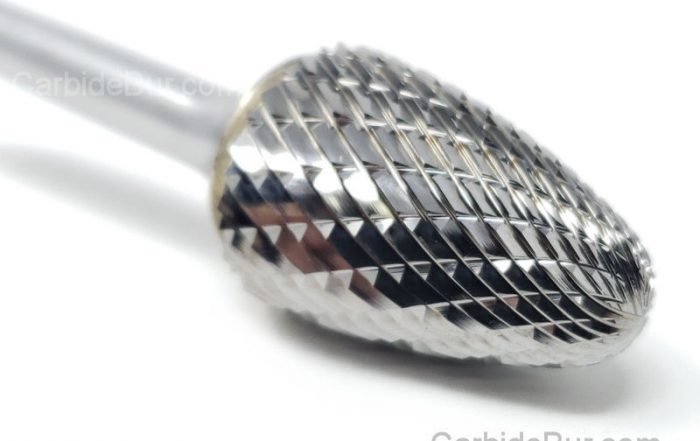
How Much Pressure Should You Use With a Carbide Burr?
How Much Pressure Should You Use With a Carbide Burr? Most people think pressing harder with a carbide burr speeds up the job. That’s not true—too much pressure wears out your tool and ruins the [...]
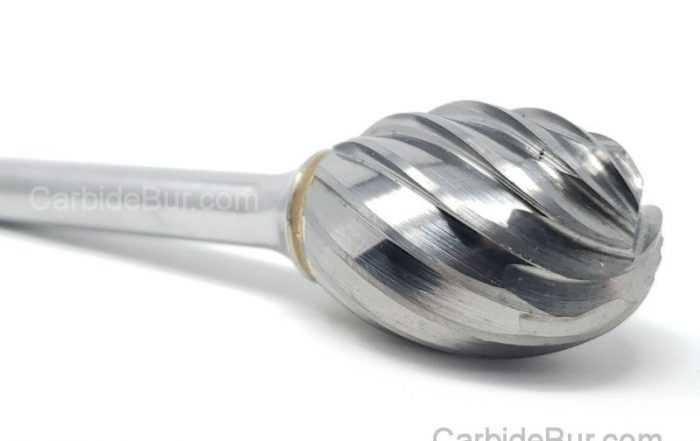
Can You Use Carbide Burrs With an Air Die Grinder?
Can You Use Carbide Burrs With an Air Die Grinder? Most people don’t realize how well carbide burrs work with air die grinders until they try them. If you’ve ever struggled with finding the right [...]
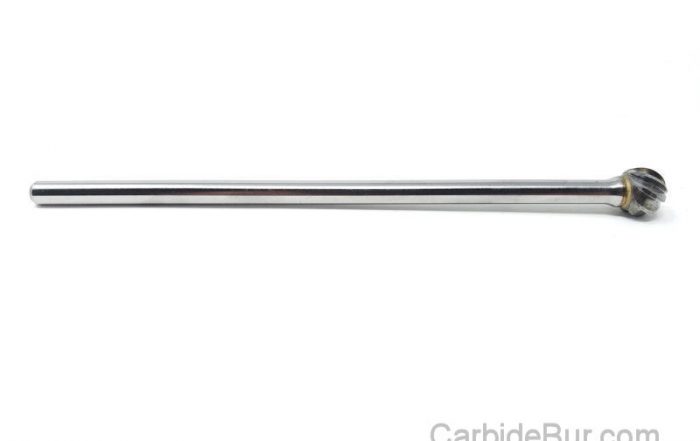
Best Long Reach Carbide Burr for Deep Metal Work
Best Long Reach Carbide Burr for Deep Metal Work Long reach carbide burrs often promise deep metal access, but many fall short where it counts most. You need a tool that cuts cleanly, lasts through [...]
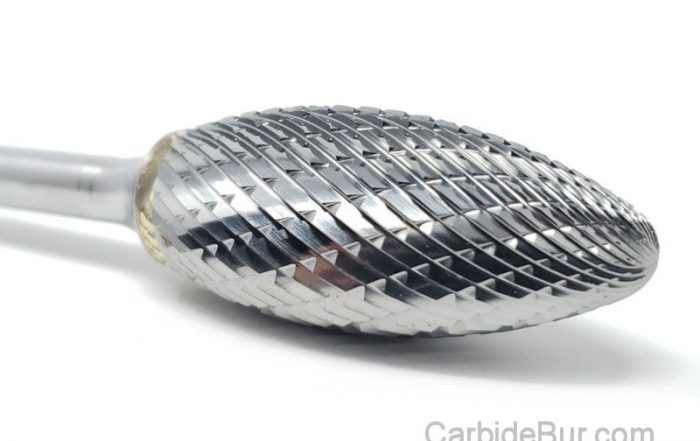
What RPM Should You Use for a 1/8 Inch Carbide Burr?
What RPM Should You Use for a 1/8 Inch Carbide Burr? Most people guess the right carbide burr RPM by feel—and waste hours redoing work. If you want cleaner cuts and longer tool life, your [...]
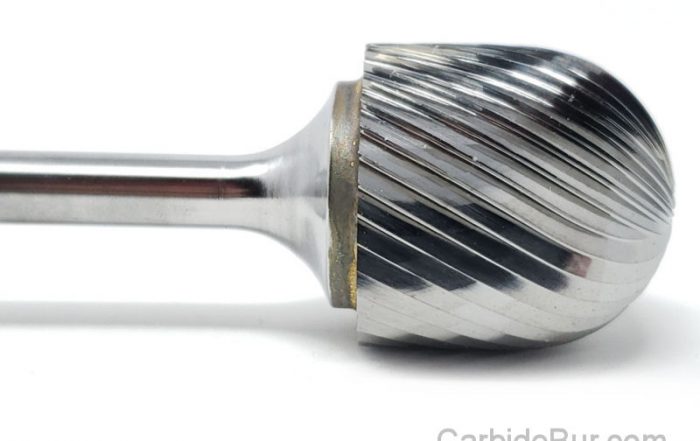
Carbide Burrs for Tight Spaces: Choosing the Right Shape
Carbide Burrs for Tight Spaces: Choosing the Right Shape Tackling tight spaces with the wrong carbide burrs wastes time and risks damaging your work. Choosing the right burr shape makes all the difference when working [...]
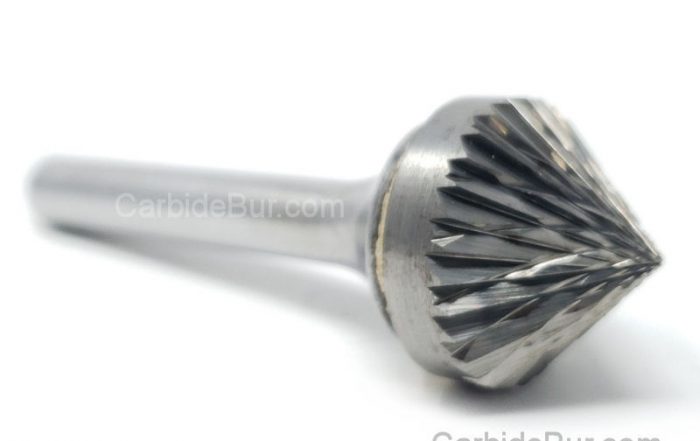
Can Carbide Burrs Remove Paint From Metal?
Can Carbide Burrs Remove Paint From Metal? Stripping paint from metal often feels like a tough chore that risks damaging the surface underneath. Many turn to carbide burrs hoping they can speed things up without [...]
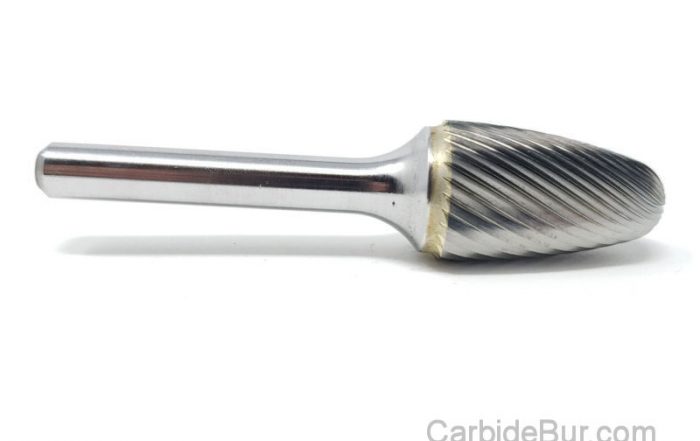
How to Grind a Groove in Metal With a Carbide Burr
How to Grind a Groove in Metal With a Carbide Burr Most metalworkers struggle to cut clean grooves without wasting time or ruining their workpiece. Many try different metalworking tools but end up with uneven [...]
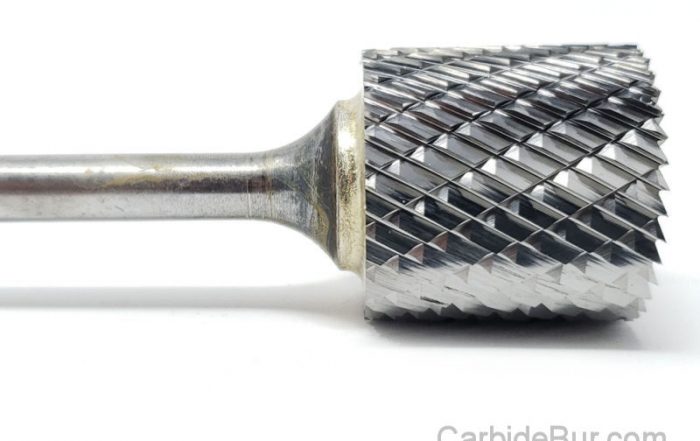
Can Carbide Burrs Cut Through Welds?
Can Carbide Burrs Cut Through Welds? Cutting through welds can feel like a battle, especially when you need clean results without harming the base metal. Carbide burrs offer a sharp edge in this fight, but [...]
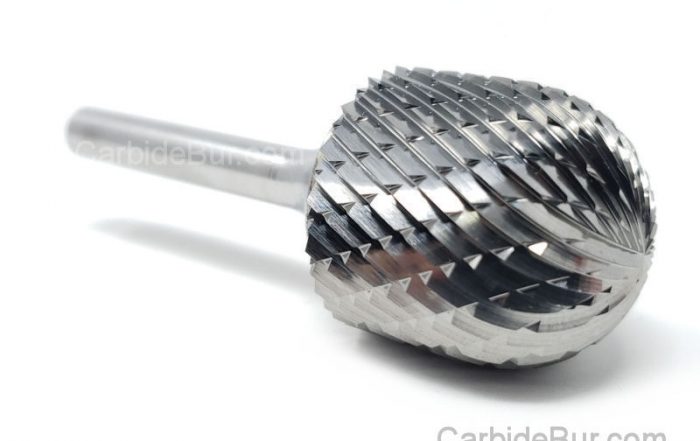
How to Use a Carbide Burr With a Die Grinder
How to Use a Carbide Burr With a Die Grinder Most people treat a carbide burr like just another tool, but using it with a die grinder takes skill. If you’ve struggled with burr installation [...]
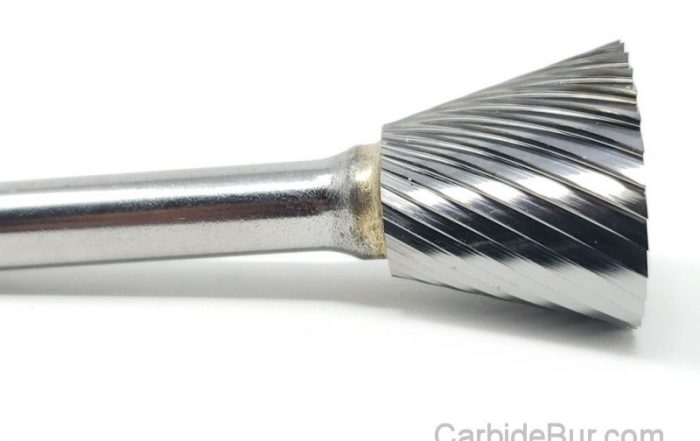
1/8 vs 1/4 Inch Carbide Burrs: What’s the Difference?
1/8 vs 1/4 Inch Carbide Burrs: What's the Difference? Choosing between a 1/8 inch carbide burr and a 1/4 inch carbide burr can change how your project turns out. Many machinists and hobbyists overlook how [...]
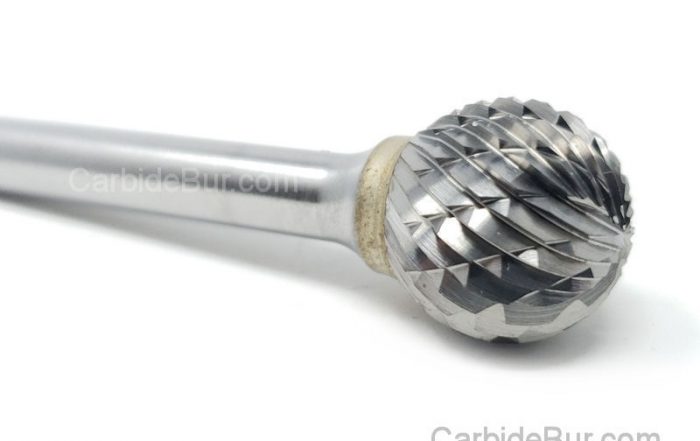
Best Carbide Burr for Removing Flash From Castings
Best Carbide Burr for Removing Flash From Castings Removing flash from castings is a task that can slow down your entire metalworking process if you don’t have the right tools. Picking the best carbide burr [...]
