
Essential Deburring Tips: How to Use Carbide Burs for Flawless Finishes
Chatter marks can ruin hours of work when using carbide burs for deburring. You know the frustration of uneven finishes and wasted time all too well. This guide shares simple deburring tips that help you prevent chatter marks and achieve smooth cutting actions every time. Ready to polish your skills and get flawless results? Check out this resource for more insights: [https://www.carbidebur.com/the-power-of-high-quality-carbide-tools-for-flawless-deburring/].
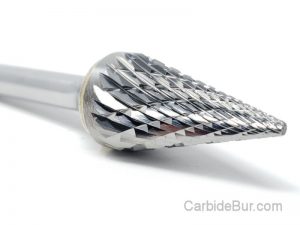
Click here to see our entire selection of USA made carbide bur tools
Mastering Carbide Burs for Deburring
Understanding how to use carbide burs effectively can transform your metalworking projects. Let’s start by exploring the fundamentals to ensure your deburring efforts yield smooth and precise finishes.
Choosing the Right Carbide Burr
Picking the right burr is crucial. Different materials and shapes serve specific purposes. For instance, a double cut carbide burr works best on hard metals like steel, while softer metals like aluminum benefit from a single cut carbide burr. Also, consider the size. Smaller diameters allow for more detailed work. If you’re working on a large surface, a larger burr might be more efficient. Choosing wisely can save you time and improve your results. For more on selecting top-quality tools, visit this guide.
Essential Machining Techniques
Using the correct machining techniques can prevent many common problems. Keep your tool sharp and maintain a steady hand. Use cooling fluids to reduce heat buildup. It’s also essential to maintain a consistent angle while working. This not only enhances the quality of your finish but also extends the life of your burrs. Regular maintenance and cleaning of your tools can also prevent overheating and excessive wear.
Best Practices for Smooth Finishes
Ensuring a smooth finish requires attention to detail. Start with slow and light passes, gradually increasing speed and pressure. This helps in achieving even results without chatter marks. Always inspect your work halfway through to make necessary adjustments. A quick pause to assess can save you from costly mistakes later.
Techniques to Prevent Chatter Marks
Avoiding chatter marks is a common challenge. With the right techniques, you can eliminate these imperfections from your work entirely.
Adjusting RPM and Pressure
Setting the correct RPM is vital. Too fast, and you risk overworking the material; too slow, and your cuts won’t be effective. Experiment with different speeds to find what suits your project best. Also, apply consistent pressure. Light pressure prevents tool deflection, which can cause chatter. Remember, less is often more when it comes to pressure.
Securing Workpieces Firmly
A securely clamped workpiece is less likely to vibrate. Use vises or clamps to hold your material steady. This stability is crucial for precision work. Even slight movement can lead to uneven cuts. Secure your pieces properly to avoid unnecessary frustration and achieve cleaner results.
Achieving Concentricity with Tools
Concentricity ensures that your tool spins evenly without wobble. Misalignment can result in chatter marks. Regularly check your tool setup to maintain concentricity. This might involve realigning your spindle or replacing worn parts. A little maintenance goes a long way in ensuring top-notch results.
Optimizing Your Deburring Process
Efficiency in deburring not only saves time but also enhances the quality of the final product. Here’s how to streamline your process.
Selecting the Best Carbide Burr Set
Investing in a quality carbide burr set can make a significant difference. A varied set allows you to tackle a wider range of tasks. Ensure your set includes different shapes and sizes for versatility. With the right tools at your disposal, you can handle any project that comes your way.
Utilizing Double and Single Cut Burrs
Each type of burr has its unique advantage. Double cut carbide burrs are excellent for quick material removal and leave a smoother finish. Single cut burrs are perfect for creating long chips and faster stock removal in hard materials. Knowing when to use each type can enhance your workflow.
Exploring Different Carbide Burr Shapes
Different shapes are designed for specific tasks. For example, a ball-shaped burr is perfect for creating concave cuts, while a cylindrical burr is ideal for straight edges. Familiarize yourself with various carbide burr shapes for deburring to use them effectively. Each shape offers unique benefits, tailored for particular finishes.
Mastering the use of carbide burs can elevate your craftsmanship to new heights. Implement these strategies, and you’ll see a noticeable improvement in your projects. For more expert tips, check out these additional resources.
Click here to see our entire selection of USA made carbide bur tools
The History of Carbide Cutting Tools and Why USA Leads the Way
The History of Carbide Cutting Tools and Why USA Leads the Way American-made carbide tools have shaped the way industries cut and create. If you rely on tools that don’t keep pace with manufacturing breakthroughs, [...]
A Comprehensive Look at Carbide Burs Sterilization Techniques
From Cleaning to Storing: A Comprehensive Look at Carbide Burs Sterilization Techniques Most dental pros lose bur sharpness faster than they expect, wasting time and money. Skipping key steps in carbide burs sterilization leads to [...]
USA-Made Carbide Burrs for Intricate Carvings
Woodworking Wonders: USA-Made Carbide Burrs for Intricate Carvings Many woodworkers settle for burrs that dull quickly and leave rough edges. You know that clean cuts and lasting durability make all the difference in your detailed [...]
Practical Guide to Extend Carbide Burs Life and Cut Costs
Practical Guide to Extend Carbide Burs Life and Cut Costs Most dental professionals replace carbide burs far sooner than needed. This wastes money and slows down your work. By mastering proper usage of carbide burs [...]
Why USA-Made Carbide Burrs Are Essential for Pros
Aerospace Precision: Why USA-Made Carbide Burrs Are Essential for Pros When you’re working in aerospace, every tiny imperfection counts. American-made burrs deliver the precision tools you need to meet the toughest industry standards without compromise. [...]
How to Choose the Right Carbide Burs for Crown and Bridge Work
The Art of Finishing: How to Choose the Right Carbide Burs for Crown and Bridge Work Most dentists underestimate how much the right carbide burs affect crown and bridge preparation. You might spend extra time [...]
Beginner’s Guide to Using Die Grinder Tool Bits
Beginner’s Guide to Using Die Grinder Tool Bits: Start with USA Quality Most beginners with die grinders start with the wrong bits and end up frustrated or worse, injured. Using cheap or unknown carbide tools [...]
Master Cylinder Head Porting with Affordable Kits
Home Mechanic Tips: Master Cylinder Head Porting with Affordable Kits Most home mechanics spend hours sanding and scraping cylinder heads with little to show for it. You know that precise porting can boost engine performance, [...]
The Green Side of USA-Made Carbide Tools
Eco-Friendly Manufacturing: The Green Side of USA-Made Carbide Tools Most carbide burrs and die grinder bits come from overseas, but that means a bigger carbon footprint you might not see at first glance. American manufacturing [...]
Top Tips for Finding the Best Carbide Burs Suppliers Online
Top Tips for Finding the Best Carbide Burs Suppliers Online Most dental pros waste time sifting through countless carbide burs that don’t last. You need a clear buying guide for carbide burs that cuts through [...]
Carbide Burrs vs. HSS Bits
Carbide Burrs vs. HSS Bits: Why Go USA-Made for Superior Performance Most metalworkers stick to high-speed steel bits without thinking twice. That choice can cost you time and money when your tools wear out too [...]
A Dental Enthusiast’s Guide to Carbide Bur Shapes for Optimal Cavity Preparation
A Dental Enthusiast's Guide to Carbide Bur Shapes for Optimal Cavity Preparation Most dental pros underestimate how much the right carbide bur shapes affect cavity preparation. Picking the wrong bur can slow you down or [...]

Leave A Comment
You must be logged in to post a comment.