
From Rusty to Ready: Essential Steps for Successful Tool Restoration
Rusty tools often end up forgotten in the back of the shed, but they don’t have to stay that way. If you want to restore old tools and bring them back to life, there’s a clear path to follow. This guide will walk you through cleaning old tools, reshaping them, and making sure they’re ready for your next project. Keep reading to learn how simple steps can return your tools to top shape. For more information, you can check out this guide to tool restoration.
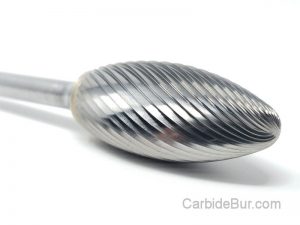
Looking for Carbide Bur Tools?
Check out our entire selection of USA made carbide bur die grinder tool bits
Preparing Your Workspace
Before you start bringing tools back to life, it’s crucial to set the stage for success. A well-organized workspace makes the process smoother and safer. Let’s dive into what you need to get started.
Gathering Necessary Tools
To restore old tools effectively, you’ll need a basic set of supplies. First, ensure you have rust removers, like sandpaper or wire brushes. Next, gather cleaning solutions suitable for metal and wood. It’s also helpful to have a set of screwdrivers, wrenches, and pliers on hand. These will assist you in disassembling and reassembling tools as needed. Having the right materials on hand saves time and keeps the process flowing seamlessly.
Setting Up a Safe Environment
Safety should always be a priority when working with tools. Make sure your workspace is well-lit and ventilated. Using protective gear, like gloves and safety glasses, is essential to protect yourself from rust particles and chemical splashes. Ensure your tools are organized and easily accessible. A clutter-free area prevents accidents and allows you to focus on the restoration process. Remember, a safe environment leads to a successful project.
Cleaning Old Tools
With your workspace ready, it’s time to tackle the grime. Cleaning old tools is a critical step in the restoration journey. Let’s explore how you can remove rust and choose the best cleaning solutions.
Removing Rust and Grime
Rust can be stubborn, but with the right approach, you can eliminate it. Start by scrubbing the tools with a wire brush to loosen surface rust. For deeper rust, soak the tools in a vinegar solution for several hours. This helps break down the rust, making it easier to scrub off. Once the rust is gone, rinse the tools with water and dry them thoroughly. Regular upkeep can prevent rust from returning and keep your tools looking fresh.
Choosing Effective Cleaning Solutions
Selecting the right cleaning solutions is crucial. For metal parts, consider using a mixture of baking soda and water. This paste can effectively lift grime without damaging the tool. For wooden handles, a gentle dish soap and water solution works well. Always test a small area first to ensure the cleaner won’t harm the tool’s finish. Using the correct solutions ensures your tools remain in top condition during the restoration process.
For more detailed steps on cleaning, check out this comprehensive beginner’s guide to tool restoration.
Reshaping Tools for Use
Once your tools are clean, it’s time to address any physical damage. Reshaping ensures they work as intended and are safe to use. Let’s look at how to repair and sharpen them.
Repairing Damaged Parts
Damaged tools may seem beyond saving, but many can be revived with a little effort. First, inspect each tool for cracks or breaks. Small cracks can be fixed using epoxy glue, which provides a strong bond. For bent or misshapen tools, use a vise to carefully bend them back into shape. Taking the time to repair these issues can extend the tool’s life, saving you money in the long run.
Sharpening Blades and Edges
A sharp tool is an effective tool. To sharpen blades, start with a coarse sharpening stone. Hold the blade at a consistent angle and slide it across the stone in a smooth motion. Gradually progress to a finer stone to achieve a sharp edge. This process can restore the tool’s original cutting power, making your projects easier and more efficient.
Bringing Tools Back to Life
With your tools clean and reshaped, it’s time to give them the finishing touches. Applying protective coatings and ensuring functionality are key steps in bringing tools back to life.
Applying Protective Coatings
Protective coatings help prevent rust and wear. For metal parts, use a light coat of oil to keep moisture at bay. Linseed oil works well for wooden handles, providing a protective seal while enhancing the wood’s natural beauty. Applying these coatings regularly can significantly extend your tools’ lifespan and keep them looking like new.
Ensuring Longevity and Functionality
To maintain your tools’ restored state, it’s crucial to ensure they function properly. Test each tool to confirm that moving parts, like hinges or springs, operate smoothly. If any parts feel stiff, apply a lubricant to improve motion. Regular testing and maintenance can catch small issues before they become significant problems.
For a deeper dive into tool restoration, visit this comprehensive resource.
Maintaining Restored Tools
You’ve put in the effort to restore your tools, so it’s important to keep them in prime condition. Proper maintenance and storage are vital for longevity.
Regular Maintenance Tips
Regular maintenance is key to preserving your hard work. After each use, wipe your tools clean to remove dirt and moisture. Periodically check for signs of rust or wear, addressing these issues promptly. Keeping your tools in good condition ensures they’re always ready for your next project.
Storing Tools Properly
Proper storage is essential to prevent damage. Keep tools in a dry, cool place to avoid rust. Consider using a toolbox or pegboard to organize them neatly. This not only protects your tools but also makes them easily accessible when you need them. A well-organized storage system can save you time and frustration in the long run.
By following these steps, you can confidently restore old tools and keep them in excellent working order for years to come.
Looking for Carbide Bur Tools?
Check out our entire selection of USA made carbide bur die grinder tool bits
Follow us on Twitter

Return to CarbideBur.com
Carbide Burs – 1/4″ on 1/8″ Shanks – Accessories – Aluminum Cut – Bur Sets – End Mills – Long Shank – Solid Burs
Can Carbide Burrs Cut Through Welds?
Can Carbide Burrs Cut Through Welds? Cutting through welds can feel like a battle, especially when you need clean results without harming the base metal. Carbide burrs offer a sharp edge in this fight, but [...]
How to Use a Carbide Burr With a Die Grinder
How to Use a Carbide Burr With a Die Grinder Most people treat a carbide burr like just another tool, but using it with a die grinder takes skill. If you’ve struggled with burr installation [...]
1/8 vs 1/4 Inch Carbide Burrs: What’s the Difference?
1/8 vs 1/4 Inch Carbide Burrs: What's the Difference? Choosing between a 1/8 inch carbide burr and a 1/4 inch carbide burr can change how your project turns out. Many machinists and hobbyists overlook how [...]
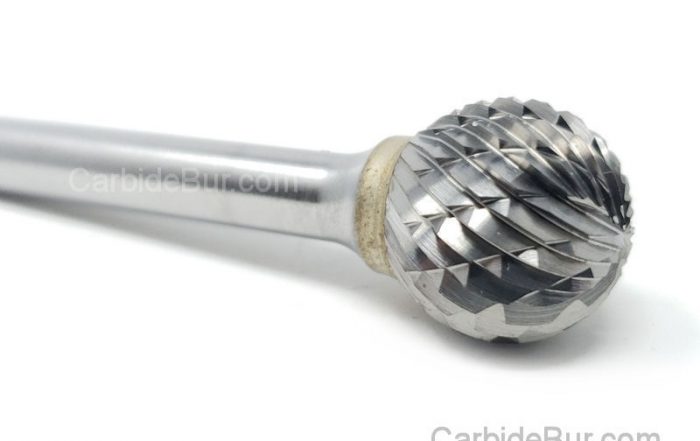
Best Carbide Burr for Removing Flash From Castings
Best Carbide Burr for Removing Flash From Castings Removing flash from castings is a task that can slow down your entire metalworking process if you don’t have the right tools. Picking the best carbide burr [...]
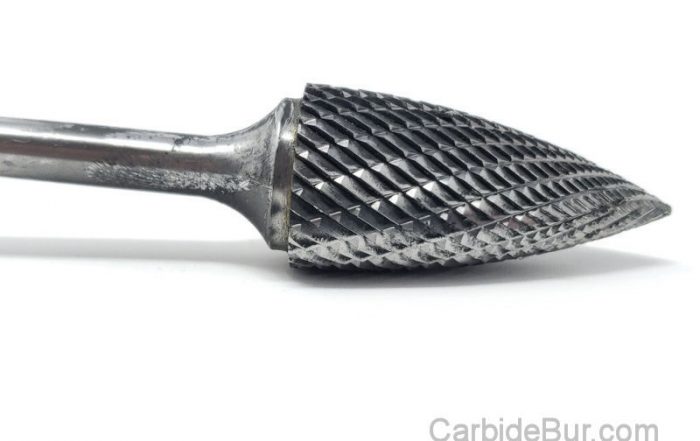
What RPM Should You Use for a 1/4 Inch Carbide Burr?
What RPM Should You Use for a 1/4 Inch Carbide Burr? Most machinists guess the right speed for a 1/4 inch carbide burr and hope for the best. Using the wrong carbide burr RPM can [...]
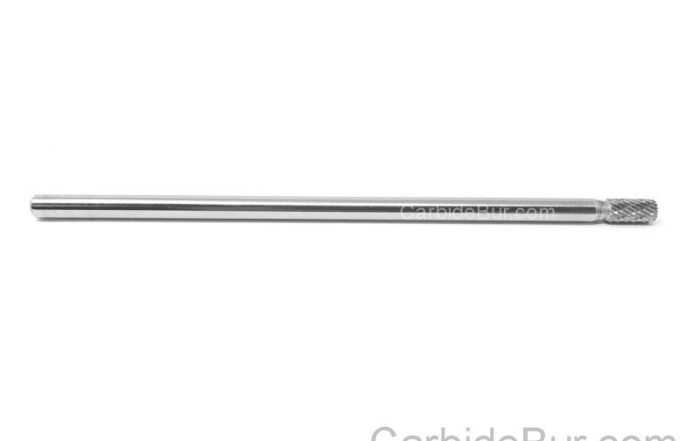
Long Shank Carbide Burrs: When Do You Need One?
Long Shank Carbide Burrs: When Do You Need One? Most machinists overlook the power of long shank carbide burrs until a project demands precision in tight spaces. When your usual tools can’t reach intricate contours, [...]
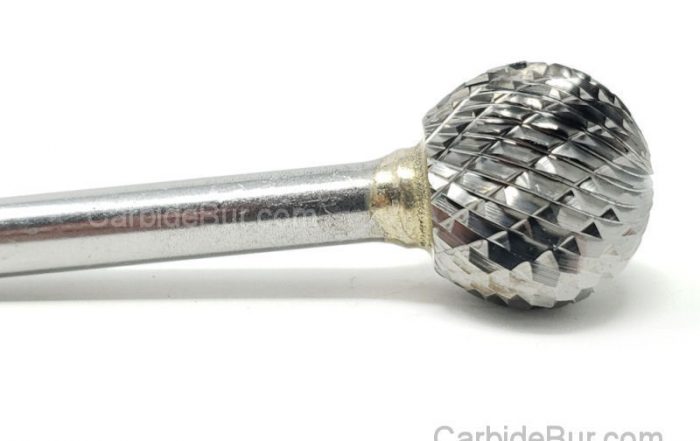
How Deep Can a Carbide Burr Cut Metal?
How Deep Can a Carbide Burr Cut Metal? Carbide burrs often get praised for their precision, but many users hit a wall wondering how deep they can actually cut metal. The truth is, cutting depth [...]
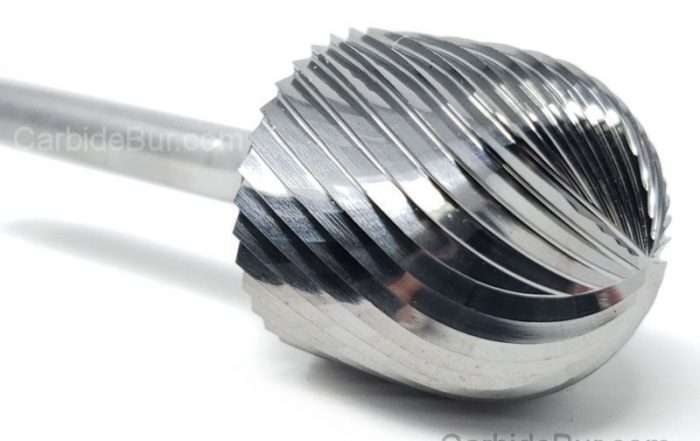
How to Use Carbide Burrs for Port Matching
How to Use Carbide Burrs for Port Matching Most engine builds hit a wall when airflow doesn’t flow smoothly between the ports and manifolds. If your engine isn’t breathing right, your performance stalls. Using the [...]
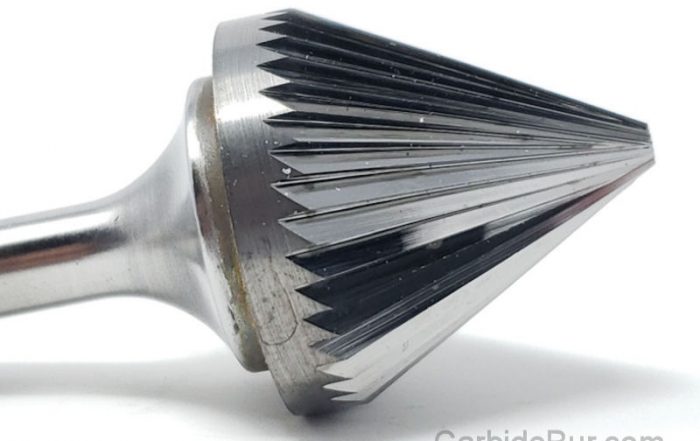
Best Carbide Burr for Porting Intake Manifolds
Best Carbide Burr for Porting Intake Manifolds Porting intake manifolds can make or break your engine’s airflow, yet many struggle with the right tools for the job. Choosing the best carbide burrs is key to [...]
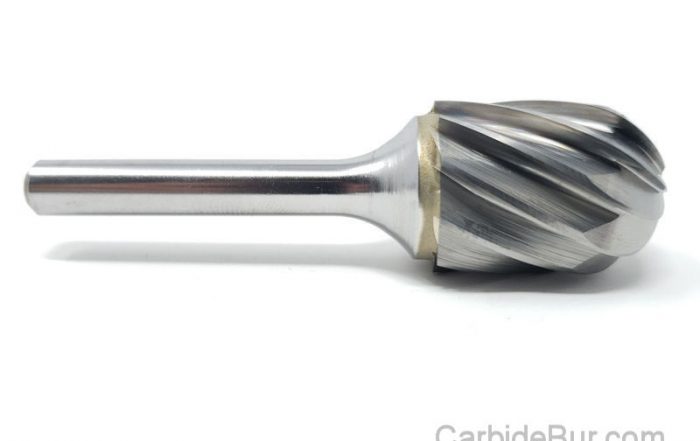
Best Carbide Burr for Concave Surfaces
Best Carbide Burr for Concave Surfaces Concave surfaces can turn a straightforward project into a frustrating challenge if you don’t have the right tool. Carbide burrs designed for these tricky curves make all the difference [...]
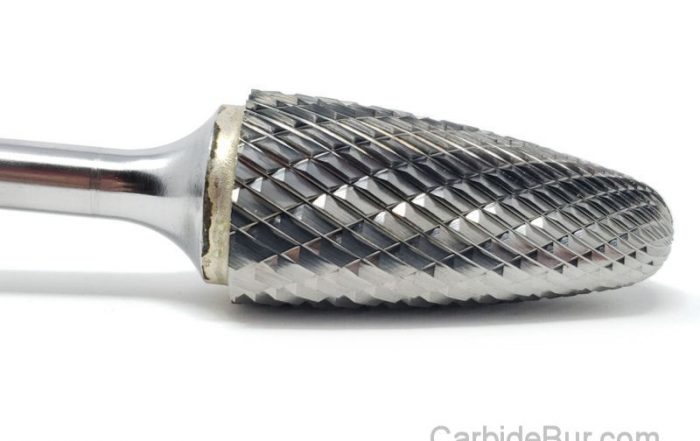
How to Grind a Slot in Metal With a Carbide Burr
How to Grind a Slot in Metal With a Carbide Burr Grinding a precise slot in metal can feel like a tricky task, especially if you’re unsure which tools to trust. Carbide burr grinding offers [...]

Best Carbide Burr for Inside Corners
Best Carbide Burr for Inside Corners Working in tight inside corners can turn even simple projects into frustrating tasks. Many carbide burrs just don’t fit or cut cleanly where you need them most. The best [...]
