
Extend Your Tool’s Lifespan: Reducing Vibration with Correct Carbide Burr Setup
Vibration in your die grinder can turn a simple job into a frustrating mess. Loose shank security on your carbide burr causes wobble that ruins cuts and wears out your tool faster. Taking a few moments to tighten the burr properly means smoother cuts and a longer tool lifespan. In this post, you’ll get practical metalworking tips to keep your tools steady and your projects sharp. Check out this guide on using carbide burrs effectively for more insights.
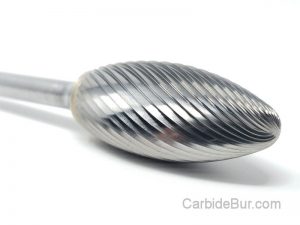
Looking for Carbide Bur Tools?
Check out our entire selection of USA made carbide bur die grinder tool bits
Importance of Proper Tool Setup
Getting your tool setup right from the start is crucial. It can make or break your project outcomes and extend the life of your equipment.
Impact on Tool Lifespan
When tools are not set up properly, they wear out faster. Imagine trying to cut through metal only to find your tool wobbling. This not only damages the tool but also leads to poor results. A well-maintained tool will last longer, saving you money in replacements. Keep your tools in top shape by focusing on setup to ensure a long life and consistent performance.
Benefits of Reducing Vibration
Vibration might seem minor, but it has a big impact on your work. It affects accuracy and can lead to fatigue. When you reduce vibration, you gain more control over your tool. This translates to more precise work and less strain on your hands. The results are smoother cuts and a more enjoyable working experience.
Achieving Smoother Cuts
Smoother cuts are a sign of skill and precision. Loose tools lead to choppy and uneven work, which can ruin your project’s look and feel. By focusing on proper setup, you ensure that each pass with the tool is clean and efficient. The smoother the cut, the more professional your results will appear.
Secure Shank for Better Performance
Moving on to shank security, this is key for achieving the best results with your die grinder. A secure shank means stable tools and better outcomes.
Why Shank Security Matters
The shank is what connects your tool to the grinder. If it’s not secure, you will experience wobble and vibration. This can ruin your tools and your work. By ensuring the shank is tight, you are setting the stage for success. A secure shank gives you confidence in your work and enhances the quality of your projects.
Tools Needed for Tightening
You don’t need a toolbox full of gadgets to secure the shank. A simple wrench is often enough to get the job done. Ensure the wrench fits well to avoid slipping. Having the right tools at hand makes the task quick and easy. Remember, preparation is half the battle.
Step-by-Step Tightening Guide
-
Turn off the grinder: Safety first.
-
Insert the burr: Ensure it’s seated correctly.
-
Use the wrench: Tighten the collet nut firmly.
-
Double-check: Ensure there’s no play in the burr.
These steps ensure your tool is ready for action, reducing the chance of mistakes and equipment failure.
Vibration Reduction Techniques
Now, let’s dive into how you can effectively reduce vibration in your die grinder. This will make your work smoother and your tools last longer.
Common Causes of Vibration
Vibration usually comes from loose fittings or unbalanced tools. When components aren’t tightened, they can move during operation, causing instability. Understanding these causes helps in addressing them efficiently. By tackling these issues, you gain better control over your projects.
Effective Vibration Reduction Methods
To reduce vibration, start with a thorough inspection. Check for loose parts and balance your tool. Regular maintenance is key. Also, use high-quality burrs that fit well. Small adjustments can lead to big improvements in your tool’s performance.
Enhancing Precision with Stability
Stability is the foundation of precision. When your tool is stable, your hand can guide it more naturally. This results in more accurate cuts and a cleaner finish. By focusing on stability, you ensure that every cut is exactly where you want it to be.
Material-Specific Tips
Different materials require different approaches. Here’s how you can optimize your die grinder setup for various tasks.
Metalworking Tips for Carbide Burrs
When working with metal, use carbide burrs for their durability and performance. Always keep your tool steady for best results. Learn more about using carbide burrs effectively.
Woodworking Tips for Die Grinders
For woodworking, choose burrs that are designed for wood. They help in achieving smooth finishes. Adjust your grinder speed to suit the material for optimal results.
Best Practices for Other Materials
For plastics and other materials, match the burr and speed to the material’s toughness. This ensures clean and precise cuts. Always test on a small area first to find the best settings.
Long-Term Maintenance and Care
Finally, let’s look at maintaining your tools for long-term use. Consistent care ensures your tools stay in peak condition.
Routine Inspection Procedures
Regular checks can prevent major issues. Inspect for wear, loose parts, and clean the tool after each use. This simple practice keeps your equipment reliable and ready for action.
Cleaning and Storage Tips
After each project, clean your tools thoroughly. Remove dust and debris to prevent buildup. Store them in a dry place to avoid rust and corrosion, ensuring they’re ready for the next task.
Extending Your Tool’s Lifespan
The key to a long tool life is regular maintenance. By following these steps, you ensure your tools stay effective and reliable. A little effort in care goes a long way in extending the life of your equipment.
By focusing on these aspects, you can significantly prolong the lifespan of your tools and achieve great results in your projects.
Looking for Carbide Bur Tools?
Check out our entire selection of USA made carbide bur die grinder tool bits
Follow us on Twitter

Return to CarbideBur.com
Carbide Burs – 1/4″ on 1/8″ Shanks – Accessories – Aluminum Cut – Bur Sets – End Mills – Long Shank – Solid Burs
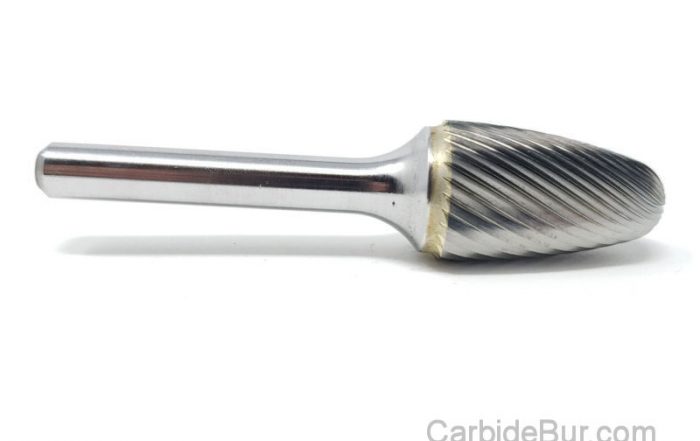
How to Grind a Groove in Metal With a Carbide Burr
How to Grind a Groove in Metal With a Carbide Burr Most metalworkers struggle to cut clean grooves without wasting time or ruining their workpiece. Many try different metalworking tools but end up with uneven [...]
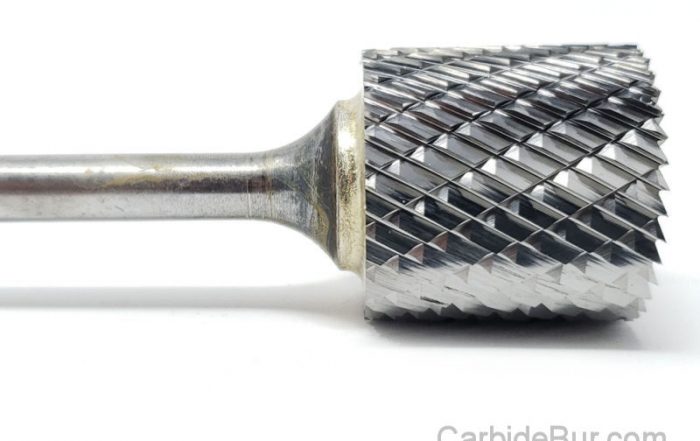
Can Carbide Burrs Cut Through Welds?
Can Carbide Burrs Cut Through Welds? Cutting through welds can feel like a battle, especially when you need clean results without harming the base metal. Carbide burrs offer a sharp edge in this fight, but [...]
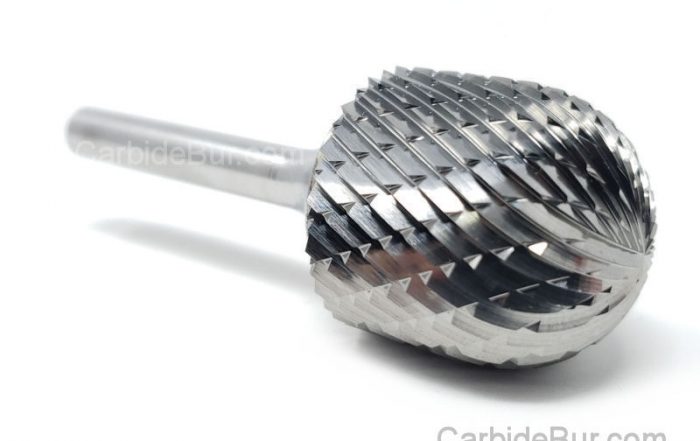
How to Use a Carbide Burr With a Die Grinder
How to Use a Carbide Burr With a Die Grinder Most people treat a carbide burr like just another tool, but using it with a die grinder takes skill. If you’ve struggled with burr installation [...]
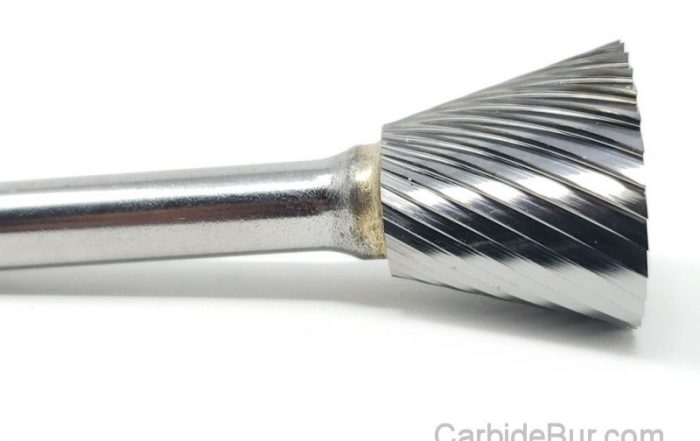
1/8 vs 1/4 Inch Carbide Burrs: What’s the Difference?
1/8 vs 1/4 Inch Carbide Burrs: What's the Difference? Choosing between a 1/8 inch carbide burr and a 1/4 inch carbide burr can change how your project turns out. Many machinists and hobbyists overlook how [...]
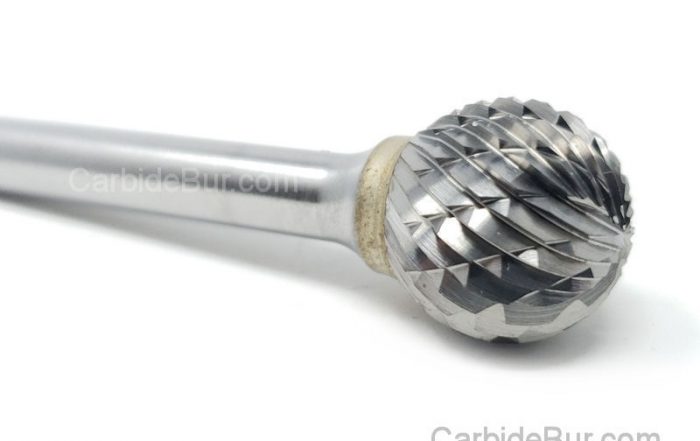
Best Carbide Burr for Removing Flash From Castings
Best Carbide Burr for Removing Flash From Castings Removing flash from castings is a task that can slow down your entire metalworking process if you don’t have the right tools. Picking the best carbide burr [...]
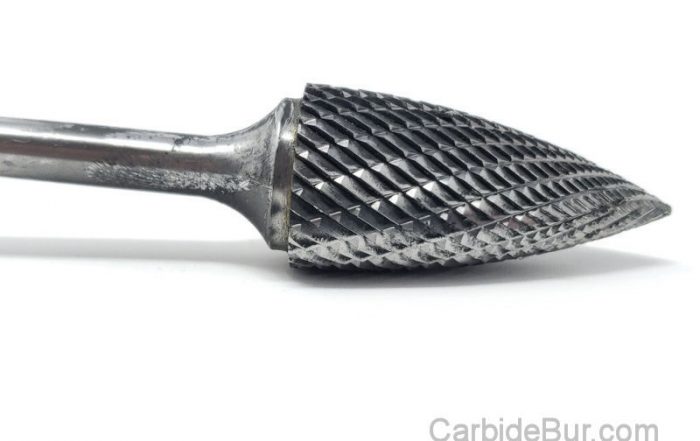
What RPM Should You Use for a 1/4 Inch Carbide Burr?
What RPM Should You Use for a 1/4 Inch Carbide Burr? Most machinists guess the right speed for a 1/4 inch carbide burr and hope for the best. Using the wrong carbide burr RPM can [...]
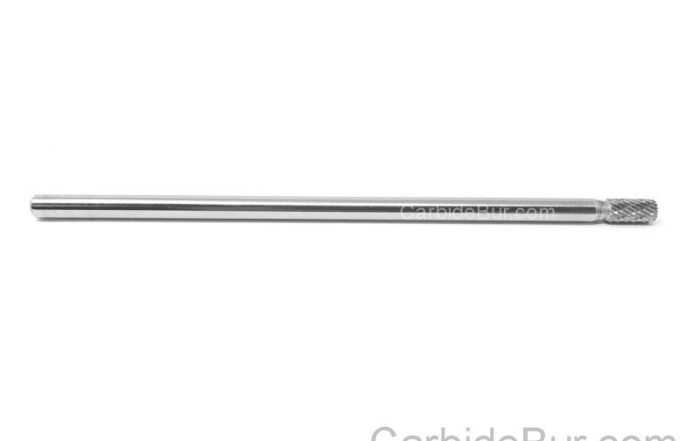
Long Shank Carbide Burrs: When Do You Need One?
Long Shank Carbide Burrs: When Do You Need One? Most machinists overlook the power of long shank carbide burrs until a project demands precision in tight spaces. When your usual tools can’t reach intricate contours, [...]
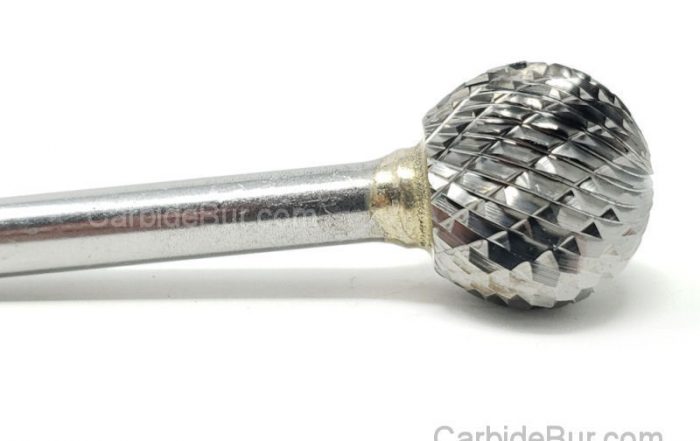
How Deep Can a Carbide Burr Cut Metal?
How Deep Can a Carbide Burr Cut Metal? Carbide burrs often get praised for their precision, but many users hit a wall wondering how deep they can actually cut metal. The truth is, cutting depth [...]
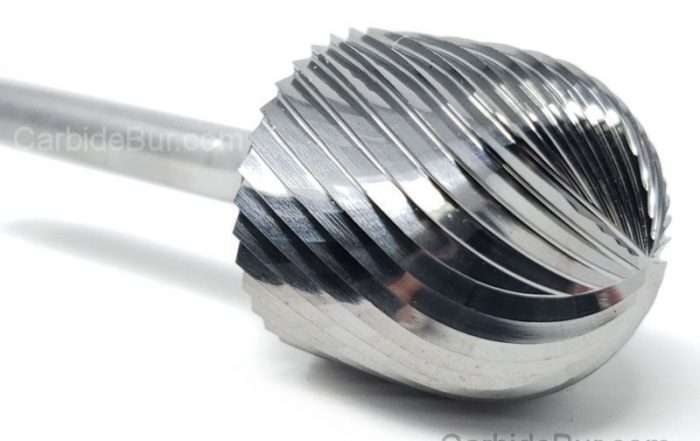
How to Use Carbide Burrs for Port Matching
How to Use Carbide Burrs for Port Matching Most engine builds hit a wall when airflow doesn’t flow smoothly between the ports and manifolds. If your engine isn’t breathing right, your performance stalls. Using the [...]
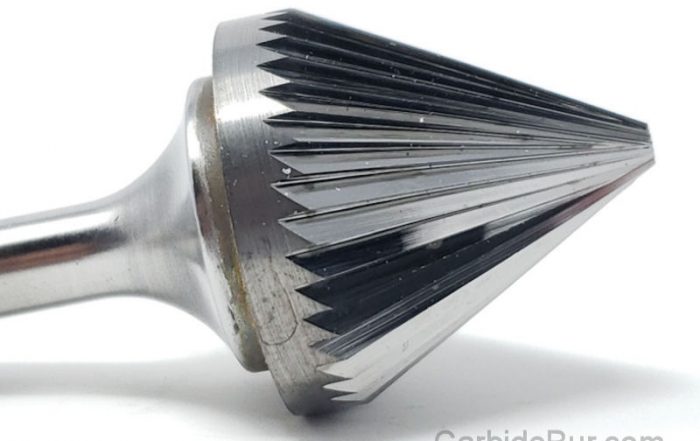
Best Carbide Burr for Porting Intake Manifolds
Best Carbide Burr for Porting Intake Manifolds Porting intake manifolds can make or break your engine’s airflow, yet many struggle with the right tools for the job. Choosing the best carbide burrs is key to [...]
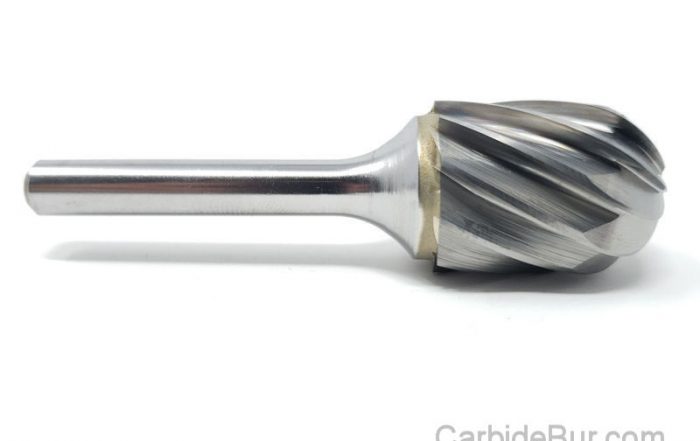
Best Carbide Burr for Concave Surfaces
Best Carbide Burr for Concave Surfaces Concave surfaces can turn a straightforward project into a frustrating challenge if you don’t have the right tool. Carbide burrs designed for these tricky curves make all the difference [...]
How to Grind a Slot in Metal With a Carbide Burr
How to Grind a Slot in Metal With a Carbide Burr Grinding a precise slot in metal can feel like a tricky task, especially if you’re unsure which tools to trust. Carbide burr grinding offers [...]
