
Extend Tool Life: Expert Tips for Machinists and Engineers
Most cutting tools wear out far sooner than they should. You’ve spent hours setting up machines only to replace tools too quickly, eating into your time and budget. Learning how to extend tool life can save you headaches and keep your operations running smoothly. In this post, you’ll find sharp insights on durability, tool materials, and maintenance habits that actually work. Check out these practical ways to extend cutting tool life.
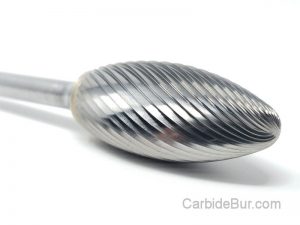
Looking for Carbide Bur Tools?
Check out our entire selection of USA made carbide bur die grinder tool bits
Understanding Cutting Tool Durability
Why do some cutting tools last longer than others? Understanding the factors that affect tool lifespan is the first step in improving it.
Key Factors in Tool Lifespan
The right combination of speed, material, and handling makes a big difference in tool life. Speed is crucial: operating at optimal cutting speeds prevents premature wear. Material choice plays a role too. Harder materials resist wear better, but they can be brittle. Handling practices, like consistent inspections and cleaning, also extend tool life. Consider how these factors interact to make informed decisions. Explore strategies to maximize tool life here.
Common Causes of Tool Wear
Tool wear is inevitable, but you can control its pace. Heat build-up is a major culprit. As tools cut, friction generates heat, leading to wear. Improper use, like applying too much pressure, exacerbates this. Material issues, such as using the wrong tool for the material, also speed up wear. Addressing these areas can help you manage wear effectively.
Choosing the Right Tool Materials
Selecting the right materials for your tools is a game-changer. It determines how well they perform and how long they last.
Material Properties and Durability
Metals like carbide and high-speed steel are popular for cutting tools. Carbide is known for its hardness and heat resistance, making it a top choice for long-lasting tools. High-speed steel, while less hard, offers flexibility and toughness. Weighing these properties helps you pick the best material for your tools.
Innovations in Tool Materials
Tool materials are constantly evolving. Research into coatings, such as titanium nitride, has led to significant improvements in tool life. These coatings minimize friction and heat build-up, making tools last longer. Investigating new materials and coatings could lead you to more durable options.
Essential Tool Maintenance Habits
Maintaining your tools properly is just as important as choosing the right materials. Good habits can prevent unnecessary wear and tear.
Routine Cleaning and Inspection
Keeping your tools clean is crucial. Regular cleaning removes debris that can cause damage. Inspections help spot early signs of wear, allowing you to address issues before they worsen. A consistent maintenance routine keeps your tools in top shape and extends their life. Learn more about routine maintenance of cutting tools.
Proper Storage Techniques
Storing tools correctly prevents damage and wear. Organized storage keeps tools safe from knocks and drops. Climate control is also essential, as humidity can cause rust. Investing in proper storage solutions protects your investment in quality tools.
Techniques to Extend Tool Life
Beyond materials and maintenance, certain techniques can further extend the life of your tools.
Optimal Cutting Speeds and Feeds
Finding the right cutting speeds and feeds is key. Too fast, and you risk overheating; too slow, and you waste time. Adjusting speeds and feeds based on the material and tool type optimizes performance and longevity. Learn how to determine the right speeds and feeds.
Cooling and Lubrication Methods
Cooling and lubrication methods play a significant role in reducing heat build-up. Coolants disperse heat, while lubricants reduce friction. Choosing the right method for your tools and materials ensures they last longer and perform better.
Advanced Strategies for Enhancing Tool Performance
Sometimes, you need to think outside the box to extend tool life. Advanced strategies can offer significant benefits.
Adopting New Technologies
New technologies can revolutionize tool performance. Advanced machinery and software provide precision and control. These innovations help you maintain the ideal conditions for tool operation, reducing wear and extending tool life. Explore advanced techniques to enhance tool performance.
Training and Skill Development for Machinists
Investing in training and skill development for machinists is a smart move. Skilled workers understand the nuances of tool operation and maintenance, which leads to better handling and longer tool life. Encourage ongoing education and skill-building in your team to see improvements in tool longevity.
In summary, knowing how to choose the right materials, maintain tools, and adopt the best techniques can dramatically extend tool life. With these insights, you’re well on your way to optimizing your operations and saving on costs.
Looking for Carbide Bur Tools?
Check out our entire selection of USA made carbide bur die grinder tool bits
Follow us on Twitter

Return to CarbideBur.com
Carbide Burs – 1/4″ on 1/8″ Shanks – Accessories – Aluminum Cut – Bur Sets – End Mills – Long Shank – Solid Burs
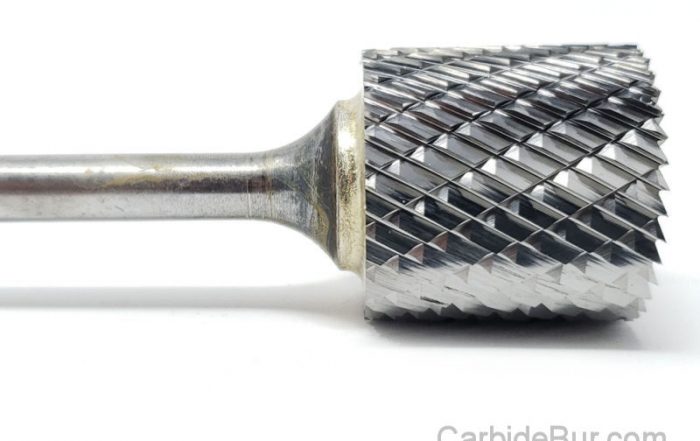
Can Carbide Burrs Cut Through Welds?
Can Carbide Burrs Cut Through Welds? Cutting through welds can feel like a battle, especially when you need clean results without harming the base metal. Carbide burrs offer a sharp edge in this fight, but [...]
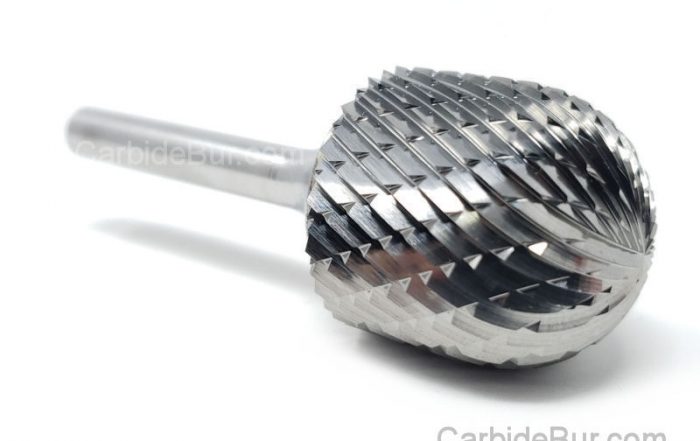
How to Use a Carbide Burr With a Die Grinder
How to Use a Carbide Burr With a Die Grinder Most people treat a carbide burr like just another tool, but using it with a die grinder takes skill. If you’ve struggled with burr installation [...]
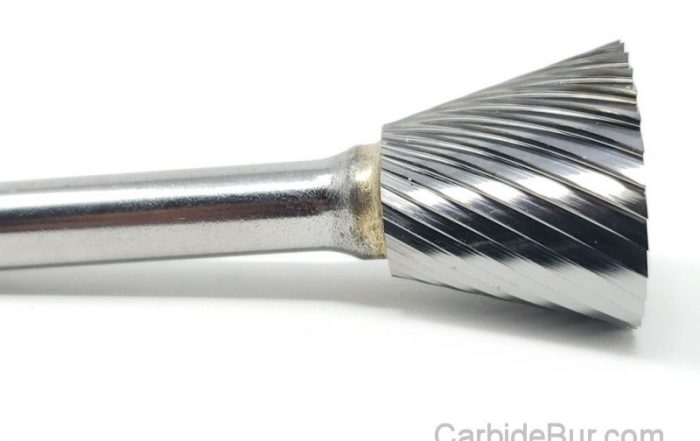
1/8 vs 1/4 Inch Carbide Burrs: What’s the Difference?
1/8 vs 1/4 Inch Carbide Burrs: What's the Difference? Choosing between a 1/8 inch carbide burr and a 1/4 inch carbide burr can change how your project turns out. Many machinists and hobbyists overlook how [...]
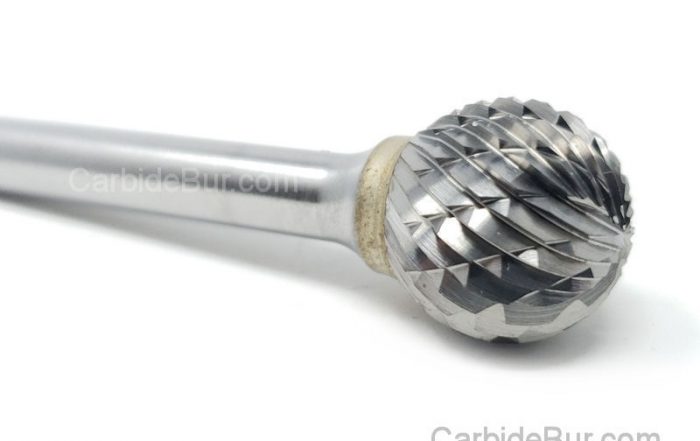
Best Carbide Burr for Removing Flash From Castings
Best Carbide Burr for Removing Flash From Castings Removing flash from castings is a task that can slow down your entire metalworking process if you don’t have the right tools. Picking the best carbide burr [...]
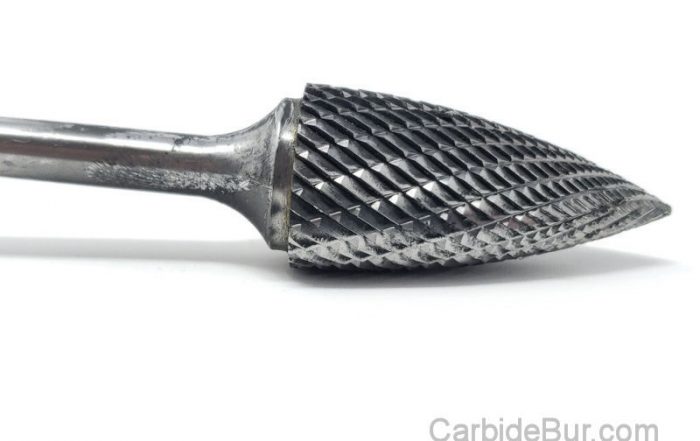
What RPM Should You Use for a 1/4 Inch Carbide Burr?
What RPM Should You Use for a 1/4 Inch Carbide Burr? Most machinists guess the right speed for a 1/4 inch carbide burr and hope for the best. Using the wrong carbide burr RPM can [...]
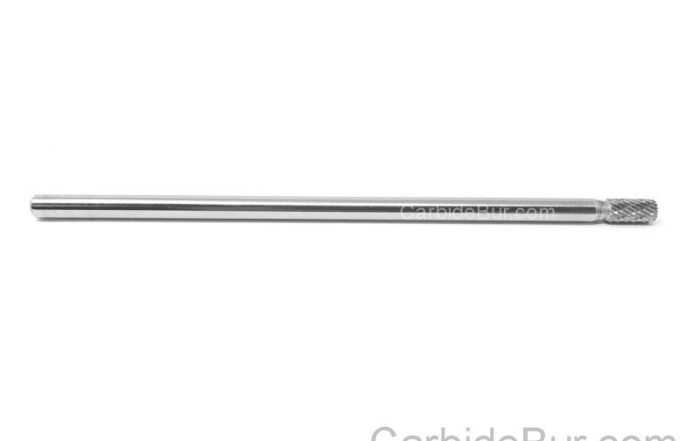
Long Shank Carbide Burrs: When Do You Need One?
Long Shank Carbide Burrs: When Do You Need One? Most machinists overlook the power of long shank carbide burrs until a project demands precision in tight spaces. When your usual tools can’t reach intricate contours, [...]
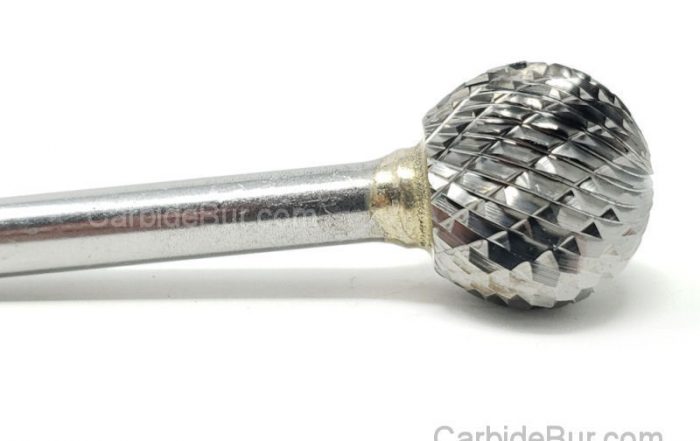
How Deep Can a Carbide Burr Cut Metal?
How Deep Can a Carbide Burr Cut Metal? Carbide burrs often get praised for their precision, but many users hit a wall wondering how deep they can actually cut metal. The truth is, cutting depth [...]
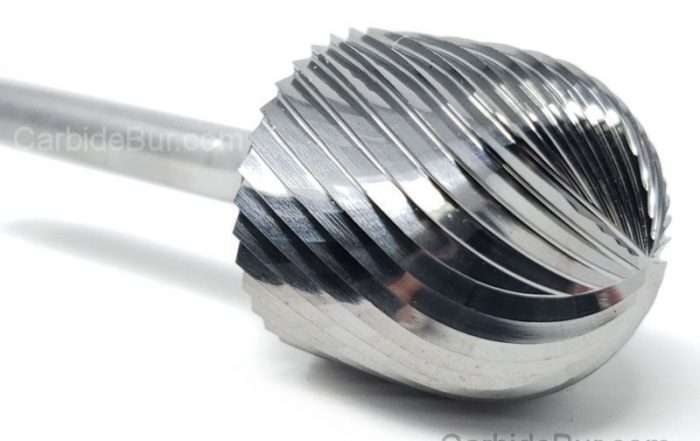
How to Use Carbide Burrs for Port Matching
How to Use Carbide Burrs for Port Matching Most engine builds hit a wall when airflow doesn’t flow smoothly between the ports and manifolds. If your engine isn’t breathing right, your performance stalls. Using the [...]
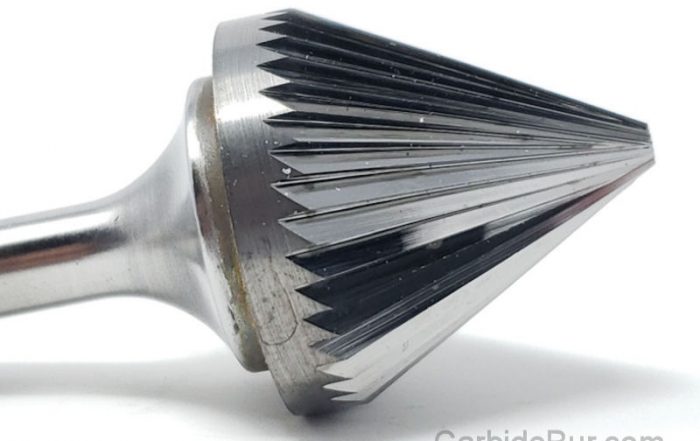
Best Carbide Burr for Porting Intake Manifolds
Best Carbide Burr for Porting Intake Manifolds Porting intake manifolds can make or break your engine’s airflow, yet many struggle with the right tools for the job. Choosing the best carbide burrs is key to [...]
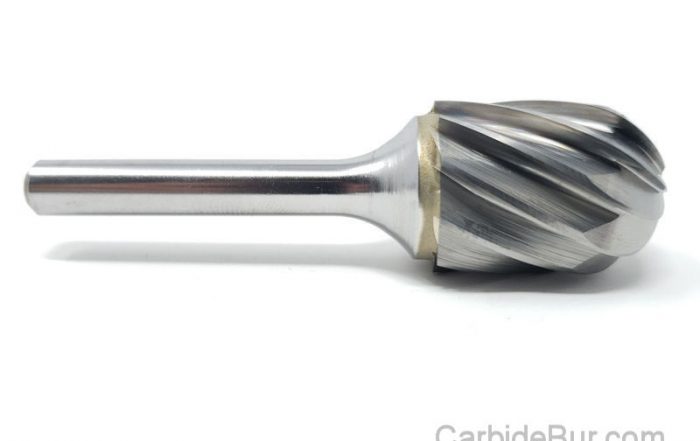
Best Carbide Burr for Concave Surfaces
Best Carbide Burr for Concave Surfaces Concave surfaces can turn a straightforward project into a frustrating challenge if you don’t have the right tool. Carbide burrs designed for these tricky curves make all the difference [...]
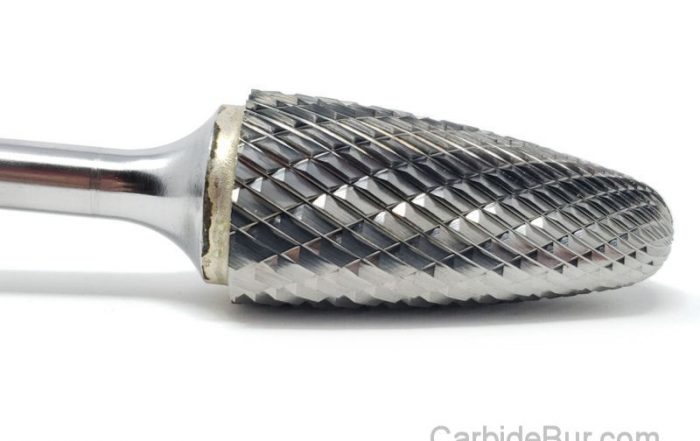
How to Grind a Slot in Metal With a Carbide Burr
How to Grind a Slot in Metal With a Carbide Burr Grinding a precise slot in metal can feel like a tricky task, especially if you’re unsure which tools to trust. Carbide burr grinding offers [...]

Best Carbide Burr for Inside Corners
Best Carbide Burr for Inside Corners Working in tight inside corners can turn even simple projects into frustrating tasks. Many carbide burrs just don’t fit or cut cleanly where you need them most. The best [...]
