
Mastering Die Grinder Techniques: Achieve Precision Control and a Professional Finish
Most die grinder techniques miss one key factor: hand stability. Without anchoring your lead hand against the workpiece, you lose precise control and risk uneven cuts. Learning to steady your grip with a carbide bur will sharpen your grinding skills and deliver a professional finish every time. This simple change cuts fatigue and keeps your workpiece safe, making your craftsmanship noticeably better. For more tips on carbide bur usage and die grinder techniques, check out this resource.
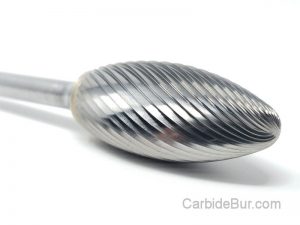
Looking for Carbide Bur Tools?
Check out our entire selection of USA made carbide bur die grinder tool bits
Mastering Die Grinder Techniques
Understanding Die Grinder Basics
To master die grinder techniques, you first need to understand the basics. A die grinder is a versatile tool used for grinding, sanding, honing, and polishing. It’s essential in shaping and smoothing different materials. Familiarity with the tool’s components and functions will boost your confidence and precision in handling it.
To operate a die grinder effectively, focus on understanding its speed settings and attachments. Different tasks require specific attachments, such as sanding discs or carbide burs. Using the correct attachment ensures efficient material removal and a smooth finish. Remember, the right speed setting prevents overheating and extends the tool’s lifespan.
Essential Tools for Precision
Achieving precision with a die grinder requires more than just the tool itself. You’ll need a selection of attachments and accessories. Carbide burs are key for intricate detailing. They come in various shapes for different applications.
Additionally, having a reliable air compressor is crucial if you’re using a pneumatic die grinder. A steady air supply ensures consistent performance. Also, consider investing in a speed regulator for precise control. It lets you adjust the grinder’s speed to suit your task. Visit this page for a list of recommended air compressors.
Safety Measures for Optimal Use
Safety is paramount when using a die grinder. Always wear protective gear such as goggles and gloves to shield yourself from flying debris. Ensuring your work environment is well-lit and free from distractions minimizes the risk of accidents.
Before starting, inspect the tool for any damage. Tighten loose parts and ensure the attachments are secure. A damaged or improperly set tool can lead to mishaps. Regular maintenance checks are essential for safe operation.
Achieving Precision Control
Once you grasp the basics, achieving precision control is your next step. This involves refining your grip and hand stability. Let’s explore how to perfect these crucial techniques.
Perfecting Hand Stability
Hand stability is fundamental for precise die grinder work. Anchoring your lead hand against the workpiece offers more control. This technique minimizes vibrations and enhances accuracy. It’s about creating a stable base for your movements.
Practice makes perfect. Start by working on scrap material to develop muscle memory. This will make your hand stability second nature. Over time, you’ll notice smoother and more accurate cuts. For more detailed guidance, refer to this forum discussion.
Techniques for Navigating Contours
Navigating contours can be challenging but rewarding. The key is to let the grinder do the work. Avoid applying excessive pressure. Instead, guide the tool gently along the contour. This approach reduces the risk of gouging the material.
Use a carbide bur suited for your specific task. Opt for a rounded bur for curved surfaces and a pointed one for tight spots. Experiment with different burs to find what works best for your projects.
Enhancing Your Grip Method
A firm and comfortable grip is vital for effective die grinding. Ensure your hands are dry and free from oil or sweat. A slip-free grip enhances control and reduces fatigue.
Consider using grips or gloves designed for tool handling. They provide additional comfort and improve your hold on the grinder. Testing different grip methods will help you find the most comfortable and effective one.
Carbide Bur Usage for Professionals
Professional results demand the right tools and techniques. Selecting and using the appropriate carbide bur is critical to achieving quality outcomes.
Selecting the Right Carbide Bur
Choosing the correct carbide bur starts with understanding your project’s requirements. Burs come in various shapes and sizes. Match the bur to your task for optimal results. For instance, a cylindrical bur is ideal for flat surfaces, while a flame-shaped bur excels in detailed work.
Consider the material’s hardness as well. Softer materials may require different burs than harder ones. For guidance on choosing the right bur, explore this comprehensive guide.
Maximizing Efficiency with Carbide Burs
Efficiency is about maximizing the tool’s capabilities while minimizing effort. Use the bur at the recommended speed for the material you’re working on. This prevents overheating and prolongs both the tool and the bur’s life.
Regularly check the bur for wear and replace it as needed. A worn bur can damage your workpiece and compromise results. Keeping a stock of fresh burs ensures you’re always ready for any project.
Maintenance Tips for Longevity
Proper maintenance is key to extending the life of your carbide burs. Clean them after each use to remove debris. This prevents buildup that can affect performance. Store burs in a dry place to prevent rusting.
Inspect your burs regularly for signs of wear or damage. Sharpen or replace them as needed. By maintaining your tools, you ensure consistent quality in your work.
Enhancing Grinding Performance
Improving your grinding performance involves refining your techniques and tools. Let’s look at strategies for better control, reduced fatigue, and achieving a professional finish.
Strategies for Improved Control
To enhance control, focus on your stance and positioning. Stand with your feet shoulder-width apart for balance. Keep your arms close to your body to stabilize movements.
Experiment with different hand positions to find what feels most natural. Adjusting your grip can lead to smoother operation and improved results. Practice these strategies to see a noticeable difference in your work.
Reducing Fatigue While Grinding
Fatigue can hinder your performance. Taking breaks can prevent overexertion and maintain alertness. Regular pauses allow you to assess your progress and make adjustments if needed.
Incorporating ergonomic tools and accessories can also help. Choose tools that fit comfortably in your hand and reduce strain. For more tips, check out these ergonomic tool options.
Achieving a Professional Finish
A professional finish sets your work apart. Focus on maintaining consistent pressure and speed throughout the task. This results in a smooth, even surface.
Inspect your work frequently to catch imperfections early. Touch up any rough spots before continuing. This attention to detail ensures a flawless finish.
Craftsmanship Improvement Tips
Improving your craftsmanship requires dedication and attention to detail. Let’s discuss how to enhance workpiece safety, refine your skills, and build confidence in your abilities.
Importance of Workpiece Safety
Workpiece safety is crucial for quality results. Secure your material properly to prevent movement during grinding. This minimizes the risk of accidents and damage to the workpiece.
Use clamps or vises for added stability. Ensuring your workpiece is secure allows you to focus on precision and accuracy.
Refining Your Grinding Skills
Continuous skill improvement is vital for any craftsman. Practice regularly and challenge yourself with new projects. Experiment with different techniques and tools to expand your skill set.
Seek feedback from peers or mentors to identify areas for improvement. Constructive criticism can guide your growth and development as a craftsman.
Building Confidence in Your Craftsmanship
Confidence comes from practice and experience. Keep track of your progress and celebrate your achievements. Reflecting on your journey helps you appreciate how far you’ve come.
Stay curious and open to learning. Embrace new challenges with a positive mindset. Confidence will follow as you continue to hone your craft.
Incorporating these tips and techniques into your workflow will transform your craftsmanship. You’ll enjoy better results and increased satisfaction in your projects. Keep pushing forward, and let your creativity shine.
Looking for Carbide Bur Tools?
Check out our entire selection of USA made carbide bur die grinder tool bits
Follow us on Twitter

Return to CarbideBur.com
Carbide Burs – 1/4″ on 1/8″ Shanks – Accessories – Aluminum Cut – Bur Sets – End Mills – Long Shank – Solid Burs
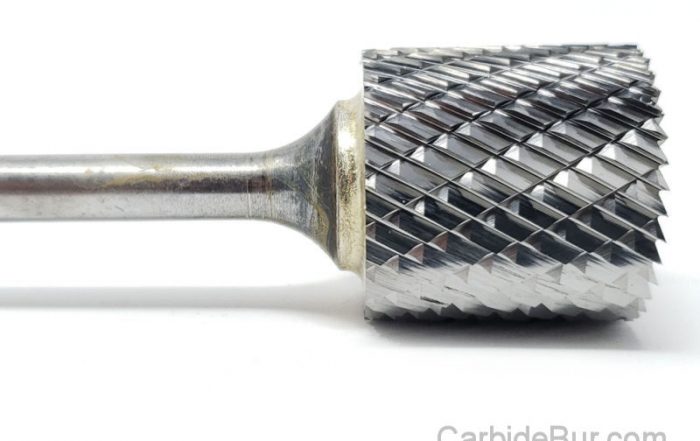
Can Carbide Burrs Cut Through Welds?
Can Carbide Burrs Cut Through Welds? Cutting through welds can feel like a battle, especially when you need clean results without harming the base metal. Carbide burrs offer a sharp edge in this fight, but [...]
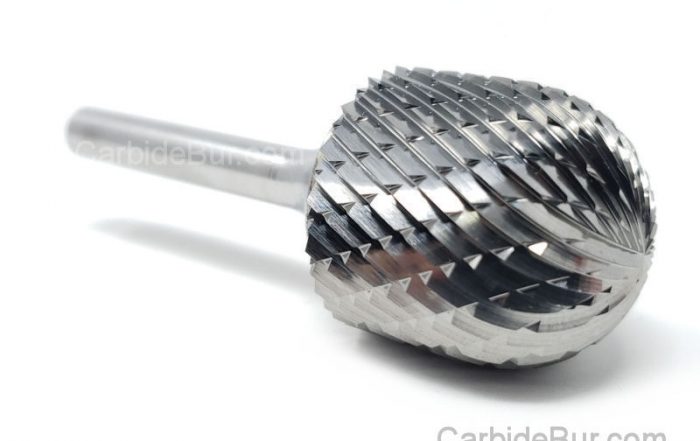
How to Use a Carbide Burr With a Die Grinder
How to Use a Carbide Burr With a Die Grinder Most people treat a carbide burr like just another tool, but using it with a die grinder takes skill. If you’ve struggled with burr installation [...]
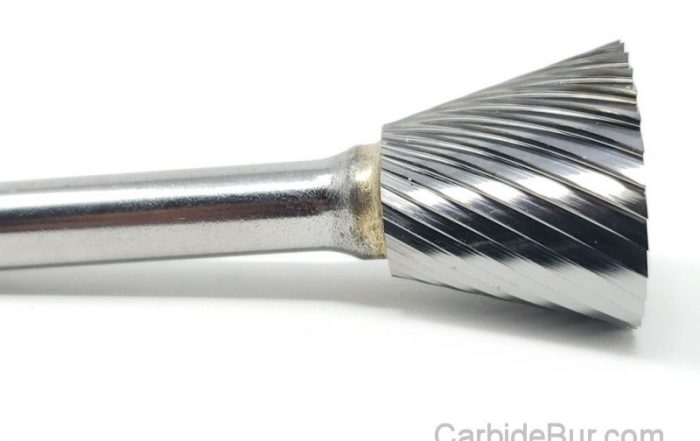
1/8 vs 1/4 Inch Carbide Burrs: What’s the Difference?
1/8 vs 1/4 Inch Carbide Burrs: What's the Difference? Choosing between a 1/8 inch carbide burr and a 1/4 inch carbide burr can change how your project turns out. Many machinists and hobbyists overlook how [...]
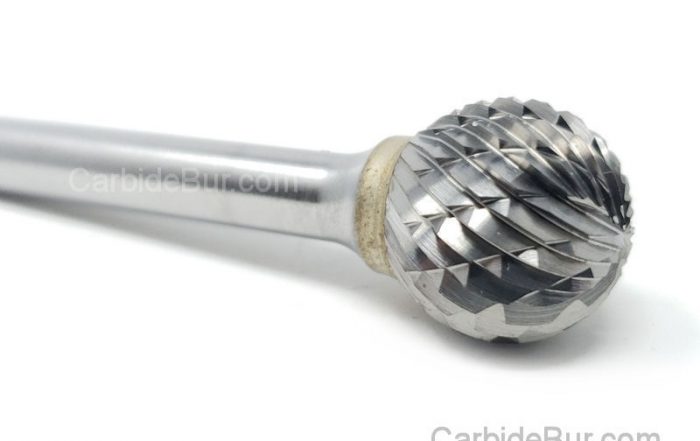
Best Carbide Burr for Removing Flash From Castings
Best Carbide Burr for Removing Flash From Castings Removing flash from castings is a task that can slow down your entire metalworking process if you don’t have the right tools. Picking the best carbide burr [...]
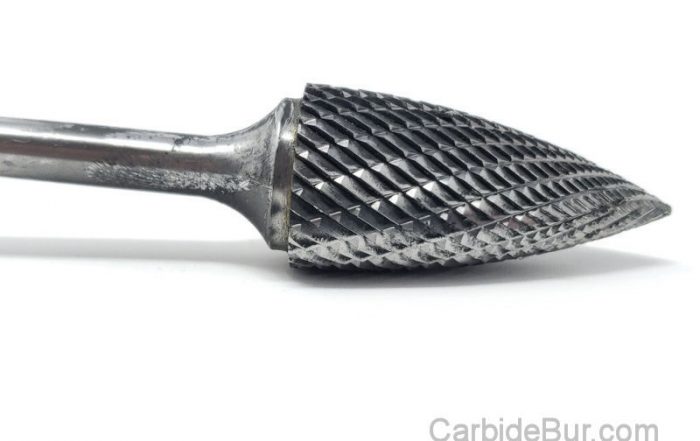
What RPM Should You Use for a 1/4 Inch Carbide Burr?
What RPM Should You Use for a 1/4 Inch Carbide Burr? Most machinists guess the right speed for a 1/4 inch carbide burr and hope for the best. Using the wrong carbide burr RPM can [...]
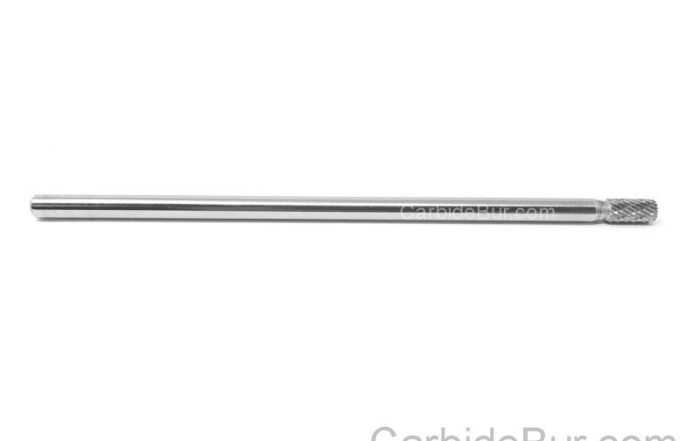
Long Shank Carbide Burrs: When Do You Need One?
Long Shank Carbide Burrs: When Do You Need One? Most machinists overlook the power of long shank carbide burrs until a project demands precision in tight spaces. When your usual tools can’t reach intricate contours, [...]
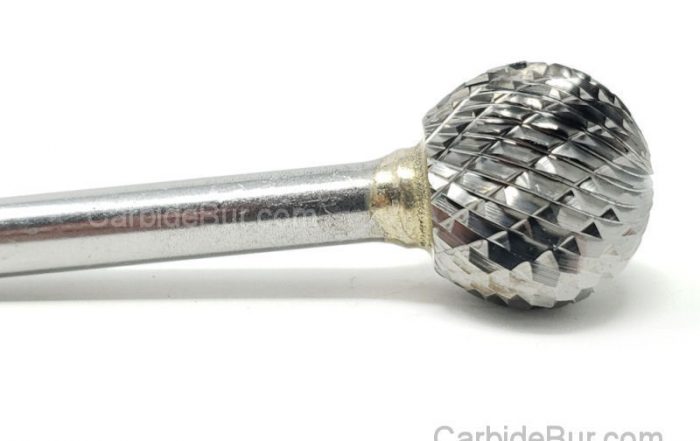
How Deep Can a Carbide Burr Cut Metal?
How Deep Can a Carbide Burr Cut Metal? Carbide burrs often get praised for their precision, but many users hit a wall wondering how deep they can actually cut metal. The truth is, cutting depth [...]
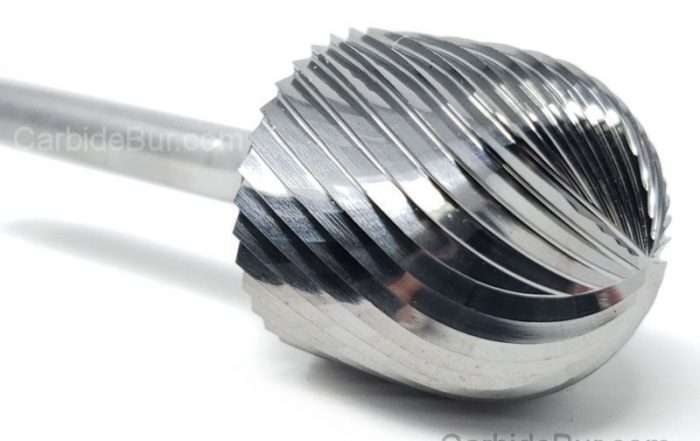
How to Use Carbide Burrs for Port Matching
How to Use Carbide Burrs for Port Matching Most engine builds hit a wall when airflow doesn’t flow smoothly between the ports and manifolds. If your engine isn’t breathing right, your performance stalls. Using the [...]
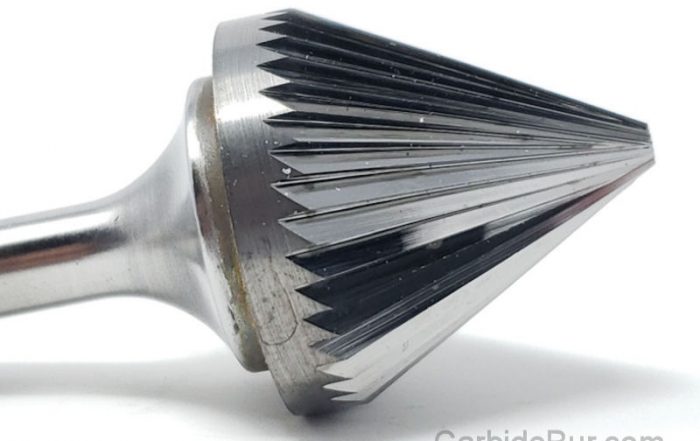
Best Carbide Burr for Porting Intake Manifolds
Best Carbide Burr for Porting Intake Manifolds Porting intake manifolds can make or break your engine’s airflow, yet many struggle with the right tools for the job. Choosing the best carbide burrs is key to [...]
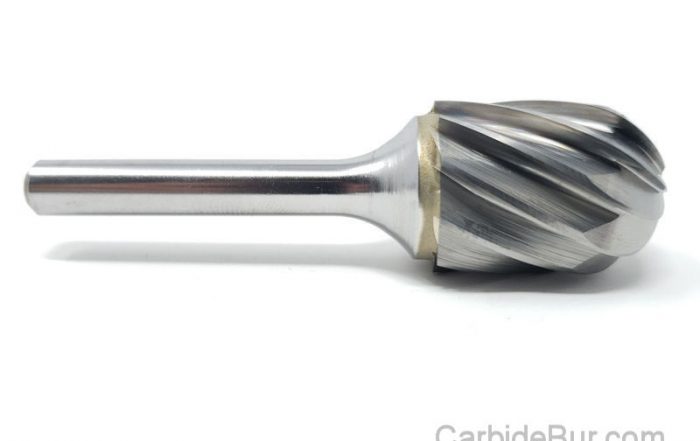
Best Carbide Burr for Concave Surfaces
Best Carbide Burr for Concave Surfaces Concave surfaces can turn a straightforward project into a frustrating challenge if you don’t have the right tool. Carbide burrs designed for these tricky curves make all the difference [...]
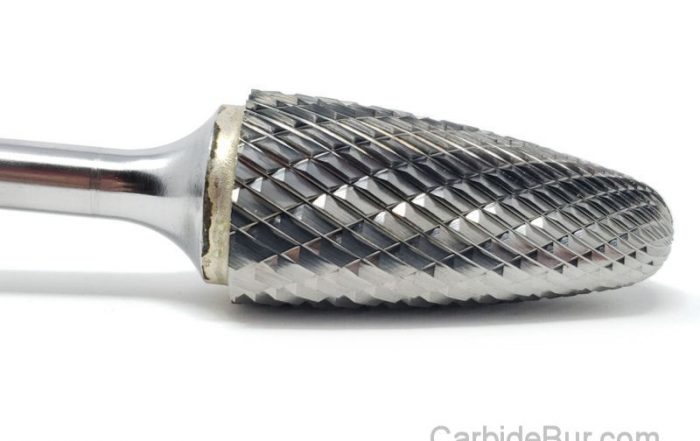
How to Grind a Slot in Metal With a Carbide Burr
How to Grind a Slot in Metal With a Carbide Burr Grinding a precise slot in metal can feel like a tricky task, especially if you’re unsure which tools to trust. Carbide burr grinding offers [...]

Best Carbide Burr for Inside Corners
Best Carbide Burr for Inside Corners Working in tight inside corners can turn even simple projects into frustrating tasks. Many carbide burrs just don’t fit or cut cleanly where you need them most. The best [...]
