
Enhance Your Welding Skills: Expert Tips on Grinding and Sanding Welds
Most welds look rough right after the job, leaving your project far from professional. You know that smoothing welds is key to clean, strong joints, but picking the right grinding and sanding methods can be tricky. This guide breaks down welding techniques and essential abrasive tools to get your weld finishing sharp and smooth every time. For more insights, check out this guide to welding abrasive techniques.
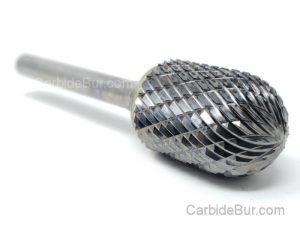
Have you tried our Carbide Burs for your job?
Mastering Welding Techniques
Getting a professional finish starts with understanding core welding methods. This section dives into the essentials you need to know.
Grinding vs. Sanding: Key Differences
Grinding and sanding might seem similar at first. They both smooth surfaces, but they do so in different ways. Grinding is more aggressive. It’s used to shape metal and remove excess material quickly. This is perfect for rough areas that need a lot of work. On the other hand, sanding is gentler. It refines the surface for a smooth feel, great for finishing touches.
When deciding which to use, consider your project’s needs. For large, uneven welds, start with grinding. If you’re just polishing the surface, sanding is your friend. Remember, the right tool can make all the difference in your final result.
Choosing the Right Abrasive Tools
The right tool can elevate your work. When selecting abrasive tools, think about the material you’re working with. For metals like steel, aluminum oxide abrasives work well. For softer metals, opt for silicon carbide. These choices impact how smooth your welds end up.
Consider the tool’s grit too. Coarse grits remove more material. Fine grits polish and refine. Always test on a small area before committing to ensure you’re using the best tool for the job.
Essential Welding Tips for Beginners
Starting with welding can be daunting. Here are some tips to ease you in:
-
Practice regularly: Skills improve with time.
-
Use protective gear: Safety should always come first.
-
Start small: Tackle simple projects before big ones.
-
Learn from mistakes: They’re great teachers.
By following these tips, you’ll gain confidence and improve your results.
Smoothing Welds Professionally
To achieve a smooth finish, understanding the importance of weld finishing is crucial.
Importance of Weld Finishing
Weld finishing isn’t just about looks. It also impacts strength and durability. A well-finished weld resists corrosion and stress, making it last longer. Smoothing welds is key to achieving a professional appearance and strong connections.
Grinder Tips for a Flawless Finish
Grinders are powerful tools. For a flawless finish, use a consistent speed. This avoids uneven surfaces. Move steadily across the weld, preventing dips and gouges. Choose the right wheel for your grinder; a flap disc can provide a smoother result than a standard grinding wheel.
Sanding Welds for Perfect Aesthetics
Sanding can perfect the aesthetics of your welds. Use a random orbital sander for even results. Keep your hand steady and let the tool do the work. With the right technique, your welds will look smooth and professional.
Advanced Metalworking Tools
As you refine your skills, introducing advanced tools can enhance your work.

Selecting the Best Carbide Burr
Carbide burrs are essential for detailed work. They come in various shapes for different needs. Choose a cylindrical burr for flat surfaces and an oval burr for curves. This Ultimate Guide to Weld Smoothing Precision offers valuable insights into choosing the right burr for your project.
Specialized Smoothing Tools Explained
Specialized tools can make a big difference. Consider rotary tools for intricate areas. They’re precise and can access hard-to-reach spots. For more insights, this PushCorp blog explores innovative grinding solutions.
Enhancing Weld Aesthetics with Precision
Precision tools allow you to elevate aesthetics. Use files for tiny imperfections. They help achieve a clean line. For a detailed guide, watch this YouTube short on precision smoothing techniques.
Preparation and Post-Weld Treatment
Preparation and post-treatment are vital for a seamless finish.
Steps for Proper Surface Preparation
Before welding, prepare the surface:
-
Clean thoroughly: Remove rust, grease, and dirt.
-
Use a wire brush: It helps in achieving a smooth surface.
-
Apply a primer: This aids in better weld adhesion.
Proper preparation sets the stage for a successful weld.
Post-Weld Cleaning Techniques
After welding, cleaning ensures durability:
-
Use a degreaser: It removes residues that can cause corrosion.
-
Polish with a soft cloth: This enhances shine and appearance.
Post-weld cleaning keeps your project looking fresh and lasting longer.
Ensuring Professional Welds Every Time
Consistency is key to professional results. Always follow the steps detailed above. Stay updated with techniques by joining communities like Metal Fabrication Tips. With practice, you’ll master welding, creating strong and beautiful joints every time.
By adopting these methods, you can transform your welding projects, ensuring they not only look good but also stand the test of time.
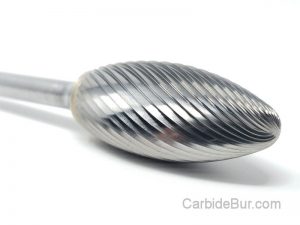
Looking for Carbide Bur Tools?
Check out our entire selection of USA made carbide bur die grinder tool bits
Follow us on Twitter

Return to CarbideBur.com
Carbide Burs – 1/4″ on 1/8″ Shanks – Accessories – Aluminum Cut – Bur Sets – End Mills – Long Shank – Solid Burs
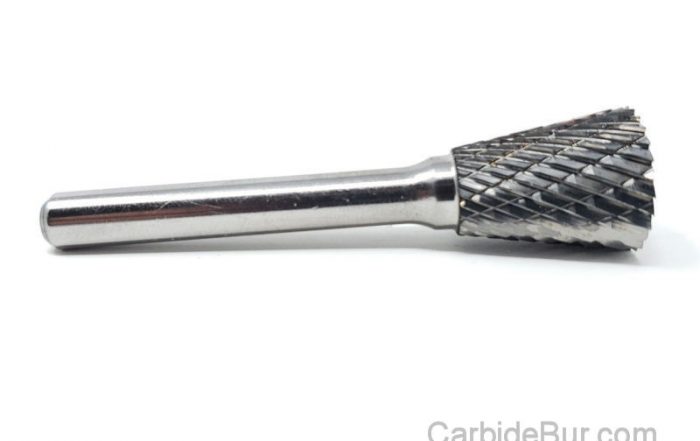
Carbide Burrs for Removing Rust: What Works Best?
Carbide Burrs for Removing Rust: What Works Best? Rust can turn your favorite tools into useless junk faster than you expect. Removing it without ruining the metal underneath takes more than just elbow grease—it demands [...]
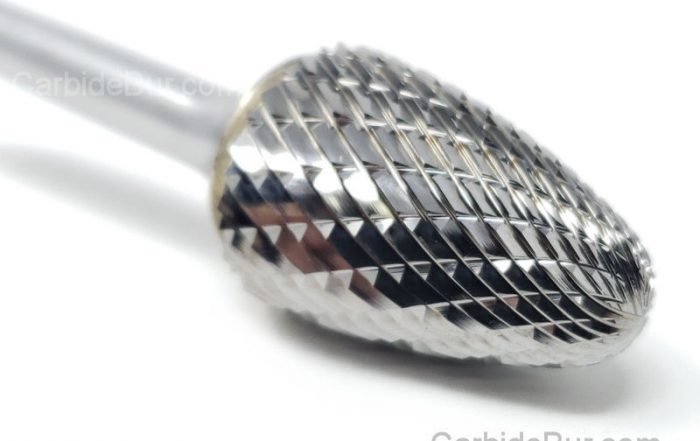
How Much Pressure Should You Use With a Carbide Burr?
How Much Pressure Should You Use With a Carbide Burr? Most people think pressing harder with a carbide burr speeds up the job. That’s not true—too much pressure wears out your tool and ruins the [...]
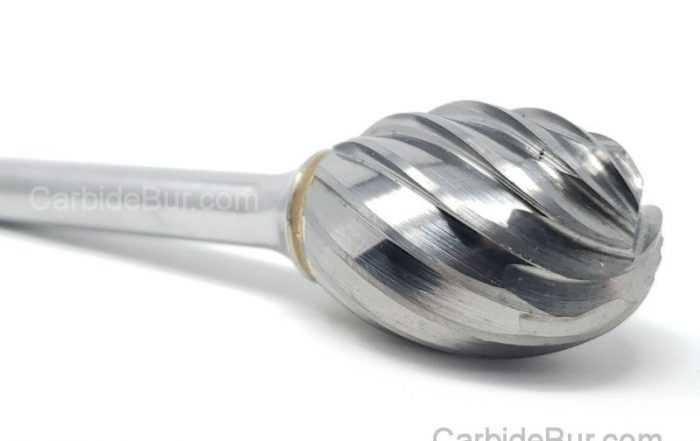
Can You Use Carbide Burrs With an Air Die Grinder?
Can You Use Carbide Burrs With an Air Die Grinder? Most people don’t realize how well carbide burrs work with air die grinders until they try them. If you’ve ever struggled with finding the right [...]
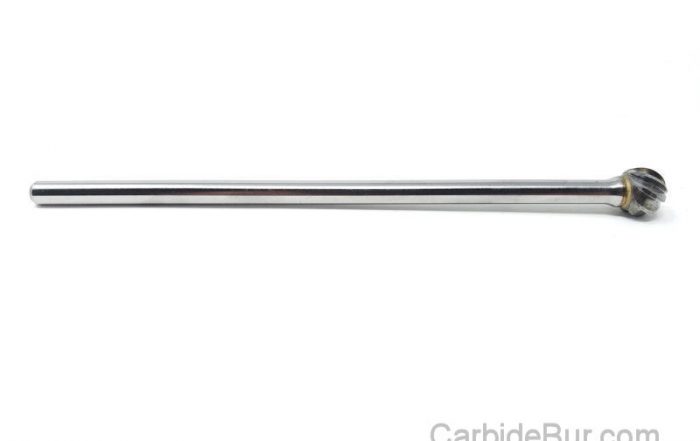
Best Long Reach Carbide Burr for Deep Metal Work
Best Long Reach Carbide Burr for Deep Metal Work Long reach carbide burrs often promise deep metal access, but many fall short where it counts most. You need a tool that cuts cleanly, lasts through [...]
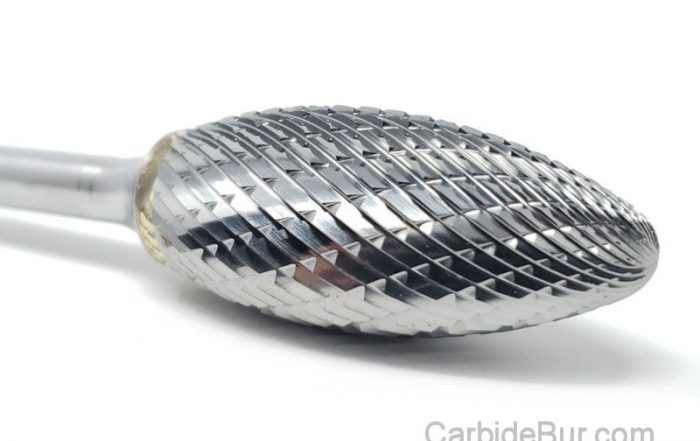
What RPM Should You Use for a 1/8 Inch Carbide Burr?
What RPM Should You Use for a 1/8 Inch Carbide Burr? Most people guess the right carbide burr RPM by feel—and waste hours redoing work. If you want cleaner cuts and longer tool life, your [...]
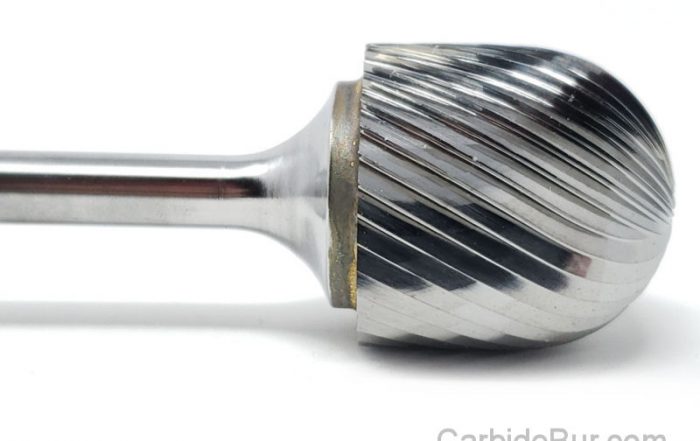
Carbide Burrs for Tight Spaces: Choosing the Right Shape
Carbide Burrs for Tight Spaces: Choosing the Right Shape Tackling tight spaces with the wrong carbide burrs wastes time and risks damaging your work. Choosing the right burr shape makes all the difference when working [...]
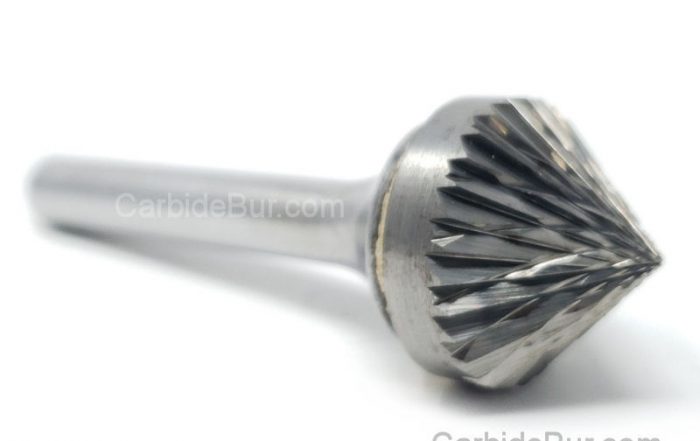
Can Carbide Burrs Remove Paint From Metal?
Can Carbide Burrs Remove Paint From Metal? Stripping paint from metal often feels like a tough chore that risks damaging the surface underneath. Many turn to carbide burrs hoping they can speed things up without [...]
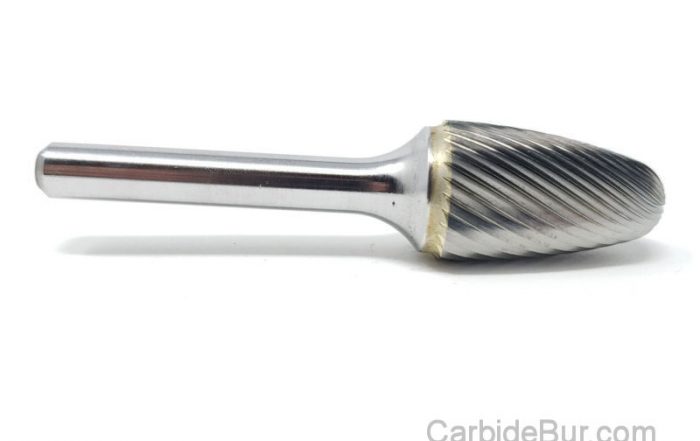
How to Grind a Groove in Metal With a Carbide Burr
How to Grind a Groove in Metal With a Carbide Burr Most metalworkers struggle to cut clean grooves without wasting time or ruining their workpiece. Many try different metalworking tools but end up with uneven [...]
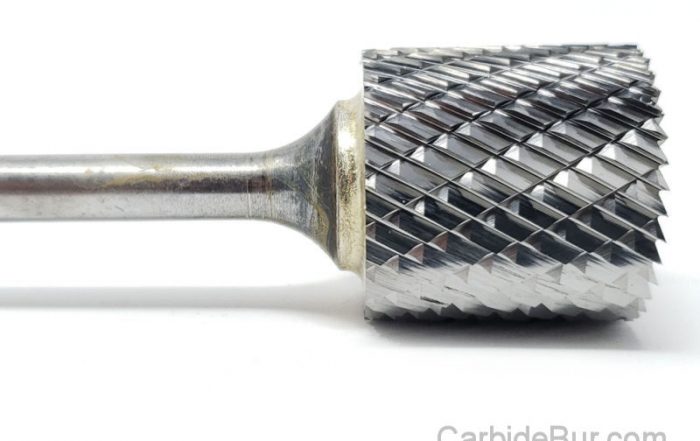
Can Carbide Burrs Cut Through Welds?
Can Carbide Burrs Cut Through Welds? Cutting through welds can feel like a battle, especially when you need clean results without harming the base metal. Carbide burrs offer a sharp edge in this fight, but [...]
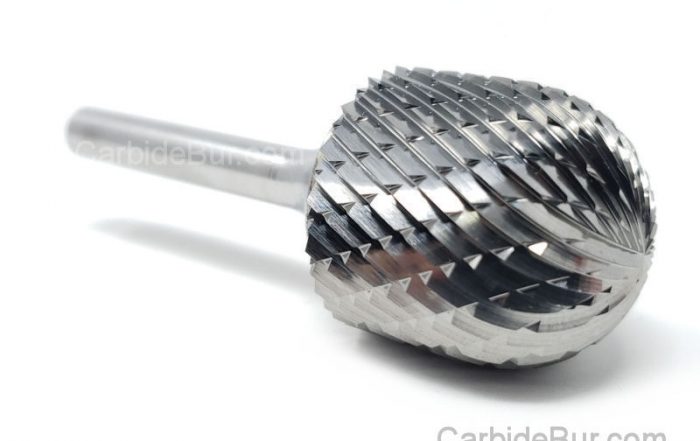
How to Use a Carbide Burr With a Die Grinder
How to Use a Carbide Burr With a Die Grinder Most people treat a carbide burr like just another tool, but using it with a die grinder takes skill. If you’ve struggled with burr installation [...]
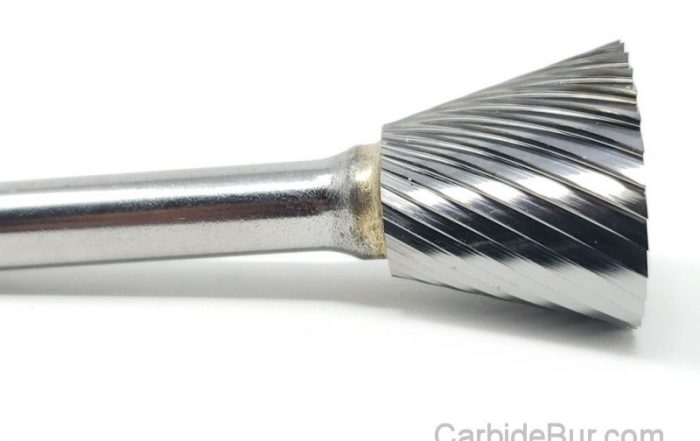
1/8 vs 1/4 Inch Carbide Burrs: What’s the Difference?
1/8 vs 1/4 Inch Carbide Burrs: What's the Difference? Choosing between a 1/8 inch carbide burr and a 1/4 inch carbide burr can change how your project turns out. Many machinists and hobbyists overlook how [...]
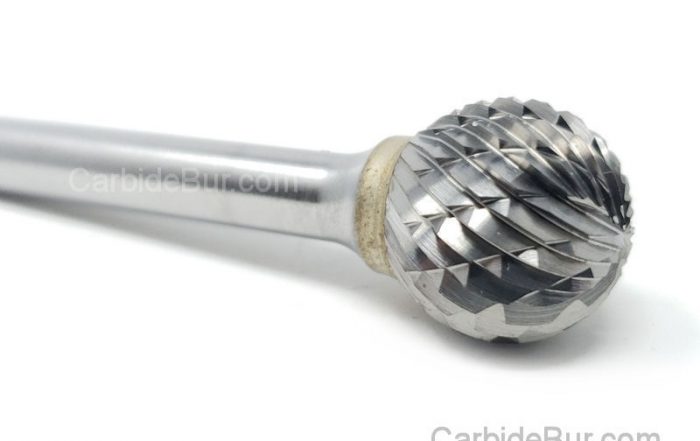
Best Carbide Burr for Removing Flash From Castings
Best Carbide Burr for Removing Flash From Castings Removing flash from castings is a task that can slow down your entire metalworking process if you don’t have the right tools. Picking the best carbide burr [...]
