
Empower Your Craft: Effective Weld Grinding Techniques for Stainless Steel
Grinding stainless steel welds can feel like a never-ending battle against scratches and uneven surfaces. You’ve spent hours welding, only to find the finish doesn’t match your effort. Mastering weld grinding techniques will change how your projects look and last. In this guide, you’ll learn exactly how to grind welds and polish stainless steel for a smooth, professional finish every time. For more detailed tips and applications, check out this article.
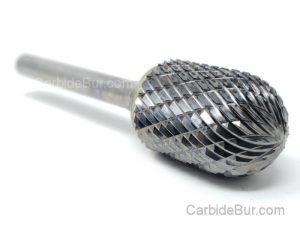
Have you tried our Carbide Burs for your job?
Understanding Weld Grinding Basics
Mastering the art of weld grinding starts with understanding its core principles. With the right techniques, your projects won’t just meet standards; they’ll set them.
Importance of Proper Technique
Getting your grinding technique right is crucial. A smooth, polished finish starts with how you handle your grinder. The benefits? Less wasted time, fewer materials, and a professional look that turns heads. Focusing on technique ensures each pass removes excess weld without damaging the base metal. This means fewer reworks and more time building your next masterpiece. Think of it as laying a solid foundation: strong skills lead to impressive results.
Common Mistakes to Avoid
Avoiding common mistakes can save you hours of frustration. One frequent error is using the wrong angle on the grinder. This can cause gouges or uneven surfaces. Another pitfall is rushing the process. Speeding through grinding can lead to overheating, which damages both the tool and the material. Lastly, neglecting to check your equipment before starting can result in poor performance. Remember, preparation is key: ensure your tools are in top condition for every project.
Essential Tools for Weld Grinding
With a solid grasp of the basics, it’s time to focus on the tools you’ll need. Choosing wisely can make all the difference in your grinding experience.
Choosing the Right Grinder
The right grinder can elevate your work from good to exceptional. A high-quality angle grinder is your best friend. Look for one with adjustable speed settings to match different tasks. A comfortable grip and manageable weight are crucial for extended use without fatigue. Investing in a reliable brand ensures durability, paving the way for consistent results. For more insights, see this grinding guide.
Abrasive Selection for Stainless Steel
Choosing the correct abrasive is just as important as picking the right grinder. For stainless steel, you’ll want to use abrasives specifically designed for the material. These abrasives prevent contamination and reduce the risk of rust. Look for zirconia or ceramic options, as they offer a longer lifespan and superior cutting power. By selecting quality abrasives, you ensure smoother finishes and less downtime from frequent changes. Discover more about abrasive selection here.
Preparing Stainless Steel Surfaces
Preparation is the unsung hero of weld grinding. Proper prep work sets the stage for a flawless finish.
Cleaning and Surface Prep
Before you start grinding, cleanliness is a must. Dirt and debris can cause scratches during grinding. Begin by wiping down the surface with a clean, lint-free cloth. Use a degreaser to remove any oily residue. Once clean, inspect the weld for any visible defects. Addressing these early prevents future issues. A well-prepared surface ensures a smooth grinding process and a stunning end result. For thorough guidelines, consider this resource.

Safety Precautions and Gear
Safety is a priority in any welding project. Always wear protective eyewear to shield against flying debris. Hearing protection is essential, as grinders can be quite loud. Gloves protect your hands from heat and sharp edges, while a dust mask prevents inhalation of harmful particles. Ensuring your safety gear fits correctly is vital for comfort and effectiveness. Prioritize safety so you can focus on perfecting your craft.
Mastering Weld Grinding Techniques
Now comes the exciting part: mastering the techniques that lead to a polished finish. Let’s dive into the steps that bring your projects to life.
Step-by-Step Grinding Process
-
Position Your Grinder: Hold it at a 15-degree angle for optimal control.
-
Use Light Pressure: Let the grinder do the work to prevent overheating.
-
Move Consistently: Keep a steady pace to avoid uneven surfaces.
-
Check Progress: Frequently inspect your work to catch any issues early.
Following these steps ensures a smooth and even finish, minimizing the need for additional passes.
Achieving a Polished Finish
Achieving a polished finish takes patience and attention to detail. After grinding, switch to a finer abrasive for a smooth surface. Gradually work your way to higher grits, which will polish the metal. Keep the grinder moving to prevent heat buildup and achieve an even sheen. A polished finish not only looks great but also protects against corrosion. For additional polishing tips, refer to this article.
Finishing Touches and Maintenance
You’ve done the hard work. Now it’s time to focus on polishing and maintaining your stainless steel projects.
Polishing Stainless Steel
Polishing transforms a good project into a showpiece. Use a polishing compound designed for stainless steel. Apply it with a soft cloth, working in small circles. This process enhances the shine and adds a protective layer against fingerprints and stains. Regular polishing keeps your projects looking new and extends their lifespan.
Tips for Long-lasting Results
To ensure your work stands the test of time, establish a maintenance routine. Regularly inspect your tools for wear and tear. Replace abrasives as needed to maintain efficiency. Clean your stainless steel surfaces frequently to prevent build-up. By taking these simple steps, you’ll preserve the quality and appearance of your projects for years to come. Keep perfecting your craft, and remember, the best results come from consistent practice and care.
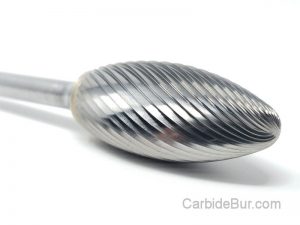
Looking for Carbide Bur Tools?
Check out our entire selection of USA made carbide bur die grinder tool bits
Follow us on Twitter

Return to CarbideBur.com
Carbide Burs – 1/4″ on 1/8″ Shanks – Accessories – Aluminum Cut – Bur Sets – End Mills – Long Shank – Solid Burs
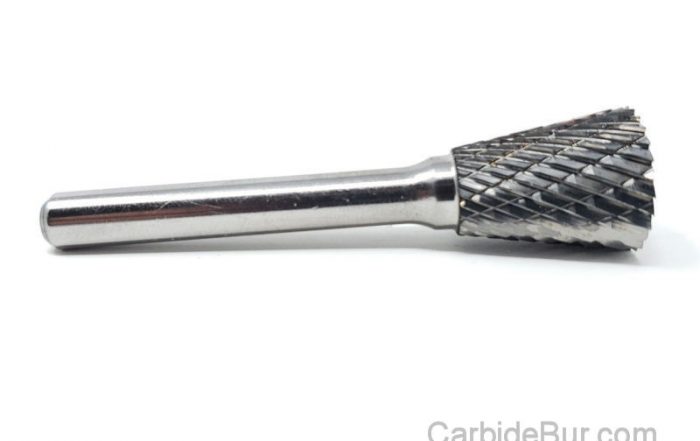
Carbide Burrs for Removing Rust: What Works Best?
Carbide Burrs for Removing Rust: What Works Best? Rust can turn your favorite tools into useless junk faster than you expect. Removing it without ruining the metal underneath takes more than just elbow grease—it demands [...]
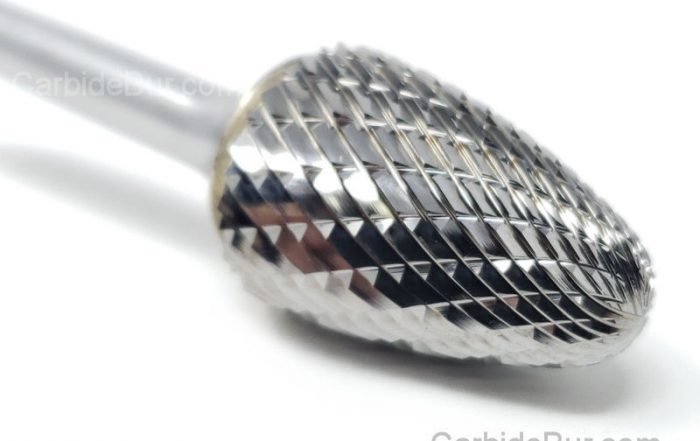
How Much Pressure Should You Use With a Carbide Burr?
How Much Pressure Should You Use With a Carbide Burr? Most people think pressing harder with a carbide burr speeds up the job. That’s not true—too much pressure wears out your tool and ruins the [...]
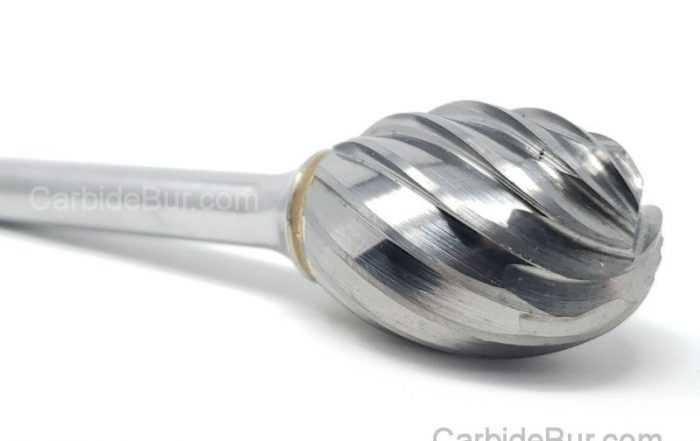
Can You Use Carbide Burrs With an Air Die Grinder?
Can You Use Carbide Burrs With an Air Die Grinder? Most people don’t realize how well carbide burrs work with air die grinders until they try them. If you’ve ever struggled with finding the right [...]
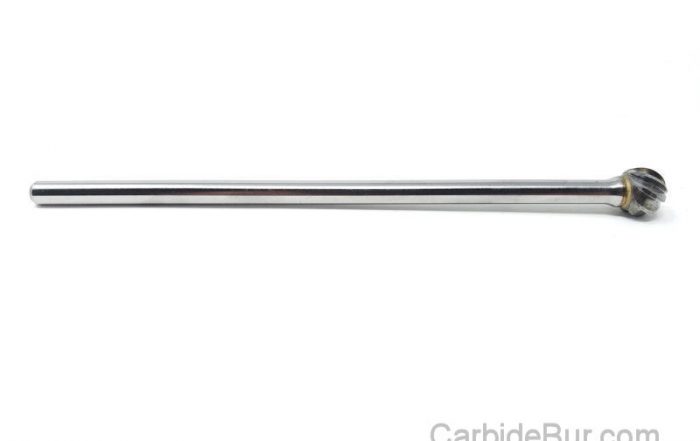
Best Long Reach Carbide Burr for Deep Metal Work
Best Long Reach Carbide Burr for Deep Metal Work Long reach carbide burrs often promise deep metal access, but many fall short where it counts most. You need a tool that cuts cleanly, lasts through [...]
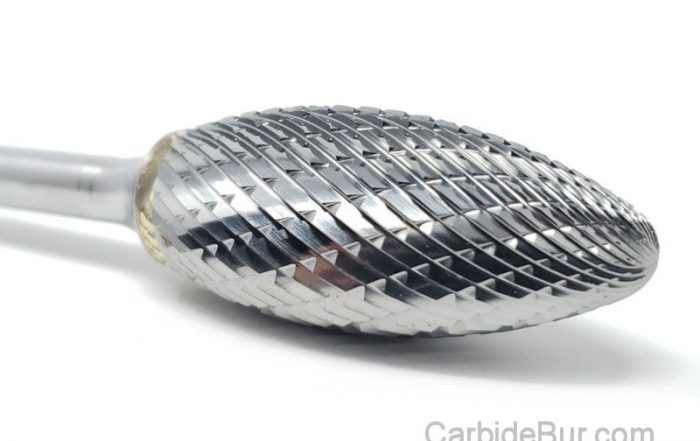
What RPM Should You Use for a 1/8 Inch Carbide Burr?
What RPM Should You Use for a 1/8 Inch Carbide Burr? Most people guess the right carbide burr RPM by feel—and waste hours redoing work. If you want cleaner cuts and longer tool life, your [...]
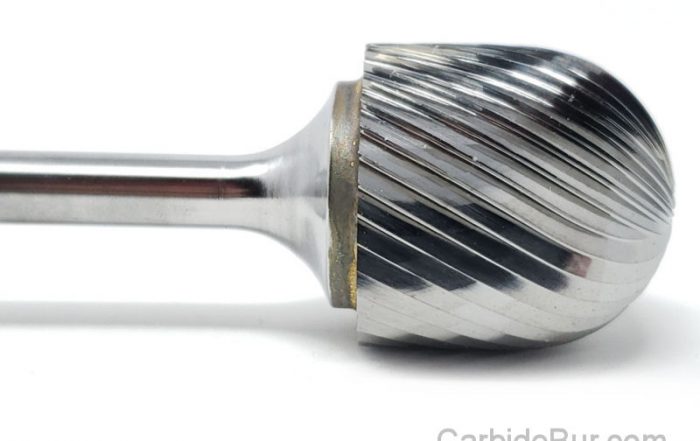
Carbide Burrs for Tight Spaces: Choosing the Right Shape
Carbide Burrs for Tight Spaces: Choosing the Right Shape Tackling tight spaces with the wrong carbide burrs wastes time and risks damaging your work. Choosing the right burr shape makes all the difference when working [...]
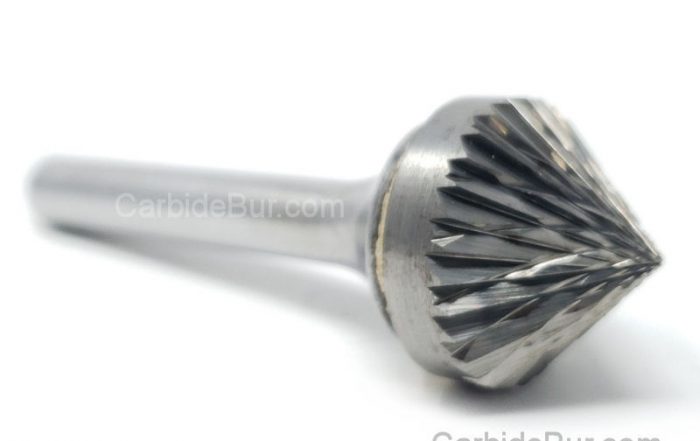
Can Carbide Burrs Remove Paint From Metal?
Can Carbide Burrs Remove Paint From Metal? Stripping paint from metal often feels like a tough chore that risks damaging the surface underneath. Many turn to carbide burrs hoping they can speed things up without [...]
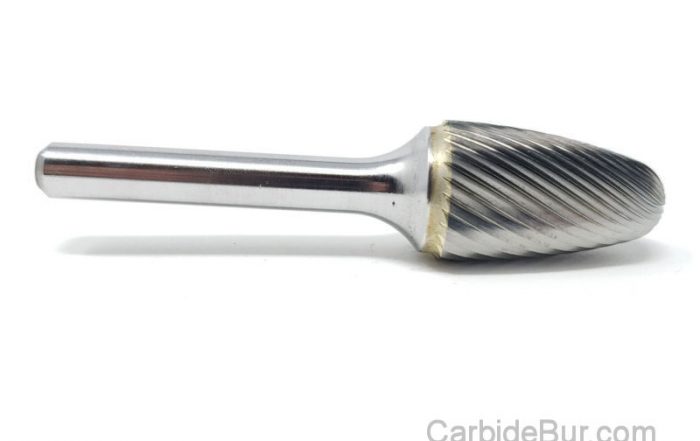
How to Grind a Groove in Metal With a Carbide Burr
How to Grind a Groove in Metal With a Carbide Burr Most metalworkers struggle to cut clean grooves without wasting time or ruining their workpiece. Many try different metalworking tools but end up with uneven [...]
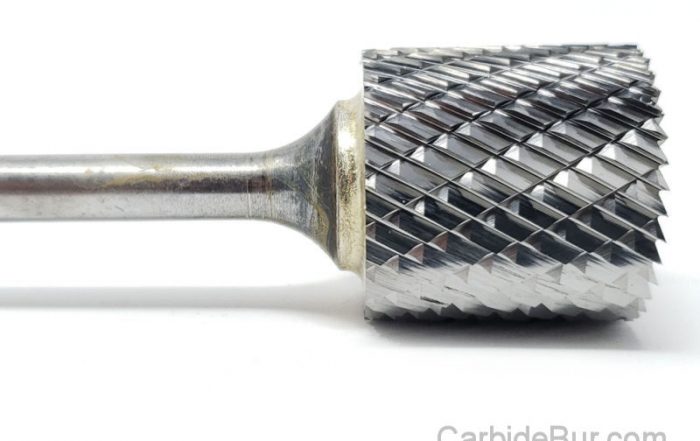
Can Carbide Burrs Cut Through Welds?
Can Carbide Burrs Cut Through Welds? Cutting through welds can feel like a battle, especially when you need clean results without harming the base metal. Carbide burrs offer a sharp edge in this fight, but [...]
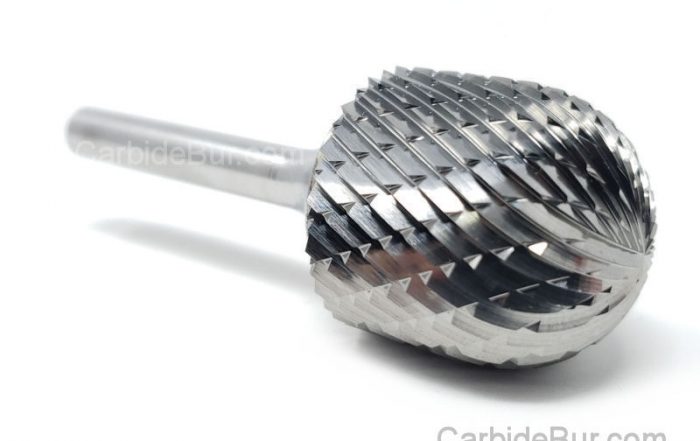
How to Use a Carbide Burr With a Die Grinder
How to Use a Carbide Burr With a Die Grinder Most people treat a carbide burr like just another tool, but using it with a die grinder takes skill. If you’ve struggled with burr installation [...]
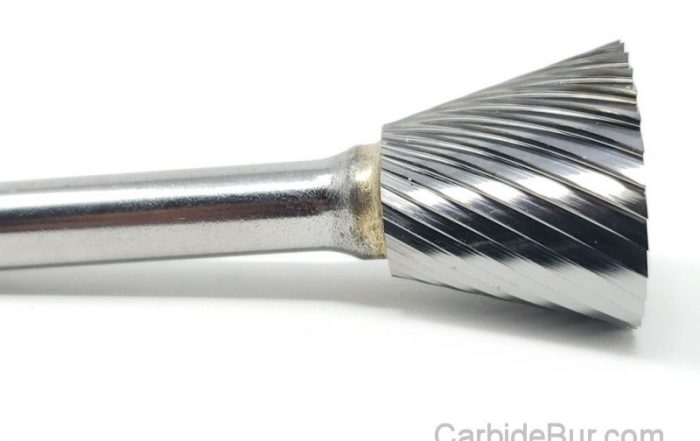
1/8 vs 1/4 Inch Carbide Burrs: What’s the Difference?
1/8 vs 1/4 Inch Carbide Burrs: What's the Difference? Choosing between a 1/8 inch carbide burr and a 1/4 inch carbide burr can change how your project turns out. Many machinists and hobbyists overlook how [...]
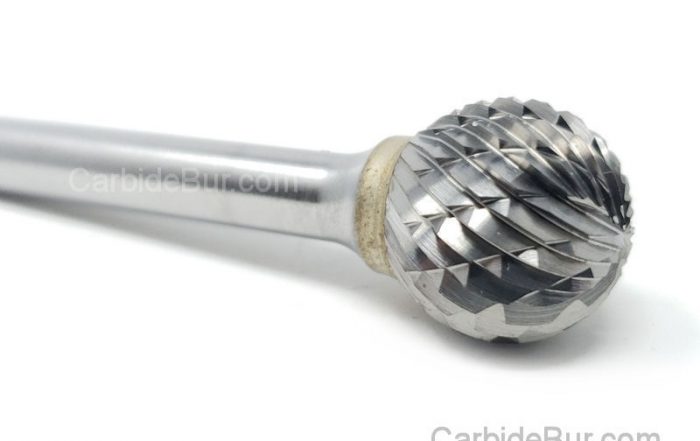
Best Carbide Burr for Removing Flash From Castings
Best Carbide Burr for Removing Flash From Castings Removing flash from castings is a task that can slow down your entire metalworking process if you don’t have the right tools. Picking the best carbide burr [...]
