
Professional Porting Made Easy: The Best Burrs for Cylinder Head Optimization
Forget the guesswork when choosing carbide burrs for porting cylinder heads. Picking the right burr can make a huge difference in airflow and engine performance, yet many miss the details that matter most. This post breaks down the best burr shapes, sizes, and coatings to help you get cleaner cuts and longer tool life. Keep reading to find the perfect carbide burr for your next porting project and push your engine’s potential further. For more information, you can visit this guide.
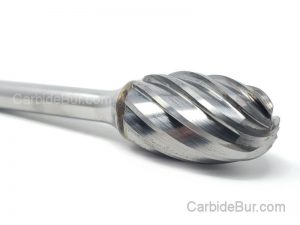
Which carbide bur tool works best for your job?
Understanding Cylinder Head Porting
Porting cylinder heads is more than just a task; it’s an art that can drastically enhance your engine’s performance. To start, understanding the basics will arm you with the knowledge to make informed choices.
What is Porting?
Imagine your engine breathing easier. That’s what porting does: it improves airflow by smoothing and enlarging the pathways in the cylinder heads. This process allows for better combustion, which means more power. When you pick the right tools and techniques, you’re setting the stage for maximum efficiency.
Importance of Porting in Engine Performance
Why bother with porting? Simple: a well-ported cylinder head can boost your engine’s horsepower. By optimizing airflow, you can significantly enhance combustion efficiency. Better flow translates to more power, which is every car enthusiast’s dream. The difference between a ported and non-ported engine is like night and day.
Common Challenges in Porting
Porting isn’t without its hurdles. One major challenge is achieving the perfect balance between enlarging the ports and maintaining enough material for durability. Another is selecting the right tools, which can make or break your project. But don’t worry; by understanding these challenges, you can navigate them with confidence.
Choosing the Best Carbide Burrs
The secret to successful porting often lies in the tools you use. Choosing the right carbide burrs is crucial; they determine how clean and efficient your cuts will be.
Key Features to Consider
When selecting carbide burrs, focus on features that enhance performance. Look for burrs made from high-quality carbide for durability. Pay attention to the cutting flutes: single-cut burrs are great for hard materials, while double-cut burrs offer smoother finishes. Consider the shank size, as it affects the control and precision of your work.
Popular Burr Shapes and Sizes
Not all burrs are created equal. Different shapes serve different purposes. For instance, flame-shaped burrs are perfect for rounding off edges, while cylindrical burrs excel in flat surface work. Sizes matter too: smaller burrs are useful for detailed work, whereas larger ones speed up material removal. Explore various shapes and sizes to discover which best fits your project needs. Check out this discussion for more insights on choosing the right burr shape.
Materials and Tool Coatings
The material and coating of your burrs can greatly impact their lifespan and effectiveness. Tungsten carbide is a popular choice due to its hardness and heat resistance. Coatings like titanium nitride can reduce friction and increase durability. Selecting the right materials and coatings ensures your tools last longer and perform better.
Enhancing Airflow and Efficiency
With the right burrs, you can take your porting skills to the next level. Focus on techniques that enhance airflow and boost engine efficiency.

Techniques for Optimal Port Shapes
Creating the ideal port shape requires practice and precision. Consider the shape of your ports; smooth, even surfaces are key for optimal airflow. Use your burrs to gradually remove material, avoiding sharp edges that can disrupt airflow. Patience pays off: take your time to achieve the best results.
Impact of Burr Selection on Airflow
The burrs you choose directly impact how well air flows through the cylinder head. A poorly chosen burr can create unwanted turbulence, while the right one smooths the path for increased airflow. This can lead to noticeable gains in horsepower and engine performance.
Tips for Professional-Quality Results
Achieving professional results is within your reach. Start by maintaining a steady hand and consistent speed while using your burrs. Regularly check your progress to avoid over-removal of material. Remember, practice makes perfect, and the more you work on your technique, the better your results will be.
Maintaining Your Burrs
To get the most out of your carbide burrs, proper maintenance is crucial. By following best practices, you can extend their life and keep them performing like new.
Cleaning and Storage Best Practices
After each use, clean your burrs to remove debris that can dull the cutting edges. Use a soft brush and mild solvent to ensure they’re spotless. Proper storage is also important; keep them in a dry place, protected from moisture and impact.
Extending Tool Life with Proper Care
Your burrs are an investment. Extend their life by using them at the recommended speeds and applying minimal pressure during use. Avoid overheating by taking breaks during prolonged work sessions. With the right care, your burrs will serve you well for many projects to come.
Building Your Automotive Tool Kit
A successful porting project requires more than just burrs. Building a comprehensive tool kit will prepare you for any challenge that comes your way.
Essential Tools for Porting Cylinder Heads
Beyond carbide burrs, your tool kit should include die grinders, sanding rolls, and polishing wheels. These tools will help you achieve the perfect finish. Consider investing in a multi-speed grinder for better control over your porting tasks.
Where to Find Quality Automotive Tools
Quality tools make all the difference. Look for reputable suppliers who offer a wide range of automotive tools. Online platforms and specialized stores are great places to start. For expert-recommended options, visit Headgames Motorworks.
By understanding the nuances of porting and selecting the right tools, you’re setting yourself up for success. Whether you’re a seasoned pro or just starting out, these insights will guide you in optimizing your engine’s performance.
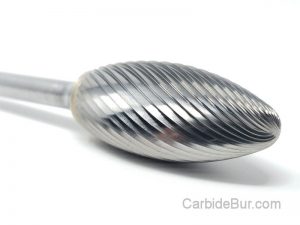
Looking for Carbide Bur Tools?
Check out our entire selection of USA made carbide bur die grinder tool bits
Follow us on Twitter

Return to CarbideBur.com
Carbide Burs – 1/4″ on 1/8″ Shanks – Accessories – Aluminum Cut – Bur Sets – End Mills – Long Shank – Solid Burs
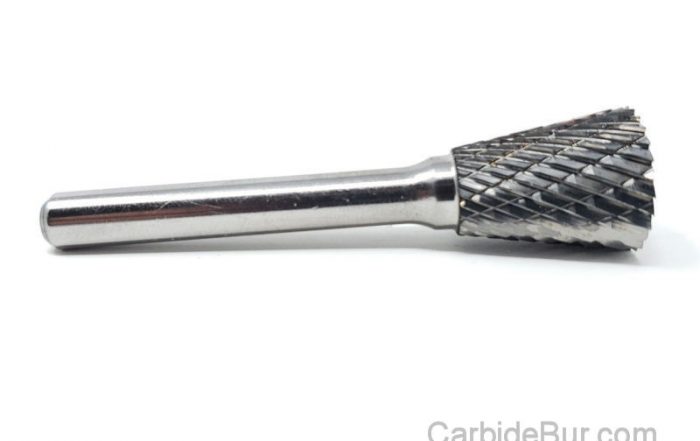
Carbide Burrs for Removing Rust: What Works Best?
Carbide Burrs for Removing Rust: What Works Best? Rust can turn your favorite tools into useless junk faster than you expect. Removing it without ruining the metal underneath takes more than just elbow grease—it demands [...]
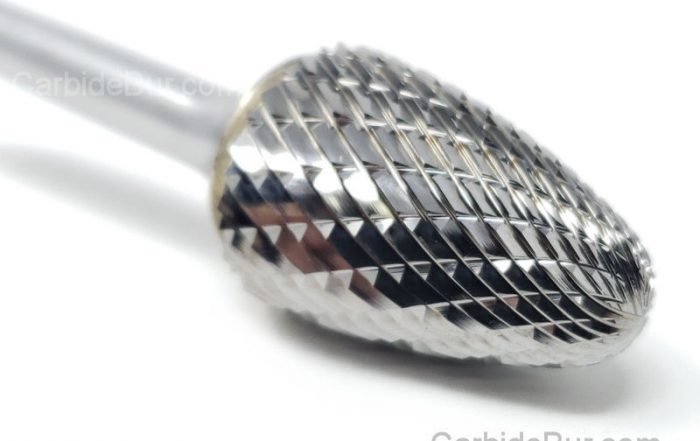
How Much Pressure Should You Use With a Carbide Burr?
How Much Pressure Should You Use With a Carbide Burr? Most people think pressing harder with a carbide burr speeds up the job. That’s not true—too much pressure wears out your tool and ruins the [...]
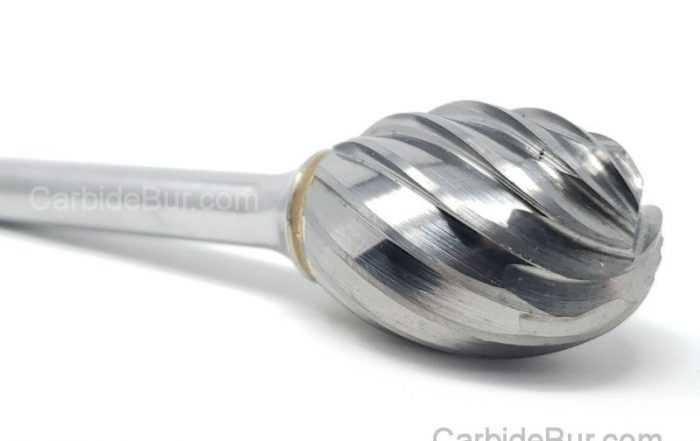
Can You Use Carbide Burrs With an Air Die Grinder?
Can You Use Carbide Burrs With an Air Die Grinder? Most people don’t realize how well carbide burrs work with air die grinders until they try them. If you’ve ever struggled with finding the right [...]
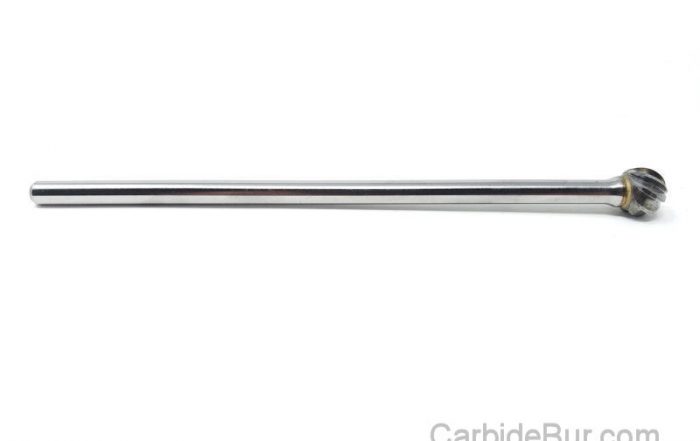
Best Long Reach Carbide Burr for Deep Metal Work
Best Long Reach Carbide Burr for Deep Metal Work Long reach carbide burrs often promise deep metal access, but many fall short where it counts most. You need a tool that cuts cleanly, lasts through [...]
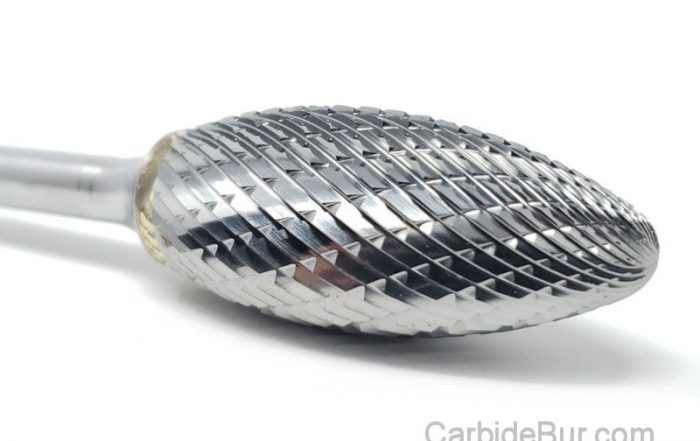
What RPM Should You Use for a 1/8 Inch Carbide Burr?
What RPM Should You Use for a 1/8 Inch Carbide Burr? Most people guess the right carbide burr RPM by feel—and waste hours redoing work. If you want cleaner cuts and longer tool life, your [...]
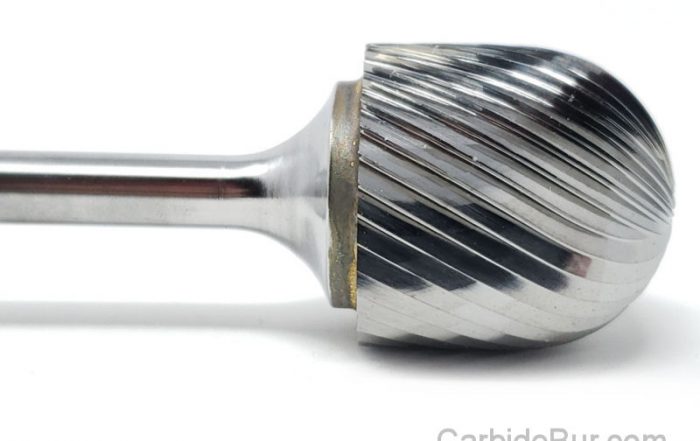
Carbide Burrs for Tight Spaces: Choosing the Right Shape
Carbide Burrs for Tight Spaces: Choosing the Right Shape Tackling tight spaces with the wrong carbide burrs wastes time and risks damaging your work. Choosing the right burr shape makes all the difference when working [...]
Can Carbide Burrs Remove Paint From Metal?
Can Carbide Burrs Remove Paint From Metal? Stripping paint from metal often feels like a tough chore that risks damaging the surface underneath. Many turn to carbide burrs hoping they can speed things up without [...]
How to Grind a Groove in Metal With a Carbide Burr
How to Grind a Groove in Metal With a Carbide Burr Most metalworkers struggle to cut clean grooves without wasting time or ruining their workpiece. Many try different metalworking tools but end up with uneven [...]
Can Carbide Burrs Cut Through Welds?
Can Carbide Burrs Cut Through Welds? Cutting through welds can feel like a battle, especially when you need clean results without harming the base metal. Carbide burrs offer a sharp edge in this fight, but [...]
How to Use a Carbide Burr With a Die Grinder
How to Use a Carbide Burr With a Die Grinder Most people treat a carbide burr like just another tool, but using it with a die grinder takes skill. If you’ve struggled with burr installation [...]
1/8 vs 1/4 Inch Carbide Burrs: What’s the Difference?
1/8 vs 1/4 Inch Carbide Burrs: What's the Difference? Choosing between a 1/8 inch carbide burr and a 1/4 inch carbide burr can change how your project turns out. Many machinists and hobbyists overlook how [...]
Best Carbide Burr for Removing Flash From Castings
Best Carbide Burr for Removing Flash From Castings Removing flash from castings is a task that can slow down your entire metalworking process if you don’t have the right tools. Picking the best carbide burr [...]
