
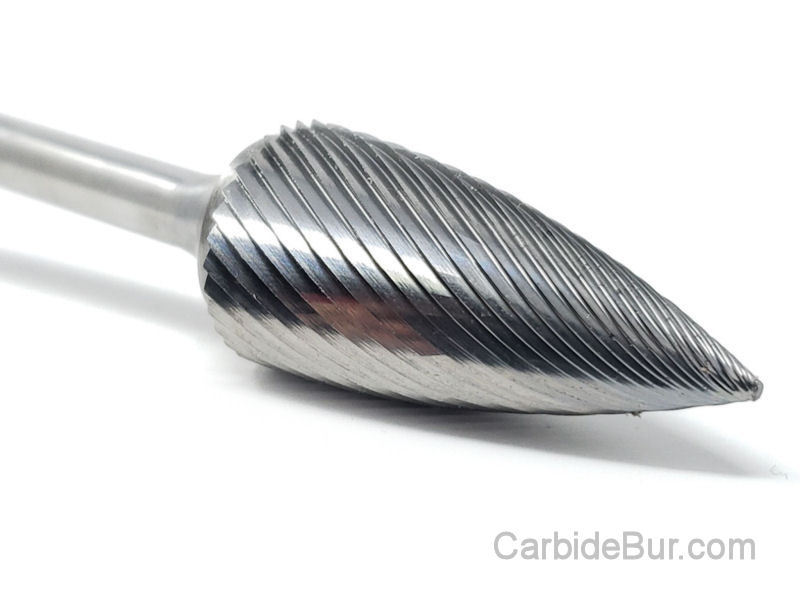
How Carbide Bur Sets Enhance Texturing and Material Removal
In the world of craftsmanship, the right tools can elevate an artisan’s work from ordinary to extraordinary, and a versatile carbide bur set is no exception. These remarkable tools are essential for mastering a variety of techniques such as intricate engraving, precision shaping, and effective material removal, making them indispensable for artisans working with wood, metal, and stone. By integrating carbide bur set techniques into their work, craftsmen can achieve unparalleled detail and precision, allowing their creative visions to shine through in every piece. Whether you’re a seasoned professional or an enthusiastic hobbyist, understanding how to effectively use these craftsmanship tools can significantly enhance the quality of your projects. Join us as we delve into the world of engraving techniques, texturing with carbide burs, and more, to unlock the full potential of your artistic endeavors. For more detailed information, you can refer to this ultimate guide to carbide burrs for wood carving.
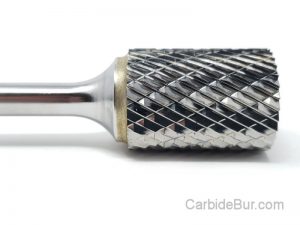
Mastering Carbide Bur Set Techniques
Carbide bur sets offer a wide range of techniques that can elevate your craftsmanship. They are indispensable for artisans who need detailed precision across various materials. This section introduces you to the fundamental techniques of engraving, precision shaping, and achieving pristine surface finishes.
Engraving Techniques for Artisans
Engraving is a delicate art that requires skill and precision. Carbide bur sets are perfect for mastering this technique due to their durability and versatility. Engraving involves etching intricate designs onto various surfaces like wood, metal, and stone.
-
Select the right bur: Different shapes and sizes cater to various detailing needs.
-
Set your tool’s speed: Adjust the rotary tool’s speed depending on the material.
-
Maintain a steady hand: Consistency is key for uniform designs.
For artisans seeking to expand their skills, CarbideBur.com offers a comprehensive guide to choosing the right bur for engraving.
Real-world example: A jeweler uses carbide burs to engrave personalized messages on metal jewelry, creating unique, handcrafted pieces that stand out in the market. This precision not only enhances the aesthetic but also increases the personalized value of the product.
-
Key Insights:
-
Engraving requires a steady hand and focus.
-
Choosing the correct bur enhances the quality of the design.
-
Practice improves engraving speed and accuracy.
-
Precision Shaping Tools for Detail
Precision shaping is crucial for detailed work, and carbide burs excel in this area. These tools allow artisans to shape materials with a high degree of accuracy, essential for creating intricate designs.
Precision shaping tools, like carbide burs, help in achieving the desired shape by removing excess material. Control and precision are vital when working on detailed sections of a project.
-
Start with a rough shape using a larger bur.
-
Transition to finer burs to refine details.
-
Periodically check your progress to ensure accuracy.
According to CarbideBurr.net, using carbide burs for precision shaping ensures longevity and efficiency, making them a preferred choice for artisans.
Example: A woodworker uses precision shaping tools to create detailed carvings on wooden furniture. The intricate detailing adds both aesthetic and monetary value to the final product.
Key Takeaways:
-
Precision shaping enhances the quality of craftsmanship.
-
Layered approach from coarse to fine enhances detail.
-
Regular checking ensures accuracy and prevents mistakes.
Craftsmanship Tools for Surface Finishes
Surface finishing is the final touch that defines the quality of a piece. Craftsmanship tools, such as carbide burs, ensure surfaces are smooth and polished.
Smooth finishes are achieved by gradually refining the surface through successive stages. This process is often overlooked but significantly impacts the final appearance and feel of the product.
-
Start with a coarse bur to remove major imperfections.
-
Progress to finer burs for smoothing.
-
Finish with a polishing bur for shine.
The Rio Grande website offers a variety of bur sets ideal for achieving excellent surface finishes.
Case Study: A stone carver uses carbide burs to achieve a polished finish on marble sculptures. The bur’s precision allows for a flawless surface that highlights the stone’s natural beauty.
-
Takeaways:
-
Surface finishing is critical for professional results.
-
Successive stages ensure a smooth, polished finish.
-
The right tools make a significant difference in quality.
-
Effective Material Removal Tools
Material removal is a fundamental aspect of many crafting projects, and having the right tools is essential. Carbide burs excel at this task, offering artisans the ability to remove material swiftly and accurately.
Removing Material with Precision
Precision is paramount when removing material, whether to carve a design or prepare a surface. Material removal tools, like carbide burs, provide the control needed to achieve this.
Using carbide burs for material removal involves:
-
Choosing the appropriate bur for the material type.
-
Setting the correct speed on your tool.
-
Maintaining consistent pressure to avoid gouging.
ToolsToday.com provides an excellent resource on selecting the right burr bit for specific tasks.
Example: A metalworker uses different carbide burs to remove excess metal from a sculpture, ensuring precise shaping and detailing.
Insights:
-
Precision is key in material removal.
-
Consistent pressure prevents mistakes.
-
Correct speed and bur choice enhance results.
Enhancing Texturing with Carbide Burs
Texturing adds depth and character to crafted pieces. Texturing with carbide burs allows artisans to create unique patterns and effects on various surfaces.
Texturing involves using different bur shapes and sizes to achieve desired effects. This technique is crucial for adding detail and enhancing visual appeal.
-
Experiment with different burs to find suitable textures.
-
Practice on scrap material to refine technique.
-
Use layered textures for more complex designs.
Visit CarbideBur.com for inspiration and tutorials on texturing techniques.
Real-world example: A craftsman uses carbide burs to texture wooden panels, adding depth and interest to wall designs. The textured surface enhances both the visual and tactile experience.
Key Points:
-
Texturing adds dimension and interest.
-
Experimentation is essential for mastering textures.
-
Layered techniques create complex designs.
Find more carbide bur die grinder tool bits here
How to Choose the Best Carbide Burr for Every Task
The Ultimate Burr Shape Chart: How to Choose the Best Carbide Burr for Every Task Choosing the right carbide burr shape can feel like guesswork when every task demands a different cut. You’ve got tree [...]
Port Matching Techniques for Automotive Enthusiasts
Mastering Carbide Burs: Port Matching Techniques for Automotive Enthusiasts Most engine porting guides leave out the real secrets to using carbide burs right. If you’ve wasted time guessing the right RPM or picked the wrong [...]
Top 5 Carbide Burr Mistakes Beginners Make and How to Avoid Them
Top 5 Carbide Burr Mistakes Beginners Make and How to Avoid Them Most beginners make the same costly carbide burr mistakes without even realizing it. If you’ve struggled with rough finishes or broken bits, you’re [...]
The Expert’s Guide to Chamfering and Edge Breaking with Carbide Burrs
The Expert's Guide to Chamfering and Edge Breaking with Carbide Burrs Most metal shaping tools only scratch the surface. If your edges still feel rough or your welds aren’t smooth, you’re missing a key step. [...]
The Ultimate Guide to Using Carbide Burrs on Aluminum Without a Hitch
The Ultimate Guide to Using Carbide Burrs on Aluminum Without a Hitch Clogged carbide burrs can turn your aluminum machining project into a frustrating mess fast. You’ve probably wasted hours scraping off gunk instead of [...]
Your Go-To Welding Tools for Fast and Effective Cleaning
Carbide Burrs: Your Go-To Welding Tools for Fast and Effective Cleaning Welding cleanups often drag on longer than they should, costing you time and precision. If you’re tired of scrubbing weld spatter that just won’t [...]
Practical Burr Maintenance Tips for Cost-Savvy Machinists
Practical Burr Maintenance Tips for Cost-Savvy Machinists Most machinists replace carbide burrs too late or too soon, wasting both time and money. Your tools wear down faster when you miss the signs to replace carbide [...]
Jewelry Making and Engraving Techniques Using Carbide Burs
Jewelry Making and Engraving Techniques Using Carbide Burs Carbide burs aren’t just for rough cuts or quick fixes—you’re missing out if you think that’s all they do. These small tools can add precision and detail [...]
How to Choose Between Single Cut and Double Cut Carbide Burrs
Master Your Projects: How to Choose Between Single Cut and Double Cut Carbide Burrs Picking the wrong carbide burr can turn a simple project into a frustrating mess. You’ve got single cut burrs and double [...]
Achieve Precision with the Right Carbide Burr Usage and RPM
Achieve Precision with the Right Carbide Burr Usage and RPM Most people run carbide burrs way too fast or too slow without realizing it. That’s costing you time, tool life, and the smooth finish you [...]
Why Carbide Burrs Outshine Grinding Wheels in Woodworking and Metalworking
Why Carbide Burrs Outshine Grinding Wheels in Woodworking and Metalworking Grinding wheels have long been the go-to for shaping metal and wood, but they often fall short when precision work is on the line. If [...]
Choosing the Best Burr Shapes and Tools for Flawless Metalworking
Choosing the Best Burr Shapes and Tools for Flawless Metalworking Removing burrs can feel like walking a tightrope—one wrong move, and your parts get damaged. If you want clean edges without the risk, mastering deburring [...]

Leave A Comment
You must be logged in to post a comment.