
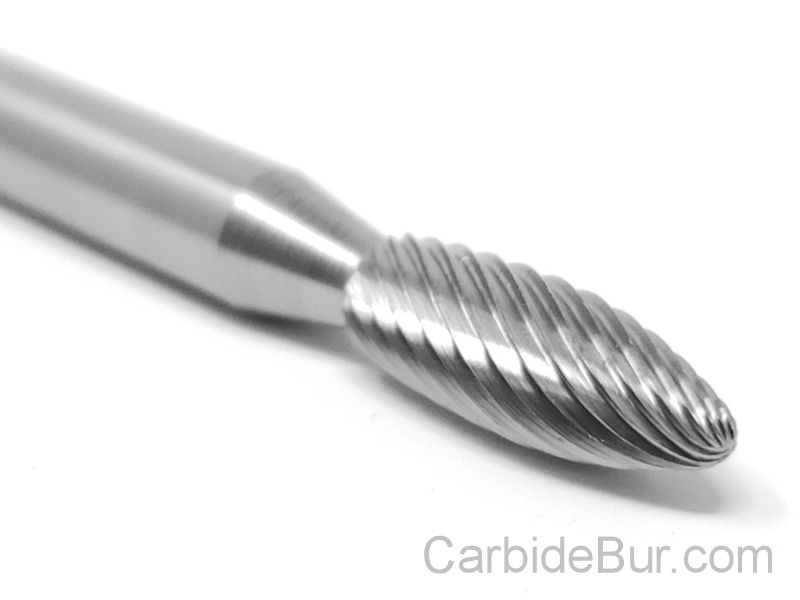
How Carbide Burr Die Grinders Revolutionize Metalworking and Woodworking
In the world of metalworking and woodworking, precision and efficiency are paramount, and the carbide burr die grinder stands out as a revolutionary tool that caters to these needs. Known for its versatility and robustness, this tool has become indispensable for professionals and DIY enthusiasts alike, enhancing both the quality and speed of projects across various fabrication methods. With its ability to handle intricate detailing in metalworking and refine delicate woodworking techniques, the carbide burr die grinder is a must-have in any craftsman’s toolkit. This article will delve into the diverse types of these precision tools, offering insights into their applications and best practices for maximizing tool efficiency. Join us as we explore how this remarkable innovation is transforming the landscape of metal and woodworking crafts. For more information, visit this guide.
Understanding Carbide Burr Die Grinders
Carbide burr die grinders have become essential in both metalworking and woodworking. This section explores their role, types, and precision.
The Role of Carbide Burrs
Carbide burrs are small, rotary cutting tools designed to remove material. They’re made from tungsten carbide, a material that’s both extremely hard and durable. This makes them ideal for cutting, shaping, and grinding tough materials like metal and wood.
The primary role of carbide burrs is to provide precision, allowing users to create intricate details. Whether you’re working with metal or wood, these tools can help achieve a smooth finish.
In metalworking, carbide burrs are used to clean up welds, create bevels, and perform deburring. In woodworking, they assist in sculpting and finishing. For more on carbide burrs, check out this guide.
Types of Die Grinders
There are two main types of die grinders: electric and pneumatic.
-
Electric Die Grinders: These are powered by electricity and are often used for heavy-duty tasks. They provide constant power and are ideal for jobs requiring sustained use.
-
Pneumatic Die Grinders: These operate using compressed air. They are generally lighter and offer more control, making them suitable for intricate work.
Choosing between them depends on the task at hand. Electric grinders are preferred for larger projects, while pneumatic ones are favored for their precision in detailed work. For a deeper dive into die grinders, visit this resource.
Precision in Metalworking Tools
Precision tools are crucial in metalworking to ensure accuracy and quality. Carbide burr die grinders excel in this area due to their ability to deliver detailed work without compromising speed.
They allow users to perform tasks such as edge finishing, surface smoothing, and removing burrs with high precision. This results in cleaner cuts and reduced material wastage.
For those in the metalworking industry, investing in a high-quality carbide burr die grinder can significantly enhance the quality of work produced. Learn more about precision in metalworking tools at this page.
Applications in Metalworking
Carbide burr die grinders offer many applications in metalworking, aiding in precision, efficiency, and versatile fabrication methods.
Enhancing Metalwork Precision
Enhancing precision in metalwork is vital, and carbide burr die grinders play a significant role. They allow for meticulous detailing and finishing, essential for high-quality metal projects.
These tools help in removing sharp edges, cleaning welds, and shaping metal with exactness. For professionals, using these grinders can drastically reduce the time spent on finishing processes, thereby improving overall productivity.
With their ability to handle hard metals, carbide burrs ensure that the finished product meets industry standards. For an in-depth understanding, refer to this article.
Fabrication Methods with Die Grinders
In metalworking, fabrication methods are enhanced using die grinders. Their versatility allows them to perform various tasks like cutting, shaping, and polishing.
-
Cutting: Carbide burrs can slice through metal efficiently, making them perfect for cutting operations.
-
Shaping: They assist in sculpting metal into desired shapes with precision.
-
Polishing: Their ability to smooth surfaces enhances the final appearance of metal parts.
The choice of burr and grinder type often depends on the specific fabrication method being employed. Visit this resource for more on how these tools can optimize fabrication processes.
Boosting Tool Efficiency
Boosting tool efficiency is paramount in any craft. Carbide burr die grinders contribute to this by enabling quick and precise work.
-
Time Efficiency: They reduce the time needed for manual finishing tasks.
-
Quality Assurance: They ensure high-quality finishes without the need for additional tools.
-
Longevity: Made from durable materials, these tools promise long-term use with minimal wear.
For professionals looking to maximize productivity, these grinders are invaluable. More insights can be found at this page.
Woodworking Techniques with Carbide Burrs
Carbide burr die grinders are not just for metal; they also offer significant advantages in woodworking by enhancing detail, application versatility, and finish quality.
Fine Detail in Woodworking
In woodworking, achieving fine detail is often a priority. Carbide burr die grinders enable artisans to carve intricate patterns and shapes with ease.
They can be used to add texture or refine edges, making them indispensable for detailed work. The precision they offer ensures that even the most complex designs are possible without compromising the integrity of the wood.
For those involved in creating art pieces or detailed furniture, these tools open new possibilities. Explore more about their applications in woodworking here.
Versatile Applications in Carpentry
Carpentry benefits greatly from the versatility of carbide burr die grinders. They can perform tasks like hollowing, shaping, and detailing with precision.
-
Hollowing: Perfect for creating depressions or cavities in wood.
-
Shaping: Allows carpenters to sculpt wood into various forms.
-
Detailing: Enables the addition of intricate designs to surfaces.
The adaptability of these tools makes them a must-have for any woodworking professional. For more versatile uses, visit this resource.
Improving Quality and Finish
Quality and finish are critical in woodworking. Using carbide burr die grinders ensures that the final product is polished and professional.
These tools help remove imperfections, resulting in a smoother finish. They also allow for consistent results across multiple pieces, essential for projects with tight tolerances.
For artisans keen on delivering top-tier work, incorporating these grinders can significantly enhance the end result. More on improving woodwork quality can be found here.
Best Practices for Selection and Use
Selecting the right carbide burr die grinder is crucial. This section covers how to choose, use safely, and maintain these precision tools.
Choosing the Right Die Grinder
Choosing the right die grinder involves considering your specific needs. Here are key factors to keep in mind:
-
Type of Work: Determine if you need more power (electric) or precision (pneumatic).
-
Material Compatibility: Ensure the grinder is suitable for the materials you work with.
-
Budget: Balance cost against the features and durability needed.
By evaluating these aspects, you can select a grinder that meets your needs and enhances your workflow. For more guidance, visit this page.
Safety Tips for Optimal Use
Safety is paramount when using carbide burr die grinders. Here are some tips:
-
Wear Protective Gear: Always use gloves and goggles.
-
Follow Instructions: Adhere to the manufacturer’s guidelines.
-
Maintain Equipment: Regularly check and maintain tools to ensure safe operation.
By prioritizing safety, you can prevent accidents and prolong the life of your tools. For comprehensive safety protocols, review this guide.
Maintaining Precision Tools
Maintaining your precision tools is essential for longevity and performance. Here are some steps:
-
Regular Cleaning: Remove debris and dust after use.
-
Lubrication: Ensure moving parts are well-lubricated.
-
Inspection: Regularly check for wear and tear.
Proper maintenance not only extends tool life but also ensures optimal performance. For more maintenance tips, visit this resource.
Enhancing Project Efficiency and Quality
To achieve efficient and high-quality results, it is crucial to leverage the right tools and techniques. This section provides insight into enhancing project outcomes.
Time-Saving Techniques
Incorporating time-saving techniques is vital for project efficiency. Here are some tips:
-
Pre-Plan: Outline steps and gather materials in advance.
-
Use Quality Tools: Invest in reliable tools to minimize downtime.
-
Streamline Processes: Identify and eliminate unnecessary steps in your workflow.
By adopting these strategies, you can complete projects faster without sacrificing quality. For detailed techniques, check out this page.
Achieving Professional Results
Achieving professional results requires attention to detail and the right tools. Here are some insights:
-
Precision: Use carbide burr die grinders for clean, detailed work.
-
Consistency: Maintain uniform techniques across projects.
-
Finish: Focus on the finishing touches to enhance product appeal.
These practices ensure that the final product meets industry standards and client expectations. More on professional results can be found here.
Long-Term Benefits for DIY Enthusiasts
For DIY enthusiasts, investing in carbide burr die grinders offers several long-term benefits:
-
Skill Development: Enhances craftsmanship and techniques.
-
Cost Saving: Reduces the need for professional services.
-
Project Versatility: Expands the range of potential DIY projects.
Through these advantages, enthusiasts can enjoy a more rewarding and economical DIY experience. For further benefits, explore this guide.
Comparing Electric and Pneumatic Die Grinders with Carbide Burrs
Power and Precision: Comparing Electric and Pneumatic Die Grinders with Carbide Burrs Choosing the right die grinder for your carbide burrs can feel like a maze. Electric die grinders promise power at your fingertips, while [...]
The Top Tools Driving the Future of Aerospace Machining
The Top Tools Driving the Future of Aerospace Machining The demand for aerospace machining has surged, pushing manufacturers to deliver high-precision metal parts faster than ever. Meeting tight standards while cutting lead times in aerospace [...]
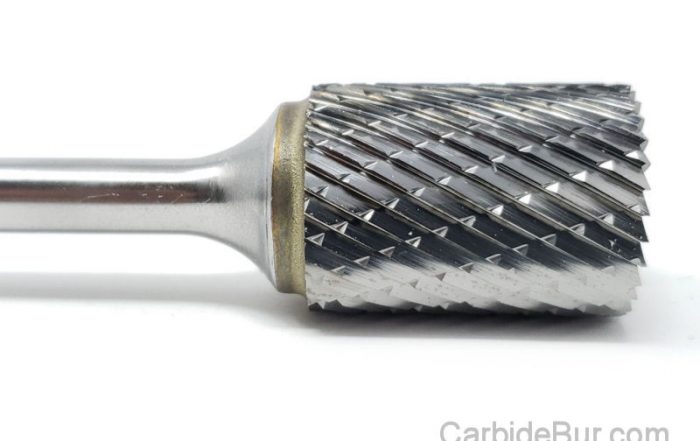
Mastering Carbide Burrs for Enhanced Engine Performance
Beginner's Guide to Engine Porting: Mastering Carbide Burrs for Enhanced Engine Performance Most beginners think engine porting is just about grinding metal. The truth is, mastering carbide burrs can change how air moves through your [...]
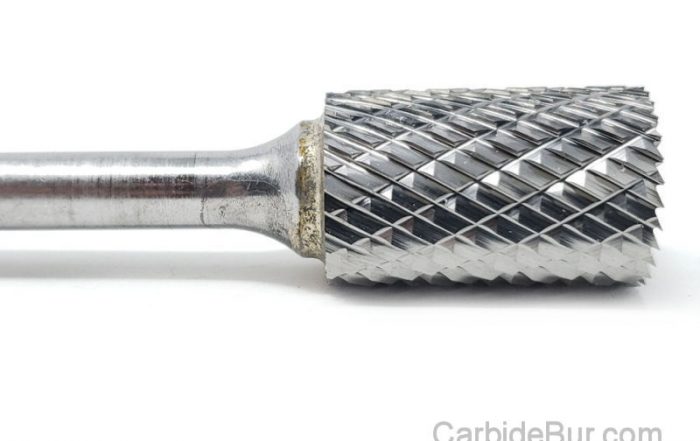
Unveiling the Secrets of Burr Cutting Efficiency: Double-Cut or Single-Cut?
Unveiling the Secrets of Burr Cutting Efficiency: Double-Cut or Single-Cut? Most metalworkers hit a wall choosing between double-cut carbide burrs and single-cut carbide burrs. Picking the wrong one can slow your work or wear your [...]
How Specialized Carbide Burrs Are Revolutionizing Aluminum Fabrication for Cleaner Cuts
How Specialized Carbide Burrs Are Revolutionizing Aluminum Fabrication for Cleaner Cuts Most aluminum fabricators still wrestle with rough edges and extra cleanup after machining. Those extra steps cost you time and eat into your profits. [...]
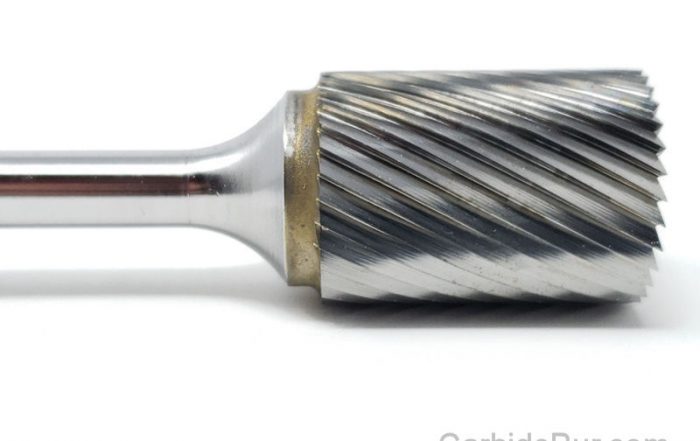
U.S. Manufacturing Reshoring: The Role of Domestic Tool Suppliers in 2026
U.S. Manufacturing Reshoring: The Role of Domestic Tool Suppliers in 2026 U.S. manufacturing is shifting closer to home faster than many expected. By 2026, reshoring trends are reshaping how supply chains function, with domestic tool [...]
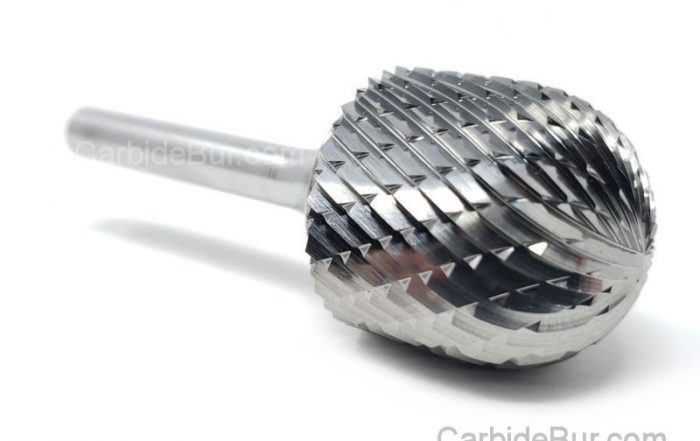
From Casting Flash to Weld Blending: Essential Techniques for 2026
From Casting Flash to Weld Blending: Essential Techniques for 2026 Forget the old ways of finishing parts in automotive production. As electric vehicles and autonomous vehicle production grow, the need for precise deburring processes and [...]
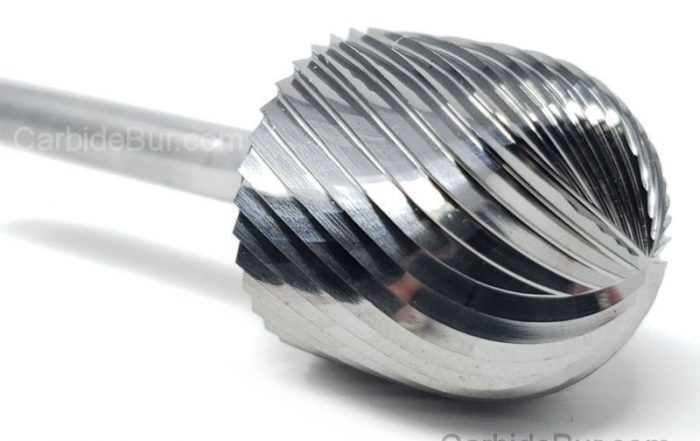
Understanding the Surge in Cutting Tool Costs and Effective Waste Reduction in Machining
Understanding the Surge in Cutting Tool Costs and Effective Waste Reduction in Machining Cutting tool costs have jumped noticeably in recent years, squeezing machine shop budgets tighter than ever. Raw material scarcity and supply chain [...]
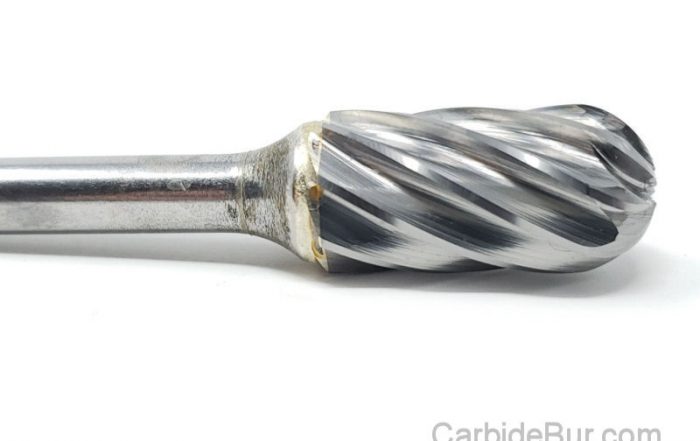
Choosing the Right Carbide Burr Shape for Your Metalworking Projects
Choosing the Right Carbide Burr Shape for Your Metalworking Projects You might think all carbide burr shapes do the same job, but that’s far from true. Choosing the wrong shape can waste time and leave [...]
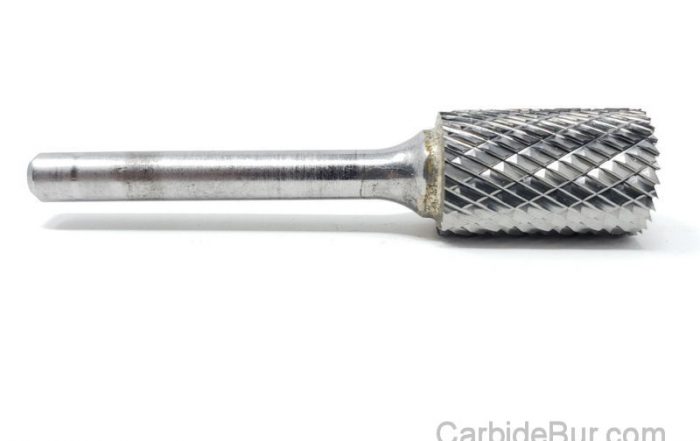
U.S. Cutting Tool Shipments Reach New Heights
U.S. Cutting Tool Shipments Reach New Heights: What It Means for Manufacturing Professionals U.S. cutting tool shipments soared to $278.1 million in July 2026, marking a 29% jump from last year. If you’re in fabrication [...]
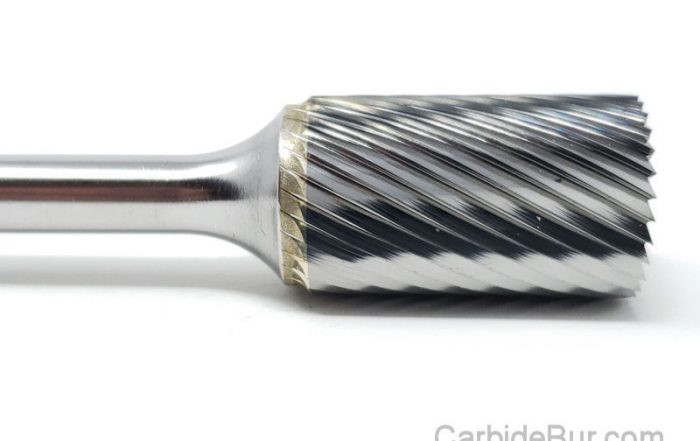
How 3D-Printed Carbide is Redefining Precision Toolmaking with Kennametal’s Latest Technology
How 3D-Printed Carbide is Redefining Precision Toolmaking with Kennametal's Latest Technology Custom hole-finishing tools have long faced limits in design and cooling options that hold back their performance. Kennametal’s new 3D-printed carbide grade changes that [...]

The Future of Additive Manufacturing in Aerospace and Automotive Industries
The Future of Additive Manufacturing in Aerospace and Automotive Industries Metal 3D printing is no longer just a concept for prototypes; it’s scaling up fast in aerospace and automotive fields. But raw prints don’t meet [...]
