
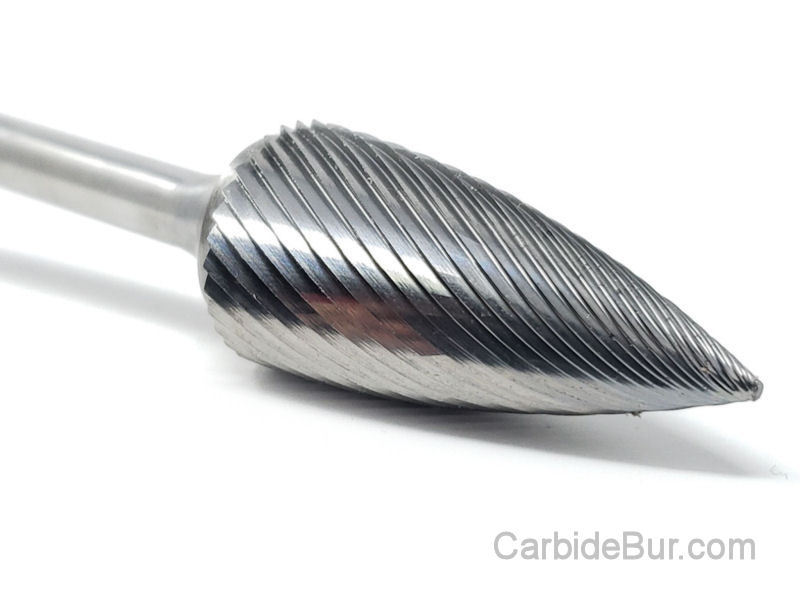
How Do Carbide Burrs Optimize Efficiency In Challenging Materials?
There’s a growing demand for high-performance tools that enhance your productivity, particularly when working with tough materials. Carbide burrs have emerged as a go-to solution for many professionals in machining and fabrication. Their unique properties allow you to efficiently shape, grind, and finish a variety of hard substances that standard tools may struggle with. Understanding how these burrs function can help you maximize your output while minimizing wear and tear on your equipment.
Find more carbide bur die grinder tool bits here
Understanding Carbide Burrs
The use of carbide burrs is widespread in various industries due to their ability to efficiently and precisely shape materials. These cutting tools, made primarily from tungsten carbide, excel in applications where traditional methods struggle. Their robust construction and sharp edges make them ideal for working on metals, plastics, and other challenging materials, enhancing your tool’s versatility and performance.
Composition and Design
With a composition primarily containing tungsten carbide and cobalt, carbide burrs are designed for optimal hardness and wear resistance. This unique blend allows them to maintain sharpness even in demanding conditions. Their intricate designs, often featuring various flute patterns and shapes, enable effective material removal while providing smooth finishes.
Types of Carbide Burrs
About carbide burrs, there are several types available, each tailored for specific applications and materials. You must choose the right type based on your project requirements. Here are some common types:
- Ball shape
- Cylinder shape
- Tree shape
- Flame shape
- Cutting edge variations
Knowing the type of carbide burr best suited for your task can significantly enhance your efficiency and final results.
| Type | Shape |
| Ball shape | Round tip for concave surfaces |
| Cylinder shape | Straight edges for flat surfaces |
| Tree shape | Pyramid style for intricate designs |
| Flame shape | Curved edge for contours and grooves |
The types of carbide burrs you select can play a significant role in your machining process. Understanding the variety allows you to approach projects with confidence and efficiency.
- Material suitability
- Flute design for cutting speed
- Tool longevity
- Project finish quality
- Cutting depth control
Knowing which type aligns with your tasks enhances not only your efficiency but also the quality of your work.
| Advantage | Benefit |
| Versatility | Applicable in diverse materials |
| Durability | Long life span under tough conditions |
| Precision | Accurate shaping and finishing |
| Speed | Reduces time spent on tasks |
The Importance of Efficiency in Material Removal
If you are involved in machining or manufacturing, efficiency in material removal is vital. It directly impacts your productivity, reduces machine wear, and enhances product quality. Optimizing your processes helps you meet deadlines, minimize operational costs, and maintain competitiveness in the market.
Challenges with Hard Materials
Importance lies in understanding that hard materials, such as titanium or hardened steel, present unique challenges in machining. These materials often lead to increased tool wear, prolonged machining times, and the need for frequent tool changes, all of which can hinder your efficiency.
Cost Implications of Inefficient Processes
At the same time, inefficiencies in your processes can significantly increase costs. Higher wear on tools and machines leads to more frequent replacements and maintenance, adding to your overall expenses. Additionally, slow processing speeds can delay project timelines and affect your bottom line.
A thorough analysis of inefficiencies in your operations can reveal substantial cost savings. By minimizing downtime and tool replacements, you can enhance your profit margins. Investing in effective tools, such as carbide burrs, not only improves efficiency but ultimately pays off by lowering operational costs and boosting productivity.
How Carbide Burrs Enhance Performance
Some of the ways carbide burrs improve performance include their ability to maintain cutting capacity while minimizing wear. Their specialized shapes and high manufacturing standards ensure that you achieve optimal results, even when working with tough materials. This versatility makes them an imperative tool in various applications, enhancing both speed and quality in your projects.
Cutting Speed and Precision
Along with their incredible shaping abilities, carbide burrs provide you with high cutting speeds and exceptional precision. The sharp cutting edges facilitate rapid removal of material, allowing you to work more efficiently while still achieving the fine details you desire. This combination ensures that you can tackle intricate tasks without compromising on quality.
Durability and Longevity
After extensive use, the durability of carbide burrs stands out as one of their key advantages. Their wear-resistant nature allows you to tackle demanding tasks without frequently replacing tools, saving both time and money. This durability means that you can rely on these burrs for consistent performance throughout your projects.
Another aspect of durability is the high-quality materials used in the production of carbide burrs. Constructed from tough tungsten carbide, these burrs are less prone to chipping and wear, enabling you to maintain peak performance over extended periods. By investing in reliable carbide burrs, you not only benefit from a longer tool life but also ensure that your projects are completed with greater efficiency and fewer interruptions.
Applications of Carbide Burrs in Industrial Settings
All industries benefit from the versatility of carbide burrs, which are vital tools for shaping, grinding, and finishing various materials. From metal fabrication to woodworking, these high-performance tools streamline your operations, making it easier for you to achieve precise results in demanding environments. Their durability and efficiency elevate productivity levels, providing a reliable solution whether you are machining metals or working with composite materials.
Metalworking
Metalworking applications greatly benefit from carbide burrs, which excel in grinding, shaping, and deburring metallic surfaces. Their hard-wearing nature allows you to tackle tough metals, providing high precision and a smooth finish that meets industry standards. With these tools, you can effectively remove imperfections and create intricate designs, enhancing both the quality and efficiency of your metal fabrication processes.
Woodworking and Other Materials
Carbide burrs are also invaluable in woodworking and working with various other materials. Their ability to cut through hardwood and softwood with precision allows for intricate detailing and shaping, making them ideal for carving, engraving, and finishing tasks. Whether you’re crafting furniture or custom projects, these burrs help achieve the desired aesthetic with ease.
Understanding the versatility of carbide burrs in woodworking can elevate your craftsmanship. These tools not only cut and shape wood effortlessly but also adapt well to different materials, including plastics and composites. This flexibility enables you to explore new techniques and create unique designs that stand out. Moreover, their resilience means fewer tool changes and less downtime, allowing your projects to flow more smoothly and efficiently.
Best Practices for Using Carbide Burrs
For optimal performance with carbide burrs, always ensure you are using the right tool for your application. Consider factors such as the material you are working with, the burr’s shape, and the speed at which you operate your tool. Proper handling and technique will enhance efficiency and extend the life of your burrs.
Selection Criteria
Against a backdrop of numerous carbide burr options, it’s crucial to select the right type for your project. Consider the material hardness, desired finish, and the precise shape you need to achieve. Your choice of burr can dramatically impact your outcomes and efficiency.
Maintenance Tips
Using proper maintenance techniques can significantly extend the life of your carbide burrs. Keep them clean and free of debris after each use to prevent premature wear. Regularly inspect for any signs of damage, and always store them in a safe location. Follow these tips for effective maintenance:
- Clean burrs with a soft brush after use.
- Avoid excessive pressure during operation.
- Store burrs in a protective case to prevent chipping.
Any neglect in maintenance can lead to reduced performance and lifespan.
Selection of the right burr is crucial for efficient operation. You should assess what you need based on your specific tasks and material types, ensuring you’re prepared for the job at hand. Look for burrs that not only match your immediate requirements but also can adapt to various applications in the future. Consider these factors when selecting your carbide burrs:
- Check compatibility with your equipment.
- Evaluate the burr size suitable for your application.
- Choose shapes that best fit your contouring needs.
Any oversight in selection can lead to challenges in your projects.
Future Trends in Carbide Burr Technology
Despite the advancements in carbide burr technology, the future promises even greater innovations aimed at enhancing performance. You can expect developments that focus on increasing durability and improving precision when working with diverse and challenging materials. Emerging trends may introduce advanced coatings and geometries, designed specifically to optimize cutting efficiency and extend the lifespan of your tools, ensuring you stay ahead in your industry.
Innovations and Advancements
Innovations in carbide burr technology are designed to improve efficiency and adaptability in various applications. You will find that manufacturers are now exploring novel materials and production techniques, leading to burrs that offer enhanced performance, such as reduced wear and superior cutting capabilities. This evolution allows you to tackle demanding tasks with increased confidence, further solidifying carbide burrs as an crucial tool in your toolkit.
Impact on Industry Standards
Below the surface of technological advancements, the impact on industry standards will be significant as new carbide burr designs emerge. You can anticipate a shift towards higher manufacturing benchmarks as these burrs are optimized for performance, leading to better safety and efficiency across different applications.
Standards in the industry are likely to evolve in response to the latest innovations in carbide burr technology. Enhanced performance metrics will lead organizations to reevaluate their benchmarks for quality and efficiency. As you adapt to these new standards, understanding how your tools measure up will become increasingly important in maintaining competitive advantage and ensuring compliance with best practices in your field.
Conclusion
Considering all points, you’ll find that carbide burrs significantly enhance your efficiency when working with challenging materials. Their durability and precision allow you to tackle tough tasks while reducing time and effort. By selecting the right carbide burrs for your specific applications, you can achieve superior results and improve your overall productivity. For insight on optimizing your processes, check out How robots and LUKAS-ERZETT carbide burrs are the key ….
Find more carbide bur die grinder tool bits here
Port Matching Techniques for Automotive Enthusiasts
Mastering Carbide Burs: Port Matching Techniques for Automotive Enthusiasts Most engine porting guides leave out the real secrets to using carbide burs right. If you’ve wasted time guessing the right RPM or picked the wrong [...]
Top 5 Carbide Burr Mistakes Beginners Make and How to Avoid Them
Top 5 Carbide Burr Mistakes Beginners Make and How to Avoid Them Most beginners make the same costly carbide burr mistakes without even realizing it. If you’ve struggled with rough finishes or broken bits, you’re [...]
The Expert’s Guide to Chamfering and Edge Breaking with Carbide Burrs
The Expert's Guide to Chamfering and Edge Breaking with Carbide Burrs Most metal shaping tools only scratch the surface. If your edges still feel rough or your welds aren’t smooth, you’re missing a key step. [...]
The Ultimate Guide to Using Carbide Burrs on Aluminum Without a Hitch
The Ultimate Guide to Using Carbide Burrs on Aluminum Without a Hitch Clogged carbide burrs can turn your aluminum machining project into a frustrating mess fast. You’ve probably wasted hours scraping off gunk instead of [...]
Your Go-To Welding Tools for Fast and Effective Cleaning
Carbide Burrs: Your Go-To Welding Tools for Fast and Effective Cleaning Welding cleanups often drag on longer than they should, costing you time and precision. If you’re tired of scrubbing weld spatter that just won’t [...]
Practical Burr Maintenance Tips for Cost-Savvy Machinists
Practical Burr Maintenance Tips for Cost-Savvy Machinists Most machinists replace carbide burrs too late or too soon, wasting both time and money. Your tools wear down faster when you miss the signs to replace carbide [...]
Jewelry Making and Engraving Techniques Using Carbide Burs
Jewelry Making and Engraving Techniques Using Carbide Burs Carbide burs aren’t just for rough cuts or quick fixes—you’re missing out if you think that’s all they do. These small tools can add precision and detail [...]
How to Choose Between Single Cut and Double Cut Carbide Burrs
Master Your Projects: How to Choose Between Single Cut and Double Cut Carbide Burrs Picking the wrong carbide burr can turn a simple project into a frustrating mess. You’ve got single cut burrs and double [...]
Achieve Precision with the Right Carbide Burr Usage and RPM
Achieve Precision with the Right Carbide Burr Usage and RPM Most people run carbide burrs way too fast or too slow without realizing it. That’s costing you time, tool life, and the smooth finish you [...]
Why Carbide Burrs Outshine Grinding Wheels in Woodworking and Metalworking
Why Carbide Burrs Outshine Grinding Wheels in Woodworking and Metalworking Grinding wheels have long been the go-to for shaping metal and wood, but they often fall short when precision work is on the line. If [...]
Choosing the Best Burr Shapes and Tools for Flawless Metalworking
Choosing the Best Burr Shapes and Tools for Flawless Metalworking Removing burrs can feel like walking a tightrope—one wrong move, and your parts get damaged. If you want clean edges without the risk, mastering deburring [...]
Essential Metalworking Tips for Aluminum
Keep Your Carbide Burrs Running Smooth: Essential Metalworking Tips for Aluminum Clogged carbide burrs slow down your aluminum machining and wreck your finish. You’ve probably tried pushing harder or changing speeds, only to see the [...]

Leave A Comment
You must be logged in to post a comment.