
How To Achieve Smooth Cylinder Head Finishes With Carbide Bur Techniques
Carbide burs are imperative tools for achieving smooth finishes on cylinder heads, allowing you to enhance engine performance and reliability. In this guide, you will learn effective techniques to master the use of carbide burs, ensuring that your cylinder head modifications not only look professional but also contribute to optimal airflow and efficiency. From choosing the right burs to understanding proper cutting angles, this post will equip you with the knowledge you need to elevate your engine polishing skills.
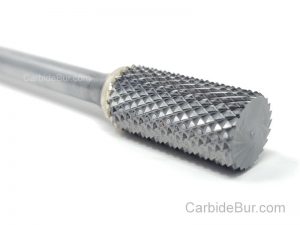
Find more carbide bur die grinder tool bits here
Essential Tools for Precision Finishes
Selecting the Right Carbide Bur
Choosing the appropriate carbide bur for your cylinder head project can significantly influence the finish quality. Focus on the size and shape that best fits your particular engine design. For example, rounded burs excel in areas with intricate curves while flame-shaped burs provide versatility for both fine detailing and broader surfaces. Opt for a high-quality bur with a finer cutting edge to minimize scratches during the finishing process. You may find that ¼-inch and ½-inch diameter burs are ideal for most cylinder head tasks, providing sufficient clearance and control.
Pay attention to the cutting flutes of the bur as well—two-flute designs tend to offer faster material removal while four-flute options are more suited for smoothing out surfaces. Analyze the material composition of your cylinder head as well since softer materials may require a bur with a less aggressive geometric design, enabling you to maintain control and achieve a flawless finish.
Additional Equipment That Enhances Performance
Alongside carbide burs, several additional tools can enhance your finishing operations. A quality rotary tool, equipped with variable speed settings, plays a vital role in controlling the cutting speed and pressure applied by the bur. This level of control allows you to adapt your technique depending on the material you’re working with. Additionally, using a flexible shaft for your rotary tool engages harder-to-reach areas with greater ease, ensuring you don’t miss any critical spots during the finishing process.
Furthermore, having an array of sanding discs and polishing pads at your disposal can significantly elevate the final appearance of your cylinder head. After using carbide burs for the initial shaping and smoothing, you can switch to finer grit sanding discs for refining and polishing the surface. These elements contribute immensely to achieving an optimal, show-quality finish, urging you to invest in them as vital components of your tool collection.
Surface Preparation: The Key to Success
Importance of Initial Surface Condition
Starting with a clean and well-prepared surface will greatly impact the outcome of your cylinder head finish. If the initial surface condition is neglected, any effort you invest in polishing or refining the head can be wasted. You’ll often encounter imperfections such as scratches, pits, or remnants of old gaskets that can interfere with the effectiveness of your finishing process. A rough or poorly maintained surface not only complicates the finishing work but can also lead to premature engine wear or performance issues, hindering your overall project results.
Evaluating the surface condition before you start working is necessary. Bring the cylinder head down to a bare metal state, stripping away any coatings or materials that might obstruct your finishing. You may find it useful to use a fine-grit sandpaper or a dedicated cleaning solution tailored for automotive components to obtain a uniform surface, allowing for a more accurate assessment of imperfections. This initial inspection sets the tone for the entire finishing process, ensuring that you lay the groundwork for a smooth, effective finish.
Find more carbide bur die grinder tool bits here
Techniques for Cleansing and Smoothing
Achieving a high-quality surface requires specific cleaning methods that will effectively prepare the cylinder head for finishing. Start by applying a degreaser or solvent to remove oils, dirt, and other contaminants, followed by the use of a wire brush or blasting media to tackle any heavy build-up. The goal is to create an ideal base where your carbide bur techniques can shine through. After initial cleansing, a thorough inspection should guide your next steps—identifying the need for additional smoothing or sanding may be necessary to eliminate deeper flaws.
Moreover, effective techniques should not stop at visual inspection alone. Utilizing a combination of mechanical and hand tools can further enhance surface quality. For example, employing a media blaster can remove stubborn deposits evenly, while hand polishing with abrasives can allow you to reach tight corners and complex geometries. This layered approach not only ensures that you’re addressing all potential pitfalls in your cylinder head but also enhances the material’s ability to maintain a premium finish throughout its lifecycle.
Mastering Carbide Bur Techniques
Proper Technique for Effective Material Removal
Achieving an optimal finish on a cylinder head begins with mastering your techniques for effective material removal. How you hold the carbide bur matters; a firm grip allows for controlled movement, reducing the likelihood of chatter and ensuring a smoother finish. Employ a steady and consistent stroke rate—typically 3,000 to 4,000 RPM for most carbide burs—while maintaining the correct angle to the surface. It’s beneficial to work in overlapping passes, gradually moving across the surface rather than attempting to remove too much material in one go. This not only prevents excessive heat buildup but also helps you better feel the workload on the bur, allowing for adjustments as needed.
Creating a Consistent Finish Through Advanced Techniques
To achieve a uniform finish, advanced techniques such as varying your feed rate and applying different pressures can make a significant difference in the outcome. For ultimate consistency, keeping your movements fluid—almost like you’re guiding the bur in a dance—creates a better surface finish than erratic motions. Additionally, using finer burs after the initial shaping process can help polish any rough edges left behind and finer finishes can significantly impact the head’s performance by improving airflow and thermal characteristics. Implementing a sequence of burs with decreasing diameters can provide a clear path to that sought-after smooth finish.
| Technique | Description |
| Varying Feed Rate | Adjusting speed to match material removal rate for balance. |
| Pressure Application | Light, consistent pressure prevents marks and focuses the cut. |
Creating a consistent finish involves more than just technical aspects of material removal; it’s an art that requires an understanding of how each aspect impacts the overall outcome. After adjusting your technique with different burs, taking the time to inspect the work at each stage ensures that you’re moving towards your goal rather than away from it. Using a light to see the reflection off the surface can help gauge the smoothness and uniformity—this allows you to make necessary corrections before moving on to the next phase of completion.
- Inspect surfaces thoroughly between each stage.
- Utilize different bur shapes to tackle specific areas.
- Regularly check RPMs and feed rates during the process.
| Tip | Benefit |
| Use of Lubrication | Reduces friction and improves bur life. |
| Work in Sections | Facilitates better control and management of the finishing process. |
Troubleshooting Common Challenges
Identifying Finish Issues
Start by closely examining the surface of the cylinder head after achieving your desired finish with carbide burs. Look for scratch patterns or uneven surfaces, which can signify problems with technique or tool selection. A rough finish may indicate that you’re applying too much pressure or using worn-out burs. Light reflections off the surface can also provide visual clues; a smoother finish will have a more consistent sheen, while a dull or irregular finish often shows areas that need further refinement.
Additionally, consider the type of material you are working with. Aluminum heads, for instance, react differently to carbide burs than cast iron. If you find that the resulting surface finish is inconsistent, it may be due to variations in material density or hardness. Keeping a record of your finishes along with the selected tools and techniques can help identify patterns and troubleshoot issues as they arise.
Rectifying Inconsistencies in Surface Quality
When you notice inconsistencies in surface quality, adjusting your approach can often mitigate these issues. Start by varying the speed of your rotary tool; a slower speed may yield a finer finish, allowing for more control and reduced risk of overheating the material. Additionally, switching to a different carbide bur size or shape can help reach those harder-to-access areas and ensure a uniform surface. If you’ve moved on to polishing but still see unwanted marks, consider going back to an earlier stage with finer grit burs, focusing on areas that need more attention.
Fine-tuning your technique at this stage can significantly impact the overall quality of your finish. For instance, employing a back-and-forth motion rather than circular movements can help blend transitions and reduce the visibility of deep scratches. If inconsistencies persist, stepping up to polishing compounds or finer abrasives can provide the necessary refinement to achieve the professional-grade smoothness you’re aiming for. With practice and careful adjustment of your techniques, you’ll find it becomes easier to achieve the desired outcomes consistently.
Best Practices for Long-Term Results
Maintenance and Care for Your Tools
Proper maintenance of your carbide burs and associated tools ensures longevity and consistently high-quality results. Regularly inspect your burs for wear and any signs of damage. Keeping them clean is necessary; a buildup of debris can affect performance and finish quality. After use, clean each bur with a brush or compressed air to remove any material residues. Storing your burs in a dry, organized toolbox can also prevent accidental damage and maintain their integrity.
Sharpening carbide burs is another maintenance task that should not be overlooked. Dull tools can lead to poor finishes and unnecessary fatigue during your work. If you notice a decrease in cutting efficiency, consider sharpening or replacing the burs. Investing in a quality sharpening tool or service can provide more consistent results over time and save you money on frequent replacements.
Regular Practices for Optimal Cylinder Head Finishing
Consistency in your technique is key when working on cylinder heads. Schedule regular inspections and maintenance checks on your equipment, ensuring everything is in optimal working condition. It’s beneficial to create a checklist of steps to follow before each project, focusing on factors such as tool selection, surface preparation, and alignment. Being methodical allows you to replicate successful finishes and quickly identify any deviations.
Incorporate a routine that includes test cuts on scrap materials. This practice helps fine-tune your approach and ensures that the settings you’re using yield the desired finish. Make it a habit to log your techniques and outcomes—documenting tools used, speeds, and finishing results can serve as a valuable reference for future projects, further enhancing your expertise in achieving smooth cylinder head finishes.
Conclusion
Now that you have a comprehensive understanding of how to achieve smooth cylinder head finishes using carbide bur techniques, you can apply these insights to your own projects. By selecting the right carbide bur size and shape for the specific areas of your cylinder head, you can effectively control the material removal process. Additionally, maintaining the appropriate speed and feed rates will help you avoid issues such as excessive heat buildup, which can compromise the integrity of your workpiece. With practice and attention to detail, you’ll be able to attain those polished finishes that contribute to optimal engine performance.
As you refine your skills and adopt these techniques, focus on maintaining consistency and precision throughout your work. Utilizing lubricants during the finishing process can further enhance your results, reducing friction and improving smoothness. By investing time in mastering carbide bur techniques, you will not only improve your craftsmanship but also contribute to the overall efficiency and longevity of the engine components you work on. Embrace this knowledge and continue to explore advancements in carbide burr technology to keep your expertise up to date.
Find more carbide bur die grinder tool bits here
How to Choose the Best Carbide Burr for Every Task
The Ultimate Burr Shape Chart: How to Choose the Best Carbide Burr for Every Task Choosing the right carbide burr shape can feel like guesswork when every task demands a different cut. You’ve got tree [...]
Port Matching Techniques for Automotive Enthusiasts
Mastering Carbide Burs: Port Matching Techniques for Automotive Enthusiasts Most engine porting guides leave out the real secrets to using carbide burs right. If you’ve wasted time guessing the right RPM or picked the wrong [...]
Top 5 Carbide Burr Mistakes Beginners Make and How to Avoid Them
Top 5 Carbide Burr Mistakes Beginners Make and How to Avoid Them Most beginners make the same costly carbide burr mistakes without even realizing it. If you’ve struggled with rough finishes or broken bits, you’re [...]
The Expert’s Guide to Chamfering and Edge Breaking with Carbide Burrs
The Expert's Guide to Chamfering and Edge Breaking with Carbide Burrs Most metal shaping tools only scratch the surface. If your edges still feel rough or your welds aren’t smooth, you’re missing a key step. [...]
The Ultimate Guide to Using Carbide Burrs on Aluminum Without a Hitch
The Ultimate Guide to Using Carbide Burrs on Aluminum Without a Hitch Clogged carbide burrs can turn your aluminum machining project into a frustrating mess fast. You’ve probably wasted hours scraping off gunk instead of [...]
Your Go-To Welding Tools for Fast and Effective Cleaning
Carbide Burrs: Your Go-To Welding Tools for Fast and Effective Cleaning Welding cleanups often drag on longer than they should, costing you time and precision. If you’re tired of scrubbing weld spatter that just won’t [...]
Practical Burr Maintenance Tips for Cost-Savvy Machinists
Practical Burr Maintenance Tips for Cost-Savvy Machinists Most machinists replace carbide burrs too late or too soon, wasting both time and money. Your tools wear down faster when you miss the signs to replace carbide [...]
Jewelry Making and Engraving Techniques Using Carbide Burs
Jewelry Making and Engraving Techniques Using Carbide Burs Carbide burs aren’t just for rough cuts or quick fixes—you’re missing out if you think that’s all they do. These small tools can add precision and detail [...]
How to Choose Between Single Cut and Double Cut Carbide Burrs
Master Your Projects: How to Choose Between Single Cut and Double Cut Carbide Burrs Picking the wrong carbide burr can turn a simple project into a frustrating mess. You’ve got single cut burrs and double [...]
Achieve Precision with the Right Carbide Burr Usage and RPM
Achieve Precision with the Right Carbide Burr Usage and RPM Most people run carbide burrs way too fast or too slow without realizing it. That’s costing you time, tool life, and the smooth finish you [...]
Why Carbide Burrs Outshine Grinding Wheels in Woodworking and Metalworking
Why Carbide Burrs Outshine Grinding Wheels in Woodworking and Metalworking Grinding wheels have long been the go-to for shaping metal and wood, but they often fall short when precision work is on the line. If [...]
Choosing the Best Burr Shapes and Tools for Flawless Metalworking
Choosing the Best Burr Shapes and Tools for Flawless Metalworking Removing burrs can feel like walking a tightrope—one wrong move, and your parts get damaged. If you want clean edges without the risk, mastering deburring [...]

Leave A Comment
You must be logged in to post a comment.