
How To Choose The Right Carbide Bur Tools Made In The USA For Your Die Grinder
Bur tools are crucial for enhancing the performance of your die grinder, but selecting the right ones can be overwhelming. In this guide, you’ll discover key factors to consider when choosing carbide bur tools made in the USA, ensuring you find the perfect fit for your projects. From understanding different shapes and sizes to considering the material and application specifics, you’ll gain valuable insights that will empower you to make informed decisions. Whether you’re a seasoned pro or a DIY enthusiast, this post will help you elevate your precision and efficiency in your work.
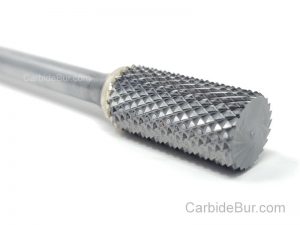
Find more carbide bur die grinder tool bits here
The Anatomy of Carbide Bur Tools: Decoding Features
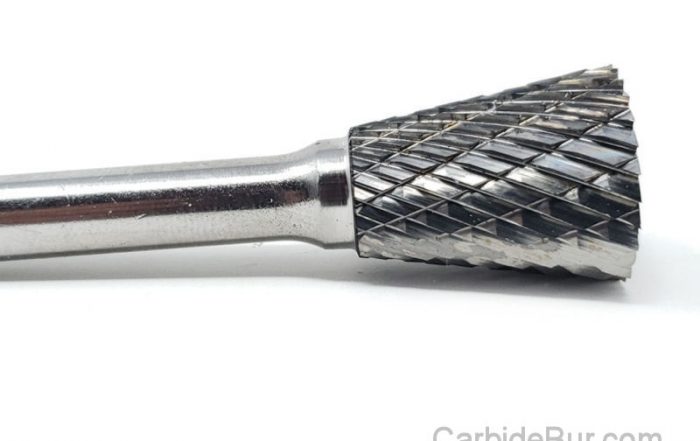
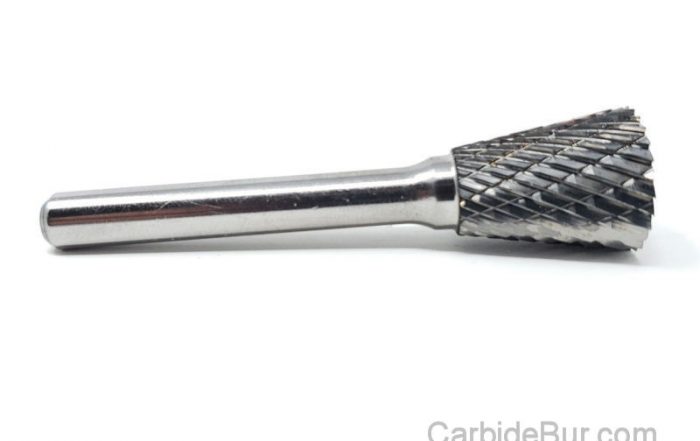
Understanding the anatomy of carbide bur tools allows you to make informed choices tailored to your die grinding needs. These tools typically feature a solid carbide construction, designed for durability and longevity. The cutting edges and sizes vary widely, catering to different applications. Additionally, the design includes flutes that determine the tool’s efficiency in chip removal and surface finish. A closer look reveals how each specific feature influences overall performance, enabling you to select the right tool with confidence.
Material Composition and Its Impact on Performance
The performance of your carbide bur tools heavily relies on their material composition. High-quality carbide typically provides superior hardness and wear resistance, leading to extended tool life and consistent cutting performance. Tools made in the USA often adhere to stringent manufacturing standards, ensuring that the carbide used is of the highest grade. This means you can tackle more challenging materials and sustain high production levels without frequent tool replacements.
Understanding Profiles and Shapes for Specific Applications
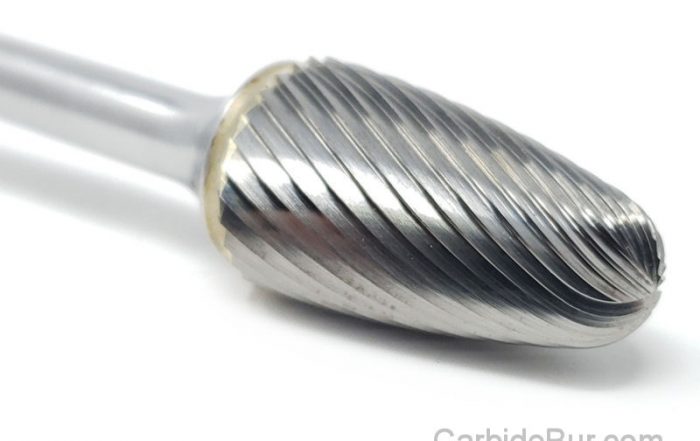
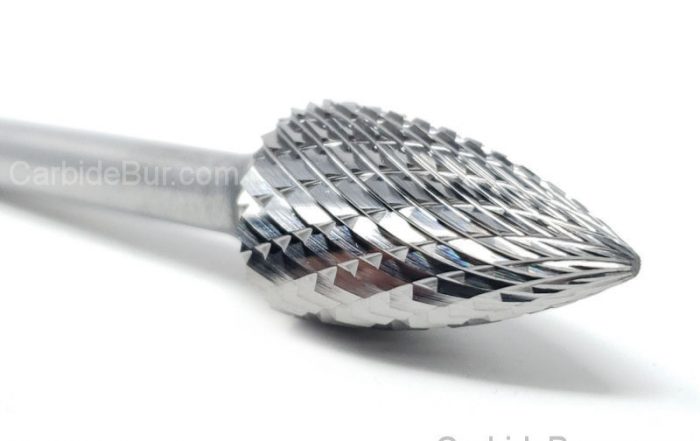
Profiles and shapes of carbide bur tools are meticulously designed for various applications, making your selection process simpler. From pointed shapes for precise engraving to larger, rounded heads for surface work, each unique profile serves a specific purpose. For example, ball-end burs are great for creating contours, while cylindrical shapes excel in flat surfaces. Delving deeper into the anatomy of these profiles enables you to pinpoint the ideal tool for the task at hand, drastically improving your productivity.
Choosing the correct profile can enhance your productivity and the quality of your work. Consider the task requirements: if you’re fine-tuning intricate details, a pointed cutter will serve you well, while wider shapes are ideal for bulk material removal. It’s also beneficial to have a variety of shapes at your disposal, allowing for quick adjustments based on the job. For instance, using a flame-shaped bur can provide smoother finishes in tight corners, which is crucial for achieving refined results in delicate projects.
Find more carbide bur die grinder tool bits here
Made in the USA: Why Quality Matters
Choosing tools manufactured in the USA often translates to a commitment to superior craftsmanship and durability. American companies adhere to stringent quality standards, ensuring their products not only meet but exceed industry expectations. This attention to detail results in tools that perform reliably over time, ultimately saving you money by reducing the frequency of replacements. Investing in USA-made carbide bur tools can lead to enhanced productivity, as you can trust the effectiveness and lifespan of your equipment for demanding tasks.
The Benefits of Domestic Manufacturing in Tool Longevity
Domestic manufacturing plays a significant role in ensuring your carbide bur tools last longer. Local production often involves high-grade materials and advanced technology, leading to precision-engineered tools that can withstand rigorous use. American manufacturers are more likely to offer longer warranties on their products, reflecting their confidence in durability. You’re not just buying a tool; you’re investing in a reliable asset for your projects.
Comparing USA-Made Tools with International Alternatives
When weighing the options between USA-made carbide bur tools and international counterparts, the differences in quality become evident. Although imported tools may come with a lower price tag, they often compromise on material quality and precision. This generally results in decreased performance and longevity, leading you to replace them more frequently. Investing in American-made tools means you’re prioritizing workmanship and reliability, giving you the confidence to tackle tougher jobs effectively.
| Factor | USA-Made Tools |
| Material Quality | High-grade steel and carbide |
| Precision | Engineered for exact specifications |
| Durability | Long-lasting, backed by warranties |
| Cost | Higher initial investment, lower replacement frequency |
By examining the table, you can clearly see that while international tools may be more affordable upfront, the quality and longevity of USA-made tools represent a wiser investment. Higher manufacturing standards and better material choices ensure you get superior performance, reducing the need for replacements. Additionally, when you buy domestic tools, you are supporting local economies and promoting sustainable manufacturing practices, further emphasizing the value of your purchase.
Sizing Up: Selecting the Right Size for Your Project
Choosing the appropriate size of carbide bur tools directly impacts the outcome of your projects. The task at hand, be it fine detailing or heavy material removal, will dictate whether a larger or smaller bur is necessary. Assess the intricacies of your work, as this will guide you toward making the right decision for efficient workmanship.
Evaluating the Importance of Diameter and Length
Diameter and length serve as vital specifications that dictate the bur’s capabilities. A larger diameter bur covers more area, making it suitable for aggressive material removal, while smaller diameters allow for precision work in tight spaces. Length also factors in, as longer burs can reach deeper areas, whereas shorter ones may provide better control. Tailoring your choice to suit both the size and depth of your project ensures optimal results.
Finding the Perfect Fit: When to Use Large vs Small Burs
Understanding when to utilize large versus small burs can enhance your efficiency and results. Large burs are ideal for removing substantial material and creating rounded edges on larger surfaces. Conversely, small burs excel in precision tasks such as engraving or detailing intricate designs. The right choice enables you to streamline your workflow while maximizing the quality of your work.
When choosing between large and small burs, consider the finish you require along with the material’s properties. For example, in softer materials like aluminum, a larger bur can swiftly remove material with minimal resistance. However, if you are working on harder materials or need intricate patterns, a smaller bur allows for finer detail and control. Tailoring your tool choice to your project specifics will ultimately elevate your craftsmanship and efficiency, saving you both time and effort in your work. A well-chosen bur empowers you to tackle diverse tasks effectively, enhancing your overall die grinding experience.
The Role of Application: Tailoring Your Choice to the Task
Selecting the right carbide bur tools for your die grinder heavily relies on the specific application you plan to tackle. Different tasks necessitate varying shapes, sizes, and types of burs to achieve optimal results. Whether you’re shaping, grinding, or removing material, understanding your project’s demands helps you match the right tool to the job, ensuring efficiency and precision.
Identifying Common Uses for Carbide Burs
Carbide burs serve numerous purposes across various industries, including automotive, aerospace, and woodworking. Common uses include shaping, deburring, engraving, and creating intricate details on metal and wood surfaces. By determining the specific application, you can select burs that enhance functionality and quality in your projects.
Matching Tools to Specific Materials: Metal, Wood, and Composites
Each material you work with requires different carbide burs to achieve the desired finish. For example, harder metals like steel benefit from finely cut burs that can withstand the wear, while softer materials like wood may require less aggressive shapes to prevent tearing and splintering.
In metalworking, tungsten carbide burs with various cutting patterns are ideal for tackling different hardness levels—coarser burs for quicker material removal and finer burs for detailed finishing. For woodworking, choose burs specifically designed for wood, as they feature sharper edges to create clean cuts without damaging the material. When dealing with composites, look for burs with specialized designs that minimize friction and heat generation, preserving the integrity of the composite material. Adapting your bur choice to the specific material enhances not only efficiency but also the quality of your results.
Making the Investment: Cost vs Value in Carbide Bur Tools
Balancing cost and value when purchasing carbide bur tools is crucial to maximizing the return on your investment. While it might be tempting to opt for the cheapest options, higher-quality tools often provide significantly better performance and durability, ultimately saving you money and time in the long run. As you evaluate your options, consider not just the price of a single tool, but also how it factors into your overall workflow and productivity.
Long-Term Savings vs Initial Price Tag
Initially, higher-quality carbide bur tools may appear more expensive, but their longevity and efficiency can lead to substantial long-term savings. Investing in tools that hold their edge longer and can withstand rigorous use means fewer replacements and less downtime, which boosts your productivity. Over time, the cost per use can be dramatically lower than that of cheaper alternatives, making it a wise financial decision.
Recognizing Quality Markers: What to Look For
Identifying quality markers in carbide bur tools involves examining several key features. Look for solid construction, premium materials like tungsten carbide, and coatings that enhance performance and reduce wear. Examining the design, including flutes and cutting profiles, can provide insight into how effectively the tool will perform its intended tasks. Certifications and manufacturing standards can also indicate a commitment to quality and precision.
When assessing quality markers, focus on the finish of the tool, as a smooth surface often correlates with better precision and less vibration during use. Tools made in the USA frequently adhere to stricter quality control measures, which can translate into superior craftsmanship. Additionally, reputable manufacturers will often provide specifications and test results, ensuring that the tools meet the required benchmarks for performance and durability. Checking for warranties and customer reviews also helps to gauge the reliability and effectiveness of the carbide bur tools, so you can make an informed purchase decision.
To wrap up
Now that you understand the key factors in selecting the right carbide bur tools made in the USA for your die grinder, you can confidently assess your needs based on factors like material type, bur shape, and grit size. Consider your specific project requirements, and always prioritize quality and durability to ensure optimal performance and longevity. Making informed choices will enhance your craftsmanship and efficiency, allowing you to achieve the best results in your work.
Find more carbide bur die grinder tool bits here

Can You Use a Carbide Burr With an Electric Die Grinder?
Can You Use a Carbide Burr With an Electric Die Grinder? Most people don’t realize how much a carbide burr can change the way an electric die grinder works. Using the right burr type can [...]
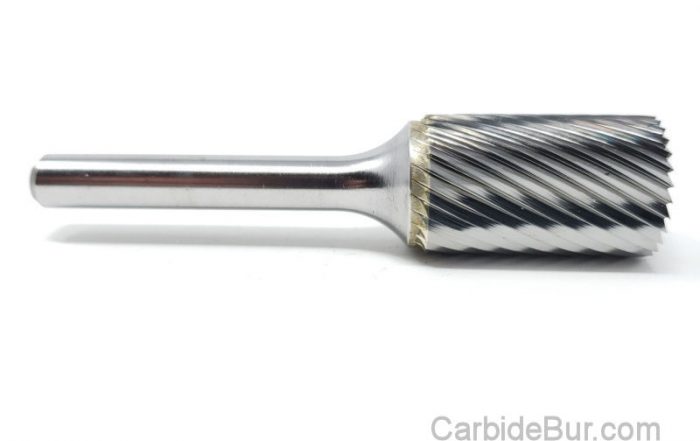
How to Deburr Holes With a Carbide Burr
How to Deburr Holes With a Carbide Burr Most people think any tool will do for deburring holes. The truth is, using the right carbide burr with the correct size and shape changes everything. In [...]
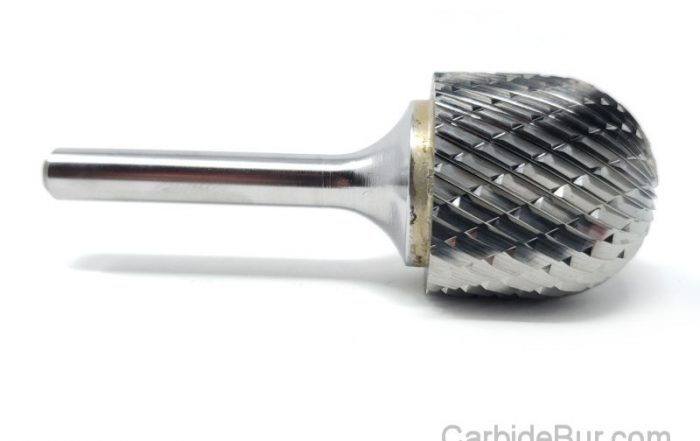
How to Choose the Correct Carbide Burr Shank Size
How to Choose the Correct Carbide Burr Shank Size Many machinists lose hours troubleshooting tool issues caused by the wrong carbide burr shank size. Using a shank that doesn’t fit your grinder can lead to [...]
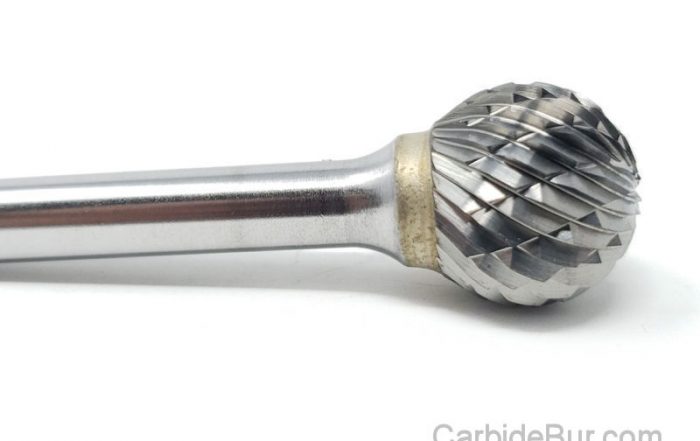
How to Remove Casting Flash With a Carbide Burr
How to Remove Casting Flash With a Carbide Burr Casting flash ruins the look and fit of your metal parts. You’ve tried sanding or grinding, but the results aren’t clean or fast enough. Learning how [...]
Best Carbide Burr for Enlarging a Hole in Metal
Best Carbide Burr for Enlarging a Hole in Metal When you need to enlarge a hole in metal, grabbing the wrong carbide burr can turn a simple task into a frustrating mess. Picking the best [...]
Carbide Burr Safety: 15 Mistakes That Can Cause Injury or Damage
Carbide Burr Safety: 15 Mistakes That Can Cause Injury or Damage Carbide burr safety is often overlooked until a costly mistake happens. Many metalworkers and DIYers make the same errors that lead to injuries or [...]
Can You Use a Carbide Burr in a Drill?
Can You Use a Carbide Burr in a Drill? Most people think a standard drill can’t handle a carbide burr, but that’s not true. Using carbide burr in the right drill can speed up your [...]
Carbide Burrs for Removing Rust: What Works Best?
Carbide Burrs for Removing Rust: What Works Best? Rust can turn your favorite tools into useless junk faster than you expect. Removing it without ruining the metal underneath takes more than just elbow grease—it demands [...]
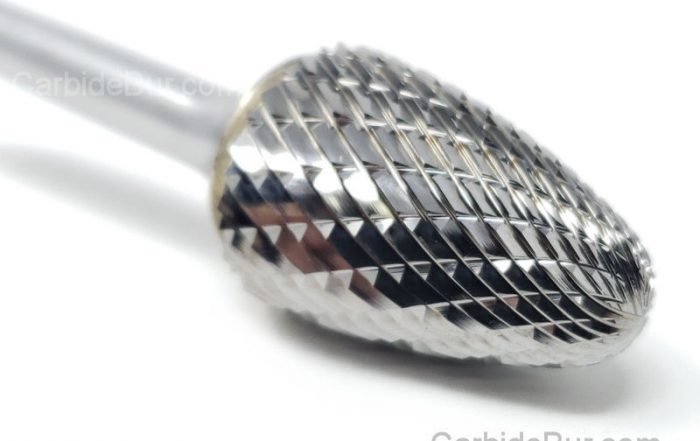
How Much Pressure Should You Use With a Carbide Burr?
How Much Pressure Should You Use With a Carbide Burr? Most people think pressing harder with a carbide burr speeds up the job. That’s not true—too much pressure wears out your tool and ruins the [...]
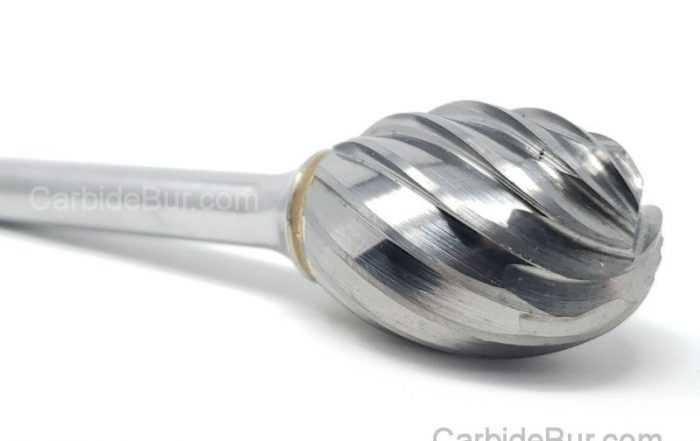
Can You Use Carbide Burrs With an Air Die Grinder?
Can You Use Carbide Burrs With an Air Die Grinder? Most people don’t realize how well carbide burrs work with air die grinders until they try them. If you’ve ever struggled with finding the right [...]
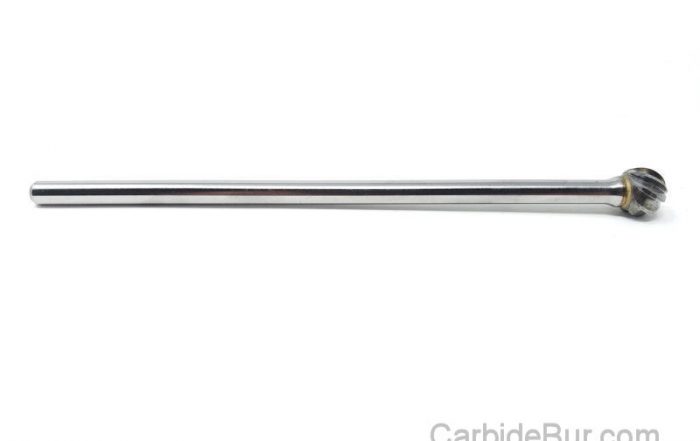
Best Long Reach Carbide Burr for Deep Metal Work
Best Long Reach Carbide Burr for Deep Metal Work Long reach carbide burrs often promise deep metal access, but many fall short where it counts most. You need a tool that cuts cleanly, lasts through [...]
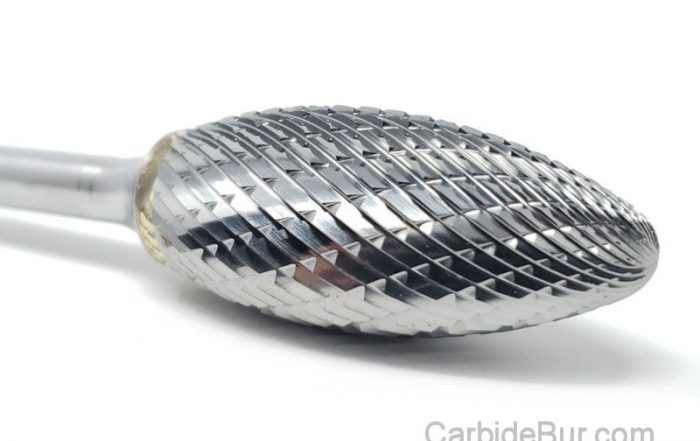
What RPM Should You Use for a 1/8 Inch Carbide Burr?
What RPM Should You Use for a 1/8 Inch Carbide Burr? Most people guess the right carbide burr RPM by feel—and waste hours redoing work. If you want cleaner cuts and longer tool life, your [...]
