How to Choose the Right Carbide Burr for Your Project
Picking the wrong carbide burr can cost you hours and leave your project looking rough. Many people overlook how burr shape and size affect their work, leading to frustrating results. This carbide burr guide will walk you through selecting carbide burrs that match your machining tasks and materials, so you get the finish quality you want without extra hassle. For more information, check out this link.
Understanding Carbide Burr Types
Choosing the right carbide burr begins with understanding the types available. Distinct shapes serve varied purposes, influencing the results of your projects.
Common Burr Shapes
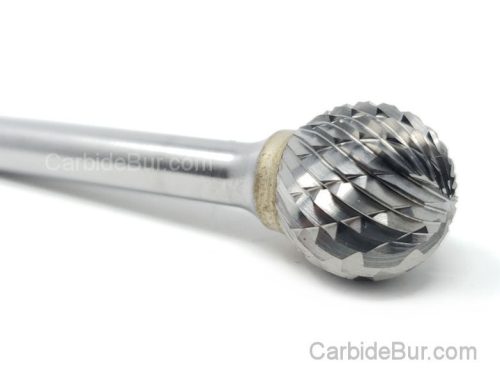
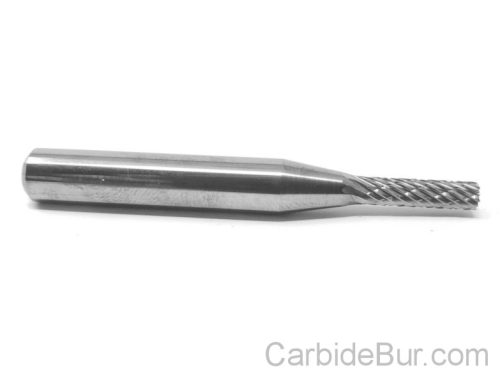
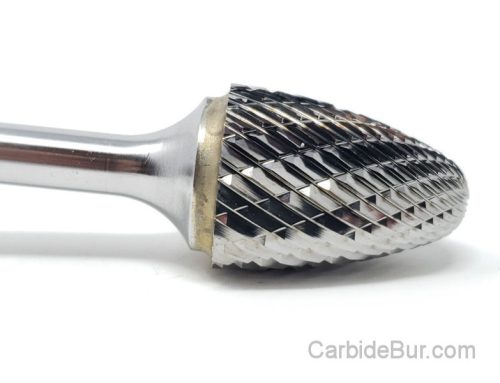
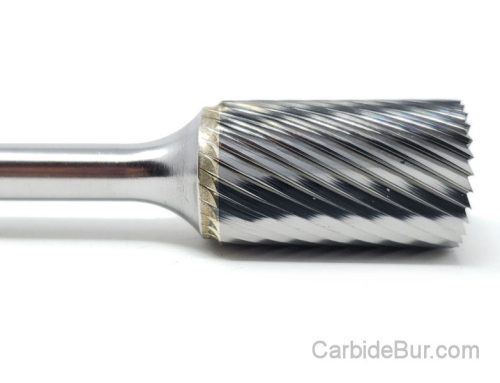
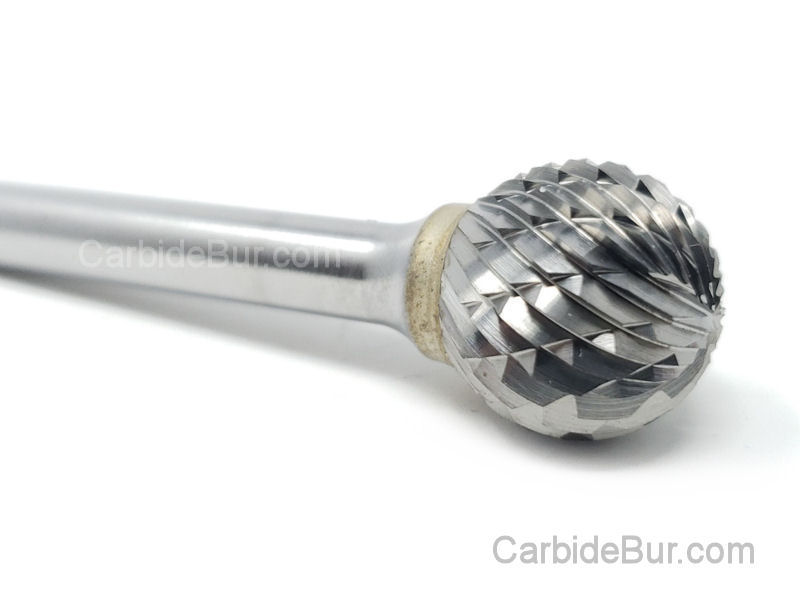
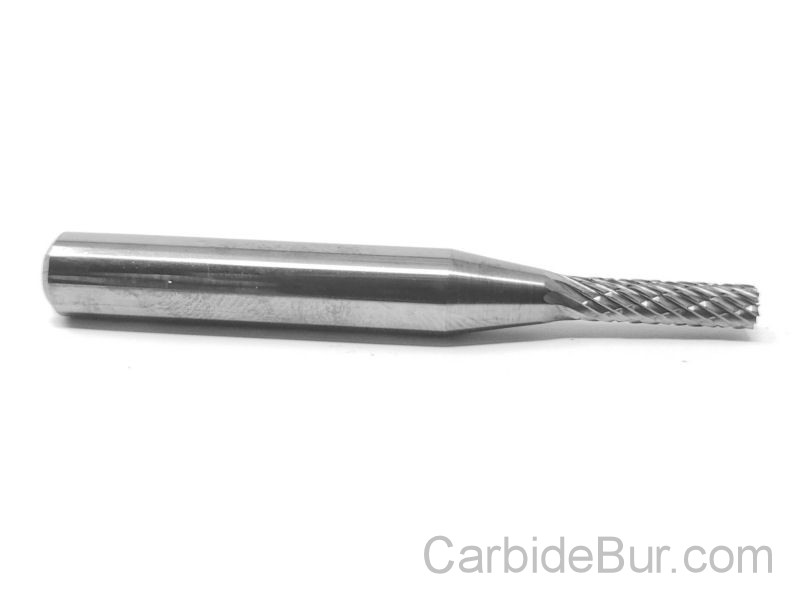
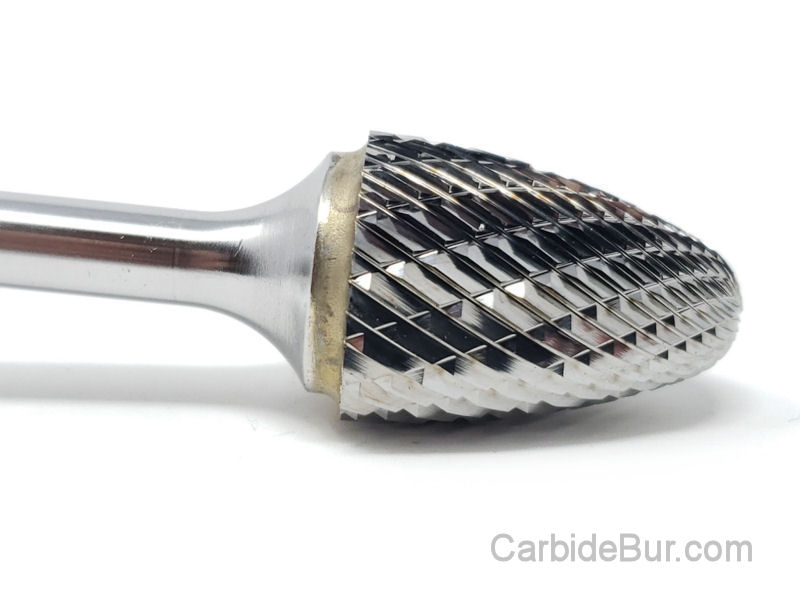
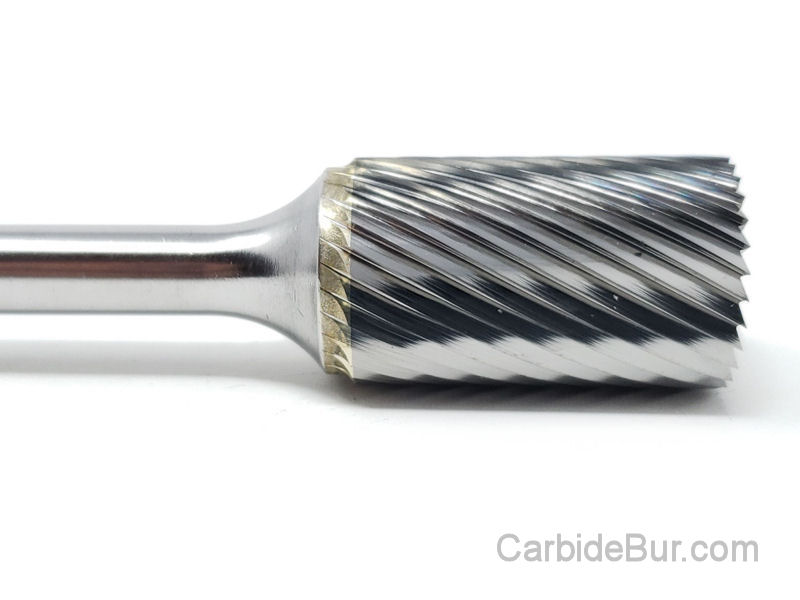
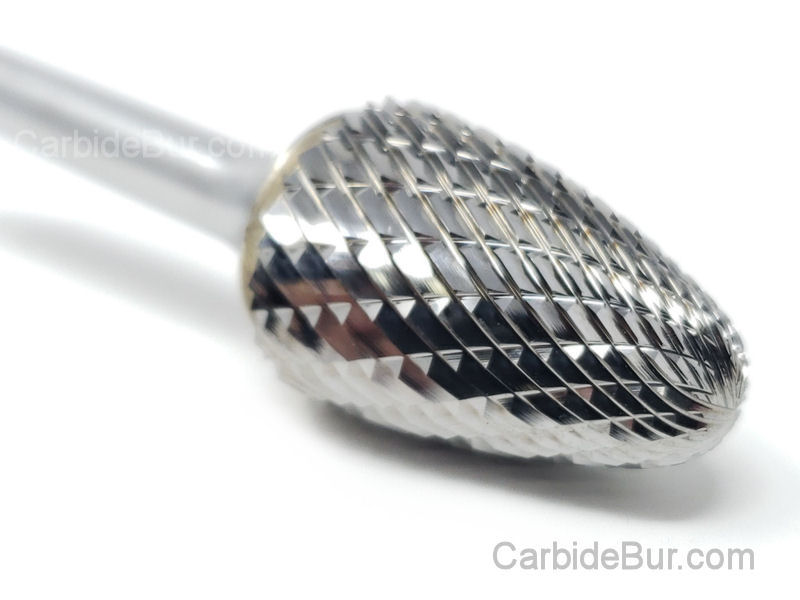
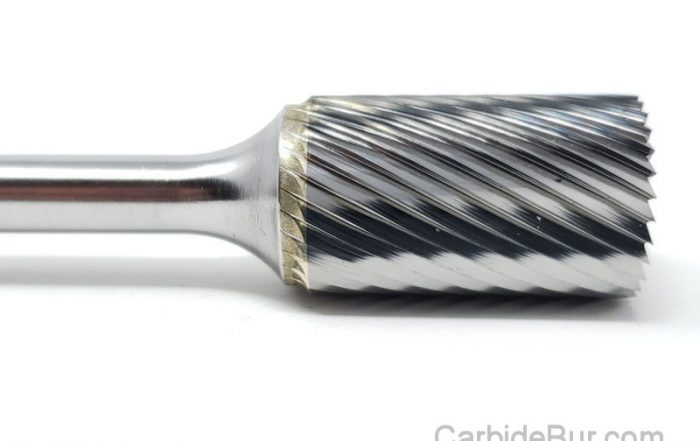
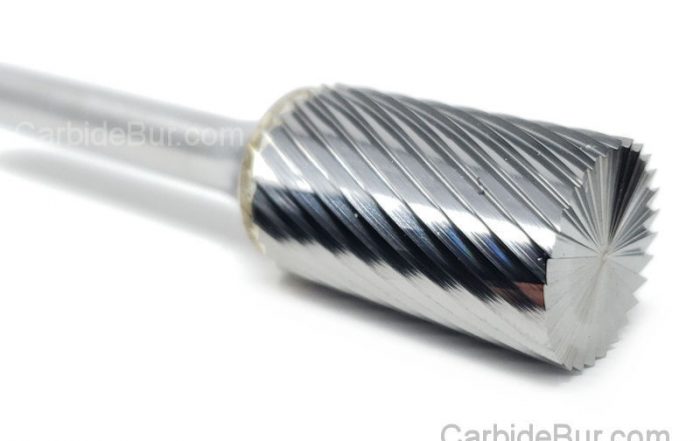
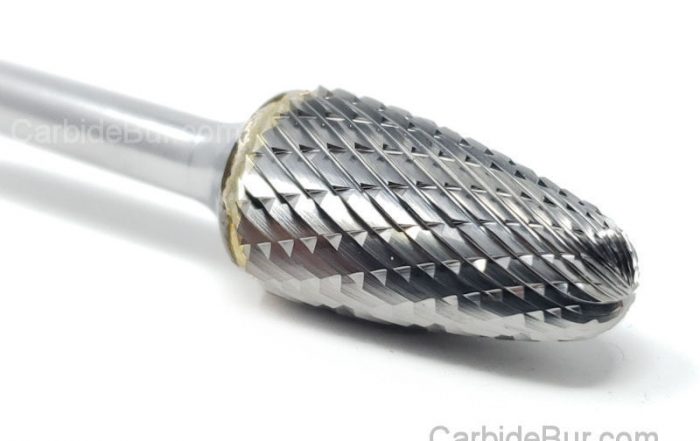
Carbide burrs come in many shapes, each designed for specific tasks. Cylindrical burrs are great for flat surfaces, while ball-shaped burrs excel at contouring. When you need to get into tight spaces, pointed burrs are your best bet. They allow for precision and control in confined areas. For example, if you’re working on a project that requires intricate detailing, a flame-shaped burr might be your tool of choice due to its tapering design that offers fine control.
Selecting Carbide Burrs
The selection process can be daunting, but a few key points make it manageable. Consider the material you’re working with first. Different materials require different burr types; a burr suitable for wood might not work well on metal. Pay attention to the burr’s speed rating as well. Faster isn’t always better. A higher speed might burn wood or overheat metal. Always check the manufacturer’s recommendations to avoid any mishaps.
Importance of Burr Shape and Size
The shape and size of your burr significantly impact the outcome of your work. Choosing wisely can be the difference between a smooth finish and a rough one.
Matching Burrs to Machining Tasks
Your choice of burr should align with your specific tasks. If you’re working on a flat surface, a cylindrical burr is ideal as it smoothly removes material without leaving unwanted grooves. For cutting or shaping, a pointed burr provides the precision you need. It’s crucial to match the burr to the task at hand to avoid unnecessary frustration and achieve the quality you’re aiming for.
Impact on Finish Quality
The finish quality largely depends on the correct alignment of burr shape and size. Larger burrs remove material quickly but might leave a rough surface. Conversely, smaller burrs offer more control for a smoother finish. By selecting the right burr, you ensure that the surface quality meets your expectations. This step is essential for professional results, especially in visible or decorative parts of your work.
Materials and Machining Tasks
Each material poses unique challenges, making it essential to choose the appropriate burr for the job to ensure efficiency and effectiveness.
Best Burrs for Woodworking
Woodworking demands specific burr types to achieve clean cuts. A flame-shaped burr is excellent for detailing, while a cylindrical burr works best for flat surfaces. Using the wrong burr can lead to burning or chipping. Selecting the right burr ensures your wood projects have a professional finish without unnecessary damage.
Metalworking Burr Applications
Metalworking requires burrs that withstand high temperatures and provide precision. Sharp-edged burrs are ideal for cutting metal efficiently. When working with metals like aluminum, choosing the correct burr minimizes clogging and overheating. For more tips, explore this resource.
Achieving Finish Quality Optimization
Achieving the desired finish quality involves mastering techniques and tips that enhance the final outcome.
Techniques for Smooth Finishes
Achieving a smooth finish involves more than just the right burr. It’s about how you handle the tool. Use steady pressure and controlled movements. Avoid applying too much force, which can damage both the burr and the surface. These techniques help you maintain control and ensure a polished finish.
Tips for Professional Results
Professional results come from careful planning and execution. Regularly check your burr for wear and tear to maintain its efficiency. Keep your tools clean and sharp. A well-maintained burr performs better and lasts longer, ensuring you achieve the best results on your projects.
Practical Carbide Burr Guide
Choosing the right carbide burr doesn’t have to be complex. Follow this practical guide to make informed decisions.
How to Choose a Carbide Burr
To choose the right burr, assess your project needs: material, shape, and finish. Research options and consult manufacturer guidelines. For detailed guidance, visit this comprehensive guide.
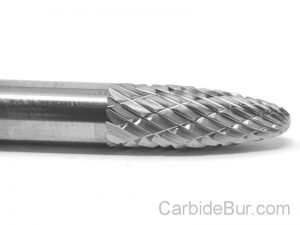
Efficient and Effective Project Tips
Efficiency and effectiveness come from understanding your tools. Always match burrs to the specific task, and don’t rush the process. For tight spaces, check out these tips. With the right approach, your projects will be both efficient and successful.
Frequently Asked Questions
What is the best carbide burr shape for woodworking?
For woodworking, flame-shaped and cylindrical burrs are effective. Flame-shaped burrs provide detailed work, while cylindrical burrs are suitable for flat surfaces.
How do I select the right burr for metalworking?
Choose burrs that can handle high temperatures and offer precision. Sharp-edged burrs are ideal for cutting metals like aluminum.
Why is burr size important?
Burr size affects material removal speed and finish quality. Larger burrs remove material quickly but may leave rough surfaces, while smaller burrs offer control for smoother finishes.
How can I achieve a smooth finish with carbide burrs?
Use steady pressure and controlled movements. Avoid applying excessive force to prevent damage and achieve a polished finish.
What should I consider when selecting carbide burrs?
Consider the material, shape, and desired finish quality. Check manufacturer guidelines for specific burr recommendations based on your project needs.
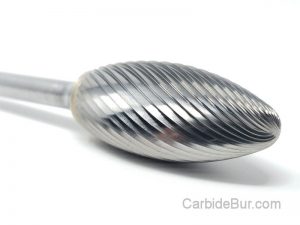
Looking for Carbide Bur Tools?
Check out our entire selection of USA made carbide bur die grinder tool bits
Follow us on Twitter

Return to CarbideBur.com
Carbide Burs – 1/4″ on 1/8″ Shanks – Accessories – Aluminum Cut – Bur Sets – End Mills – Long Shank – Solid Burs

Carbide Burr vs. Grinding Stone: Which Is Better for Metal Removal?
Carbide Burr vs. Grinding Stone: Which Is Better for Metal Removal? When you need to remove metal, smooth a rough edge, or shape a metal component, two common options are carbide burrs and grinding stones. [...]
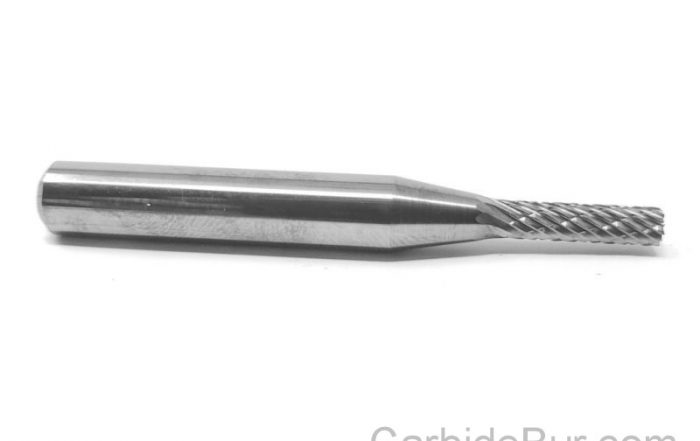
Carbide Burr Safety: RPM, Eye Protection, and Common Mistakes
Carbide Burr Safety: RPM, Eye Protection, and Common Mistakes Carbide burrs are versatile cutting tools used for metal fabrication, welding cleanup, engine porting, deburring, and general material removal. When used correctly, they can help remove [...]
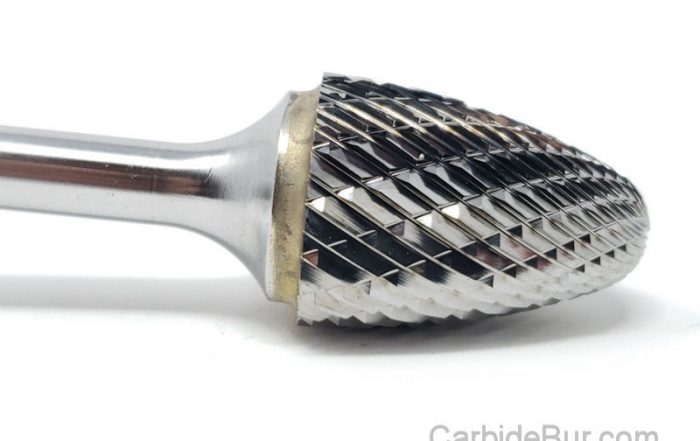
How to Stop Aluminum from Clogging Your Carbide Burr
How to Stop Aluminum from Clogging Your Carbide Burr Aluminum is widely used in automotive work, welding, metal fabrication, aerospace components, and general machining. It is lightweight, relatively easy to machine, and versatile across many [...]
Carbide Burrs for Intake Manifolds: Shaping, Cleanup, and Fitment
Carbide Burrs for Intake Manifolds: Shaping, Cleanup, and Fitment Intake manifold work often involves more than simply bolting a component onto an engine. Depending on the application, metal intake components may have casting irregularities, rough [...]
Why Long-Shank Carbide Burrs Are Useful for Hard-to-Reach Areas
Why Long-Shank Carbide Burrs Are Useful for Hard-to-Reach Areas When working on metal parts, the area that needs grinding or shaping is not always easy to reach. Recessed openings, deep cavities, interior surfaces, and complicated [...]
Choosing Carbide Burrs for Stainless Steel Fabrication
Choosing Carbide Burrs for Stainless Steel Fabrication Stainless steel is widely used in fabrication because of its corrosion resistance, strength, and durability. However, those same properties can make it challenging to machine and finish. Removing [...]
Can You Use Carbide Burrs in a Dremel? Shank Sizes Explained
Can You Use Carbide Burrs in a Dremel? Shank Sizes Explained If you use a Dremel or another rotary tool for detail work, metal shaping, or small fabrication projects, you may wonder whether you can [...]
How to Choose the Best Carbide Burr for Welding and Metal Fabrication
How to Choose the Best Carbide Burr for Welding and Metal Fabrication Welding and metal fabrication often require more than joining two pieces of metal together. Once the welding is finished, fabricators frequently need to [...]
Carbide Burrs for Cylinder Heads: What Automotive Enthusiasts Need to Know
Carbide Burrs for Cylinder Heads: What Automotive Enthusiasts Need to Know Cylinder head work is an important part of engine building, restoration, and performance machining. Whether you are cleaning up casting imperfections, refining port surfaces, [...]
Engine Porting 101: How Carbide Burrs Help Shape Cylinder Head Ports
Engine Porting 101: How Carbide Burrs Help Shape Cylinder Head Ports Engine performance enthusiasts, automotive machinists, and engine builders often look for ways to improve airflow through an engine's cylinder heads. One technique used in [...]
When to Use a 4-Inch or 9-Inch Die Grinder Extension
When to Use a 4-Inch or 9-Inch Die Grinder Extension Metal fabrication, welding, automotive repair, and engine building often require working in places where a standard die grinder and carbide burr cannot easily reach. Recessed [...]
Why Buy USA-Made Carbide Burr Tools? What Buyers Should Compare
Why Buy USA-Made Carbide Burr Tools? What Buyers Should Compare When shopping for carbide burr tools, it's tempting to compare products based on price alone. However, professionals who use rotary cutting tools for welding, metal [...]