
How To Cut Down Grinding Time – Die Grinder Bits For Efficient Cleanup
Many DIY enthusiasts and professionals alike understand the importance of efficiency in their projects. In this guide, you’ll discover how to effectively reduce grinding time using the right die grinder bits. By selecting the appropriate tools and techniques for your specific tasks, you can achieve cleaner results in less time. Whether you’re working with metal, wood, or other materials, these expert tips will enhance your cleanup process and improve your overall productivity.
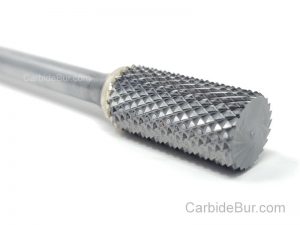
Find more carbide bur die grinder tool bits here
The Right Tools Make All the Difference
Your choice of tools impacts the efficiency and quality of your work. High-quality die grinder bits will not only speed up the grinding process but also reduce the need for extensive cleanup. Invest in bits that are specifically designed for the materials you’re working with. Tapered burrs, for example, help in reaching tight spaces, while flat bits can efficiently remove material from larger surfaces. Selecting the right tools will streamline your workflow and ultimately save you time.
Choosing the Optimal Die Grinder Bit
Selecting the right die grinder bit involves considering the task at hand. Explore options such as carbide, diamond, or ceramic bits, each engineered for particular applications. For instance, carbide bits excel in metal grinding, while diamond bits are ideal for harder materials like stone or glass. The shape of the bit also plays a vital role; finer, precision bits are best for delicate work, whereas larger, rougher bits can tackle bulk material removal quickly.
Material Considerations: Matching Bits to Tasks
Your specific project demands will dictate the type of die grinder bit you should use. For metal, carbide-coated bits are typically preferred due to their durability and effectiveness in smoothening rough edges. In contrast, if you’re working with softer materials like wood or plastic, you may opt for HSS (high-speed steel) bits, which provide a fine finish without overheating. All of these variances can greatly improve the efficiency of your cleanup process.
Understanding the properties of different materials aids in matching them with the right bits. For instance, ceramic materials are hard and brittle, requiring diamond-coated bits to effectively grind without chipping. Using the wrong type can lead to ineffective performance and gradual wear on your tools. When you invest time in choosing the optimal bit for specific materials, you significantly enhance your ability to achieve precise, efficient results while minimizing grinding time.
Techniques to Maximize Efficiency
Maximizing efficiency when using die grinder bits hinges on employing specific techniques that streamline the grinding process. By fine-tuning settings, establishing a systematic approach to your tasks, and utilizing the right tools, you can significantly reduce grinding time while achieving top-notch results. Each method mentioned below will help you get the most out of your die grinder and improve the quality of your work.
Proper Speed and Pressure Settings
Adjusting the speed and pressure of your die grinder is vital for optimal performance. Operating your tool at the recommended RPMs ensures that the bits work effectively without overheating or wearing out prematurely. Additionally, applying consistent pressure allows for smoother operation and reduces the risk of damaging your workpiece.
Find more carbide bur die grinder tool bits here
Effective Path and Angle Strategies
Utilizing well-planned paths and angles during your grinding work can drastically enhance efficiency. Positioning your die grinder at the appropriate angles aids in maximizing contact with the material while minimizing resistance. This strategy reduces the time taken to achieve desired results and lowers the potential for mistakes.
Focusing on effective paths means intentionally mapping out your workflow before you begin grinding. For example, instead of randomly navigating, you could follow a Z-shaped pattern across the surface, allowing for continuous movement without backtracking. Adjusting your angles according to the material’s structure and your bit shape can also help prevent unnecessary wear on the bits and provide cleaner cuts. Engaging in this preparatory planning not only helps in saving time but also in producing a professional-quality finish with each pass you make.
Maintenance: Keeping Your Bits in Top Shape
Regular maintenance of your die grinder bits is imperative to ensure they maintain peak performance and last longer. Diligently cleaning and inspecting your bits can save you both time and money by preventing premature wear and damage. A few simple steps can help you extend the life of your tools, allowing you to focus on the task at hand rather than constant replacements or repairs.
Cleaning and Storing Die Grinder Bits
After each use, clean your die grinder bits to remove any debris, dust, or residue. You can use a soft brush or compressed air to clear out any particles. Also, consider soaking the bits in a solvent to eliminate stubborn build-up. When storing them, keep them in a dedicated case or tray to prevent damage and maintain organization. Proper storage helps avoid dulling and ensures you’re always prepared for your next project.
Regular Inspection for Longevity
Frequent inspection of your die grinder bits will help you identify any signs of wear or damage before they affect performance. Check for dull edges, chips, or cracks that can compromise efficiency.
Regularly inspecting your die grinder bits not only maximizes their lifespan but also helps maintain a cleaner working environment. By visually assessing the condition of each bit, you can proactively replace or sharpen them as needed. A bit showing signs of wear can significantly impact your grinding performance and increase cleanup time. Schedule inspections every few uses or based on your workload, ensuring your tools are always in optimal shape for efficient cleanup and precise results.
Pro Tips for Streamlined Workflow
Implementing organized strategies can significantly enhance your workflow. Consider these tips to expedite your grinding tasks:
- Keep your workspace tidy and free from distractions.
- Group similar tasks to minimize switching between different tools.
- Use color-coded bits for quick identification.
- Set a timer for individual tasks to maintain a steady pace.
The more you refine your routine, the smoother the process becomes.
Advanced Techniques Used by Professionals
Professionals adopt specific techniques that elevate their grinding experience. Here are some advanced strategies:
- Utilizing a vacuum attachment to keep the workspace clean.
- Employing variable speed settings for different materials.
- Incorporating cooling fluids to reduce heat friction.
| Technique | Benefit |
|---|---|
| Vacuum Attachment | Keeps workspace clean and improves visibility. |
| Variable Speed Settings | Allows for optimum control across various materials. |
| Cooling Fluids | Minimizes heat and prolongs bit life. |
Ergonomics: Positioning and Technique for Comfort
Maintaining a comfortable posture while grinding is imperative to sustain productivity and prevent fatigue. Proper positioning involves standing with your feet shoulder-width apart and distributing your weight evenly. Hold the die grinder close to your body to reduce strain on your arms and wrists. To further alleviate discomfort, use both hands on the tool, ensuring you’re applying even pressure while grinding. Adjust the height of your workbench if necessary, as an ergonomic setup can make a significant difference in your performance and health in the long run.
Real-World Applications and Impact
Implementing die grinder bits effectively can lead to significant improvements in productivity and quality across various industries. From automotive to aerospace, these high-performance tools streamline cleanup processes, allowing professionals to finish projects more quickly and with less labor. The versatility of die grinder bits not only enhances efficiency but also reduces the overall cost and time spent on maintenance and repairs, significantly benefiting your workflow.
Case Examples: Time Saved Across Industries
Numerous industries have reported impressive time savings when using die grinder bits for cleanup tasks. In the automotive sector, for instance, mechanics have cut sanding and refining time by nearly 30%, enabling them to turn cars around faster. Similarly, in metal fabrication, companies have reported reducing the polishing process from hours to mere minutes, leading to enhanced throughput and increased profitability.
Beyond Metalworking: Other Uses for Die Grinder Bits
Die grinder bits extend their utility beyond metalworking, finding applications in woodworking, jewelry making, and even stone carving. In woodworking, these bits help you achieve intricate designs and smooth surfaces, while jewelers utilize them to carve and shape precious metals with precision. Stone carvers use die grinder bits to create detailed patterns in granite and marble, showcasing their versatility.
In woodworking, die grinder bits allow you to refine edges and create complex shapes with ease, enhancing your craftsmanship. For jewelry makers, the finer points of precision work make these bits invaluable for shaping and polishing delicate pieces. In stone carving, their ability to tackle tough materials transforms designs that would be labor-intensive into streamlined workflows, showcasing the diverse talents of these bits across various artistic and practical endeavors.
Summing up
Considering all points, optimizing your die grinder bits can significantly reduce grinding time and enhance your cleanup efficiency. By selecting the right bit for specific materials, adjusting your technique, and maintaining your tools, you can achieve a faster, more effective result. Keep your workspace organized to facilitate smooth operation and minimize disruptions. By following these best practices, you will not only improve your productivity but also achieve higher-quality finishes in your projects.
Find more carbide bur die grinder tool bits here
How to Choose the Best Carbide Burr for Every Task
The Ultimate Burr Shape Chart: How to Choose the Best Carbide Burr for Every Task Choosing the right carbide burr shape can feel like guesswork when every task demands a different cut. You’ve got tree [...]
Port Matching Techniques for Automotive Enthusiasts
Mastering Carbide Burs: Port Matching Techniques for Automotive Enthusiasts Most engine porting guides leave out the real secrets to using carbide burs right. If you’ve wasted time guessing the right RPM or picked the wrong [...]
Top 5 Carbide Burr Mistakes Beginners Make and How to Avoid Them
Top 5 Carbide Burr Mistakes Beginners Make and How to Avoid Them Most beginners make the same costly carbide burr mistakes without even realizing it. If you’ve struggled with rough finishes or broken bits, you’re [...]
The Expert’s Guide to Chamfering and Edge Breaking with Carbide Burrs
The Expert's Guide to Chamfering and Edge Breaking with Carbide Burrs Most metal shaping tools only scratch the surface. If your edges still feel rough or your welds aren’t smooth, you’re missing a key step. [...]
The Ultimate Guide to Using Carbide Burrs on Aluminum Without a Hitch
The Ultimate Guide to Using Carbide Burrs on Aluminum Without a Hitch Clogged carbide burrs can turn your aluminum machining project into a frustrating mess fast. You’ve probably wasted hours scraping off gunk instead of [...]
Your Go-To Welding Tools for Fast and Effective Cleaning
Carbide Burrs: Your Go-To Welding Tools for Fast and Effective Cleaning Welding cleanups often drag on longer than they should, costing you time and precision. If you’re tired of scrubbing weld spatter that just won’t [...]
Practical Burr Maintenance Tips for Cost-Savvy Machinists
Practical Burr Maintenance Tips for Cost-Savvy Machinists Most machinists replace carbide burrs too late or too soon, wasting both time and money. Your tools wear down faster when you miss the signs to replace carbide [...]
Jewelry Making and Engraving Techniques Using Carbide Burs
Jewelry Making and Engraving Techniques Using Carbide Burs Carbide burs aren’t just for rough cuts or quick fixes—you’re missing out if you think that’s all they do. These small tools can add precision and detail [...]
How to Choose Between Single Cut and Double Cut Carbide Burrs
Master Your Projects: How to Choose Between Single Cut and Double Cut Carbide Burrs Picking the wrong carbide burr can turn a simple project into a frustrating mess. You’ve got single cut burrs and double [...]
Achieve Precision with the Right Carbide Burr Usage and RPM
Achieve Precision with the Right Carbide Burr Usage and RPM Most people run carbide burrs way too fast or too slow without realizing it. That’s costing you time, tool life, and the smooth finish you [...]
Why Carbide Burrs Outshine Grinding Wheels in Woodworking and Metalworking
Why Carbide Burrs Outshine Grinding Wheels in Woodworking and Metalworking Grinding wheels have long been the go-to for shaping metal and wood, but they often fall short when precision work is on the line. If [...]
Choosing the Best Burr Shapes and Tools for Flawless Metalworking
Choosing the Best Burr Shapes and Tools for Flawless Metalworking Removing burrs can feel like walking a tightrope—one wrong move, and your parts get damaged. If you want clean edges without the risk, mastering deburring [...]

Leave A Comment
You must be logged in to post a comment.