
How To Improve Welder Efficiency With Carbide Burs For Smoother Welds
Just optimizing your welding technique can significantly enhance the quality of your work, and one of the best tools in your arsenal is a carbide bur. These precision instruments help you achieve smoother welds and reduce the time spent on grinding and finishing. In this blog post, you’ll discover practical tips on how to effectively integrate carbide burs into your welding process, improving your overall efficiency and ensuring a polished final product. With the right approach, you can elevate your welding skills and deliver superior results every time.
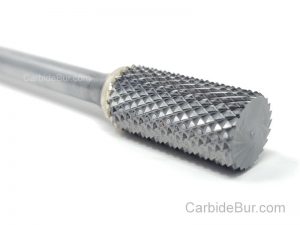
Find more carbide bur die grinder tool bits here
Unlocking the Potential of Carbide Burs for Weld Finishing
Utilizing carbide burs in your welding routine can dramatically elevate the quality and efficiency of your weld finishing process. These specialized tools enable you to effectively refine seams, ensuring a smoother surface and enhancing overall structural integrity. By incorporating carbide burs, you can efficiently tackle imperfections, optimize your workflow, and achieve professional-grade finishes that are vital for both aesthetic and functional purposes.
The Mechanics of Carbide Burs and Their Role in Welding
Carbide burs are high-performance cutting tools designed to remove material quickly and accurately. Their unique composition allows them to withstand high temperatures and resist wear, making them perfect for various welding materials like aluminum, steel, and stainless steel. Applying carbide burs post-weld helps to eliminate the roughness and irregularities caused during the welding process, providing you with a polished, refined look.
Key Benefits of Using Carbide Burs for Smoother Welds
The advantages of using carbide burs go beyond just aesthetics; they also enhance functionality. By achieving smoother welds, you reduce the likelihood of stress risers, which can lead to structural failure. Additionally, the uniform surface finish improves paint adhesion and corrosion resistance, crucial in industries where durability is paramount. You’ll find that spending time on finishing with carbide burs ultimately saves you time and costs on repairs and rework.
Switching to carbide burs brings numerous benefits to your welding projects. These tools generate less heat during operation, preventing warping or damage to the base material. Their versatility allows for detailed work in tight spaces while offering various shapes and sizes to tackle different welding scenarios. Moreover, reduced finishing times mean you can focus your attention on other critical aspects of your workflow, thus streamlining your overall productivity. Implementing carbide burs is not just an enhancement; it’s a strategic move towards achieving superior results in your welding endeavors.
Choosing the Right Carbide Bur for Your Welding Needs
Selecting the appropriate carbide bur can greatly influence your welding efficiency and finish quality. With various options available, including different shapes, sizes, and cutting grades, identifying the right bur tailored to your specific projects is important. Understanding these variations allows you to refine your approach, leading to smoother welds and a more efficient workflow.
Find more carbide bur die grinder tool bits here
Understanding Different Shapes and Sizes
The shape and size of carbide burs play a pivotal role in their effectiveness. For instance, ball-shaped burs provide excellent surface finishing and detail work, while cylindrical burs are ideal for larger welds requiring aggressive material removal. Choosing the right shape ensures that you are targeting your welds effectively, suited to the specific geometry of the job at hand.
Matching Burs with Specific Welding Processes
Different welding methods call for tailored bur selections that align with the materials and desired outcomes. MIG welding, for example, may benefit from burs designed for high-speed metal removal, whereas TIG welding emphasizes precision, requiring burs with finer details. Selecting burs specific to your process enhances not only productivity but also ensures a superior finish.
Fine-tuning your selection of carbide burs based on the welding process maximizes your effectiveness. For instance, if you’re working with stainless steel using TIG welding, opting for a fine-grit tungsten carbide bur can smooth your welds while reducing the risk of distortion. Conversely, in MIG processes on mild steel, a coarser bur may allow for quicker material removal. Analyzing the demands of each weld type enables you to achieve better results and maintain a higher standard of quality.
Techniques for Effective Use of Carbide Burs
Maximizing the efficiency of carbide burs requires an understanding of various techniques tailored to your specific welding projects. Start by selecting the right bur type for your materials, ensuring optimal compatibility with the metal you’re working on. Maintain a consistent angle while applying pressure to the bur, allowing it to effectively remove excess weld material without damaging the base metal. Additionally, regular rotation of the bur during use will prevent uneven wear and extend its lifespan, ultimately saving time and resources in your welding tasks.
Best Practices in Handling and Application
Effective handling of carbide burs starts with maintaining a clean work environment. Always ensure your tools are free from dust and debris that can affect performance. Utilize a steady hand and maintain the appropriate RPM to prevent overheating, which can lead to failure or poor finishes. Regularly inspect your burs for wear and replace them as needed to keep your welds clean and professional. Lastly, ensure you’re practicing proper safety measures, including wearing appropriate protective gear to shield yourself from debris and sparks.
Common Mistakes to Avoid When Using Burs
Avoiding certain pitfalls can significantly enhance the utility of carbide burs in your welding process. One common mistake is applying excessive pressure, which can break the bur or create uneven surfaces. Another frequent issue is neglecting to choose the correct bur size or shape for your specific weld, leading to inefficient material removal. Ensuring you’re not going too fast with the tool can also mitigate friction and heat issues that compromise your weld quality.
For instance, applying too much pressure while using the bur may seem like an efficient way to speed up the finishing process, but this technique often results in a rough surface and can damage both the bur and the underlying metal. Choosing the wrong bur or using one designed for a different application can lead to inadequate finishing or longer work hours as you struggle to achieve the desired outcome. Thus, understanding the right tool for your specific application is imperative for achieving high-quality results seamlessly.
Measuring Improvements: Metrics for Welder Efficiency
Establishing clear metrics for welder efficiency provides a straightforward way to gauge the impact of using carbide burs. Track parameters such as time spent on each weld, the number of welds completed per hour, and any downtime due to rework. Comparing these metrics before and after implementing carbide burs allows you to identify efficiencies gained in your workflow, ultimately helping to optimize production processes.
Setting Benchmarks for Increased Productivity
Creating benchmarks enables you to set realistic goals for productivity improvements. Consider measuring the average time taken to finish each weld and aim for a percentage reduction over a specific timeframe after introducing carbide burs. Engaging in routine assessments can highlight progress, pushing you to continuously enhance your welding efficiency.
Analyzing Weld Quality Post-Application
Evaluating weld quality after applying carbide burs reveals how these tools enhance overall craftsmanship. Examine aspects such as surface smoothness, consistency in bead appearance, and overall strength or endurance of the weld. Such quality assessments not only affirm the effectiveness of carbide burs but also provide insights for future improvements.
To analyze weld quality effectively, conduct tests like tensile strength evaluations or visual inspections to identify defects that may have been present prior to using carbide burs. Documenting your findings will illustrate the precise benefits gained, such as reduced porosity or improved fatigue resistance. Investing time in these analyses cultivates a stronger understanding of how operational adjustments directly relate to the integrity of your welds, reinforcing the exceptional value of carbide burs in your welding projects.
Future Trends: Innovations in Carbide Bur Technology
Advancements in carbide bur technology are set to revolutionize the welding industry, enhancing both the efficiency and quality of welds. Upcoming innovations focus on improved precision and durability, with manufacturers experimenting with advanced coating techniques and new carbide compositions that resist wear better than traditional materials. These innovations not only ensure longer-lasting tools but also deliver superior performance in various welding applications.
Emerging Designs and Materials
New designs of carbide burs, such as multi-flute and variable pitch models, are gaining traction due to their ability to reduce vibration and improve material removal rates. Additionally, the incorporation of high-speed steel and ultra-fine carbide particles in manufacturing processes is leading to greater tool longevity and performance, which directly benefits welders aiming for higher efficiency and smoother finishes.
The Impact of Technology on Welding Techniques
Technological advancements are reshaping welding techniques, providing welders with tools and resources that enhance precision. The integration of robotics and automated processes ensures consistent quality while reducing manual errors. Furthermore, software tools equipped with artificial intelligence can analyze welding parameters in real time, allowing you to adjust your technique on-the-fly for optimal results. This evolution not only streamlines the welding process but also elevates weld quality, making your work more efficient and reliable.
Conclusion
So, to enhance your welding efficiency and achieve smoother welds, incorporating carbide burs into your toolkit can be highly beneficial. By selecting the right burs for your specific welding tasks, you can improve surface preparation, minimize clean-up time, and achieve a professional finish. Regular practice and proper maintenance of your tools will ensure that you maximize the advantages of carbide burs. Ultimately, these steps will not only improve the quality of your work but also streamline your overall welding process.
Find more carbide bur die grinder tool bits here
How to Choose the Best Carbide Burr for Every Task
The Ultimate Burr Shape Chart: How to Choose the Best Carbide Burr for Every Task Choosing the right carbide burr shape can feel like guesswork when every task demands a different cut. You’ve got tree [...]
Port Matching Techniques for Automotive Enthusiasts
Mastering Carbide Burs: Port Matching Techniques for Automotive Enthusiasts Most engine porting guides leave out the real secrets to using carbide burs right. If you’ve wasted time guessing the right RPM or picked the wrong [...]
Top 5 Carbide Burr Mistakes Beginners Make and How to Avoid Them
Top 5 Carbide Burr Mistakes Beginners Make and How to Avoid Them Most beginners make the same costly carbide burr mistakes without even realizing it. If you’ve struggled with rough finishes or broken bits, you’re [...]
The Expert’s Guide to Chamfering and Edge Breaking with Carbide Burrs
The Expert's Guide to Chamfering and Edge Breaking with Carbide Burrs Most metal shaping tools only scratch the surface. If your edges still feel rough or your welds aren’t smooth, you’re missing a key step. [...]
The Ultimate Guide to Using Carbide Burrs on Aluminum Without a Hitch
The Ultimate Guide to Using Carbide Burrs on Aluminum Without a Hitch Clogged carbide burrs can turn your aluminum machining project into a frustrating mess fast. You’ve probably wasted hours scraping off gunk instead of [...]
Your Go-To Welding Tools for Fast and Effective Cleaning
Carbide Burrs: Your Go-To Welding Tools for Fast and Effective Cleaning Welding cleanups often drag on longer than they should, costing you time and precision. If you’re tired of scrubbing weld spatter that just won’t [...]
Practical Burr Maintenance Tips for Cost-Savvy Machinists
Practical Burr Maintenance Tips for Cost-Savvy Machinists Most machinists replace carbide burrs too late or too soon, wasting both time and money. Your tools wear down faster when you miss the signs to replace carbide [...]
Jewelry Making and Engraving Techniques Using Carbide Burs
Jewelry Making and Engraving Techniques Using Carbide Burs Carbide burs aren’t just for rough cuts or quick fixes—you’re missing out if you think that’s all they do. These small tools can add precision and detail [...]
How to Choose Between Single Cut and Double Cut Carbide Burrs
Master Your Projects: How to Choose Between Single Cut and Double Cut Carbide Burrs Picking the wrong carbide burr can turn a simple project into a frustrating mess. You’ve got single cut burrs and double [...]
Achieve Precision with the Right Carbide Burr Usage and RPM
Achieve Precision with the Right Carbide Burr Usage and RPM Most people run carbide burrs way too fast or too slow without realizing it. That’s costing you time, tool life, and the smooth finish you [...]
Why Carbide Burrs Outshine Grinding Wheels in Woodworking and Metalworking
Why Carbide Burrs Outshine Grinding Wheels in Woodworking and Metalworking Grinding wheels have long been the go-to for shaping metal and wood, but they often fall short when precision work is on the line. If [...]
Choosing the Best Burr Shapes and Tools for Flawless Metalworking
Choosing the Best Burr Shapes and Tools for Flawless Metalworking Removing burrs can feel like walking a tightrope—one wrong move, and your parts get damaged. If you want clean edges without the risk, mastering deburring [...]

Leave A Comment
You must be logged in to post a comment.